Choose a country or area to see content specific to your location
尋找感興趣的產品?
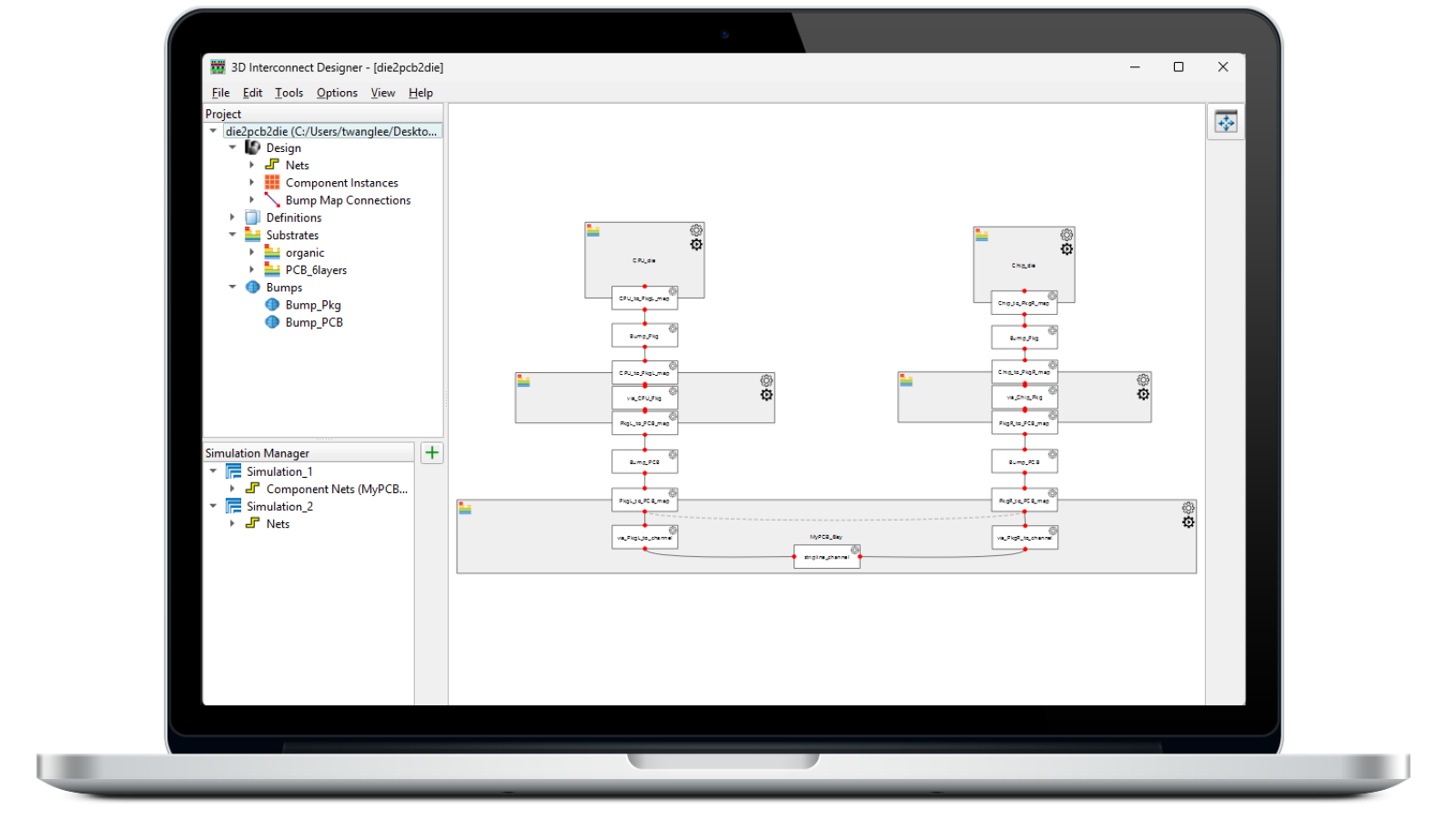
Design, model, and validate complex 3D interconnect architectures with a powerful standalone design environment.
Automate transmitter and receiver validation across next-generation I/O, memory, and fabric interfaces.
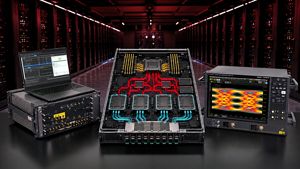
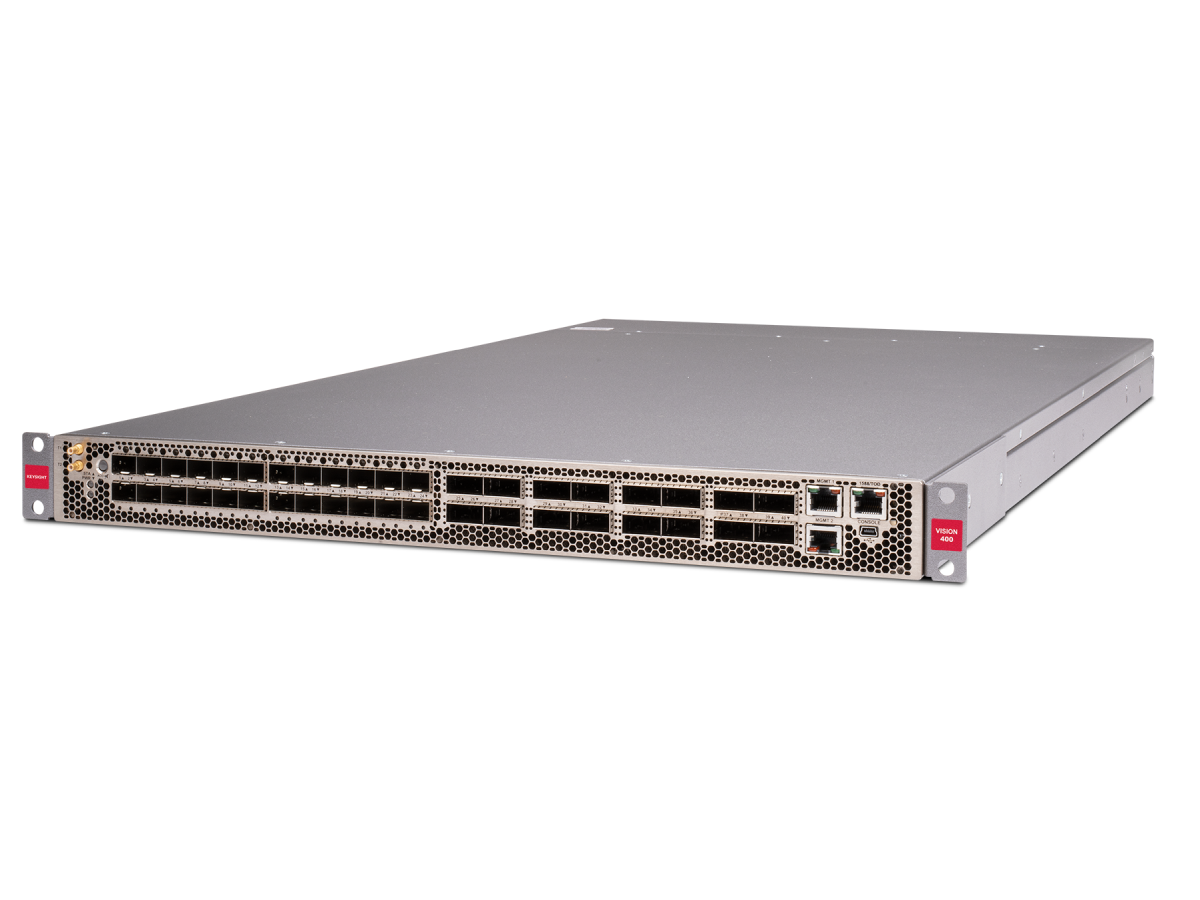
Strengthen 1.6T network reliability for AI-scale workloads from transceivers to interconnects.

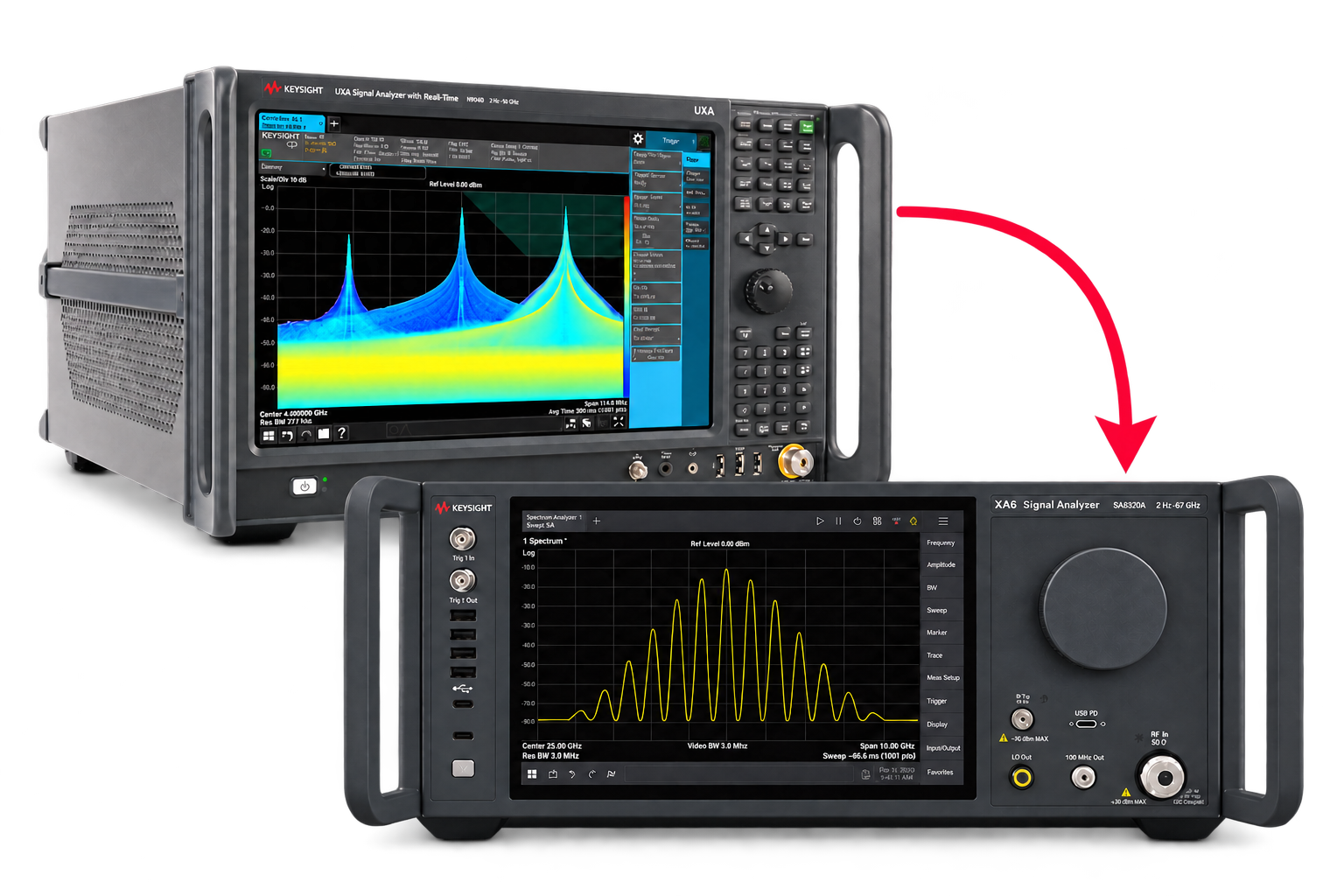
Pair Keysight VSA software with the new XA5 signal analyzer for advanced visualization, demodulation, and analysis — start your 30-day trial today.
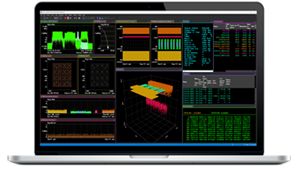
With extra memory and storage, these enhanced NPBs run Keysight's AI security and performance monitoring software and AI stack.

Explore end-to-end workflows spanning IC design, validation, wafer test, and photonics.

Save up to 50% on our latest instruments with eligible Keysight or competitor trade-ins.

Maximize accuracy and performance with precision accessories engineered for Keysight instruments.
Save up to 50% on our latest instruments with eligible Keysight or competitor trade-ins.
Four channels per 1U of rack space, up to 1 GHz bandwidth, and multi-oscilloscope synchronization.
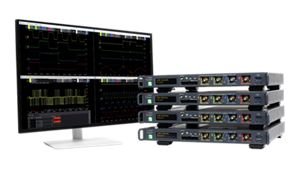
Purpose-built solutions engineered for the design and test challenges unique to your industry.
Use Cases mapped to every stage of your product lifecycle, from design through operations.
Success Stories
Authoritative application notes, data sheets, reference designs, and test procedures to accelerate design and validation decisions.
Hands‑on bootcamps that teach system design, test methods, and production workflows engineers can apply immediately.
Learning Hub
Explore methodologies, test strategies, and technical resources for designing, validating, and scaling AI systems and networks.
Test any device, app, or service like a real user with AI computer vision that makes one test work everywhere for true end-to-end testing.
Cross-platform testing validates that an application works correctly across the full range of devices, operating systems, browsers, and environments users access it from. AI-powered cross-platform testing replaces the historical requirement of separate scripts per platform with a single test approach that runs everywhere.
AI computer vision interacts with applications the way users do, eliminating dependence on platform-specific selectors or back-end APIs. Eggplant applies the same test logic across web, desktop, mobile, Citrix, VDI, and device farm environments from a single test definition.
Manually testing every device, OS, and browser combination is impossible at modern release velocity, leaving real coverage gaps.
Traditional automation requires separate scripts for each environment, scaling effort linearly with every supported platform combination.
Mainframes, packaged applications, and locked-down environments often block the source-level access traditional automation requires.
Legacy mainframes and older platforms get excluded from automated coverage entirely, leaving critical workflows untested at release.
Eggplant uses next-generation AI computer vision to test applications the way users see them, regardless of platform, technology stack, or source code access.
Computer vision identifies UI elements visually, the same way users do, eliminating dependence on selectors or platform-specific access.
The same test runs across mobile, web, desktop, mainframe, and packaged applications, with no platform-specific rewrites required.
Run tests in parallel across devices, browsers, and operating systems from a centralized platform, scaling coverage without scaling effort.
Manage, monitor, and extract insights from cross-platform testing in near real time through a centralized observability platform.
Cross-platform testing validates that an application works correctly across the full range of devices, operating systems, browsers, and environments users access it from. The goal is to confirm consistent functionality, performance, and visual quality regardless of how users reach the application. Modern cross-platform testing uses AI computer vision to interact with applications the same way users do, eliminating the need for separate test scripts per platform and extending coverage to environments where source code access is restricted.
Cross-browser testing is a subset of cross-platform testing focused specifically on validating that web applications work correctly across browsers like Chrome, Safari, Firefox, and Edge. Cross-platform testing is broader, covering operating systems, device types, mobile and desktop applications, mainframes, and packaged software in addition to browsers. For most modern enterprises whose user experience extends beyond web browsers, cross-platform testing is the more relevant scope. Cross-browser testing alone misses the platform breadth most applications now span.
With AI-driven computer vision, yes. Traditional automation tools require separate scripts per operating system because they depend on platform-specific selectors, accessibility APIs, or DOM structure. AI-driven visual testing platforms interact with applications by what's on screen rather than how it's coded, which means a single test definition can run across Windows, macOS, Linux, iOS, Android, and even mainframe environments. This dramatically reduces the per-platform effort historically required to maintain comprehensive cross-platform coverage.
AI-powered visual testing enables cross-platform automation by removing the technology-stack dependencies that traditionally fragmented testing approaches. Instead of relying on platform-specific selectors or back-end APIs, AI computer vision recognizes UI elements by appearance, the same way users do. This means the same test logic works whether it's running against a web browser, a mobile app, a desktop application, a mainframe terminal, or a packaged software interface. The result is consistent automation coverage across an enterprise application portfolio without per-platform tooling.
The best approach to combined mobile and desktop coverage depends on the consistency required across platforms. If mobile and desktop are tested by separate teams with different processes, specialized tools per platform may work. For organizations where the same workflows need consistent validation across mobile and desktop, AI-driven visual testing platforms deliver lower total maintenance overhead by using one test approach across both. The right choice depends on whether unified coverage or specialized per-platform depth is the higher priority.
Testing applications without source code access requires moving away from automation approaches that depend on DOM, accessibility APIs, or instrumentation hooks. AI-driven visual testing works by interacting with applications through the visible UI, the same channel users use, which means it doesn't require source code access at all. This makes it particularly valuable for packaged software, mainframe applications, third-party systems, and locked-down environments where traditional automation tools can't reach. The same test approach extends to applications you do control, providing consistent coverage across the full estate.
Desktop, web, mobile, legacy; validate consistent behavior across platforms without rebuilding tests each time.
尋找感興趣的產品?