Choose a country or area to see content specific to your location
尋找感興趣的產品?
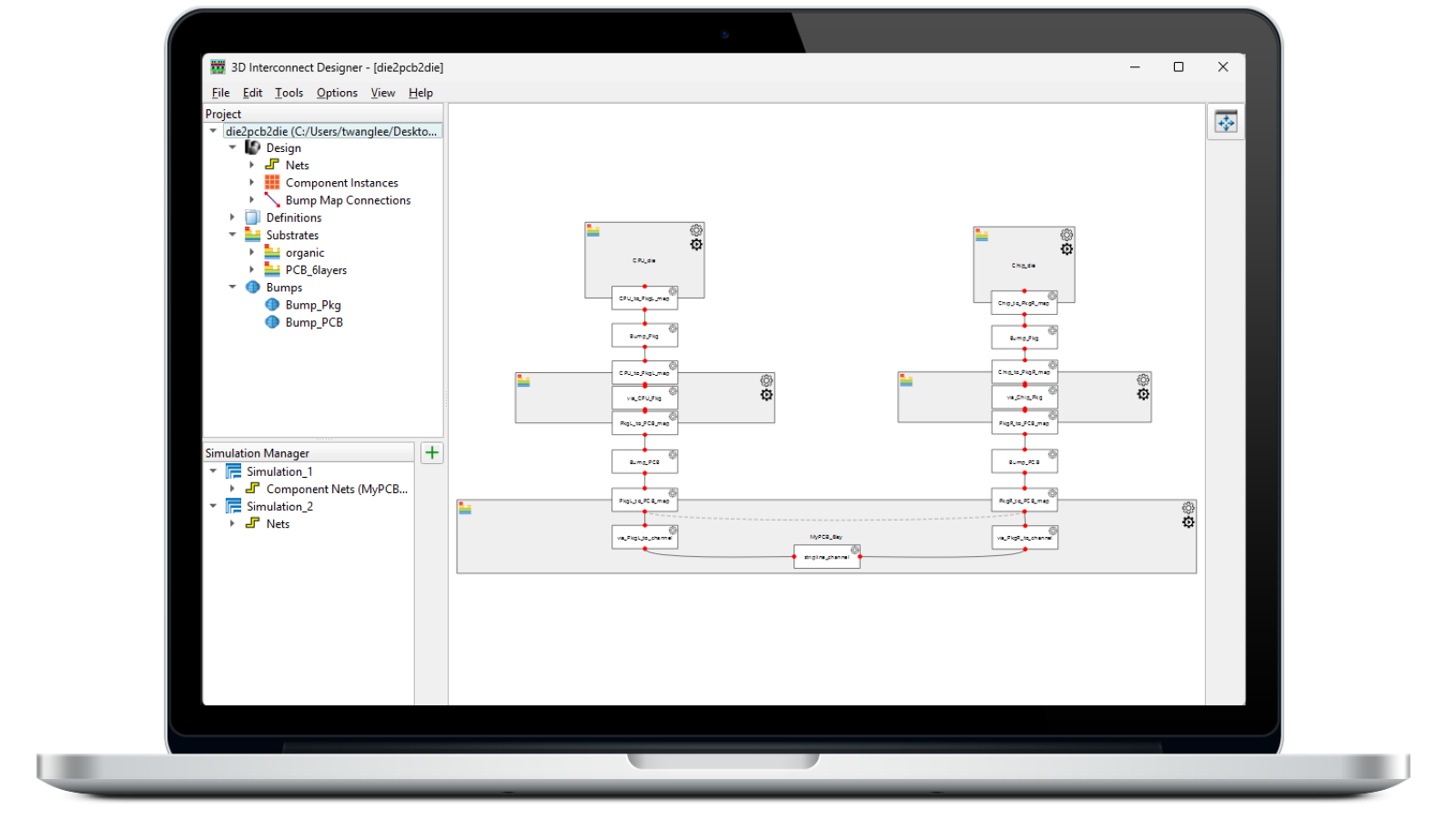
Design, model, and validate complex 3D interconnect architectures with a powerful standalone design environment.
Automate transmitter and receiver validation across next-generation I/O, memory, and fabric interfaces.

Strengthen 1.6T network reliability for AI-scale workloads from transceivers to interconnects.

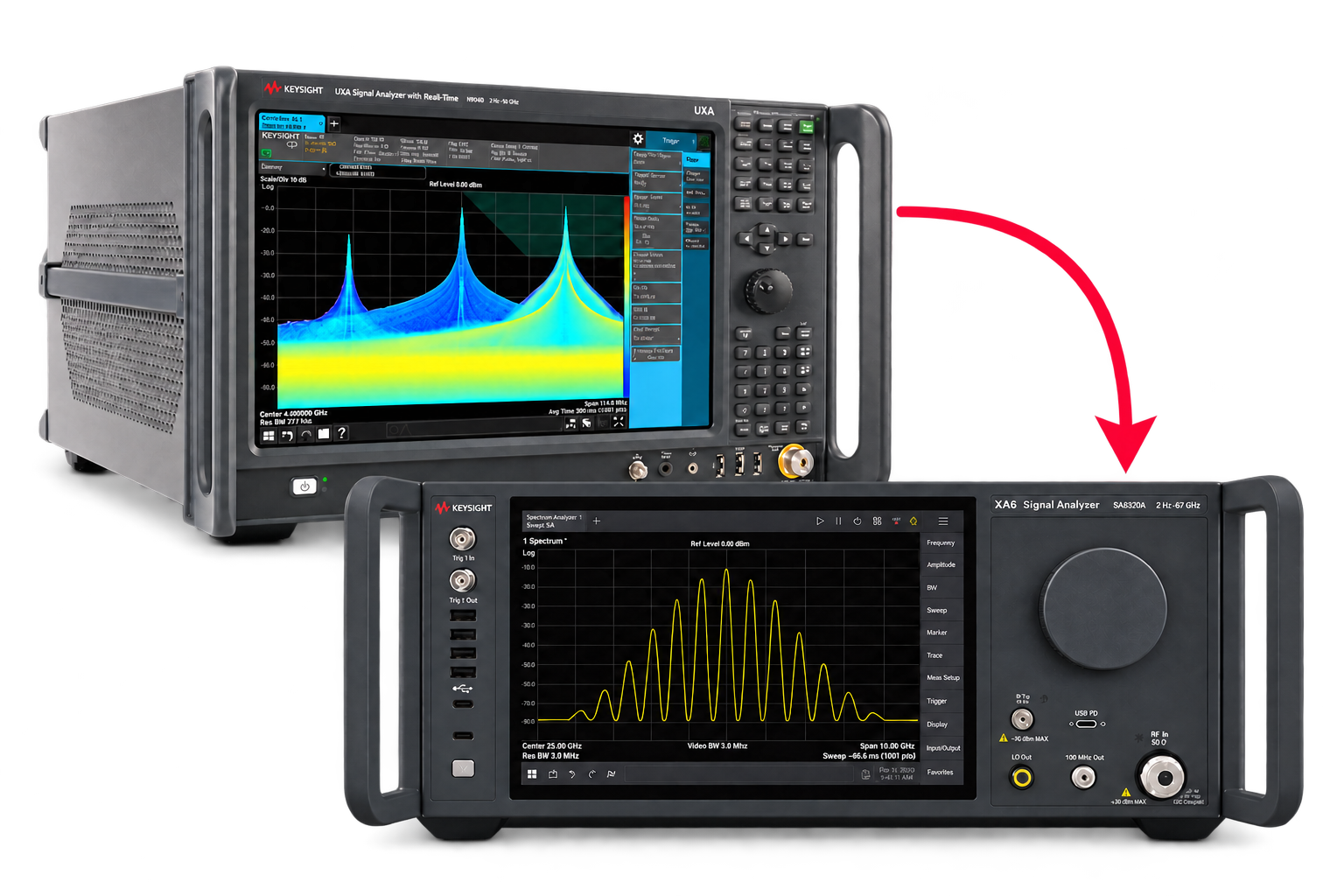
Pair Keysight VSA software with the new XA5 signal analyzer for advanced visualization, demodulation, and analysis — start your 30-day trial today.
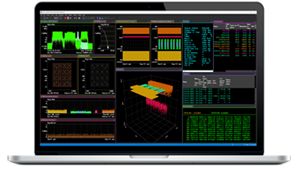
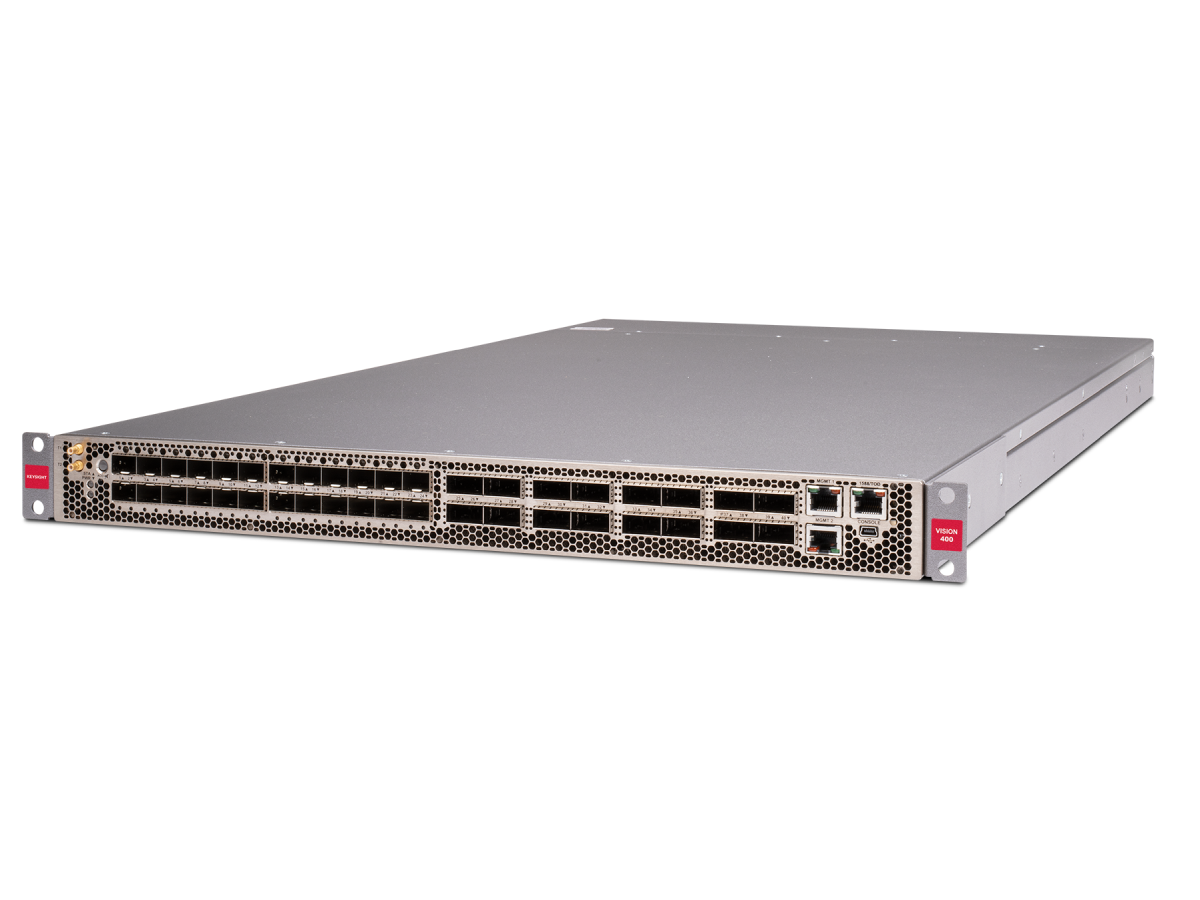
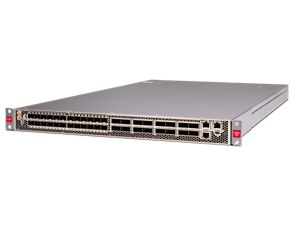
With extra memory and storage, these enhanced NPBs run Keysight's AI security and performance monitoring software and AI stack.
Explore end-to-end workflows spanning IC design, validation, wafer test, and photonics.

Save up to 50% on our latest instruments with eligible Keysight or competitor trade-ins.

Maximize accuracy and performance with precision accessories engineered for Keysight instruments.
Save up to 50% on our latest instruments with eligible Keysight or competitor trade-ins.
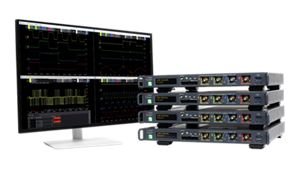
Four channels per 1U of rack space, up to 1 GHz bandwidth, and multi-oscilloscope synchronization.
Purpose-built solutions engineered for the design and test challenges unique to your industry.
Use Cases mapped to every stage of your product lifecycle, from design through operations.
Success Stories
Authoritative application notes, data sheets, reference designs, and test procedures to accelerate design and validation decisions.
Hands‑on bootcamps that teach system design, test methods, and production workflows engineers can apply immediately.
Learning Hub
Explore methodologies, test strategies, and technical resources for designing, validating, and scaling AI systems and networks.
Test enterprise APIs as users actually experience them with model-based automation that validates full business workflows, not just endpoints.
API test automation validates how APIs work together to deliver real business workflows, rather than testing endpoints in isolation. Tests are generated from a model of system behavior, covering request and response chains across security, reporting, and data layers.
This approach finds integration defects that endpoint-by-endpoint testing misses and scales coverage with application complexity. AI analyzes API specifications to generate test paths automatically, adapting coverage as APIs change without manual rewrites. Eggplant models workflow logic across API, UI, and data layers to validate business processes end to end, not individual calls.
Validating individual endpoints in isolation misses the integration defects that surface when APIs work together in real business flows.
Different tools for REST, SOAP, GraphQL, and message queues fragment coverage and hide defects between system layers.
Hand-written API tests can't keep pace with endpoint growth, leaving security, reporting, and access controls unverified at release.
Without continuous contract validation, API consumers break silently as schemas evolve, surfacing defects only in production.
Eggplant treats API testing as system behavior, not isolated calls. A model of business flows drives test generation across the full API chain.
Build and visualize complex endpoint logic as a model, mapping request and response flows across the full business workflow.
Discover endpoints from Swagger or OpenAPI specifications and generate executable tests automatically, with no manual scripting.
Generate every permutation of request and response pairs to validate end-to-end contract coverage and version compatibility.
API and UI tests share the same model and run together, validating that back-end behavior matches what users actually experience.
API test automation uses tools to programmatically validate that an application's APIs return correct responses, handle errors appropriately, enforce security rules, and maintain contract stability across releases. Unlike UI testing, which validates how users interact with the application, API testing validates the underlying services that power those interactions. Modern API test automation extends beyond endpoint-by-endpoint validation to test how APIs work together in complete business workflows, catching integration defects that isolated endpoint tests miss.
API testing validates back-end services directly: requests, responses, status codes, schemas, security rules, and contract stability. UI testing validates the user-facing application: rendering, interactions, workflows, and visual correctness. API testing typically runs faster, catches integration defects earlier, and is easier to automate at scale than UI testing. Most production-grade test strategies combine both: API tests for breadth and speed, UI tests for the user experience that ultimately determines whether the application works for the people using it.
Yes, and this is one of the highest-value features in modern API test automation. OpenAPI and Swagger specifications describe API endpoints, parameters, request bodies, and expected responses in a structured format. Test platforms can read these specs and automatically generate executable tests covering every endpoint, parameter combination, and response variation, with no manual scripting required. This dramatically accelerates initial coverage, keeps tests aligned with the live API specification, and surfaces drift between documentation and implementation immediately.
Contract testing validates that the agreement between an API and its consumers stays stable as both evolve independently. Without it, schema changes can silently break dependent services, with defects surfacing only when consumers fail in production. Contract tests run in CI/CD pipelines on both producer and consumer sides, catching breaking changes before they ship. Modern API test automation includes contract testing as a first-class capability, generating request and response permutations to validate full contract coverage on every build.
API tests are typically the first automated tests to run in a CI/CD pipeline because they're fast, stable, and catch integration defects early. They trigger automatically on every commit, fail fast when contracts break, and gate progression to slower UI test stages. Native integrations with Jenkins, Azure DevOps, GitHub Actions, and GitLab let API test platforms plug directly into existing pipelines, reporting results in formats the development team can act on without leaving their workflow.
Testing APIs that span multiple systems requires moving beyond endpoint-by-endpoint validation to model-based testing of full business workflows. Rather than verifying that each API returns the right response in isolation, model-based API automation tests how APIs behave together: how authentication flows through downstream services, how reporting reflects upstream data changes, how access controls propagate. This approach finds integration defects that single-endpoint tests miss, and is particularly valuable for enterprise applications, microservices, and regulated systems.
Validate APIs alongside the UI in one framework, so backend failures don't surface as user-facing bugs.
尋找感興趣的產品?