Choose a country or area to see content specific to your location
What are you looking for?
-
-
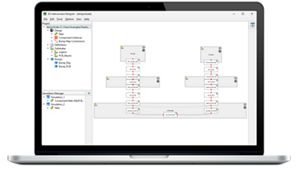
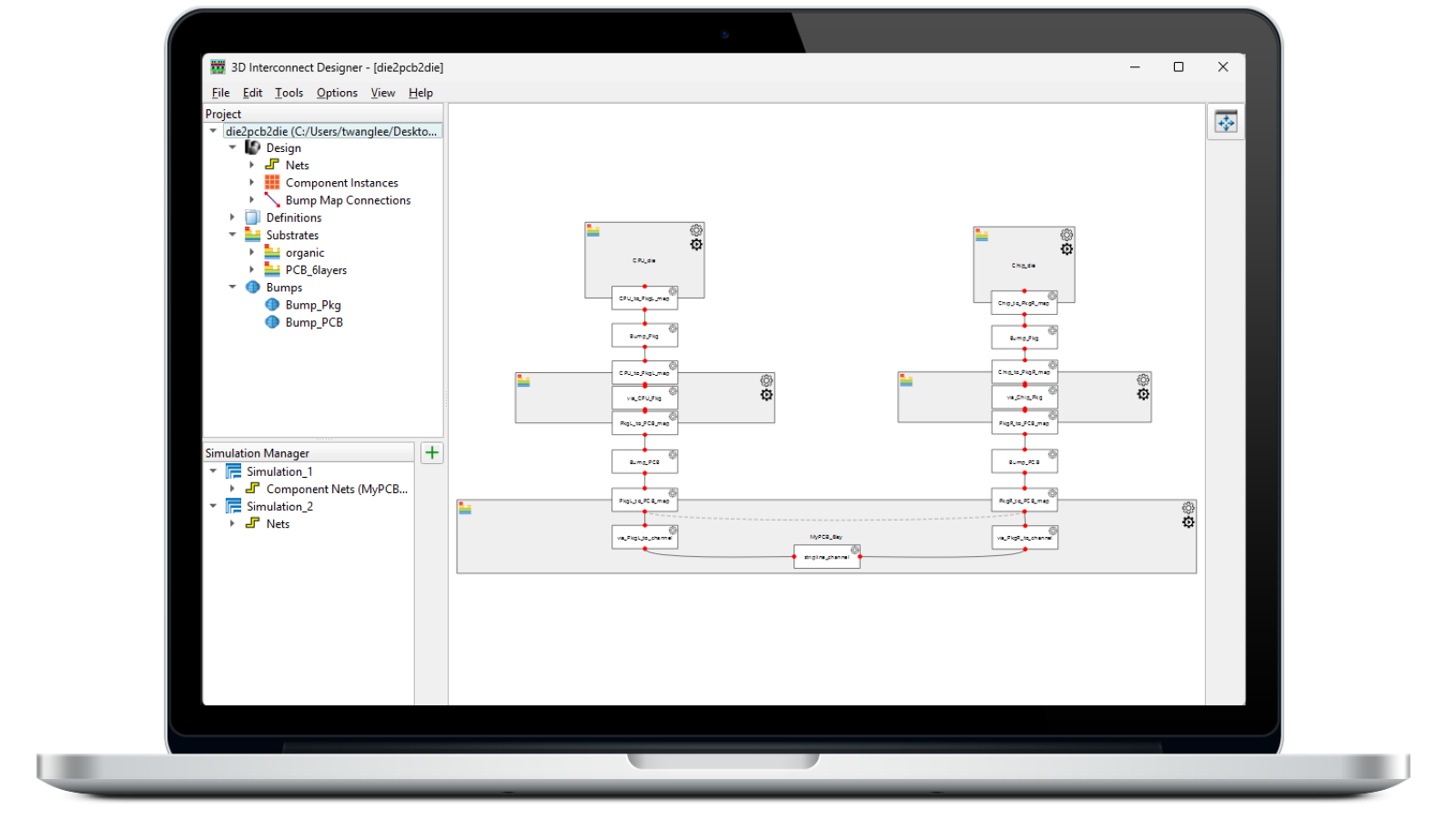
Accelerate Advanced Package & 3DIC DesignsAccelerate Advanced Package & 3DIC Designs
Design, model, and validate complex 3D interconnect architectures with a powerful standalone design environment.

-
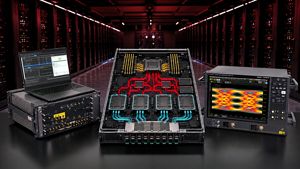
Scale AI Compute. Simplify Validation.Scale AI Compute. Simplify Validation.
Automate transmitter and receiver validation across next-generation I/O, memory, and fabric interfaces.
-
End-to-End Validation for AI Data CenterEnd-to-End Validation for AI Data Center
Strengthen 1.6T network reliability for AI-scale workloads from transceivers to interconnects.
-
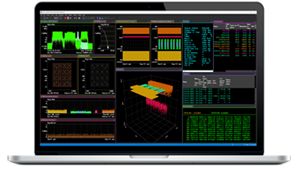
Take On Complex MIMO SignalsTake On Complex MIMO Signals
Pair Keysight VSA software with the new XA5 signal analyzer for advanced visualization, demodulation, and analysis — start your 30-day trial today.
-
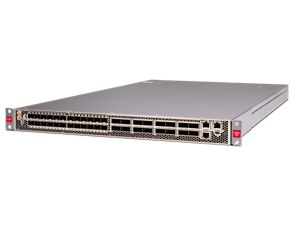
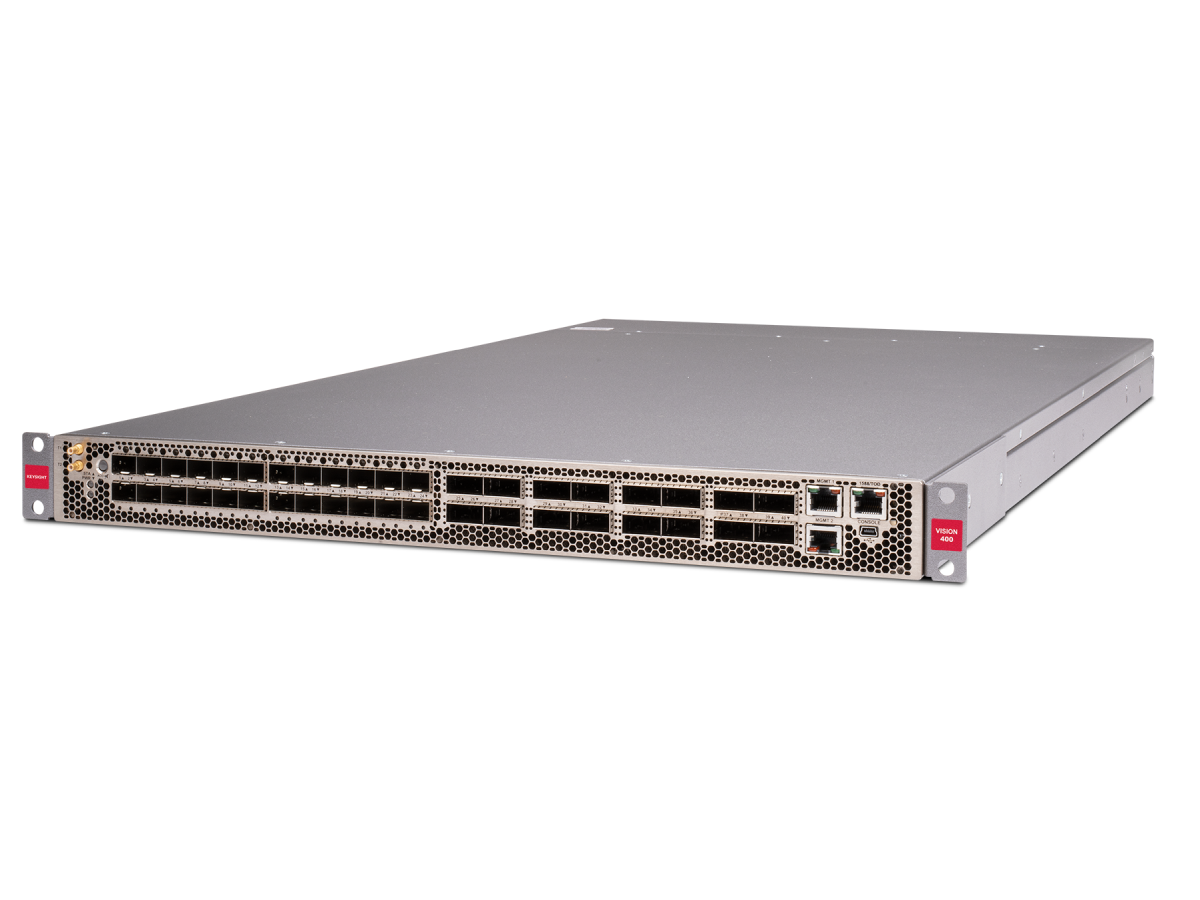
Introducing AI-Enhanced Packet BrokersIntroducing AI-Enhanced Packet Brokers
With extra memory and storage, these enhanced NPBs run Keysight's AI security and performance monitoring software and AI stack.
-
Accelerate Semiconductor InnovationAccelerate Semiconductor Innovation
Explore end-to-end workflows spanning IC design, validation, wafer test, and photonics.
-
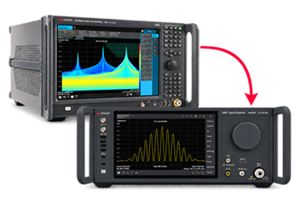
Trade In Before You Buy NewTrade In Before You Buy New
Save up to 50% on our latest instruments with eligible Keysight or competitor trade-ins.
-
448 Gb/s Waveform Generation448 Gb/s Waveform Generation
Achieve 200+ Gbaud multi-level modulated signals with high-speed AWGs for digital and optical standards.
-
The Right Connection Makes the MeasurementThe Right Connection Makes the Measurement
Maximize accuracy and performance with precision accessories engineered for Keysight instruments.

Trade In Before You Buy NewTrade In Before You Buy NewSave up to 50% on our latest instruments with eligible Keysight or competitor trade-ins.
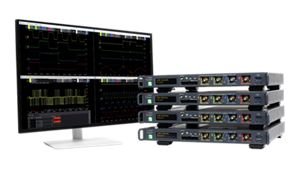
Scale to Hundreds of Channels. Keep Measurements in Sync.Scale to Hundreds of Channels. Keep Measurements in Sync.Four channels per 1U of rack space, up to 1 GHz bandwidth, and multi-oscilloscope synchronization.
-
-
Purpose-built solutions engineered for the design and test challenges unique to your industry.
FeaturedUse Cases mapped to every stage of your product lifecycle, from design through operations.
Nokia + Keysight: AI Network Designs at ScaleSuccess Stories
Nokia + Keysight: AI Network Designs at Scale -
Authoritative application notes, data sheets, reference designs, and test procedures to accelerate design and validation decisions.
FeaturedHands‑on bootcamps that teach system design, test methods, and production workflows engineers can apply immediately.
OscilloscopesLearning Journey
OscilloscopesFollow guided learning paths covering oscilloscope fundamentals, key measurements, and applications. - Buy
-
Quick access to support related self-help tasks.
Additional content to support your product needs.
Do more with Keysight ServicesDo more with Keysight ServicesExplore services to accelerate every step of your innovation journey.





In-Vehicle Communications Data and Network Integrity and Interoperability Across Protocols
- Overview
- All Models
- Accessories
- Software
- Support
Streamline In-Vehicle Communications Development and Testing
Keysight in-vehicle communications products offer test coverage for a wide variety of technologies and data rates for the growing high-performance design and test requirements of modern in-vehicle networking systems. Automotive Ethernet provides a universal medium for high-speed communication that allows different components to coexist on the same switched network. While several emerging automotive SerDes connections convert parallel data to serial data (and vice-versa), enabling communication for high resolution displays like cameras and infotainment. It is a point-to-point architecture with high bandwidth, low baud rates, and high orders of modulation employed. Our solutions help the development, validation, and debugging of CPUs, ECUs, cables, interconnects, and edge devices up to the latest standards. Request a quote for one of our popular configurations today. Need help selecting? Check out the resources below.
Multiple technologies
There are several different technologies that operate in the vehicle network. Conformance and interoperability for each of those is critical to the safety and security of modern vehicle architectures.
OSI layers 1–7 testing
Keysight delivers end-to-end automotive Ethernet validation across OSI Layers 1–7. Testing begins at the physical layer and extends upward to include control-plane validation, timing accuracy, guaranteed delivery, and AVB/TSN performance.
Multi-gigabit data validation
Keysight automotive Ethernet and SerDes solutions validate multi-gigabit communication as modern ADAS and autonomous features demand the fastest data rates.
Tx, Rx, and Lx testing
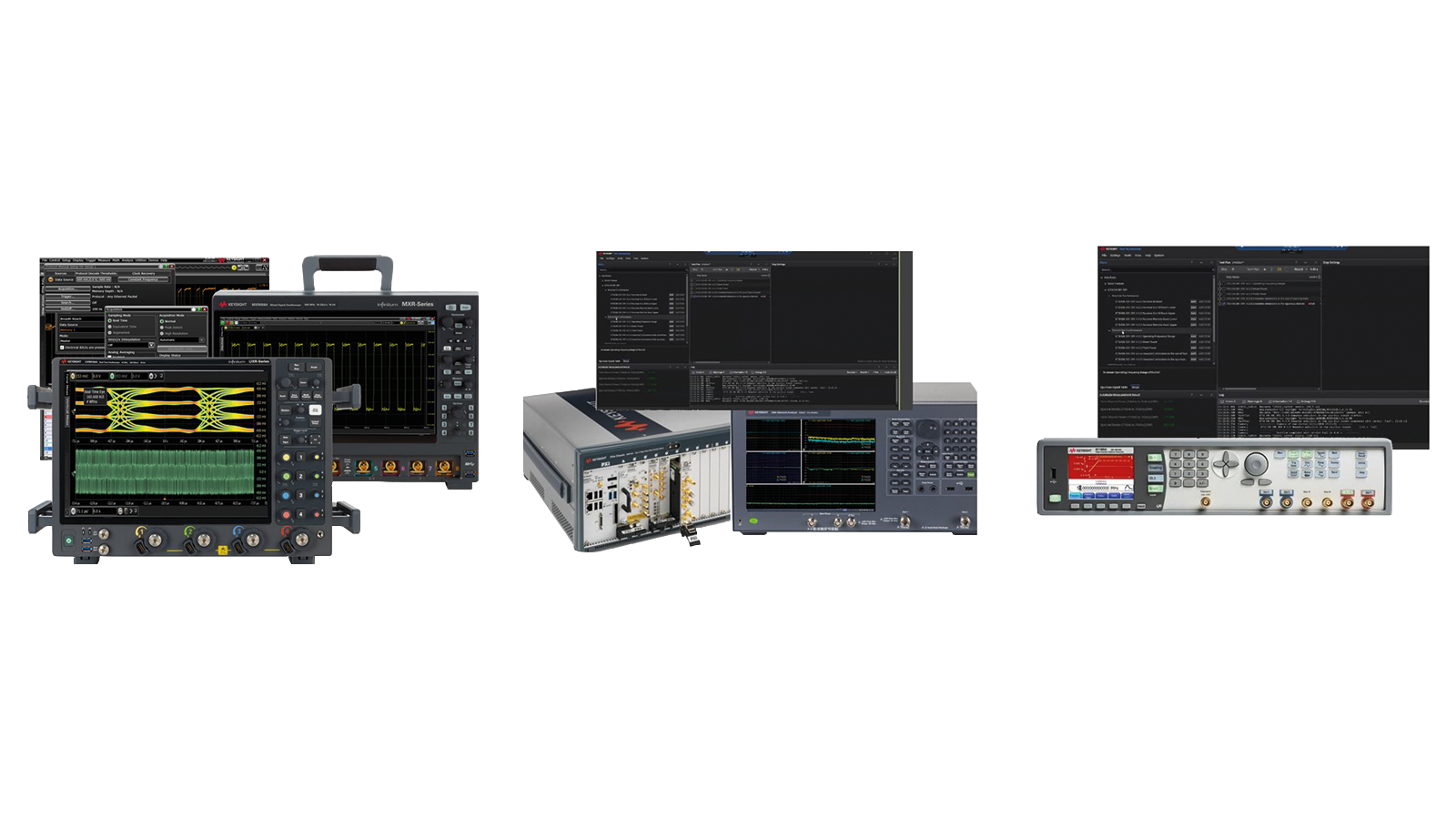
Automate testing and validation across transmitter (Tx), receiver (Rx), and channel testing from 10 Mbps to 50 Gbps, providing increased test accuracy while saving time for rigorous compliance testing.
-
Measurement type
Receive (Rx), Transmit (Tx), Channel (Lx)
-
Technology
MIPI A-PHY, ASA, GSML, Generic, Automotive Ethernet
-
Data rate
2 Gb/s - 32 Gb/s, 10 Mb/s - 10 Gb/s, 100 Mb/s - 1000 Mb/s
Most Popular Configurations
Services and support
Innovate at speed with curated support plans and prioritized response and turn-around times.
Get predictable, lease-based subscriptions and full lifecycle management solutions—so you reach your business goals faster.
Experience elevated service as a KeysightCare subscriber to get committed technical response and more.
Ensure your test system performs to specification and meets local and global standards.
Make measurements quickly with in-house, instructor-led training, and eLearning.
Download Keysight software or update your software to the newest version.
Frequently Asked Questions
In-vehicle communication systems are networks and technologies that allow different electronic components within a vehicle to send and receive messages with each other. These systems are the backbone of modern transportation, powering everything from basic functions like engine control and infotainment to advanced features like active safety systems and autonomous driving. At their core, in-vehicle communication systems are computer networks designed to operate within the unique and often harsh environment of a vehicle. This involves communication between the various electronic control units (ECU), sensors, and actuators within the vehicle itself. The purpose is to ensure that different components of the car can "talk" to each other and coordinate their functions seamlessly.
Automotive Ethernet is a specialized version of the standard Ethernet technology, specifically adapted to meet the unique and demanding requirements of in-vehicle communication networks. While it leverages the fundamental principles of Ethernet, its physical layer and some operational aspects are significantly different to suit the harsh automotive environment. Automotive Ethernet is rapidly becoming the backbone of next-generation vehicle architectures due to its ability to support high bandwidth, reduce wiring complexity and weight, and improve cybersecurity.
Traditional in-vehicle networks like Controller Area Network (CAN) and Local Interconnect Network (LIN) have served vehicles well for decades, handling lower bandwidth communication for systems like engine control, braking, and basic body electronics. However, the rise of advanced features in modern cars demands significantly higher bandwidth and more robust, scalable communication.
Automotive Serializer/Deserializer (SerDes) is a critical technology in modern vehicles, particularly for high-bandwidth, point-to-point connections. It is a method of data transmission that addresses the challenges of moving vast amounts of data from sensors (like cameras, radar, and lidar) and displaying it over relatively long distances within the vehicle, while keeping wiring complexity and cost down. The major benefit of SerDes lies in its ability to combine multiple data lines and an associated clock signal into a single serial stream, which is then transmitted over just one or two pairs of wires. This significantly reduces the number of physical connections, cable bulk, and cost. SerDes is critical to facilitating communication for ADAS and autonomous sensors.
In-vehicle communication systems are critical to the operation and advancement of Advanced Driver-Assistance Systems (ADAS) and autonomous vehicles (AV). They are the nervous system that allows these complex technologies to perceive, process, decide, and act. While both automotive SerDes and automotive Ethernet are crucial for high-bandwidth automotive data transmission used in ADAS and autonomous system communication, they serve somewhat different primary roles and have different characteristics.
SerDes will handle the high-bandwidth, point-to-point links from sensors to processing units (often domain controllers), while automotive Ethernet will form the high-speed backbone that connects these domain controllers and other vehicle systems together, facilitating overall network communication, software updates, and advanced networking functions.