Choose a country or area to see content specific to your location
O que você está procurando?
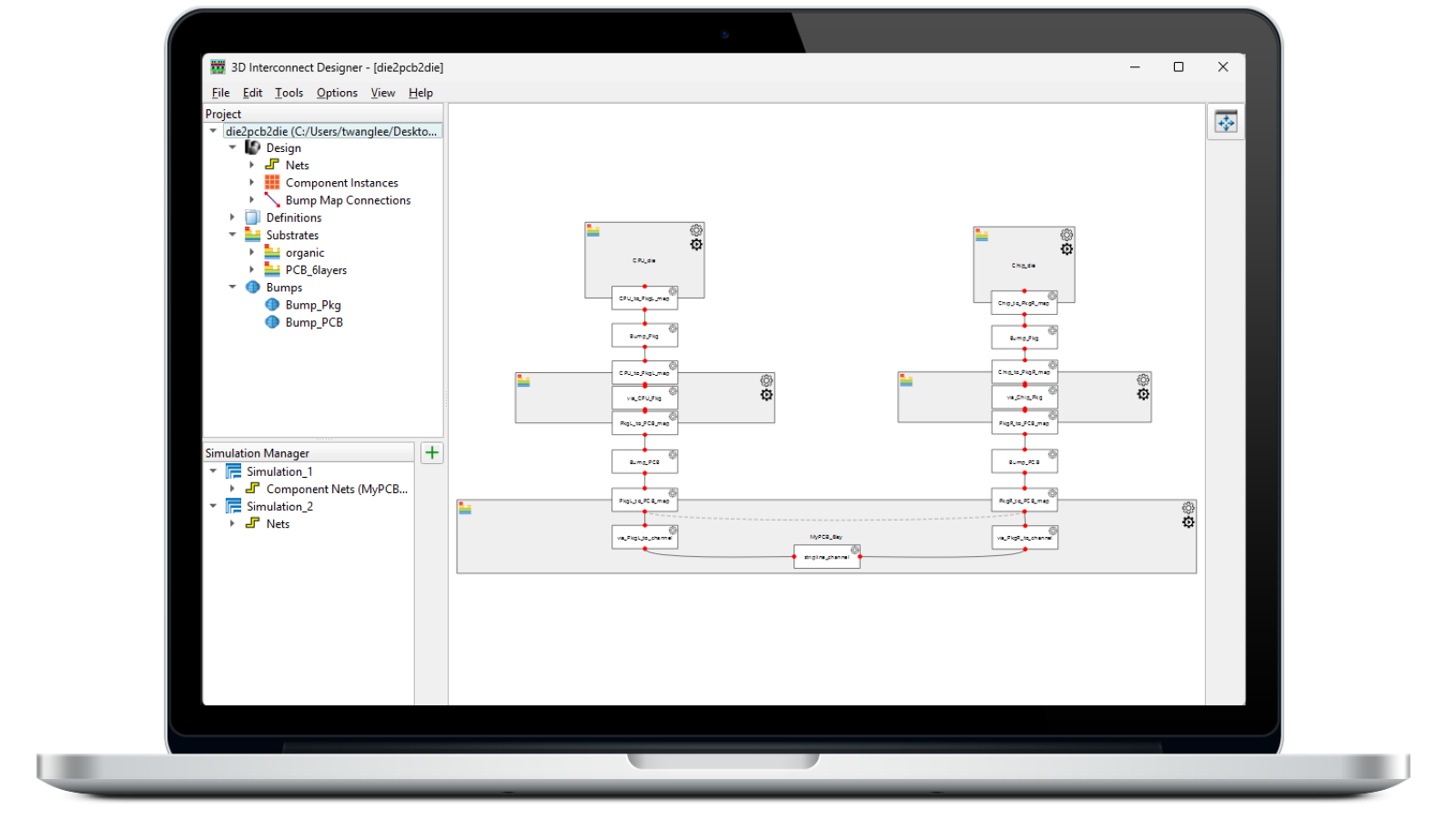
Design, model, and validate complex 3D interconnect architectures with a powerful standalone design environment.
Automate transmitter and receiver validation across next-generation I/O, memory, and fabric interfaces.
Strengthen 1.6T network reliability for AI-scale workloads from transceivers to interconnects.

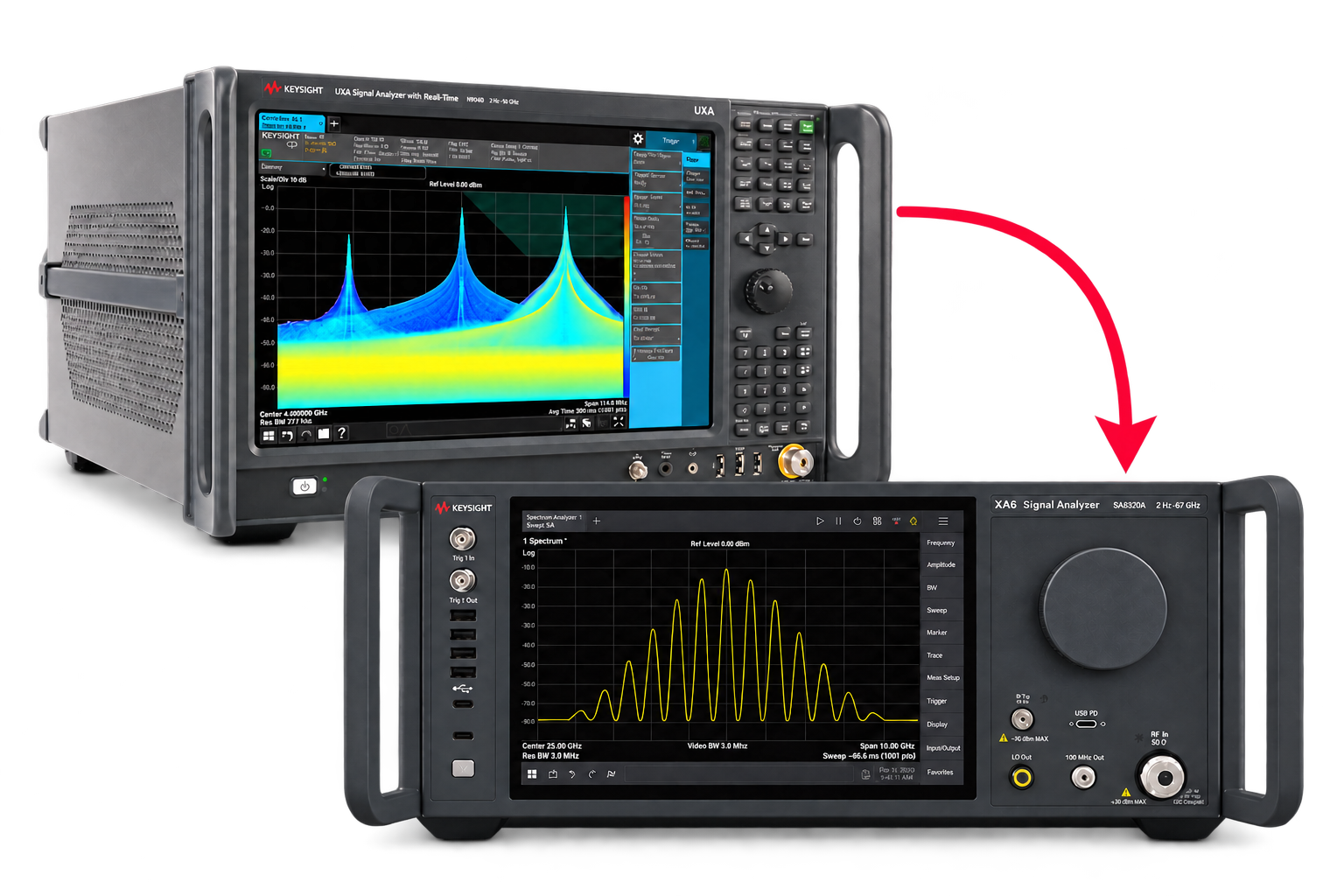
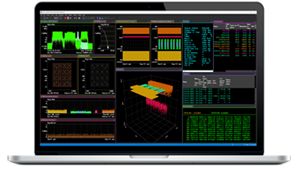
Pair Keysight VSA software with the new XA5 signal analyzer for advanced visualization, demodulation, and analysis — start your 30-day trial today.
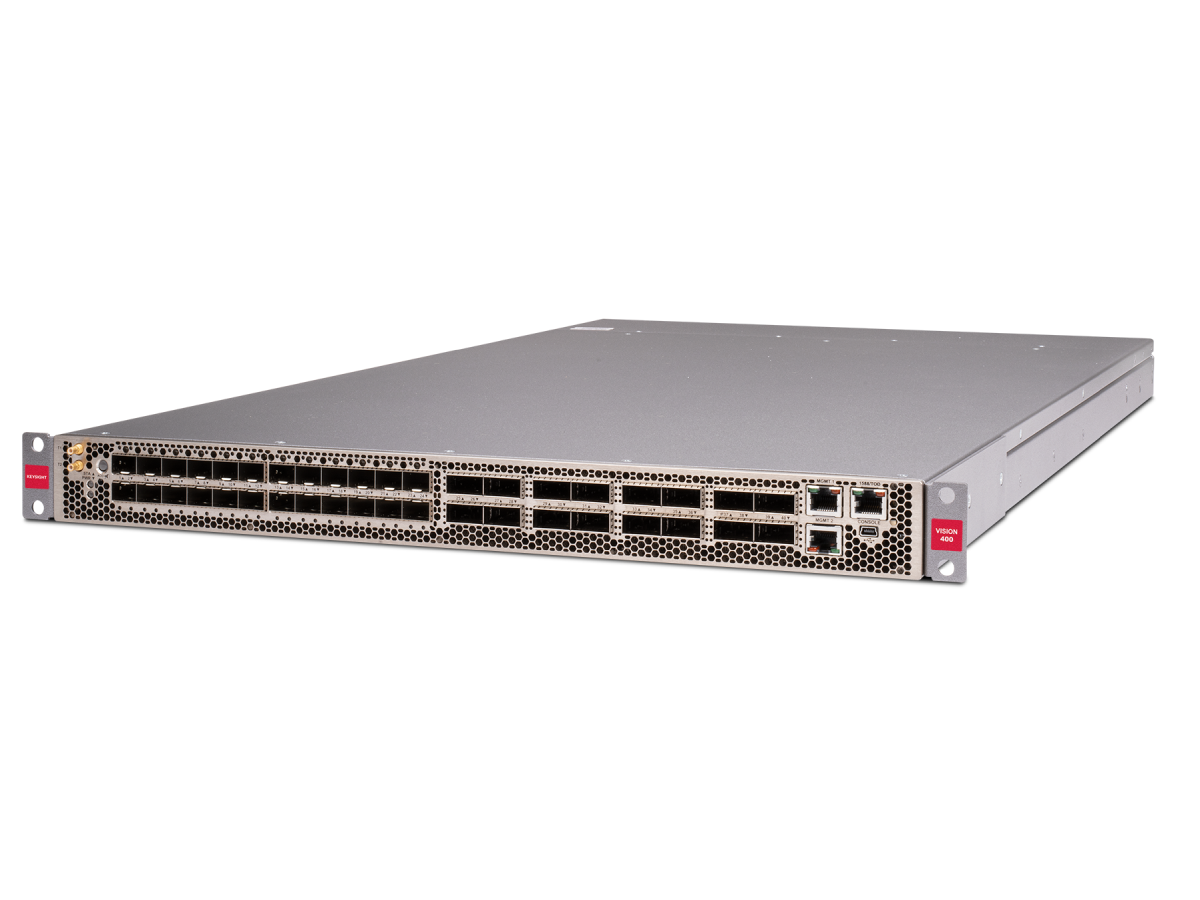
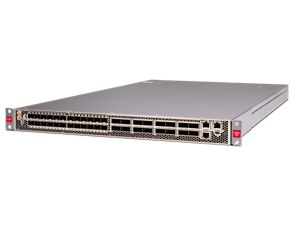
With extra memory and storage, these enhanced NPBs run Keysight's AI security and performance monitoring software and AI stack.
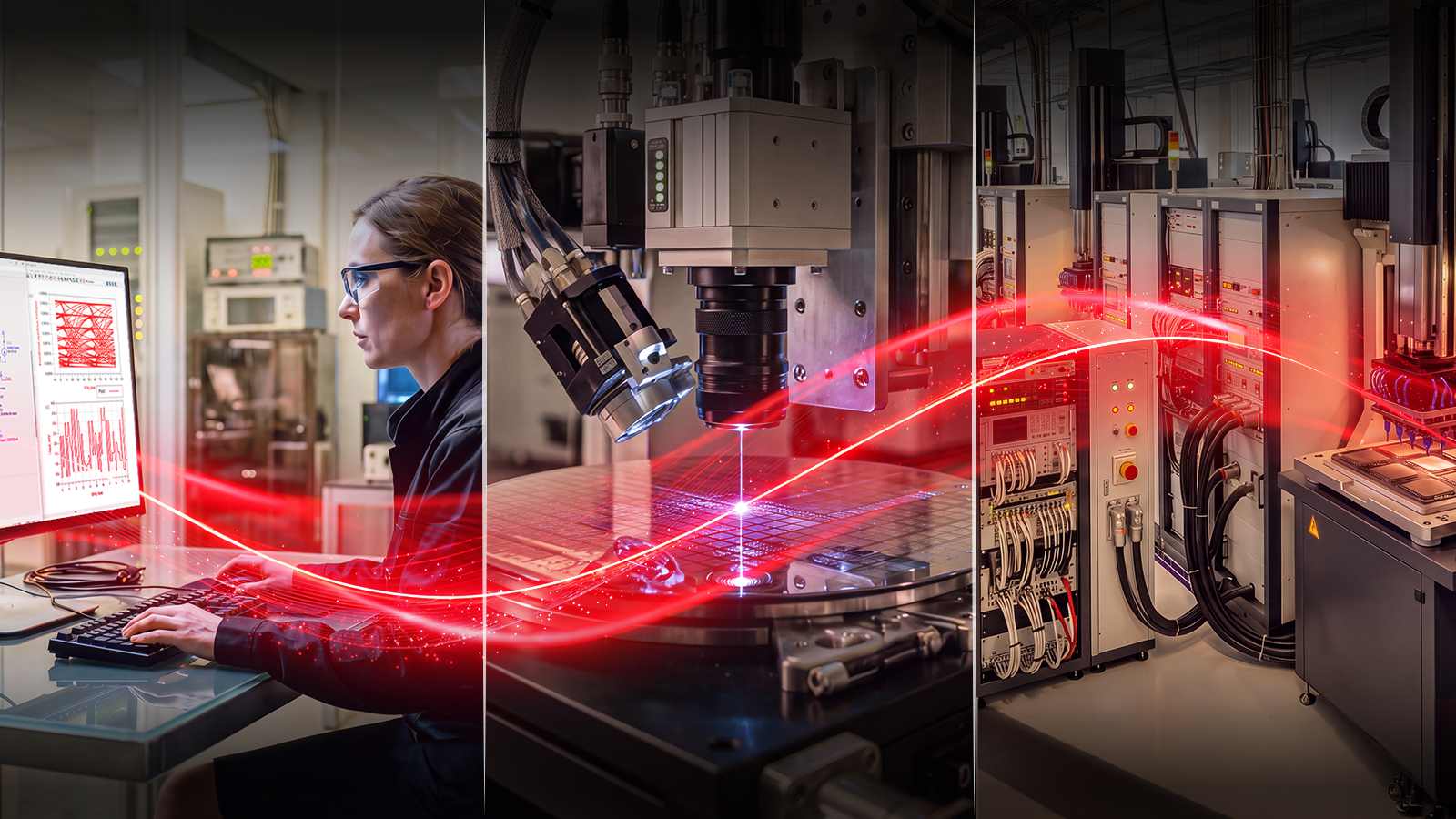
Explore end-to-end workflows spanning IC design, validation, wafer test, and photonics.
Explore curated support plans, prioritized to keep you innovating at speed.
Maximize accuracy and performance with precision accessories engineered for Keysight instruments.
Save up to 50% on our latest instruments with eligible Keysight or competitor trade-ins.
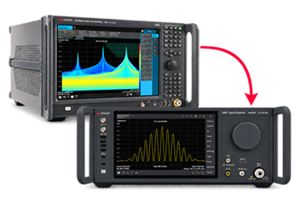
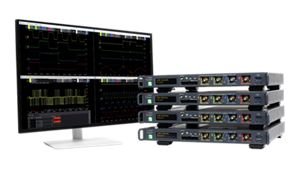
Four channels per 1U of rack space, up to 1 GHz bandwidth, and multi-oscilloscope synchronization.
Purpose-built solutions engineered for the design and test challenges unique to your industry.
Use Cases mapped to every stage of your product lifecycle, from design through operations.
Success Stories
Authoritative application notes, data sheets, reference designs, and test procedures to accelerate design and validation decisions.
Hands‑on bootcamps that teach system design, test methods, and production workflows engineers can apply immediately.
Learning Hub
Explore methodologies, test strategies, and technical resources for designing, validating, and scaling AI systems and networks.
Quick access to the most frequent support related self-help tasks.
Additional content to support your product needs.
Explore services to accelerate every step of your innovation journey.
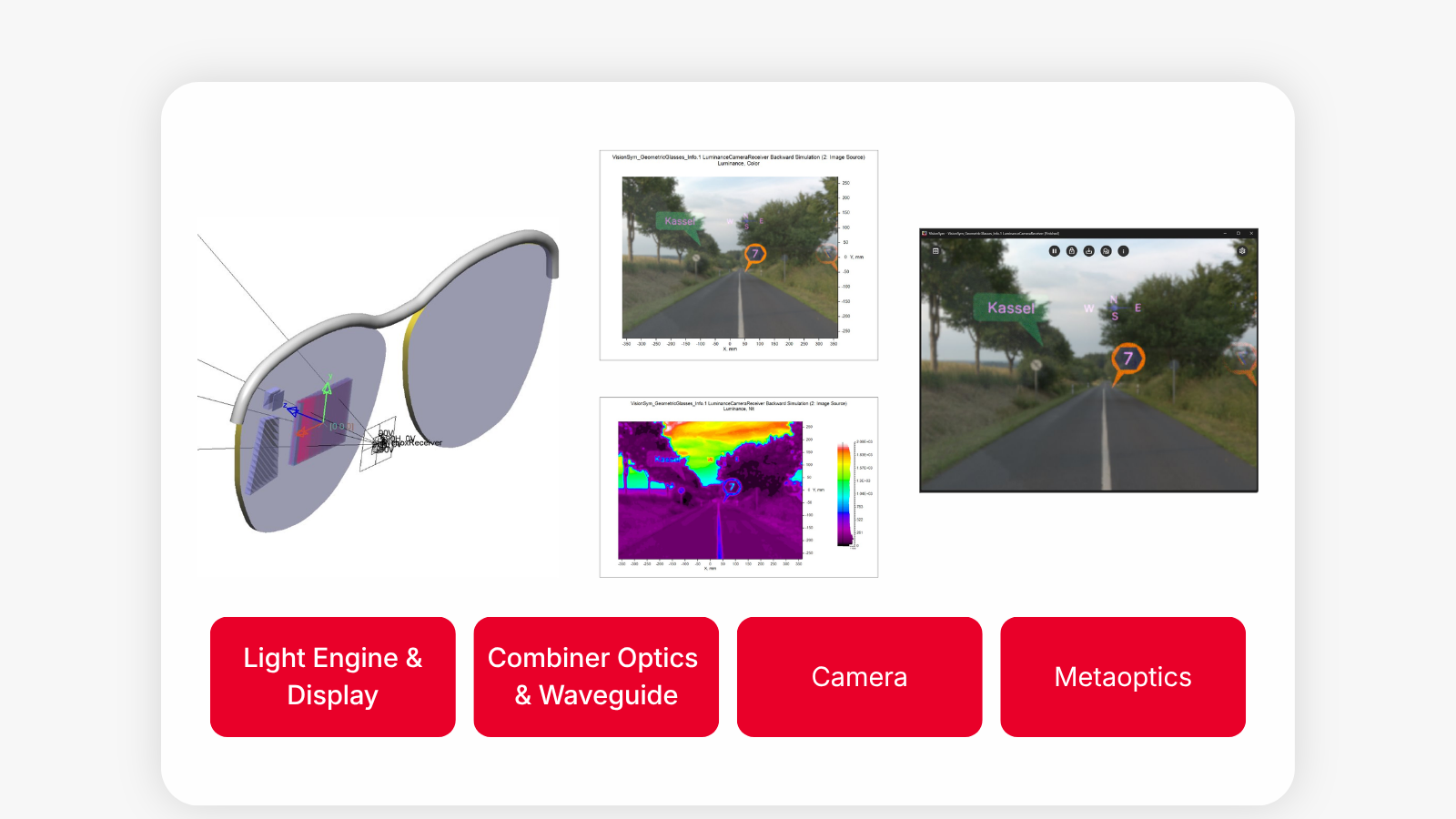
Integrated optical engineering solutions for waveguides, display engines, imaging optics, and sensing subsystems.
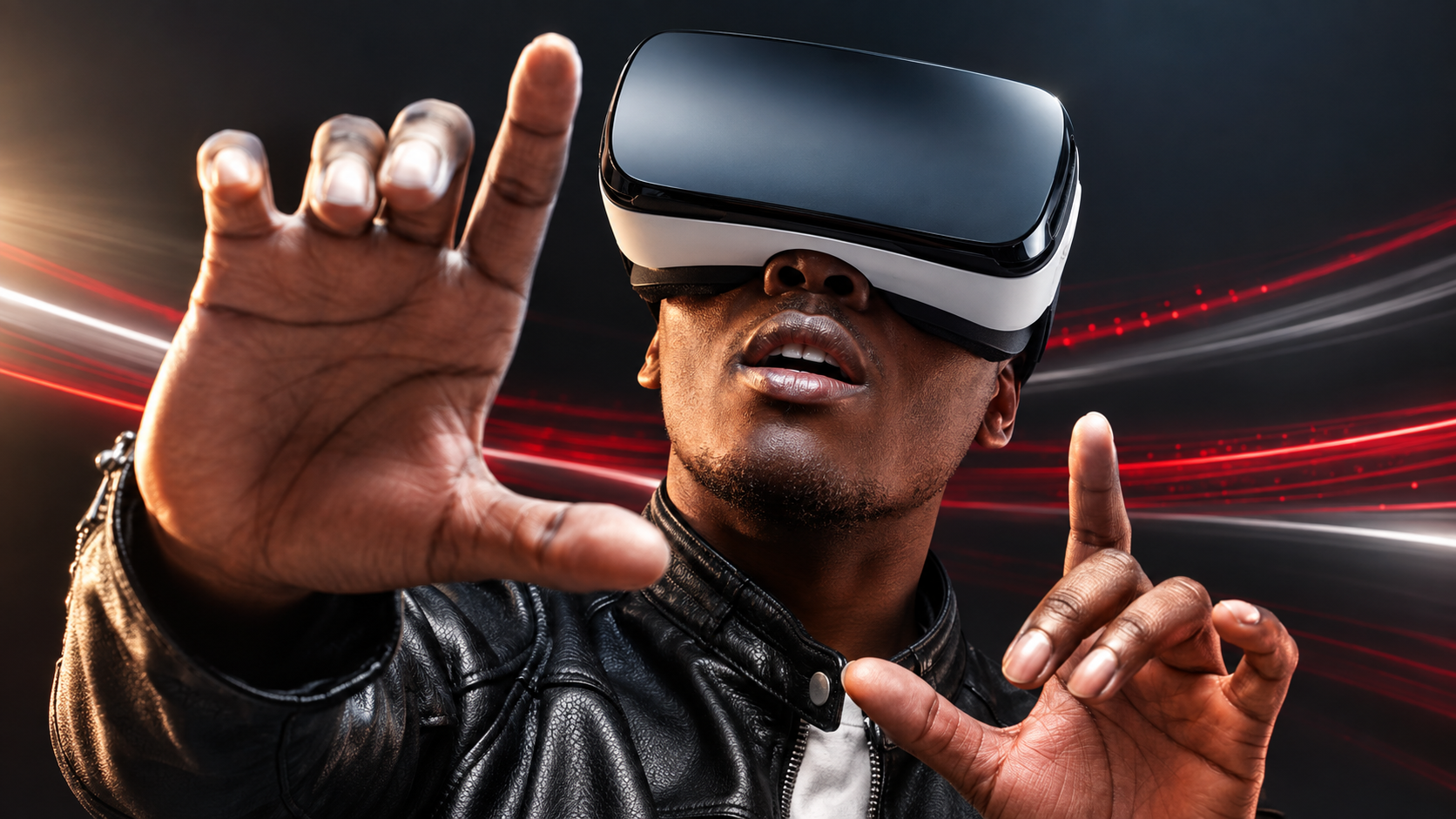
Design, simulate, and optimize near-eye display (NED) systems for immersive and spatial computing applications. Keysight solutions support the development of display engines, waveguides, imaging optics, and sensing subsystems that power next-generation AR and VR devices.
Applications include microLED technologies, holographic and diffractive optical elements (HOEs/DOEs), metalenses, and eye-, head-, and gesture-tracking systems.
Creating compelling near-eye display experiences requires the integration of optics, photonics, displays, sensors, and system-level simulation. Engineers must balance image quality, brightness, field of view, form factor, manufacturability, and user experience while accelerating development timelines.
Design and optimize microLED display engines and photonic components used in near-eye display systems. Evaluate optical performance, efficiency, and light extraction to support immersive visual experiences.
Design imaging optics that efficiently relay light from the display engine to the user's eye while balancing image quality, brightness, and form factor.
Analyze light propagation within display engines and evaluate the impact of polarization, scattering, and non-ideal optical components on visual performance.
Develop imaging optics that couple light into near-eye display systems and optimize performance across the complete optical architecture.
Analyze light propagation through waveguides and combiner optics while evaluating optical efficiency, uniformity, and stray light.
Design diffractive gratings and waveguide structures for near-eye display systems. Model diffraction behavior and optimize coupling efficiency for advanced NED architectures.
Develop camera and sensing optics for eye-tracking systems while optimizing image quality, manufacturability, and optical performance.
Design and evaluate infrared illumination systems used for eye tracking and sensing. Analyze system performance and identify potential sources of optical interference.
Design CMOS image sensor structures and photonic devices used in eye tracking and sensing applications.
Near-eye display systems combine display technologies, optics, waveguides, and sensing subsystems that must work together to deliver an immersive visual experience. Engineers often need to evaluate image quality, light propagation, optical efficiency, tracking performance, and manufacturability as part of a single development process.
Display Engine → Combiner Optics → Eye Tracking → System Validation
Developing near-eye display systems requires expertise across display optics, waveguides, eye tracking, illumination, image quality, and system integration. Keysight's Optical Engineering Services team supports organizations facing complex design challenges, aggressive schedules, or limited internal resources.
From waveguide optimization and stray light analysis to eye-tracking systems and optical validation, our engineers help teams evaluate and improve AR/VR optical system performance throughout development.
Engineers developing the next generation of spatial computing devices are increasingly exploring metalenses and metasurfaces as alternatives to conventional optical components. These technologies can enable new optical functions while helping reduce system size, weight, and complexity.
MetaOptic Designer streamlines the development of metalenses through automated inverse-design workflows that generate optimized layouts based on performance objectives. Engineers can rapidly evaluate concepts, create fabrication-ready designs, and explore advanced optical architectures without manually building every metasurface structure from the ground up.
Join Keysight for an exploration of integrated simulation workflows and how they can accelerate innovation from the initial design concept to system validation using our optical design solutions. Learn how today's leading development teams are leveraging our optical modeling, virtual prototyping, and digital engineering technologies to reduce design risk, shorten development cycles, and bring next-generation XR experiences to market faster.
blogs
blogs
blogs
blogs
Visão Geral Técnica
White Papers
Near-eye display systems combine display engines, waveguides, imaging optics, and sensing technologies to create virtual images that are comfortable, bright, and easy to see. Engineers must balance image quality, field of view, optical efficiency, eye box size, and overall system performance throughout the design process.
Waveguide systems often require engineers to address optical efficiency, image uniformity, stray light, chromatic artifacts, eye box limitations, and manufacturability. These challenges become increasingly important as display performance and form-factor requirements continue to evolve.
Simulation helps engineers evaluate optical architectures, analyze light propagation, optimize display performance, and identify potential issues before physical prototypes are built. This enables faster design iterations and more informed engineering decisions.
Near-eye display systems may incorporate microLED display engines, waveguides, holographic optical elements (HOEs), diffractive optical elements (DOEs), metalenses, and eye-tracking sensors depending on the device architecture and application.
Stray light can originate from unwanted propagation paths, diffraction effects, reflections, and waveguide geometry. Advanced analysis techniques help engineers identify the sources of stray light and optimize designs to improve visual quality.
Design, simulate, and optimize waveguides, display engines, imaging optics, and sensing subsystems with integrated optical engineering solutions for near-eye display development.
O que você está procurando?