











- Überblick
- Alle Modelle
- Unterstützung
Integrierte Plattformen für hochpräzise Seitenkanalanalyse
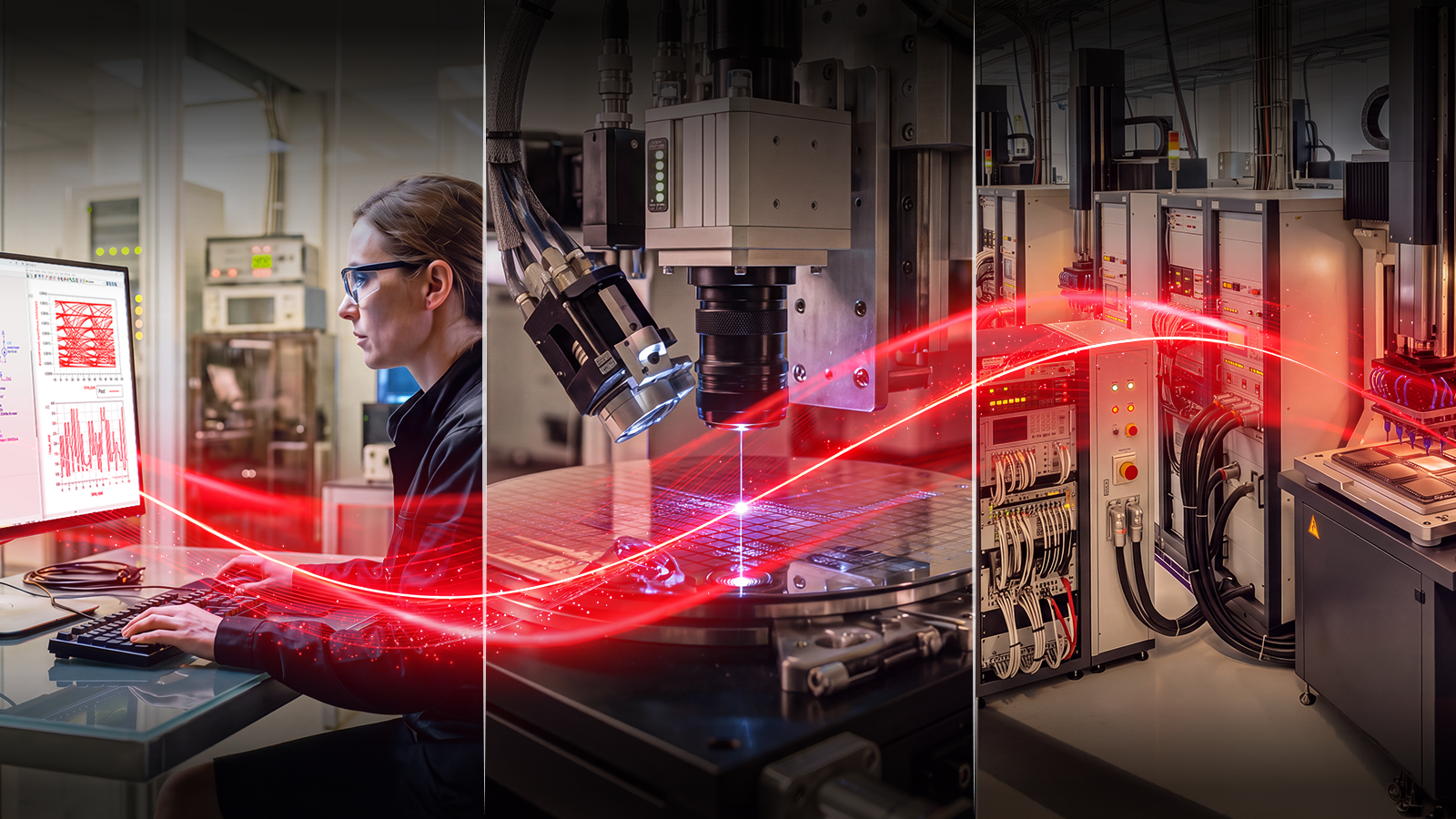
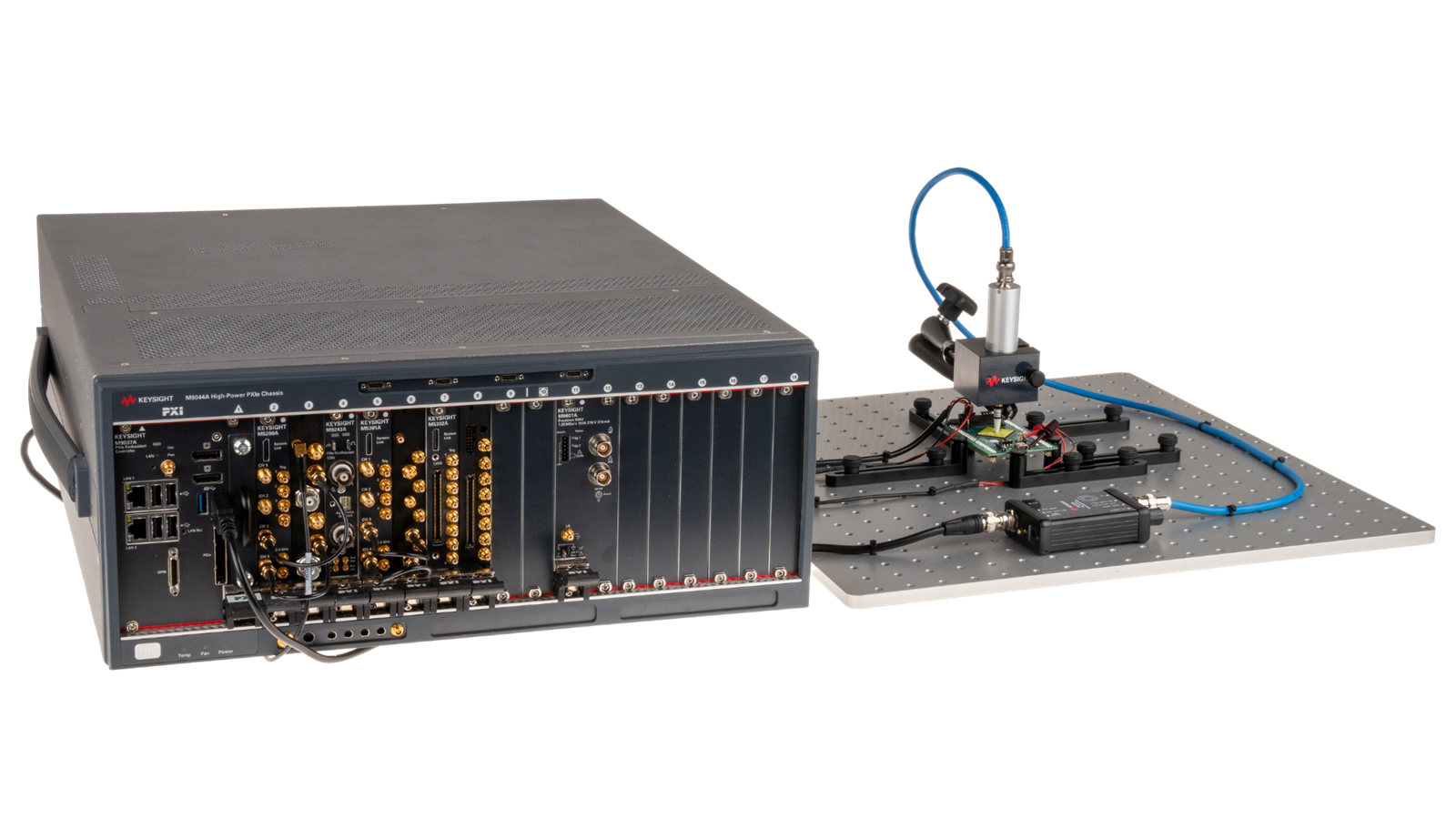
Die Embedded Security Testbench bietet eine einheitliche Plattform für die Durchführung fortschrittlicher Seitenkanalanalysen und Fehlereinschleusungstests. Basierend auf einer skalierbaren PXI-Architektur vereint sie Mess-, Synchronisations-, Trigger- und Steuerungsfunktionen in einer einzigen integrierten Umgebung und ermöglicht Sicherheitsteams so die präzisere und effizientere Durchführung komplexer Testabläufe.
Da eingebettete Systeme immer schneller und komplexer werden, erfordern Sicherheitsbewertungen eine präzisere Zeitsteuerung, einen höheren Datendurchsatz und eine verbesserte Reproduzierbarkeit. Die Testumgebung begegnet diesen Herausforderungen, indem sie eine gemeinsame Grundlage bietet, die Hardware, Software und Messtechnik über den gesamten Testablauf hinweg synchronisiert. So können Ingenieure Messungen erfassen, Trigger generieren, digitale Schnittstellen koordinieren und Sicherheitskampagnen von einer einzigen Plattform aus durchführen.
Die modulare Architektur ermöglicht es Unternehmen, mit den heute benötigten Funktionen zu beginnen und diese bei Bedarf an wachsende Testanforderungen anzupassen. Ob Leistungsanalyse, elektromagnetische Analyse oder fortgeschrittene Sicherheitsforschung – die Plattform passt sich durch konfigurierbare PXI-Module an, die Triggerung, Wellenformgenerierung und digitale Steuerung hinzufügen, ohne dass Änderungen am Kernsystem erforderlich sind.
Zusammen bieten der DS1050A Embedded Security Testbench, der DS1060A Pattern-Based Trigger Generator, der DS1070A Glitch Pattern Generator und die DS1071A Digital I/O-Lösung eine flexible Grundlage für den Aufbau wiederholbarer, skalierbarer und zukunftssicherer Gerätesicherheitstestumgebungen.
Zentralisierung der Sicherheitstests
Messung, Synchronisierung, Triggerung und Steuerung werden in einer einzigen integrierten Plattform zusammengeführt.
Skalierung mit sich ändernden Anforderungen
Beginnen Sie mit einer fokussierten Konfiguration und erweitern Sie die Möglichkeiten durch modulare PXI-Instrumentierung.
Verbesserung der Zeitgenauigkeit
Messungen und Sicherheitsereignisse mit präziser und wiederholbarer Zeitmessung im gesamten Testaufbau koordinieren.
Aktivieren Advanced Arbeitsabläufe
Unterstützung komplexer Seitenkanalanalysen und Fehlereinspeisungskampagnen durch synchronisierte Hardware- und Softwaresteuerung.
-
Memory
64 GB
-
Product type
Embedded security testbench
-
Technology
Device Security
Beliebteste Konfigurationen
Testbench für eingebettete Sicherheit
Entdecken
Build Your Device Security Test LabWebinar
Die Entwicklung der Gerätesicherheit
Entdecken
Eingebettete Sicherheitstestumgebung PXI-basiert
Dienstleistungen und Support
Innovieren Sie im Handumdrehen mit maßgeschneiderten Supportplänen und priorisierten Reaktions- und Bearbeitungszeiten.
Profitieren Sie von planbaren, leasingbasierten Abonnements und umfassenden Lifecycle-Management-Lösungen – damit Sie Ihre Geschäftsziele schneller erreichen.
Als KeysightCare-Abonnent profitieren Sie von einem erweiterten Service mit zuverlässiger technischer Unterstützung und vielem mehr.
Stellen Sie sicher, dass Ihr Testsystem den Spezifikationen entspricht und sowohl lokale als auch globale Standards erfüllt.
Schnelle Messungen dank hauseigener, von Ausbildern geleiteter Schulungen und E-Learning.
Laden Sie die Keysight-Software herunter oder aktualisieren Sie Ihre Software auf die neueste Version.
Häufig gestellte Fragen
Die Embedded Security Testbench ist eine einheitliche Plattform zur Durchführung von Seitenkanalanalysen (SCA) und Fehlereinspeisungstests (FI) auf eingebetteten Systemen. Sie unterstützt Sicherheitsexperten bei der Beurteilung, ob durch Strom-, elektromagnetische, Timing- oder andere physikalische Leckagen sensible Informationen offengelegt werden können und ob induzierte Fehler die Gerätesicherheit oder kryptografische Implementierungen gefährden können.
Seitenkanalanalysen erfordern häufig das präzise Zusammenspiel mehrerer Messgeräte. Ein spezieller Testaufbau unterstützt die Synchronisierung von Messungen, Triggern und Geräteinteraktionen und verbessert so Wiederholbarkeit, Effizienz und Datenqualität.
Die Seitenkanalanalyse ist eine passive Technik, die physikalische Leckagen wie Leistungsaufnahme, elektromagnetische Emissionen oder Zeitverhalten beobachtet, um auf sensible Informationen zu schließen. Die Fehlerinjektion ist eine aktive Technik, bei der ein Gerät durch Spannungs-, Takt-, elektromagnetische oder optische Fehler gezielt gestört wird, um ein anormales Verhalten hervorzurufen, das Schwachstellen aufdecken kann. Die Embedded Security Testbench unterstützt beide Methoden innerhalb einer einzigen Plattform.
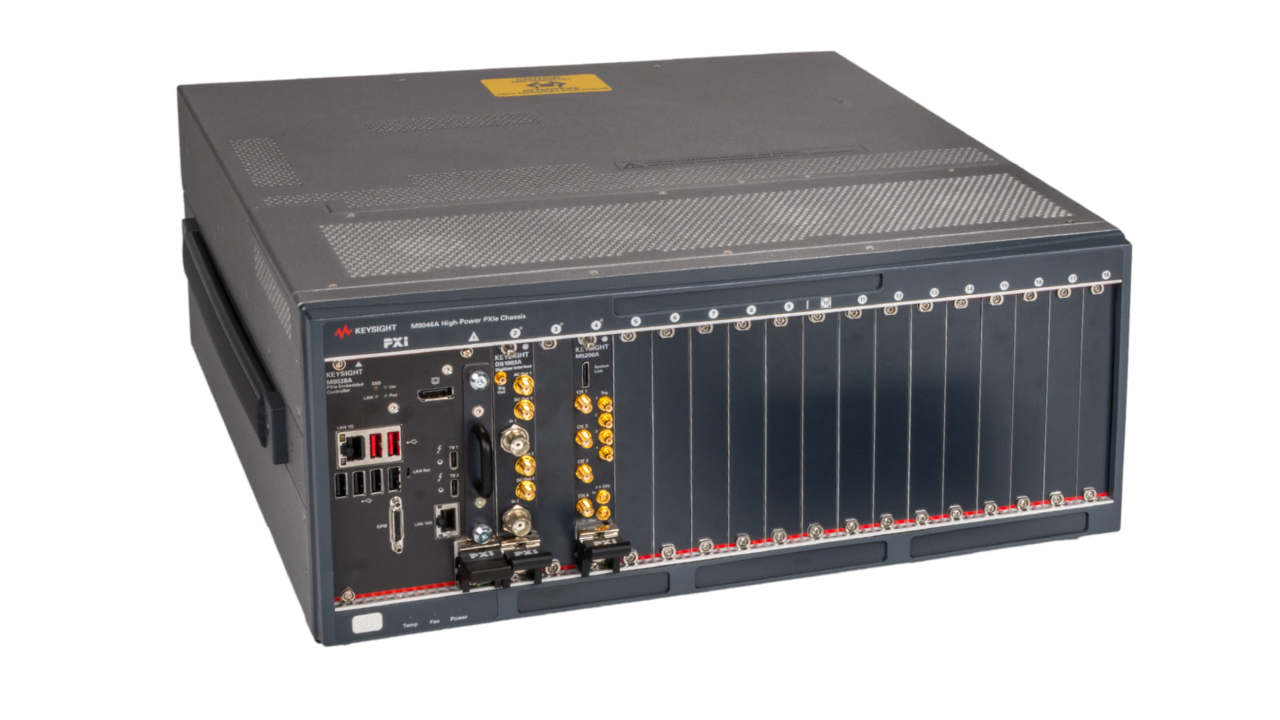
Der DS1050A dient als Grundlage der Plattform und stellt das PXI-Chassis und die Controller-Umgebung bereit, die Hardware-Module, Software und Instrumentierung in ein synchronisiertes Testsystem integriert.
Ja. Die modulare PXI-Architektur ermöglicht es Anwendern, mit den Funktionen zu beginnen, die sie heute benötigen, und bei Bedarf weitere Module hinzuzufügen, wenn sich die Testanforderungen ändern.
Nein. Dank des modularen Designs können Sie mit der DS1050A-Kernplattform beginnen und je nach Ihren wachsenden Testanforderungen den DS1060A Pattern-Based Trigger Generator, den DS1070A Glitch Pattern Generator oder das DS1071A Digital I/O-Modul hinzufügen.
Die Plattform unterstützt Sicherheitsbewertungen über eine Vielzahl von Embedded-Geräten hinweg, darunter:
- Sicherheitselemente
- Smartcards
- Mikrocontroller
- System-on-Chip (SoC)-Geräte
- FPGAs
- Eingebettete Prozessoren
Die Synchronisierung gewährleistet, dass Messungen, Trigger und Geräteaktivitäten koordiniert ablaufen. Dies verbessert die Ausrichtung der Messkurven, reduziert die zeitliche Abweichung zwischen den Messungen und erhöht die Genauigkeit und Wiederholbarkeit der Ergebnisse der Seitenkanalanalyse.
PXI (PCI eXtensions for Instrumentation) ist eine modulare Test- und Messplattform, die den Betrieb mehrerer Instrumente in einem einzigen synchronisierten System ermöglicht. Anstatt separate, eigenständige Instrumente anzuschließen, integriert PXI Triggerung, Steuerung, Datenerfassung und -verarbeitung in eine einheitliche Architektur.
Für Sicherheitstests von Geräten ermöglicht dies das hochpräzise Zusammenwirken von Messmodulen, Triggergeneratoren, Signalgeneratoren und digitalen I/O-Modulen mit zentralisierter Steuerung. Das Ergebnis sind verbesserte Synchronisation, höhere Wiederholgenauigkeit und die Flexibilität, die Testumgebung bei sich ändernden Anforderungen zu erweitern, ohne die Kernplattform austauschen zu müssen.
Ja. Die Plattform ist so konzipiert, dass sie automatisierte Arbeitsabläufe unterstützt und es Benutzern ermöglicht, wiederholbare Experimente durchzuführen, komplexe Testkampagnen zu automatisieren und Sicherheitsbewertungen über mehrere Geräte und Projekte hinweg zu skalieren.
Die Embedded Security Testbench dient als zentrale Grundlage einer Testumgebung für die Gerätesicherheit. Sie synchronisiert Erfassungshardware, Triggersysteme, digitale Schnittstellen und Softwaretools und ermöglicht es Ingenieuren, wiederholbare Seitenkanalanalysen und Fehlereinspeisungstests von einer einzigen integrierten Plattform aus durchzuführen.