











- Überblick
- Alle Modelle
- Unterstützung
Optische Fehlereinspeisung für jede Auswertung optimieren
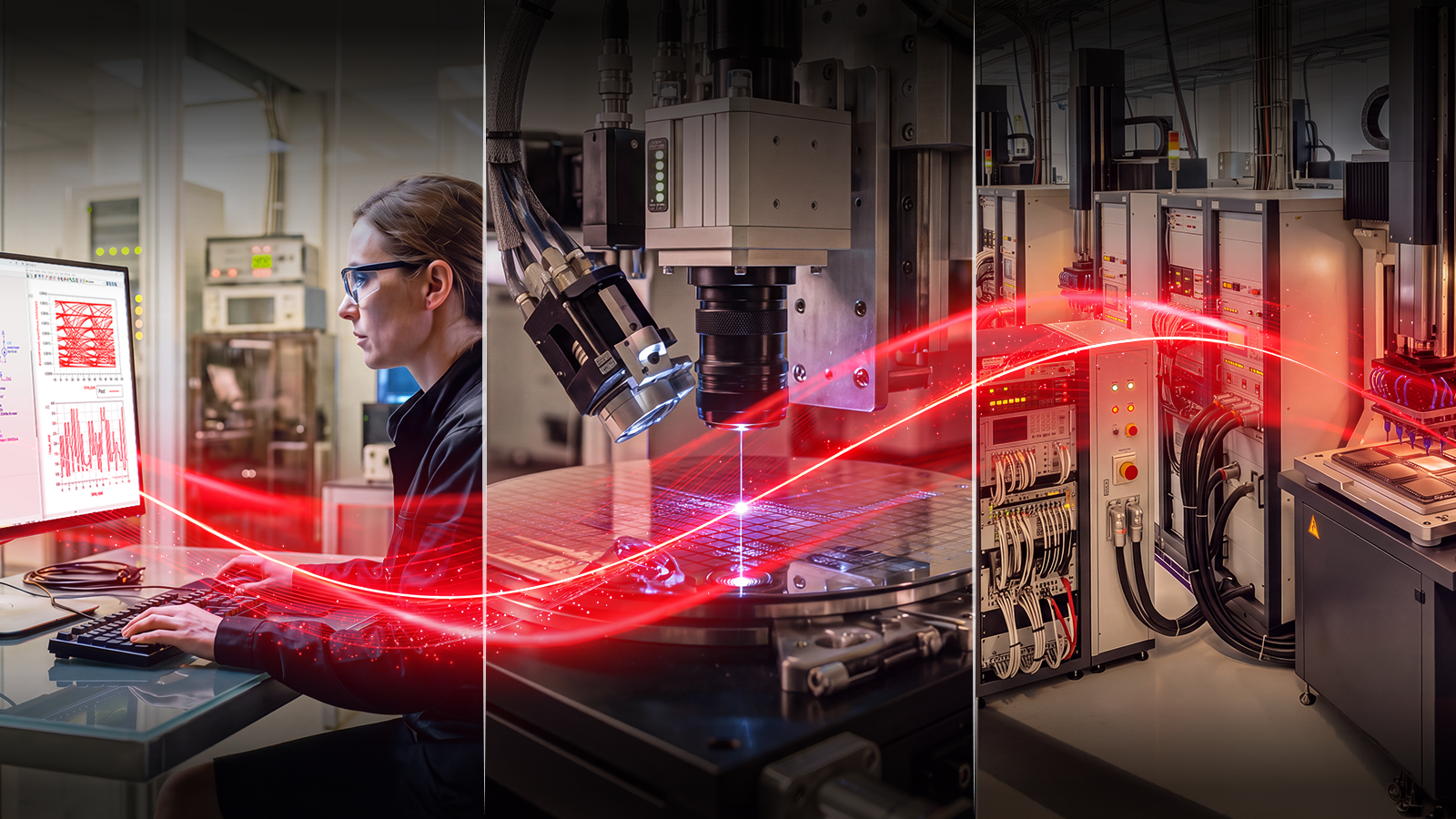
Laserquellen bilden das Herzstück der optischen Fehlerinjektion und liefern die Energie, die zur gezielten Erzeugung von Fehlern in Halbleiterbauelementen benötigt wird. Durch die Wahl der geeigneten Wellenlänge, Leistung, Pulscharakteristik und Spotgröße können Sicherheitsexperten spezifische Gerätetechnologien, Angriffsflächen und Bewertungsziele anvisieren. Verschiedene Lasertechnologien bieten einzigartige Vorteile – von der schnellen, chipweiten Abtastung und Schwachstellenerkennung bis hin zur hochlokalisierten Fehlerinjektion und der detaillierten Ursachenanalyse.
Optimierung für verschiedene Gerätetechnologien
Ausgewogene Abdeckung und Präzision
Präzise und reproduzierbare Fehler erzeugen
Unterstützung Advanced Optische Sicherheitsbewertungen
Ermöglichen Sie eine breite Palette von Fehlereinschleusungsmethoden, von der Schwachstellenforschung und der Validierung von Gegenmaßnahmen bis hin zu zertifizierungsorientierten Tests.
-
Wavelength
445 nm, 532 nm, 1064 nm, 980 nm, 808 nm
-
Maximum frequency
50 MHz bis 250 MHz
-
Product type
Multimode fault injection laser, Diode pumped solid state fault injection laser, Single mode diode fault injection laser
-
Technology
Device Security
Beliebteste Konfigurationen
1064 nm Multimode-Fehlerinjektionslaser
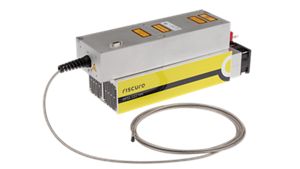

532 nm Diodengepumpter Festkörper-Fehlerinjektionslaser
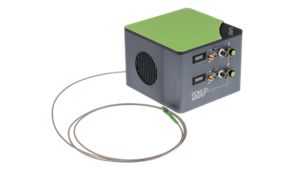

980 nm Single-Mode-Dioden-Fehlerinjektionslaser
Dienstleistungen und Support
Innovieren Sie im Handumdrehen mit maßgeschneiderten Supportplänen und priorisierten Reaktions- und Bearbeitungszeiten.
Profitieren Sie von planbaren, leasingbasierten Abonnements und umfassenden Lifecycle-Management-Lösungen – damit Sie Ihre Geschäftsziele schneller erreichen.
Als KeysightCare-Abonnent profitieren Sie von einem erweiterten Service mit zuverlässiger technischer Unterstützung und vielem mehr.
Stellen Sie sicher, dass Ihr Testsystem den Spezifikationen entspricht und sowohl lokale als auch globale Standards erfüllt.
Schnelle Messungen dank hauseigener, von Ausbildern geleiteter Schulungen und E-Learning.
Laden Sie die Keysight-Software herunter oder aktualisieren Sie Ihre Software auf die neueste Version.
Häufig gestellte Fragen
Eine Laserquelle erzeugt die optische Energie, die zur gezielten Erzeugung von Fehlern in einem Halbleiterbauelement verwendet wird. Sie bestimmt wichtige Angriffseigenschaften wie Wellenlänge, Leistung, Spotgröße, Pulsdauer und Zeitgenauigkeit, die alle die Effektivität einer Fehlereinspritzungsanalyse beeinflussen.
Unterschiedliche Halbleitertechnologien, Gehäusetypen und Evaluierungsziele erfordern unterschiedliche Lasereigenschaften. Einige Laserquellen sind für die schnelle Erkennung von Schwachstellen auf einem gesamten Chip optimiert, während andere die nötige Präzision für die gezielte Suche nach spezifischen Schaltungsbereichen bieten.
Die optimale Laserquelle hängt von mehreren Faktoren ab, darunter:
- Gerätetechnologie
- Zugang von der Vorder- oder Rückseite
- Erforderliche Angriffspräzision
- Gewünschter Fehlermechanismus
- Ziele der Sicherheitsbewertung
Das Keysight Device Security Team kann Ihnen dabei helfen, die am besten geeignete Wellenlänge und Lasertechnologie für Ihr Zielgerät zu ermitteln.
Die Wellenlänge beeinflusst die Wechselwirkung von Laserenergie mit Halbleitermaterialien und deren Eindringtiefe. Kürzere Wellenlängen werden typischerweise nahe der Oberfläche absorbiert und eignen sich daher gut für Angriffe von der Vorderseite. Längere, nahinfrarote Wellenlängen können tiefer in Silizium eindringen und ermöglichen so Angriffe von der Rückseite.
Die Wahl der geeigneten Wellenlänge für Ihren Zugangspunkt und Gehäusetyp hat direkten Einfluss auf die Zielgenauigkeit, die Effektivität bei der Fehlerbehebung und den Gesamterfolg der Auswertung.
Front-Side-Angriffe zielen auf die Oberseite des Halbleiterchips ab, wo sich die Metallverbindungsschichten und die Schaltkreise befinden.
Angriffe von der Rückseite zielen durch das Siliziumsubstrat von unterhalb des Chips auf das Bauelement ab. Diese Methode wird häufig bevorzugt, wenn Metallisierungsschichten auf der Vorderseite den Zugriff auf sicherheitskritische Schaltkreise behindern oder wenn Gehäusebeschränkungen den Zugriff von der Vorderseite erschweren.
Die geeignete Vorgehensweise hängt von der Halbleitertechnologie, dem Gehäuseaufbau und den Bewertungszielen ab.
Multimode-Laser erzeugen typischerweise größere Spotgrößen und eine höhere optische Leistung, wodurch sie sich gut für schnelles Scannen, Fehlererkennung und umfassende Chipcharakterisierung eignen.
Einmodenlaser erzeugen deutlich kleinere und fokussiertere Lichtpunkte, was eine hochgradig lokalisierte Fehlereinspeisung und die detaillierte Untersuchung einzelner Schaltungsbereiche ermöglicht.
DPSS-Laser (Diodengepumpte Festkörperlaser) erzeugen Pulse mit hoher Spitzenleistung und stabilen Pulseigenschaften. Sie werden häufig für anspruchsvolle Fehlerinjektionskampagnen eingesetzt, die eine konstante Energiezufuhr und hochgradig reproduzierbare Ergebnisse erfordern, insbesondere wenn höhere Pulsenergien benötigt werden.
Die Spotgröße bestimmt den Bereich des Geräts, der vom Laserstrahl anvisiert wird.
Ein größerer Bereich kann die Schwachstellenerkennung und umfassende Charakterisierung vereinfachen, da er einen größeren Bereich des Chips betrifft. Ein kleinerer Bereich ermöglicht eine hochlokalisierte Fehlerinjektion und eine präzisere Ansteuerung einzelner Schaltungselemente.
Viele Auswertungen beginnen mit einer größeren Spotgröße, um empfindliche Bereiche zu identifizieren, und gehen dann zu einer kleineren Spotgröße über, um die genauen Schaltkreise zu isolieren, die für das beobachtete Verhalten verantwortlich sind.
Eine erfolgreiche Fehlereinspeisung hängt oft davon ab, ein Gerät zu einem ganz bestimmten Zeitpunkt zu stören, beispielsweise während eines bestimmten Taktzyklus oder einer Sicherheitsprüfung.
Laserquellen mit kurzen Pulsdauern, geringem Timing-Jitter und präzisen Trigger-Laser-Verzögerungen ermöglichen es Ingenieuren, den Zeitpunkt des Auftretens eines Fehlers exakt zu steuern. Dies verbessert die Wiederholbarkeit von Angriffen, trägt zur Reproduktion erfolgreicher Fehlerzustände bei und erhöht das Vertrauen in die Auswertungsergebnisse.
Die ideale Laserquelle hängt von der Zieltechnologie, den Bewertungszielen und dem erforderlichen Präzisionsgrad ab.
Manche Anwender legen Wert auf die Erkennung umfassender Fehler, während andere von Anfang an eine hochgradig lokalisierte Analyse benötigen. Ein gängiges Vorgehen besteht darin, zunächst mit einer leistungsstärkeren Lichtquelle und einem größeren Fokusdurchmesser zu arbeiten, um empfindliche Bereiche zu identifizieren, und anschließend eine fokussiertere Laserquelle für detaillierte Untersuchungen und die Ursachenanalyse einzusetzen.
Das Keysight Device Security Team kann Ihnen bei der Auswahl der am besten geeigneten Laserquelle und Systemkonfiguration für Ihre Evaluierung behilflich sein.
Ja. Fehlerinjektionslaser können mit Leistungspegeln arbeiten, die geeignete Laserschutzverfahren und -ausrüstung erfordern.
Keysight bietet speziell entwickelte Sicherheitslösungen, die optimal mit den Laser-Fehlerinjektionssystemen von Keysight zusammenarbeiten. Das Keysight-Team für Gerätesicherheit berät Sie gerne hinsichtlich der passenden Sicherheitskonfiguration für Ihre Laborumgebung und Ihren Testaufbau.