Choose a country or area to see content specific to your location
O que você está procurando?
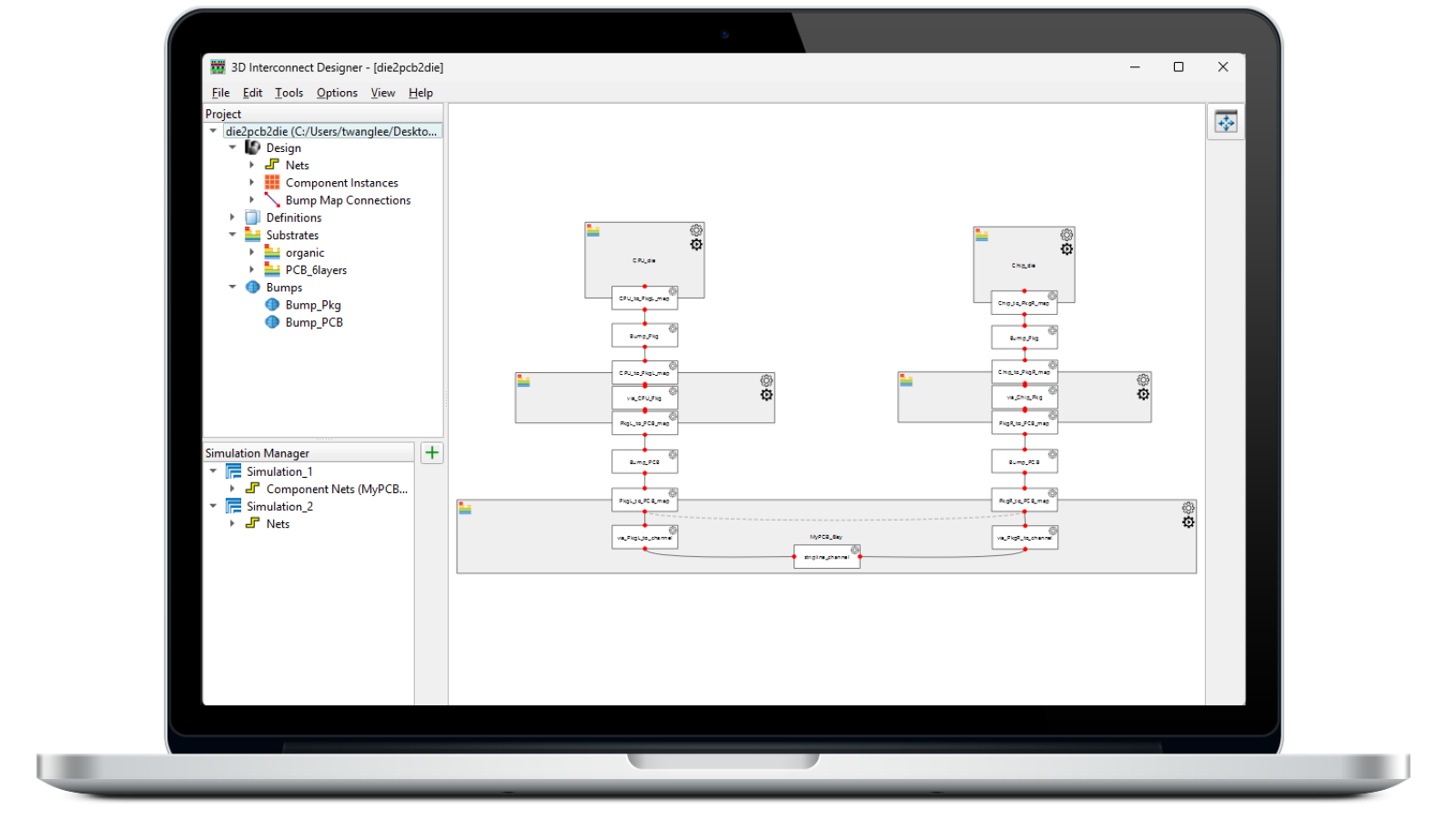
Design, model, and validate complex 3D interconnect architectures with a powerful standalone design environment.
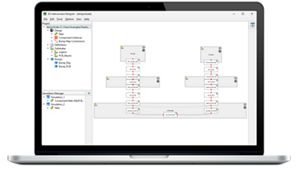
Automate transmitter and receiver validation across next-generation I/O, memory, and fabric interfaces.
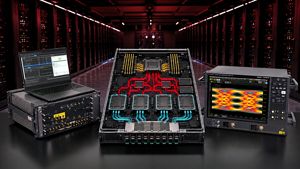
Strengthen 1.6T network reliability for AI-scale workloads from transceivers to interconnects.

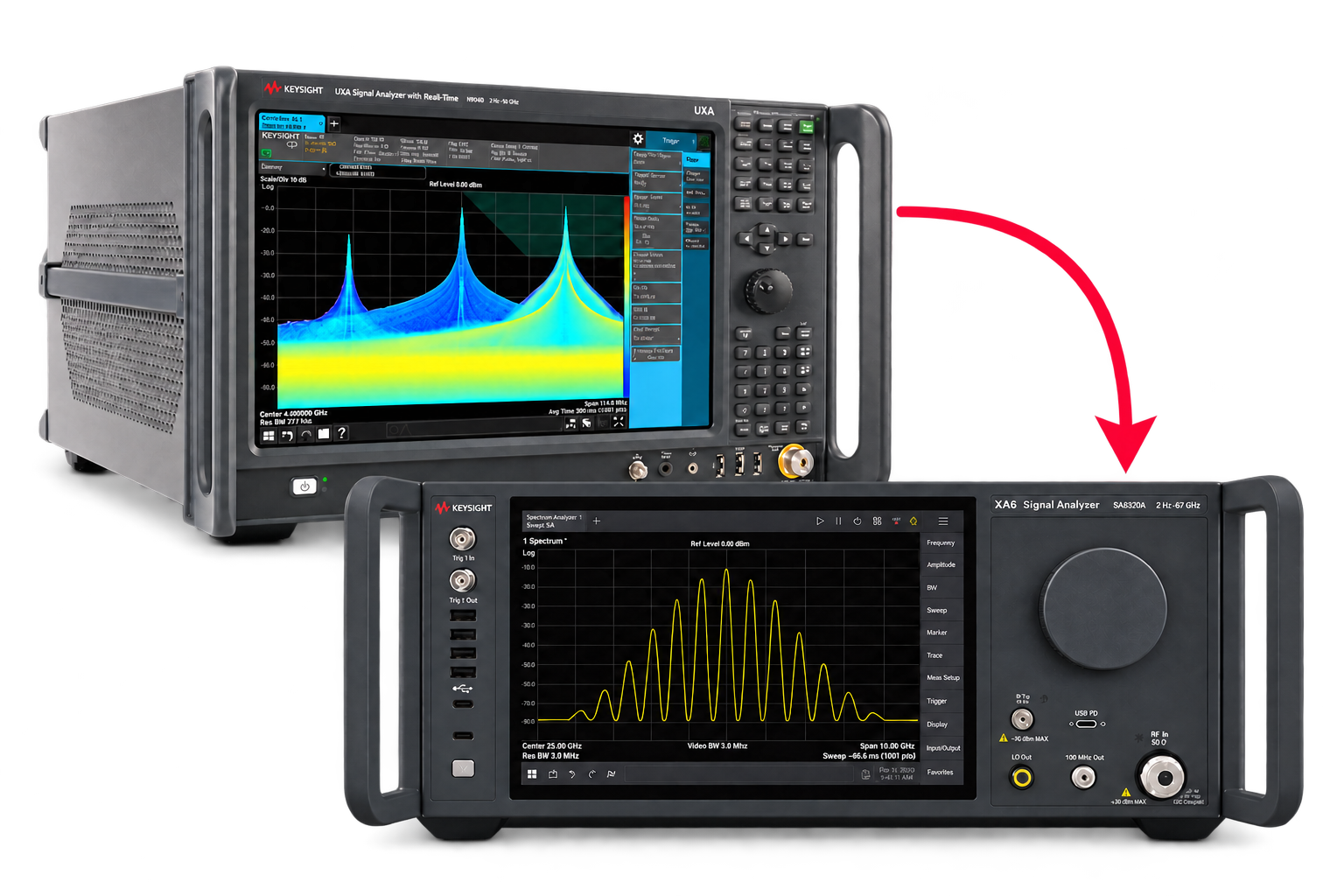
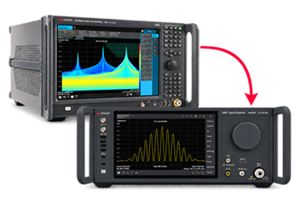
Pair Keysight VSA software with the new XA5 signal analyzer for advanced visualization, demodulation, and analysis — start your 30-day trial today.
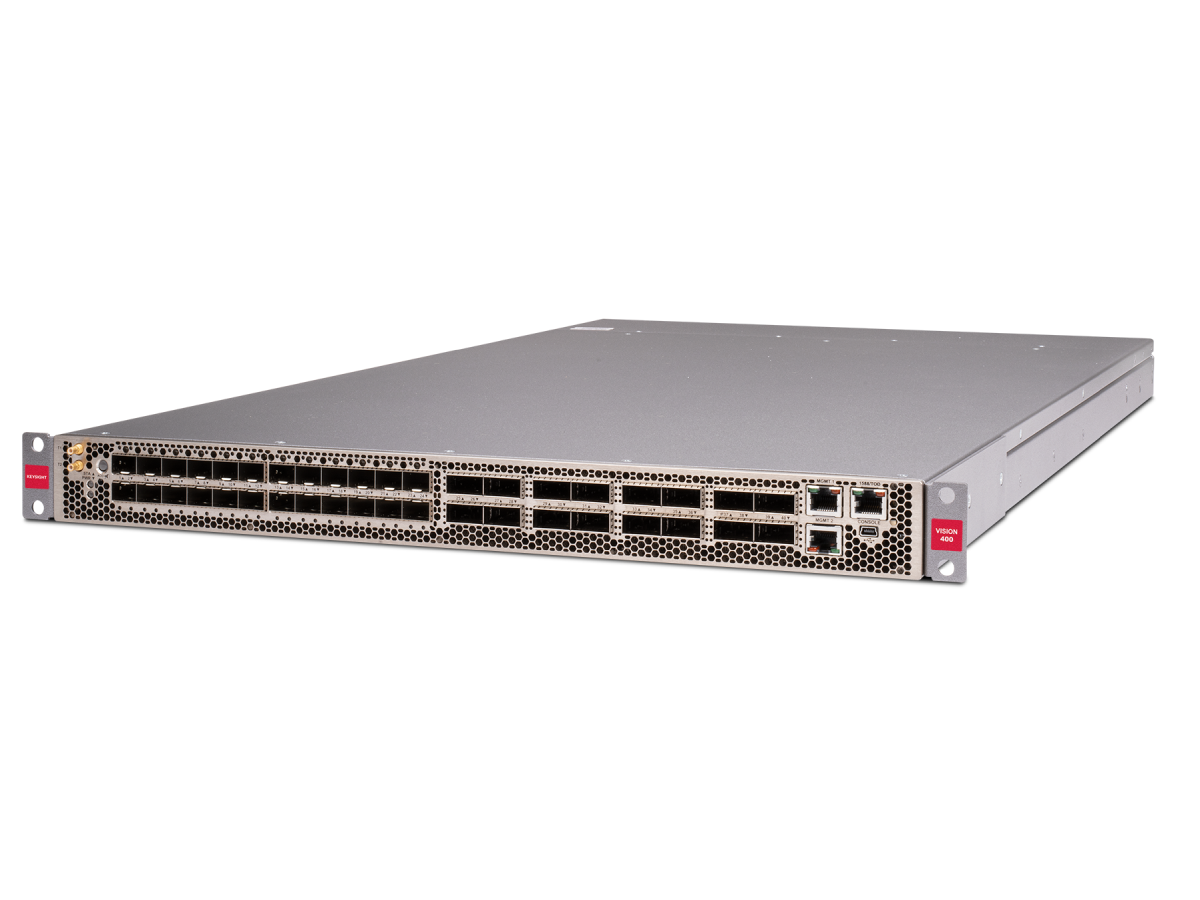
With extra memory and storage, these enhanced NPBs run Keysight's AI security and performance monitoring software and AI stack.
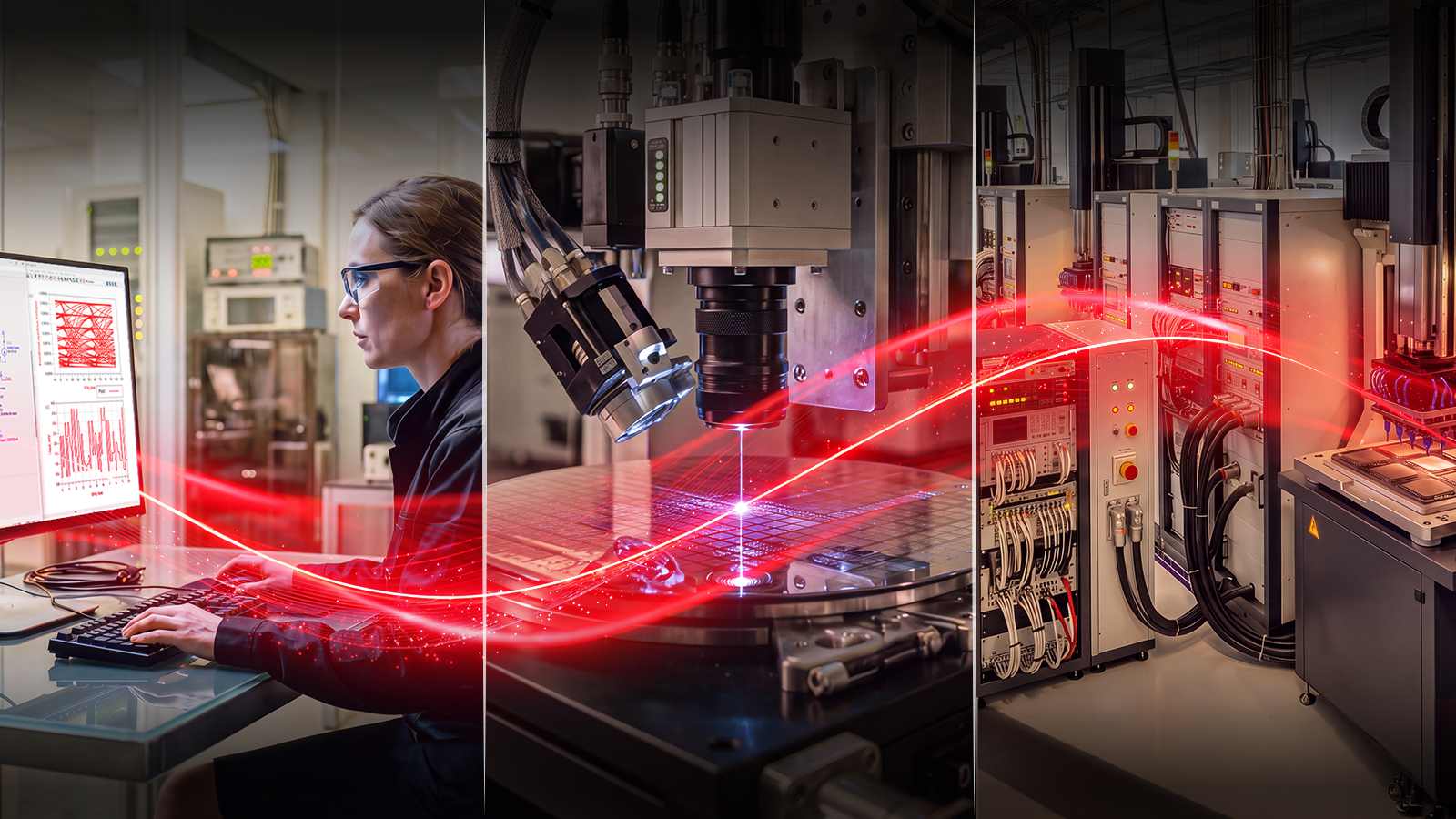
Explore end-to-end workflows spanning IC design, validation, wafer test, and photonics.

Explore curated support plans, prioritized to keep you innovating at speed.
Maximize accuracy and performance with precision accessories engineered for Keysight instruments.
Save up to 50% on our latest instruments with eligible Keysight or competitor trade-ins.
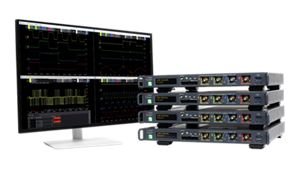
Four channels per 1U of rack space, up to 1 GHz bandwidth, and multi-oscilloscope synchronization.
Purpose-built solutions engineered for the design and test challenges unique to your industry.
Use Cases mapped to every stage of your product lifecycle, from design through operations.
Success Stories
Authoritative application notes, data sheets, reference designs, and test procedures to accelerate design and validation decisions.
Hands‑on bootcamps that teach system design, test methods, and production workflows engineers can apply immediately.
Learning Hub
Explore methodologies, test strategies, and technical resources for designing, validating, and scaling AI systems and networks.
Quick access to the most frequent support related self-help tasks.
Additional content to support your product needs.
Explore services to accelerate every step of your innovation journey.
Validate complete user journeys across every platform with AI that adapts as your application changes.
AI-powered end-to-end testing validates complete user journeys from front-end UI through to back-end services using artificial intelligence to generate, run, and maintain tests. Unlike traditional automation frameworks that break when interfaces change, AI-driven approaches adapt to UI shifts, generate scenarios from application models, and extend coverage across devices, browsers, and operating systems.
The result is sustainable end-to-end coverage that keeps pace with release velocity, without the manual maintenance burden. Eggplant delivers this across web, desktop, mobile, and enterprise applications, without requiring code access or DOM dependency.
DOM-pinned tests fail every time the UI shifts, turning end-to-end suites into a permanent maintenance backlog.
Manual end-to-end test design can't keep up with feature velocity, leaving critical user paths untested at release.
Each device, browser, and OS combination has historically required separate scripts, scaling effort linearly with environments.
Without continuous end-to-end coverage, defects between systems aren't caught until pre-production or worse, in front of users.
Eggplant tests through your users' eyes, not through the DOM. AI computer vision drives interactions and a model-based engine ensures coverage.
Map workflows as a digital twin so the AI knows every screen, decision point, and outcome that matters to users.
AI-driven computer vision interacts with what users see, not the DOM, so tests work on any device or platform.
Tests trigger automatically through Jenkins, Azure DevOps, and Git, validating end-to-end flows on every build.
When workflows shift, the model updates and tests regenerate, eliminating the constant rework cycle of script-based suites.
End-to-end testing validates a complete user journey from the front-end UI through to back-end systems, databases, and integrated services. Rather than testing individual components in isolation, it confirms that the application works correctly as a whole, replicating real user flows. Modern end-to-end testing extends across multiple devices, browsers, and platforms because user journeys rarely happen on a single touchpoint. The goal is to catch integration defects, broken handoffs between systems, and journey-level usability issues before they reach production.
Integration testing verifies that two or more components, modules, or services work together correctly, typically at the API or interface level. End-to-end testing goes wider: it validates the entire user journey across the full technology stack, from UI interactions through to data persistence. Integration tests are usually run by developers as part of the build pipeline; end-to-end tests are run by QA teams or automated test platforms before release. Both matter, but they answer different questions: integration confirms components connect; end-to-end confirms users succeed.
End-to-end testing is automated using tools that simulate real user interactions across the full application stack. Traditional approaches like Selenium WebDriver pin tests to DOM elements, which makes them brittle when the UI changes. Modern AI-driven approaches use computer vision to interact with the application the way a user does, plus model-based test generation to produce coverage automatically. Automated end-to-end tests typically run as part of a CI/CD pipeline, triggering on every build and reporting results back to the development team.
Yes, and increasingly they have to. Continuous delivery requires continuous validation, which means end-to-end tests need to trigger automatically on every build and return results fast enough not to delay release. Modern testing platforms integrate natively with CI/CD tools like Jenkins, Azure DevOps, GitHub Actions, and GitLab. The challenge is keeping end-to-end suites stable enough to run continuously without false failures, which is where AI-driven test maintenance and model-based test generation deliver significant value over traditional script-based approaches.
End-to-end testing tools fall into two broad categories. DOM-based tools like Selenium, Cypress, and Playwright work well for web applications but require separate approaches for native mobile, desktop, and legacy systems. Visual AI-driven tools like Eggplant interact with the UI the same way users do, which means a single test approach covers any device, browser, OS, or platform, including environments where source code access is restricted. The right choice depends on the breadth of platforms your application spans.
End-to-end test suites should ideally complete within the bounds of a typical CI/CD build cycle, often 20–30 minutes or less for the critical-path subset that runs on every commit. Larger nightly suites covering full regression can run longer. The key is structuring tests so the highest-risk paths run fastest and earliest, with broader coverage running on a slower cadence. AI-driven test generation helps here by prioritizing scenarios by risk, so the most valuable tests run first.
UI, API, and backend in one test run. Find the gaps other tools miss between systems.
O que você está procurando?