












- Overview
- All Models
- Support
High-throughput board test solution with flexible scalability
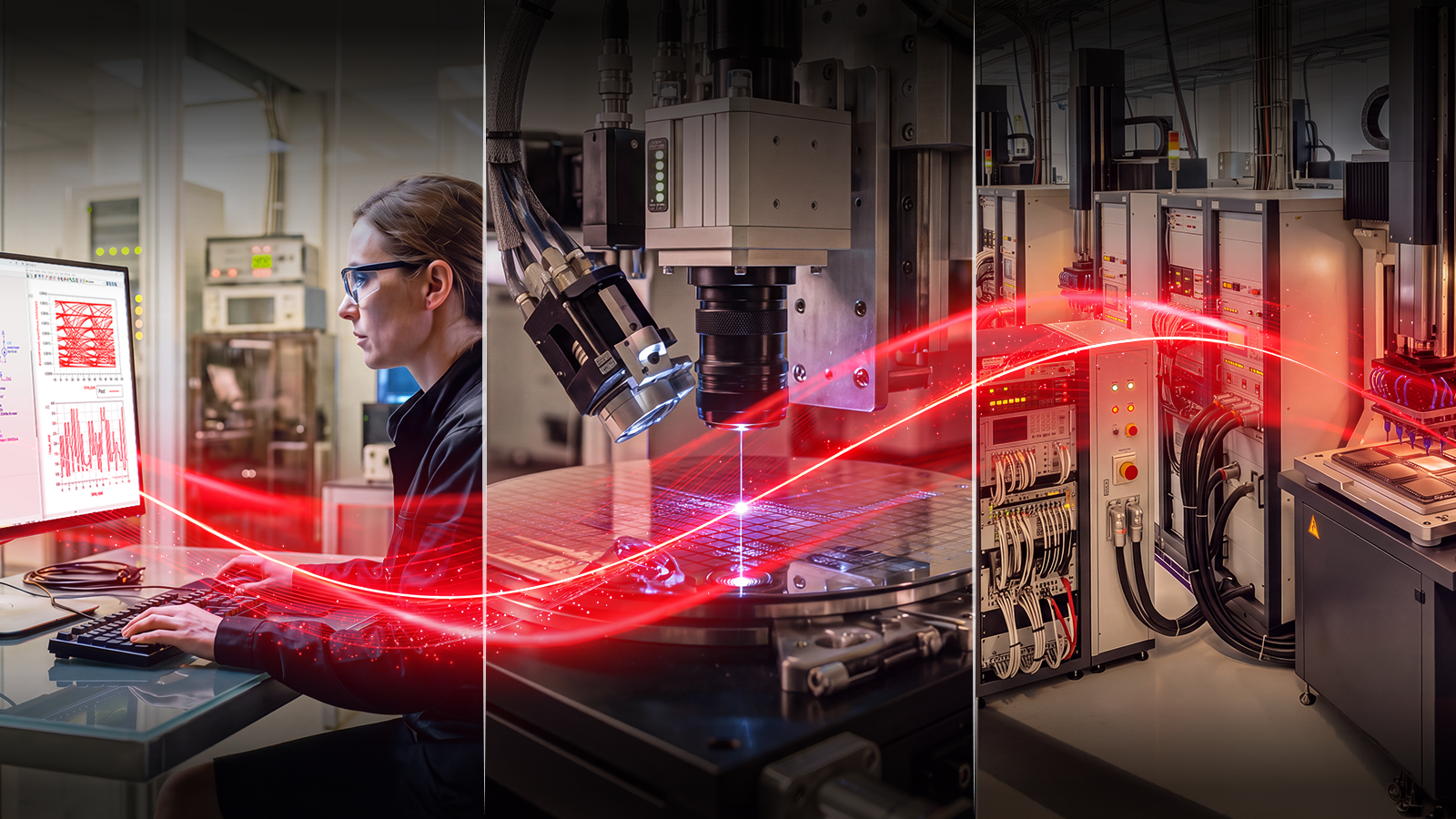
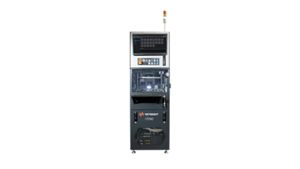
Keysight Expert parallel test systems deliver high throughput and scalability for complex PCB assemblies through a modular architecture that supports thousands of concurrent test channels. This enables fast, parallel testing of large or multiple boards to accelerate production cycles. Built-in in-circuit, boundary scan, and functional test capabilities, the system provides comprehensive diagnostics in a single platform. Its flexible configuration and ready design simplify manufacturing integration, boosting efficiency, reducing costs, and ensuring product quality in high-mix, high-volume production. Request a quote for an Expert parallel test system today. Want to learn more about this solution? Explore the resources below.
Massively parallel testing
Run thousands of test channels simultaneously to drastically reduce test time and increase throughput for complex and high-volume PCB assemblies.
Modular, scalable architecture
Easily expand or reconfigure the system to match evolving production demands, supporting both high-mix and high-volume manufacturing environments.
Comprehensive test coverage
Integrate in-circuit, boundary scan, and functional tests in a single platform to detect a wide range of faults and improve overall product quality.
Flexible automation integration
Support a broad range of automation interfaces and protocols, simplifying system integration into existing production lines and enhancing manufacturing efficiency.
-
System width
1510 mm
-
Maximum node count
2560
-
Fixture actuation
Press down
-
Maximum parallel testing
20
Typical configuration
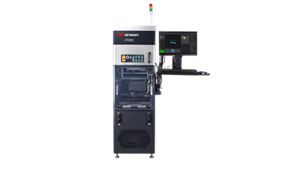

i7090 Massively Parallel and Scalable Board Test System
i7090 Massively Parallel and Scalable Board Test System, Pneumatic Press
i7090 Massively Parallel and Scalable Board Test System, Motorized Press
- Revolutionizing High-Volume PCBA Testing
- Parallel Testing Solutions for Automotive Electronics
- Maximize Throughput in High-Volume PCB Production
Services and support
Innovate at speed with curated support plans and prioritized response and turn-around times.
Get predictable, lease-based subscriptions and full lifecycle management solutions—so you reach your business goals faster.
Experience elevated service as a KeysightCare subscriber to get committed technical response and more.
Ensure your test system performs to specification and meets local and global standards.
Make measurements quickly with in-house, instructor-led training, and eLearning.
Download Keysight software or update your software to the newest version.
Frequently asked questions
Parallel test systems are suitable for a wide range of printed circuit boards (PCBs), particularly those produced in high volumes where efficiency and throughput are critical. These systems are ideal for boards with consistent layouts and standardized test points, as uniformity simplifies fixture design and ensures reliable contact across multiple units. Consumer electronics boards, communication modules, automotive control units, and industrial controller boards often benefit from parallel testing due to their repetitive manufacturing runs. Both simple, single-layer boards and complex, multilayer assemblies can be tested in parallel, provided the test system supports the required measurement ranges and functional checks. Boards that require a combination of in-circuit testing (ICT) and functional testing are especially suited for these setups, as each test core can handle different test sequences simultaneously. In general, any PCB with a stable design, predictable testing requirements, and consistent production volumes can achieve significant cost and time savings with parallel test systems.
A parallel test system is engineered to handle high-volume production environments by enabling the simultaneous testing of a large number of printed circuit boards (PCBs). Depending on the system configuration, fixture design, and the complexity of the boards, a parallel test system can test up to several dozen boards simultaneously. Its scalable architecture allows manufacturers to add test cores as production demands grow, ensuring maximum flexibility. Each test core operates independently, meaning different boards can undergo in-circuit testing (ICT), functional testing, or both, without interfering with each other’s processes. This capability significantly reduces total test time per unit and maximizes throughput, making it ideal for consumer electronics, automotive, and industrial PCB production. Combining this with a parallel test system delivers speed and uncompromised accuracy, ensuring every board meets strict quality standards before leaving the production line.
Yes, a parallel test system is highly customizable to meet various production needs. Its modular and scalable design allows manufacturers to configure the number of test cores, fixture interfaces, and measurement capabilities based on specific product requirements and production volumes. Whether testing small batches of complex boards or large volumes of standardized PCBs, the system can be tailored to match throughput goals and budget considerations. Flexible fixture design options accommodate different board sizes, layouts, and test point configurations. A parallel test system also supports various test methodologies, including in-circuit testing (ICT), functional testing, or a hybrid approach, depending on the application. Additionally, software integration and automation options make adapting the system to evolving product designs or new manufacturing workflows easy.
A parallel test system helps reduce overall test costs by allowing multiple boards to be tested simultaneously, rather than sequentially. This approach dramatically increases throughput, enabling more units to be processed quickly and lowering the cost per unit tested. By consolidating multiple test operations into a single setup, manufacturers can minimize the need for additional equipment, reducing capital investment. Labor costs are also lowered, as fewer operators are required to manage the same or even higher test volumes. Additionally, a parallel test system optimizes the use of existing resources, ensuring higher equipment utilization and less idle time. The efficiency gained shortens production cycles, accelerates time-to-market, and allows manufacturers to handle peak demand without significant additional expense. Overall, parallel testing delivers substantial cost savings by improving productivity, reducing overhead, and maximizing the return on equipment and labor investments in high-volume manufacturing environments.