Learn More
segmentation:campaign/Digital_High_Performance,segmentation:product-category/Oscilloscopes_BERTs_AWGs,segmentation:product-category/Oscilloscopes_BERTs_AWGs/Oscilloscopes_2GHz_higher,segmentation:business-unit/CSG,keysight:product-lines/1a,segmentation:funnel/tofu,keysight:dtx/solutions/facets/industry/wireline-communications,keysight:dtx/solutions/facets/development-area/high-speed-digital,keysight:dtx/solutions/facets/workflow-stage/conformance-and-compliance,keysight:dtx/solutions/facets/design-and-test-product/oscilloscope---logic-analyzer,keysight:models/xr/xr804ka,keysight:models/d9/d9310aggc,keysight:models/m9/m9505a,keysight:models/m9/m9537asegmentation:campaign/Digital_High_Performance,segmentation:product-category/Oscilloscopes_BERTs_AWGs,segmentation:product-category/Oscilloscopes_BERTs_AWGs/Oscilloscopes_2GHz_higher,segmentation:business-unit/CSG,keysight:product-lines/1a,segmentation:funnel/tofu,keysight:dtx/solutions/facets/industry/wireline-communications,keysight:dtx/solutions/facets/development-area/high-speed-digital,keysight:dtx/solutions/facets/workflow-stage/conformance-and-compliance,keysight:dtx/solutions/facets/design-and-test-product/oscilloscope---logic-analyzer,keysight:models/xr/xr804ka,keysight:models/d9/d9310aggc,keysight:models/m9/m9505a,keysight:models/m9/m9537asegmentation:campaign/Digital_High_Performance,segmentation:product-category/Oscilloscopes_BERTs_AWGs,segmentation:product-category/Oscilloscopes_BERTs_AWGs/Oscilloscopes_2GHz_higher,segmentation:business-unit/CSG,keysight:product-lines/1a,segmentation:funnel/tofu,keysight:dtx/solutions/facets/industry/wireline-communications,keysight:dtx/solutions/facets/development-area/high-speed-digital,keysight:dtx/solutions/facets/workflow-stage/conformance-and-compliance,keysight:dtx/solutions/facets/design-and-test-product/oscilloscope---logic-analyzer,keysight:models/xr/xr804ka,keysight:models/d9/d9310aggc,keysight:models/m9/m9505a,keysight:models/m9/m9537asegmentation:campaign/Digital_High_Performance,segmentation:product-category/Oscilloscopes_BERTs_AWGs,segmentation:product-category/Oscilloscopes_BERTs_AWGs/Oscilloscopes_2GHz_higher,segmentation:business-unit/CSG,keysight:product-lines/1a,segmentation:funnel/tofu,keysight:dtx/solutions/facets/industry/wireline-communications,keysight:dtx/solutions/facets/development-area/high-speed-digital,keysight:dtx/solutions/facets/workflow-stage/conformance-and-compliance,keysight:dtx/solutions/facets/design-and-test-product/oscilloscope---logic-analyzer,keysight:models/xr/xr804ka,keysight:models/d9/d9310aggc,keysight:models/m9/m9505a,keysight:models/m9/m9537asegmentation:campaign/Digital_High_Performance,segmentation:product-category/Oscilloscopes_BERTs_AWGs,segmentation:product-category/Oscilloscopes_BERTs_AWGs/Oscilloscopes_2GHz_higher,segmentation:business-unit/CSG,keysight:product-lines/1a,segmentation:funnel/tofu,keysight:dtx/solutions/facets/industry/wireline-communications,keysight:dtx/solutions/facets/development-area/high-speed-digital,keysight:dtx/solutions/facets/workflow-stage/conformance-and-compliance,keysight:dtx/solutions/facets/design-and-test-product/oscilloscope---logic-analyzer,keysight:models/xr/xr804ka,keysight:models/d9/d9310aggc,keysight:models/m9/m9505a,keysight:models/m9/m9537asegmentation:campaign/Digital_High_Performance,segmentation:product-category/Oscilloscopes_BERTs_AWGs,segmentation:product-category/Oscilloscopes_BERTs_AWGs/Oscilloscopes_2GHz_higher,segmentation:business-unit/CSG,keysight:product-lines/1a,segmentation:funnel/tofu,keysight:dtx/solutions/facets/industry/wireline-communications,keysight:dtx/solutions/facets/development-area/high-speed-digital,keysight:dtx/solutions/facets/workflow-stage/conformance-and-compliance,keysight:dtx/solutions/facets/design-and-test-product/oscilloscope---logic-analyzer,keysight:models/xr/xr804ka,keysight:models/d9/d9310aggc,keysight:models/m9/m9505a,keysight:models/m9/m9537asegmentation:campaign/Digital_High_Performance,segmentation:product-category/Oscilloscopes_BERTs_AWGs,segmentation:product-category/Oscilloscopes_BERTs_AWGs/Oscilloscopes_2GHz_higher,segmentation:business-unit/CSG,keysight:product-lines/1a,segmentation:funnel/tofu,keysight:dtx/solutions/facets/industry/wireline-communications,keysight:dtx/solutions/facets/development-area/high-speed-digital,keysight:dtx/solutions/facets/workflow-stage/conformance-and-compliance,keysight:dtx/solutions/facets/design-and-test-product/oscilloscope---logic-analyzer,keysight:models/xr/xr804ka,keysight:models/d9/d9310aggc,keysight:models/m9/m9505a,keysight:models/m9/m9537asegmentation:campaign/Digital_High_Performance,segmentation:product-category/Oscilloscopes_BERTs_AWGs,segmentation:product-category/Oscilloscopes_BERTs_AWGs/Oscilloscopes_2GHz_higher,segmentation:business-unit/CSG,keysight:product-lines/1a,segmentation:funnel/tofu,keysight:dtx/solutions/facets/industry/wireline-communications,keysight:dtx/solutions/facets/development-area/high-speed-digital,keysight:dtx/solutions/facets/workflow-stage/conformance-and-compliance,keysight:dtx/solutions/facets/design-and-test-product/oscilloscope---logic-analyzer,keysight:models/xr/xr804ka,keysight:models/d9/d9310aggc,keysight:models/m9/m9505a,keysight:models/m9/m9537asegmentation:campaign/Digital_High_Performance,segmentation:product-category/Oscilloscopes_BERTs_AWGs,segmentation:product-category/Oscilloscopes_BERTs_AWGs/Oscilloscopes_2GHz_higher,segmentation:business-unit/CSG,keysight:product-lines/1a,segmentation:funnel/tofu,keysight:dtx/solutions/facets/industry/wireline-communications,keysight:dtx/solutions/facets/development-area/high-speed-digital,keysight:dtx/solutions/facets/workflow-stage/conformance-and-compliance,keysight:dtx/solutions/facets/design-and-test-product/oscilloscope---logic-analyzer,keysight:models/xr/xr804ka,keysight:models/d9/d9310aggc,keysight:models/m9/m9505a,keysight:models/m9/m9537asegmentation:campaign/Digital_High_Performance,segmentation:product-category/Oscilloscopes_BERTs_AWGs,segmentation:product-category/Oscilloscopes_BERTs_AWGs/Oscilloscopes_2GHz_higher,segmentation:business-unit/CSG,keysight:product-lines/1a,segmentation:funnel/tofu,keysight:dtx/solutions/facets/industry/wireline-communications,keysight:dtx/solutions/facets/development-area/high-speed-digital,keysight:dtx/solutions/facets/workflow-stage/conformance-and-compliance,keysight:dtx/solutions/facets/design-and-test-product/oscilloscope---logic-analyzer,keysight:models/xr/xr804ka,keysight:models/d9/d9310aggc,keysight:models/m9/m9505a,keysight:models/m9/m9537asegmentation:campaign/Digital_High_Performance,segmentation:product-category/Oscilloscopes_BERTs_AWGs,segmentation:product-category/Oscilloscopes_BERTs_AWGs/Oscilloscopes_2GHz_higher,segmentation:business-unit/CSG,keysight:product-lines/1a,segmentation:funnel/tofu,keysight:dtx/solutions/facets/industry/wireline-communications,keysight:dtx/solutions/facets/development-area/high-speed-digital,keysight:dtx/solutions/facets/workflow-stage/conformance-and-compliance,keysight:dtx/solutions/facets/design-and-test-product/oscilloscope---logic-analyzer,keysight:models/xr/xr804ka,keysight:models/d9/d9310aggc,keysight:models/m9/m9505a,keysight:models/m9/m9537asegmentation:campaign/Digital_High_Performance,segmentation:product-category/Oscilloscopes_BERTs_AWGs,segmentation:product-category/Oscilloscopes_BERTs_AWGs/Oscilloscopes_2GHz_higher,segmentation:business-unit/CSG,keysight:product-lines/1a,segmentation:funnel/tofu,keysight:dtx/solutions/facets/industry/wireline-communications,keysight:dtx/solutions/facets/development-area/high-speed-digital,keysight:dtx/solutions/facets/workflow-stage/conformance-and-compliance,keysight:dtx/solutions/facets/design-and-test-product/oscilloscope---logic-analyzer,keysight:models/xr/xr804ka,keysight:models/d9/d9310aggc,keysight:models/m9/m9505a,keysight:models/m9/m9537asegmentation:campaign/Digital_High_Performance,segmentation:product-category/Oscilloscopes_BERTs_AWGs,segmentation:product-category/Oscilloscopes_BERTs_AWGs/Oscilloscopes_2GHz_higher,segmentation:business-unit/CSG,keysight:product-lines/1a,segmentation:funnel/tofu,keysight:dtx/solutions/facets/industry/wireline-communications,keysight:dtx/solutions/facets/development-area/high-speed-digital,keysight:dtx/solutions/facets/workflow-stage/conformance-and-compliance,keysight:dtx/solutions/facets/design-and-test-product/oscilloscope---logic-analyzer,keysight:models/xr/xr804ka,keysight:models/d9/d9310aggc,keysight:models/m9/m9505a,keysight:models/m9/m9537asegmentation:campaign/Digital_High_Performance,segmentation:product-category/Oscilloscopes_BERTs_AWGs,segmentation:product-category/Oscilloscopes_BERTs_AWGs/Oscilloscopes_2GHz_higher,segmentation:business-unit/CSG,keysight:product-lines/1a,segmentation:funnel/tofu,keysight:dtx/solutions/facets/industry/wireline-communications,keysight:dtx/solutions/facets/development-area/high-speed-digital,keysight:dtx/solutions/facets/workflow-stage/conformance-and-compliance,keysight:dtx/solutions/facets/design-and-test-product/oscilloscope---logic-analyzer,keysight:models/xr/xr804ka,keysight:models/d9/d9310aggc,keysight:models/m9/m9505a,keysight:models/m9/m9537a
How to Accelerate High-Speed Digital Compliance Testing
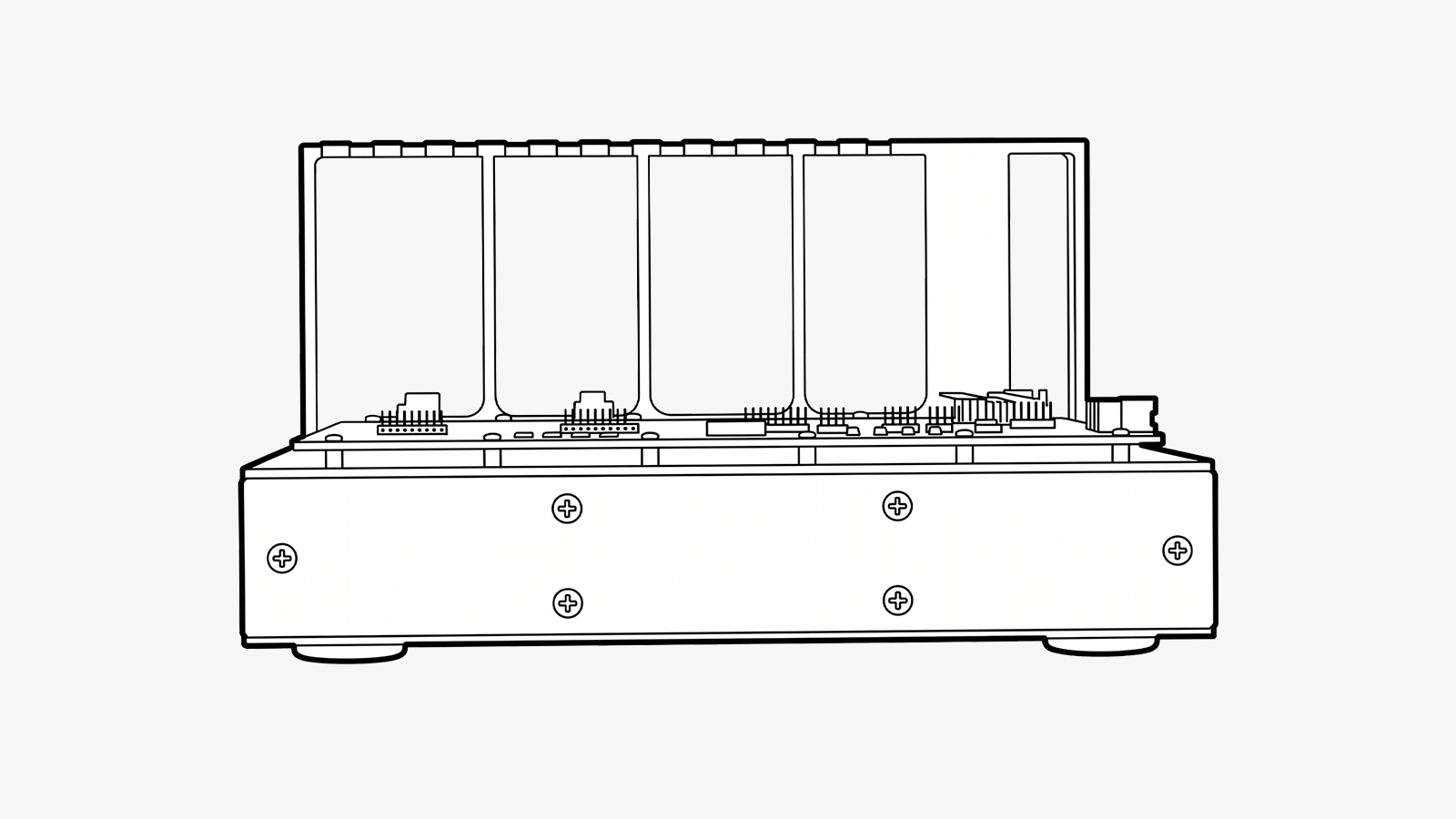
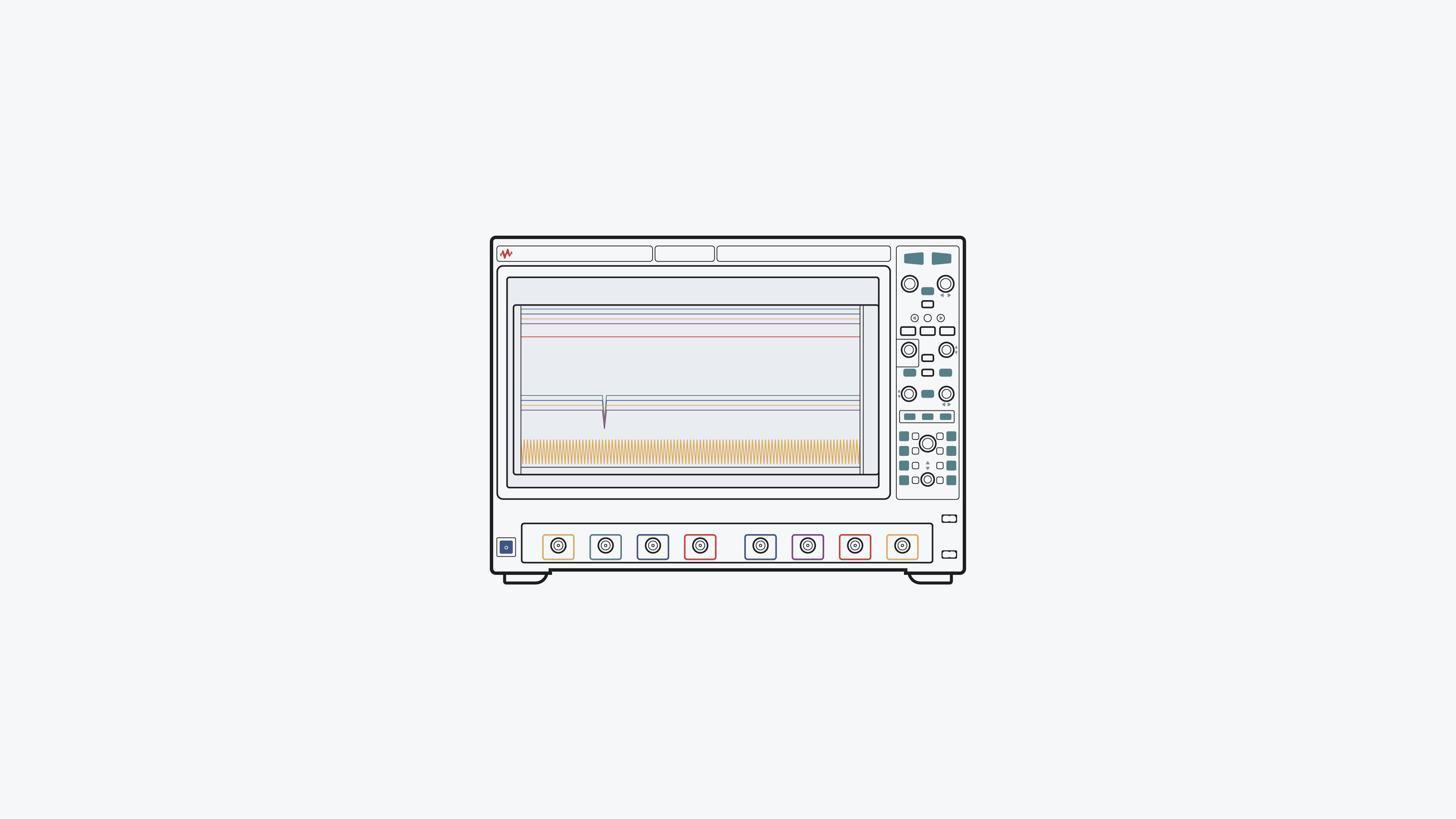
Accelerating high-speed digital compliance test requires offloading data processing and reporting to external high-performance servers. Learn how to attain compliance results faster by offloading data processing from your oscilloscope onto high-performance computing resources that process data in parallel.
Learn More