










- Overview
- All Models
- Support
Compact design paired with high power testing
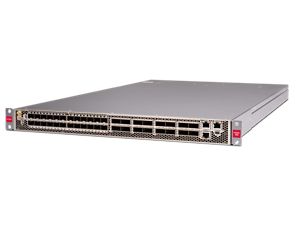
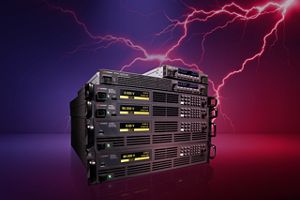
Keysight NL3-class ATE DC electronic loads include the EL4900 Series Regenerative Electronic Loads. They host a regenerative capability that efficiently returns up to 95% of the absorbed energy back to the grid. This feature provides operational advantages by reducing energy consumption and cooling costs. The series offers a wide power range, from 2 kW to 12 kW, in high-density 1U and 2U layouts, with the flexibility to easily parallel up to 16 units (up to 192 kW) to create a single electronic load system. The electronic loads include advanced features for precise testing, such as simultaneous digitized voltage and current measurements. These combined benefits enable power test engineers to reliably evaluate and accelerate test development across multiple environments, accelerating testing of batteries and other power devices under test (DUT), such as automotive electronics and avionics. Explore our most popular models to find the one that is best for your application.
Compact and high-density
Available in industry-leading compact 1U and 2U sizes, offering a wide power range from 2 kW to 12 kW to match high-power test requirements.
Regenerative design
Energy regeneration reduces operational costs by returning energy it absorbs back to the grid, reducing energy consumption and cooling costs.
High scalability
The load has a built-in paralleling capability that ensures each unit equally shares the load current, up to 16 units for greater sink current.
Complex measurement
The load includes flexible features for complex scenarios like transient simulation, built-in waveform generation and sequencing, and averaged measurements.
-
Maximum power
2000 W to 12000 W
-
Input voltage
80 V to 800 V
-
Input current
8 A to 240 A
-
Number of inputs
1
Most popular configurations
NL3-class ATE DC Electronic Load
NL3-class ATE DC Electronic Load
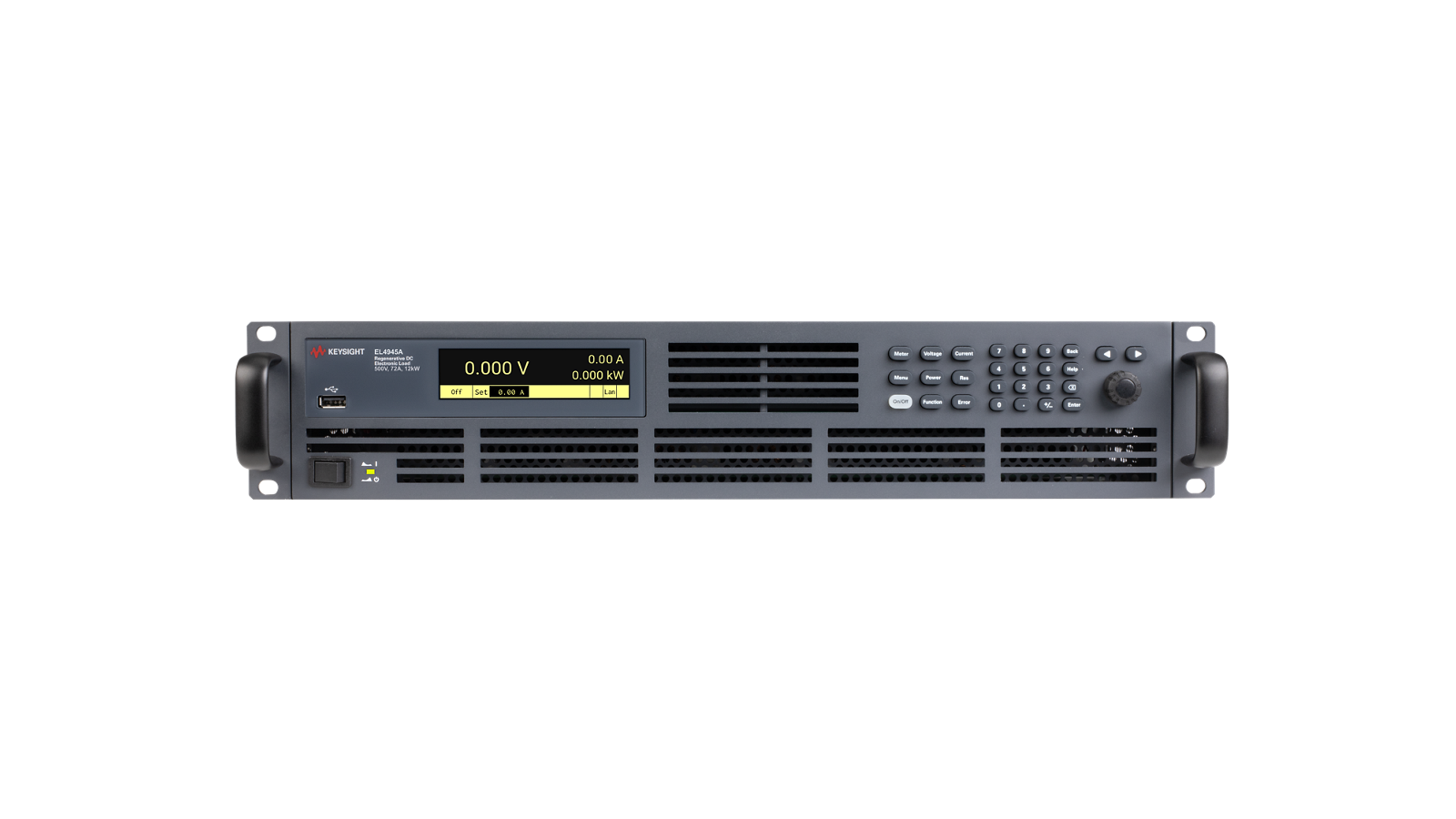
NL3-class ATE DC Electronic Load
Services and support
Innovate at speed with curated support plans and prioritized response and turn-around times.
Get predictable, lease-based subscriptions and full lifecycle management solutions—so you reach your business goals faster.
Experience elevated service as a KeysightCare subscriber to get committed technical response and more.
Ensure your test system performs to specification and meets local and global standards.
Make measurements quickly with in-house, instructor-led training, and eLearning.
Download Keysight software or update your software to the newest version.
Frequently asked questions
Regenerative DC electronic loads work by absorbing the DC electrical energy from a device under test (DUT)—like a battery, power supply, or electric vehicle component—and converting that power back into usable AC energy to be fed into the local utility grid. Unlike traditional electronic loads, which dissipate all the absorbed DC power as waste heat through power resistors, the regenerative load utilizes a sophisticated two-stage power conversion process to achieve high energy efficiency, often exceeding 90%. First, a DC-DC converter conditions the incoming DC power. Second, this conditioned DC power is passed through a DC-AC inverter, often an Active Front End (AFE), which synchronizes the energy with the phase and frequency of the local AC mains (the grid). This synchronized AC power is then injected back into the facility's electrical system for immediate use by other equipment, significantly reducing total power consumption and minimizing the need for expensive, high-capacity cooling systems. This makes regenerative loads an environmentally friendly and cost-effective solution for high-power testing applications.
The primary benefits of regenerative DC electronic loads stem from their ability to recycle absorbed energy back to the power grid instead of dissipating it as waste heat, which is what traditional electronic loads or resistive load banks do. This fundamental capability leads to significant advantages:
- Cost and operational savings: The load efficiently converts the consumed DC energy back into usable AC power (with high efficiencies) and feeds it back into the facility's power grid. This directly and substantially lowers electricity bills by reducing the net energy drawn from the utility.
- Smaller footprint: They feature a high-power density, allowing high power ratings in a compact size (1U or 2U rack units). This saves valuable lab or production floor space and can reduce the complexity and cost of electrical distribution infrastructure.
- Advanced testing and performance: They are well-suited for high-power applications common in testing electric vehicles, batteries, fuel cells, and renewable energy components. Like conventional electronic loads, they offer flexible, programmable load profiles, but often include additional features like high-speed control, dynamic loading capabilities, and bidirectional operation when integrated with a power supply.
The difference between a regenerative DC electronic load and a dissipative DC electronic load lies in how they handle the absorbed electrical energy. A dissipative (traditional) load converts nearly all of the power drawn from the device under test (DUT) directly into waste heat using components like power resistors or power semiconductors. This process is energy-inefficient, requires significant and costly external cooling (such as powerful fans or HVAC systems) to prevent overheating, and contributes to high operational costs and a large carbon footprint. In contrast, a regenerative load is fundamentally an energy-recycling device. It first absorbs the DC power, then uses an internal inverter stage to convert that DC energy into high-efficiency AC power, which is synchronized with and fed back onto the local utility power grid. This process minimizes heat generation — only the small conversion losses are released as heat — leading to dramatically reduced cooling requirements, substantial long-term savings on utility bills and HVAC costs, and a much smaller environmental impact.
Regenerative DC electronic loads are best suited for high-power test applications where reducing operational costs, heat dissipation, and environmental impact are critical. Their ability to return absorbed energy back to the power grid makes them ideal for:
- Battery and energy storage testing: Regenerative loads are excellent for cycling and performance testing of batteries, fuel cells, and supercapacitors. They are particularly beneficial in these applications because they can efficiently test high-capacity batteries by sinking power without dissipating massive amounts of heat, and they can accelerate testing with built-in waveform generation functions.
- Automotive and aerospace testing: These loads are highly valuable for testing devices under test (DUT) operating in rugged environments, such as those found in the automotive and aerospace industries. They can simulate worst-case power transient conditions during testing of automotive electronics and avionics to ensure device robustness.
- High-power testing environments: Regenerative loads are a preferred solution for any high-power device testing in R&D, design validation, and production settings. Their regenerative capability directly reduces the total cost of ownership.