Learn More
segmentation:campaign/RF,segmentation:product-category/RF_Testing,segmentation:product-category/RF_Testing/Power_Meters_Sensors,segmentation:business-unit/CSG,keysight:product-lines/8u,segmentation:funnel/bofu,keysight:dtx/solutions/facets/design-and-test-product/meter,keysight:dtx/solutions/facets/workflow-stage/qa,keysight:dtx/solutions/facets/industry/wireless-communications,keysight:dtx/solutions/facets/development-area/rf,keysight:models/n4/n432a,keysight:models/bv/bv0007b,keysight:models/e8/e8486asegmentation:campaign/RF,segmentation:product-category/RF_Testing,segmentation:product-category/RF_Testing/Power_Meters_Sensors,segmentation:business-unit/CSG,keysight:product-lines/8u,segmentation:funnel/bofu,keysight:dtx/solutions/facets/design-and-test-product/meter,keysight:dtx/solutions/facets/workflow-stage/qa,keysight:dtx/solutions/facets/industry/wireless-communications,keysight:dtx/solutions/facets/development-area/rf,keysight:models/n4/n432a,keysight:models/bv/bv0007b,keysight:models/e8/e8486asegmentation:campaign/RF,segmentation:product-category/RF_Testing,segmentation:product-category/RF_Testing/Power_Meters_Sensors,segmentation:business-unit/CSG,keysight:product-lines/8u,segmentation:funnel/bofu,keysight:dtx/solutions/facets/design-and-test-product/meter,keysight:dtx/solutions/facets/workflow-stage/qa,keysight:dtx/solutions/facets/industry/wireless-communications,keysight:dtx/solutions/facets/development-area/rf,keysight:models/n4/n432a,keysight:models/bv/bv0007b,keysight:models/e8/e8486asegmentation:campaign/RF,segmentation:product-category/RF_Testing,segmentation:product-category/RF_Testing/Power_Meters_Sensors,segmentation:business-unit/CSG,keysight:product-lines/8u,segmentation:funnel/bofu,keysight:dtx/solutions/facets/design-and-test-product/meter,keysight:dtx/solutions/facets/workflow-stage/qa,keysight:dtx/solutions/facets/industry/wireless-communications,keysight:dtx/solutions/facets/development-area/rf,keysight:models/n4/n432a,keysight:models/bv/bv0007b,keysight:models/e8/e8486asegmentation:campaign/RF,segmentation:product-category/RF_Testing,segmentation:product-category/RF_Testing/Power_Meters_Sensors,segmentation:business-unit/CSG,keysight:product-lines/8u,segmentation:funnel/bofu,keysight:dtx/solutions/facets/design-and-test-product/meter,keysight:dtx/solutions/facets/workflow-stage/qa,keysight:dtx/solutions/facets/industry/wireless-communications,keysight:dtx/solutions/facets/development-area/rf,keysight:models/n4/n432a,keysight:models/bv/bv0007b,keysight:models/e8/e8486asegmentation:campaign/RF,segmentation:product-category/RF_Testing,segmentation:product-category/RF_Testing/Power_Meters_Sensors,segmentation:business-unit/CSG,keysight:product-lines/8u,segmentation:funnel/bofu,keysight:dtx/solutions/facets/design-and-test-product/meter,keysight:dtx/solutions/facets/workflow-stage/qa,keysight:dtx/solutions/facets/industry/wireless-communications,keysight:dtx/solutions/facets/development-area/rf,keysight:models/n4/n432a,keysight:models/bv/bv0007b,keysight:models/e8/e8486asegmentation:campaign/RF,segmentation:product-category/RF_Testing,segmentation:product-category/RF_Testing/Power_Meters_Sensors,segmentation:business-unit/CSG,keysight:product-lines/8u,segmentation:funnel/bofu,keysight:dtx/solutions/facets/design-and-test-product/meter,keysight:dtx/solutions/facets/workflow-stage/qa,keysight:dtx/solutions/facets/industry/wireless-communications,keysight:dtx/solutions/facets/development-area/rf,keysight:models/n4/n432a,keysight:models/bv/bv0007b,keysight:models/e8/e8486asegmentation:campaign/RF,segmentation:product-category/RF_Testing,segmentation:product-category/RF_Testing/Power_Meters_Sensors,segmentation:business-unit/CSG,keysight:product-lines/8u,segmentation:funnel/bofu,keysight:dtx/solutions/facets/design-and-test-product/meter,keysight:dtx/solutions/facets/workflow-stage/qa,keysight:dtx/solutions/facets/industry/wireless-communications,keysight:dtx/solutions/facets/development-area/rf,keysight:models/n4/n432a,keysight:models/bv/bv0007b,keysight:models/e8/e8486asegmentation:campaign/RF,segmentation:product-category/RF_Testing,segmentation:product-category/RF_Testing/Power_Meters_Sensors,segmentation:business-unit/CSG,keysight:product-lines/8u,segmentation:funnel/bofu,keysight:dtx/solutions/facets/design-and-test-product/meter,keysight:dtx/solutions/facets/workflow-stage/qa,keysight:dtx/solutions/facets/industry/wireless-communications,keysight:dtx/solutions/facets/development-area/rf,keysight:models/n4/n432a,keysight:models/bv/bv0007b,keysight:models/e8/e8486asegmentation:campaign/RF,segmentation:product-category/RF_Testing,segmentation:product-category/RF_Testing/Power_Meters_Sensors,segmentation:business-unit/CSG,keysight:product-lines/8u,segmentation:funnel/bofu,keysight:dtx/solutions/facets/design-and-test-product/meter,keysight:dtx/solutions/facets/workflow-stage/qa,keysight:dtx/solutions/facets/industry/wireless-communications,keysight:dtx/solutions/facets/development-area/rf,keysight:models/n4/n432a,keysight:models/bv/bv0007b,keysight:models/e8/e8486asegmentation:campaign/RF,segmentation:product-category/RF_Testing,segmentation:product-category/RF_Testing/Power_Meters_Sensors,segmentation:business-unit/CSG,keysight:product-lines/8u,segmentation:funnel/bofu,keysight:dtx/solutions/facets/design-and-test-product/meter,keysight:dtx/solutions/facets/workflow-stage/qa,keysight:dtx/solutions/facets/industry/wireless-communications,keysight:dtx/solutions/facets/development-area/rf,keysight:models/n4/n432a,keysight:models/bv/bv0007b,keysight:models/e8/e8486asegmentation:campaign/RF,segmentation:product-category/RF_Testing,segmentation:product-category/RF_Testing/Power_Meters_Sensors,segmentation:business-unit/CSG,keysight:product-lines/8u,segmentation:funnel/bofu,keysight:dtx/solutions/facets/design-and-test-product/meter,keysight:dtx/solutions/facets/workflow-stage/qa,keysight:dtx/solutions/facets/industry/wireless-communications,keysight:dtx/solutions/facets/development-area/rf,keysight:models/n4/n432a,keysight:models/bv/bv0007b,keysight:models/e8/e8486asegmentation:campaign/RF,segmentation:product-category/RF_Testing,segmentation:product-category/RF_Testing/Power_Meters_Sensors,segmentation:business-unit/CSG,keysight:product-lines/8u,segmentation:funnel/bofu,keysight:dtx/solutions/facets/design-and-test-product/meter,keysight:dtx/solutions/facets/workflow-stage/qa,keysight:dtx/solutions/facets/industry/wireless-communications,keysight:dtx/solutions/facets/development-area/rf,keysight:models/n4/n432a,keysight:models/bv/bv0007b,keysight:models/e8/e8486a
How to Achieve Traceable Radio Frequency Power Calibration
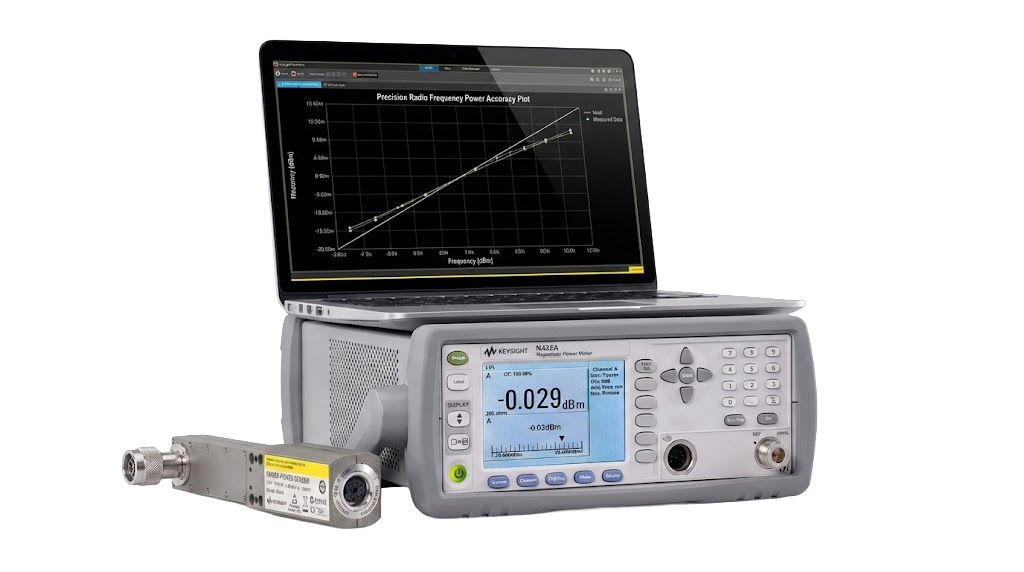
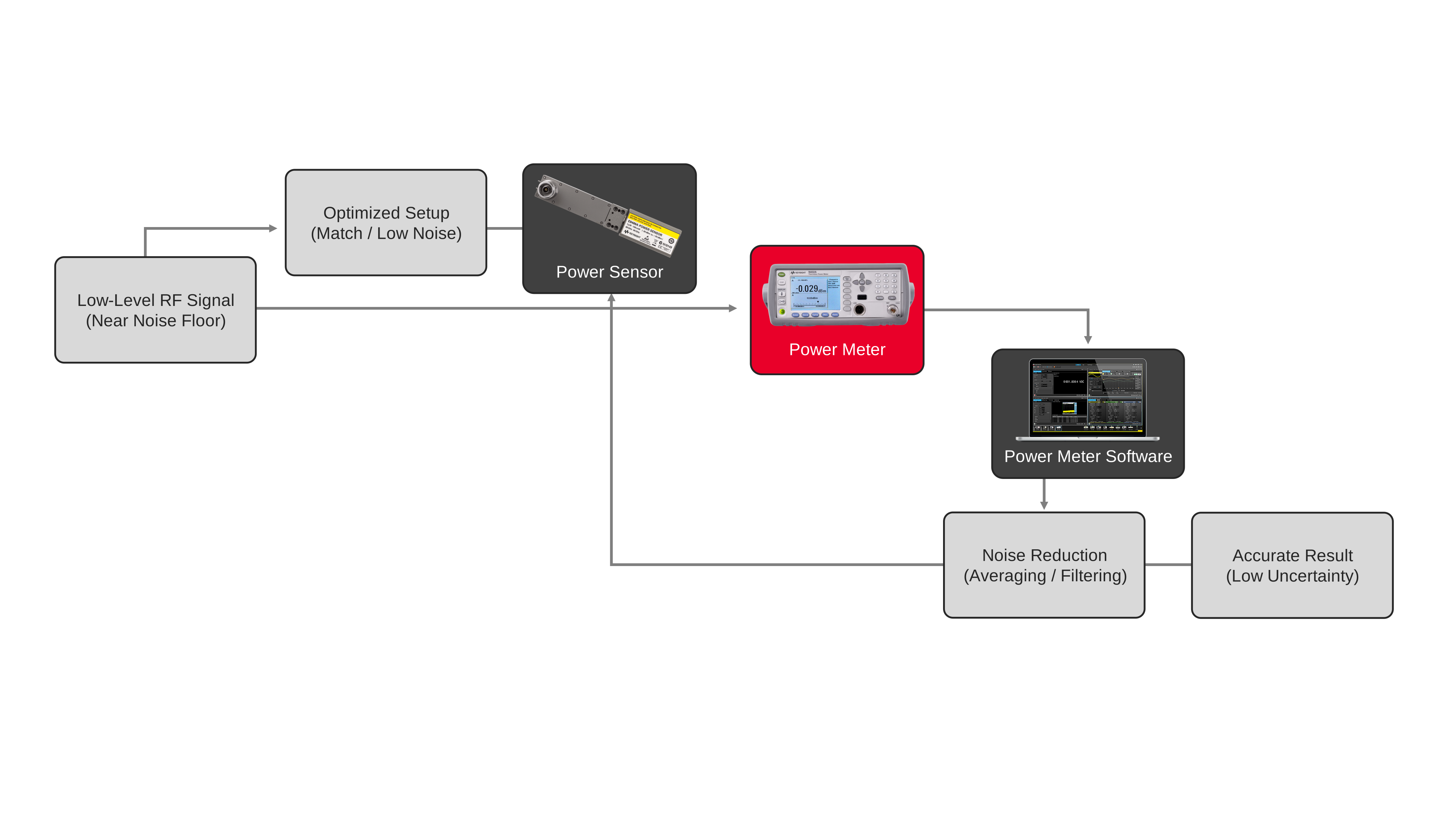
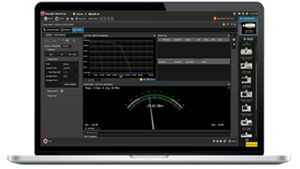
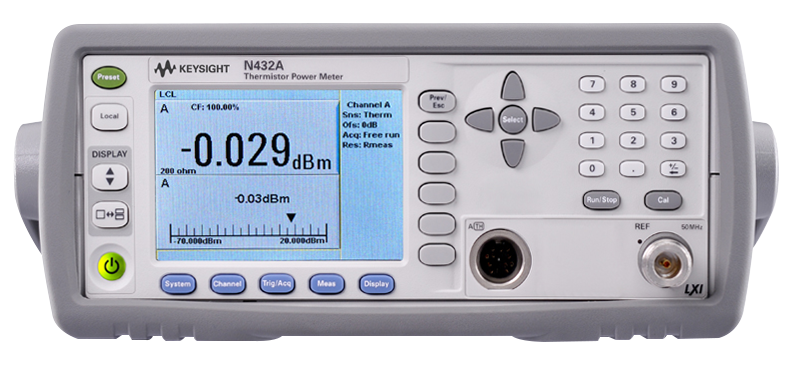
Achieve traceable radio frequency power calibration with thermistor sensors and automated measurement workflows using power sensors, power meters, and automated measurement control and data logging software.
Learn More