

Why Use Assembly Simulation
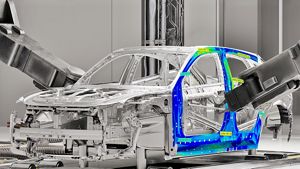
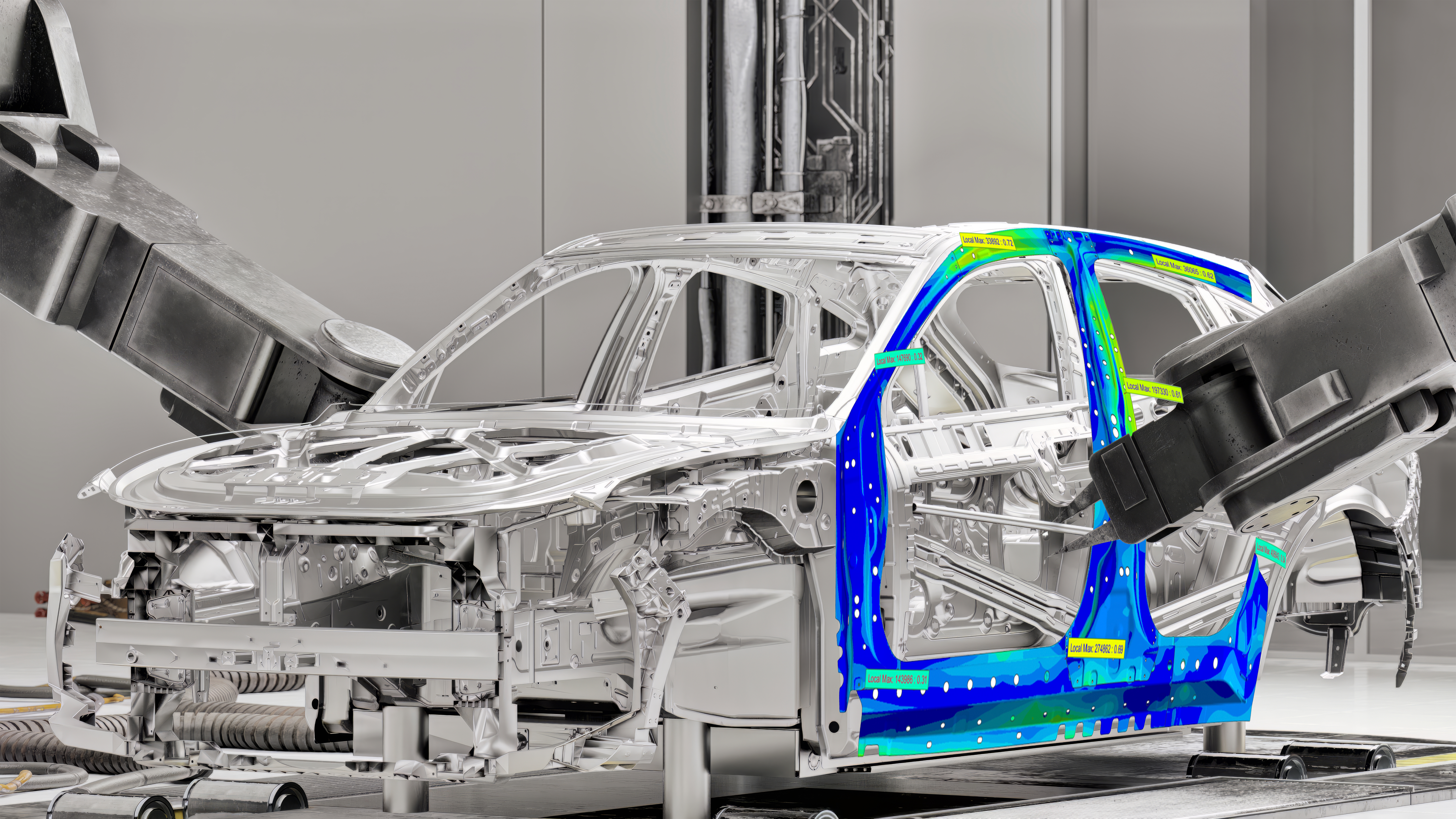
Assembly simulation software empowers automotive manufacturers to explore and refine their processes virtually, long before physical trials. By modeling every step—from part positioning to clamping and welding—it enables experimentation with alternative strategies, early identification of potential issues, and optimization of the sequence for greater efficiency. This proactive approach minimizes costly trial-and-error on the shop floor, streamlines production readiness, and drives smarter, more reliable assembly outcomes.


Key Features

Easy-to-use, visual interface—no FE or meshing expertise needed.

Accurate distortion prediction with a robust multiphysics solver and scalable performance.

Ready-made automotive sub-assembly templates (A/B-pillars, body sides, closures) plus easy custom process creation.

Drag-and-drop customization for fast, intuitive setup.

Create clamps, locators, guides, and supports in-app—no external CAD required.

Use CAD, simulated, or scanned part data—fully associative for automatic updates.
- Distortion and Dimensional Accuracy Prediction
Small deviations in single component cause gaps and shifts after welding. Assembly simulation predicts distortions early, optimizes clamping and weld strategies, and keeps geometry within tolerance—reducing fixture rework and delays.
- Positioning, Clamping and Welding Sequence
Positioning, clamping, and welding order strongly affect assembly accuracy. Assembly simulation lets engineers optimize these sequences virtually, reducing trial-and-error and ensuring stable, in-tolerance results.
- Virtual Try-Out and Early Validation
Late BiW validation makes changes costly and risky. Assembly simulation enables early process validation with CAD, stamping, or scan data, resolving issues before tooling—saving time and avoiding SOP delays.
Resources to Get You Started
Webinar
Future of Automotive Assembly

Webinar
Future of Automotive Assembly - Global Introduction and Assembly Challenges

Blog
Virtual Process Chains: Building Digital Workflows for Smarter Joining & Assembly in Automotive BIW
Have Questions? We've Got Answers
It’s a digital tool that allows automotive manufacturers to virtually try-out their real-world assembly processes—from part positioning and clamping to spot welding and release sequences.
By modeling the entire process virtually, manufacturers can test strategies, identify issues early, and optimize workflows. This reduces costly trial-and-error on the shop floor and ensures smoother production.
The solution enables detailed virtual checks for dimensional accuracy, gaps, distortions, and welding stresses. Users can also simulate weld forces, pressures, and robot operations to predict distortions before physical trials.
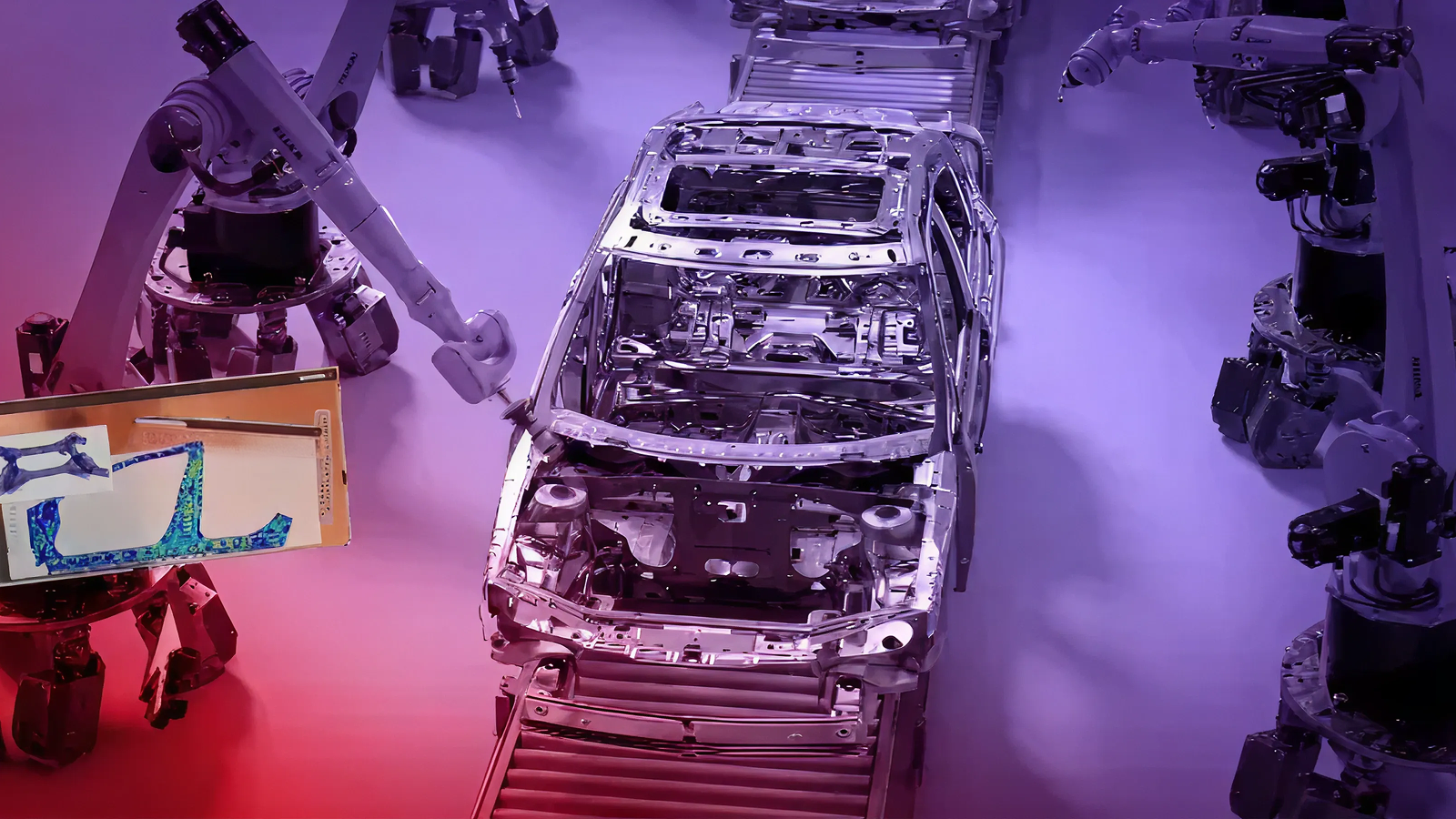
Yes. It mirrors actual workflows step by step, including jig creation, welding parameters, and robot assignments. Multiple robots can be deployed in parallel, just as in real production.
Automotive and other manufacturing industries that rely on resistance spot welding gain the most value, as they can refine complex assembly processes virtually before committing to physical production.
By allowing experimentation in a fully digital environment, manufacturers can optimize sequences, avoid errors, and validate processes upfront—saving time, reducing rework, and improving product quality.