Learn More
keysight:dtx/solutions/facets/development-area/rf,keysight:dtx/solutions/facets/design-and-test-product/signal-generator,keysight:dtx/solutions/facets/industry/wireless-communications,keysight:product-lines/24,segmentation:business-unit/CSG,segmentation:campaign/Cellular,segmentation:product-category/RF_Testing/Signal_Generators,segmentation:funnel/mofu,segmentation:product-category/RF_Testing,keysight:dtx/solutions/facets/workflow-stage/functional-test,keysight:dtx/solutions/facets/industry/6g,keysight:models/m8/m8195a,keysight:models/e8/e8257d,keysight:models/n7/n7608appckeysight:dtx/solutions/facets/development-area/rf,keysight:dtx/solutions/facets/design-and-test-product/signal-generator,keysight:dtx/solutions/facets/industry/wireless-communications,keysight:product-lines/24,segmentation:business-unit/CSG,segmentation:campaign/Cellular,segmentation:product-category/RF_Testing/Signal_Generators,segmentation:funnel/mofu,segmentation:product-category/RF_Testing,keysight:dtx/solutions/facets/workflow-stage/functional-test,keysight:dtx/solutions/facets/industry/6g,keysight:models/m8/m8195a,keysight:models/e8/e8257d,keysight:models/n7/n7608appckeysight:dtx/solutions/facets/development-area/rf,keysight:dtx/solutions/facets/design-and-test-product/signal-generator,keysight:dtx/solutions/facets/industry/wireless-communications,keysight:product-lines/24,segmentation:business-unit/CSG,segmentation:campaign/Cellular,segmentation:product-category/RF_Testing/Signal_Generators,segmentation:funnel/mofu,segmentation:product-category/RF_Testing,keysight:dtx/solutions/facets/workflow-stage/functional-test,keysight:dtx/solutions/facets/industry/6g,keysight:models/m8/m8195a,keysight:models/e8/e8257d,keysight:models/n7/n7608appckeysight:dtx/solutions/facets/development-area/rf,keysight:dtx/solutions/facets/design-and-test-product/signal-generator,keysight:dtx/solutions/facets/industry/wireless-communications,keysight:product-lines/24,segmentation:business-unit/CSG,segmentation:campaign/Cellular,segmentation:product-category/RF_Testing/Signal_Generators,segmentation:funnel/mofu,segmentation:product-category/RF_Testing,keysight:dtx/solutions/facets/workflow-stage/functional-test,keysight:dtx/solutions/facets/industry/6g,keysight:models/m8/m8195a,keysight:models/e8/e8257d,keysight:models/n7/n7608appckeysight:dtx/solutions/facets/development-area/rf,keysight:dtx/solutions/facets/design-and-test-product/signal-generator,keysight:dtx/solutions/facets/industry/wireless-communications,keysight:product-lines/24,segmentation:business-unit/CSG,segmentation:campaign/Cellular,segmentation:product-category/RF_Testing/Signal_Generators,segmentation:funnel/mofu,segmentation:product-category/RF_Testing,keysight:dtx/solutions/facets/workflow-stage/functional-test,keysight:dtx/solutions/facets/industry/6g,keysight:models/m8/m8195a,keysight:models/e8/e8257d,keysight:models/n7/n7608appckeysight:dtx/solutions/facets/development-area/rf,keysight:dtx/solutions/facets/design-and-test-product/signal-generator,keysight:dtx/solutions/facets/industry/wireless-communications,keysight:product-lines/24,segmentation:business-unit/CSG,segmentation:campaign/Cellular,segmentation:product-category/RF_Testing/Signal_Generators,segmentation:funnel/mofu,segmentation:product-category/RF_Testing,keysight:dtx/solutions/facets/workflow-stage/functional-test,keysight:dtx/solutions/facets/industry/6g,keysight:models/m8/m8195a,keysight:models/e8/e8257d,keysight:models/n7/n7608appckeysight:dtx/solutions/facets/development-area/rf,keysight:dtx/solutions/facets/design-and-test-product/signal-generator,keysight:dtx/solutions/facets/industry/wireless-communications,keysight:product-lines/24,segmentation:business-unit/CSG,segmentation:campaign/Cellular,segmentation:product-category/RF_Testing/Signal_Generators,segmentation:funnel/mofu,segmentation:product-category/RF_Testing,keysight:dtx/solutions/facets/workflow-stage/functional-test,keysight:dtx/solutions/facets/industry/6g,keysight:models/m8/m8195a,keysight:models/e8/e8257d,keysight:models/n7/n7608appckeysight:dtx/solutions/facets/development-area/rf,keysight:dtx/solutions/facets/design-and-test-product/signal-generator,keysight:dtx/solutions/facets/industry/wireless-communications,keysight:product-lines/24,segmentation:business-unit/CSG,segmentation:campaign/Cellular,segmentation:product-category/RF_Testing/Signal_Generators,segmentation:funnel/mofu,segmentation:product-category/RF_Testing,keysight:dtx/solutions/facets/workflow-stage/functional-test,keysight:dtx/solutions/facets/industry/6g,keysight:models/m8/m8195a,keysight:models/e8/e8257d,keysight:models/n7/n7608appckeysight:dtx/solutions/facets/development-area/rf,keysight:dtx/solutions/facets/design-and-test-product/signal-generator,keysight:dtx/solutions/facets/industry/wireless-communications,keysight:product-lines/24,segmentation:business-unit/CSG,segmentation:campaign/Cellular,segmentation:product-category/RF_Testing/Signal_Generators,segmentation:funnel/mofu,segmentation:product-category/RF_Testing,keysight:dtx/solutions/facets/workflow-stage/functional-test,keysight:dtx/solutions/facets/industry/6g,keysight:models/m8/m8195a,keysight:models/e8/e8257d,keysight:models/n7/n7608appckeysight:dtx/solutions/facets/development-area/rf,keysight:dtx/solutions/facets/design-and-test-product/signal-generator,keysight:dtx/solutions/facets/industry/wireless-communications,keysight:product-lines/24,segmentation:business-unit/CSG,segmentation:campaign/Cellular,segmentation:product-category/RF_Testing/Signal_Generators,segmentation:funnel/mofu,segmentation:product-category/RF_Testing,keysight:dtx/solutions/facets/workflow-stage/functional-test,keysight:dtx/solutions/facets/industry/6g,keysight:models/m8/m8195a,keysight:models/e8/e8257d,keysight:models/n7/n7608appckeysight:dtx/solutions/facets/development-area/rf,keysight:dtx/solutions/facets/design-and-test-product/signal-generator,keysight:dtx/solutions/facets/industry/wireless-communications,keysight:product-lines/24,segmentation:business-unit/CSG,segmentation:campaign/Cellular,segmentation:product-category/RF_Testing/Signal_Generators,segmentation:funnel/mofu,segmentation:product-category/RF_Testing,keysight:dtx/solutions/facets/workflow-stage/functional-test,keysight:dtx/solutions/facets/industry/6g,keysight:models/m8/m8195a,keysight:models/e8/e8257d,keysight:models/n7/n7608appckeysight:dtx/solutions/facets/development-area/rf,keysight:dtx/solutions/facets/design-and-test-product/signal-generator,keysight:dtx/solutions/facets/industry/wireless-communications,keysight:product-lines/24,segmentation:business-unit/CSG,segmentation:campaign/Cellular,segmentation:product-category/RF_Testing/Signal_Generators,segmentation:funnel/mofu,segmentation:product-category/RF_Testing,keysight:dtx/solutions/facets/workflow-stage/functional-test,keysight:dtx/solutions/facets/industry/6g,keysight:models/m8/m8195a,keysight:models/e8/e8257d,keysight:models/n7/n7608appckeysight:dtx/solutions/facets/development-area/rf,keysight:dtx/solutions/facets/design-and-test-product/signal-generator,keysight:dtx/solutions/facets/industry/wireless-communications,keysight:product-lines/24,segmentation:business-unit/CSG,segmentation:campaign/Cellular,segmentation:product-category/RF_Testing/Signal_Generators,segmentation:funnel/mofu,segmentation:product-category/RF_Testing,keysight:dtx/solutions/facets/workflow-stage/functional-test,keysight:dtx/solutions/facets/industry/6g,keysight:models/m8/m8195a,keysight:models/e8/e8257d,keysight:models/n7/n7608appckeysight:dtx/solutions/facets/development-area/rf,keysight:dtx/solutions/facets/design-and-test-product/signal-generator,keysight:dtx/solutions/facets/industry/wireless-communications,keysight:product-lines/24,segmentation:business-unit/CSG,segmentation:campaign/Cellular,segmentation:product-category/RF_Testing/Signal_Generators,segmentation:funnel/mofu,segmentation:product-category/RF_Testing,keysight:dtx/solutions/facets/workflow-stage/functional-test,keysight:dtx/solutions/facets/industry/6g,keysight:models/m8/m8195a,keysight:models/e8/e8257d,keysight:models/n7/n7608appc
How to Characterize 6G Sub-THz Wideband Signals
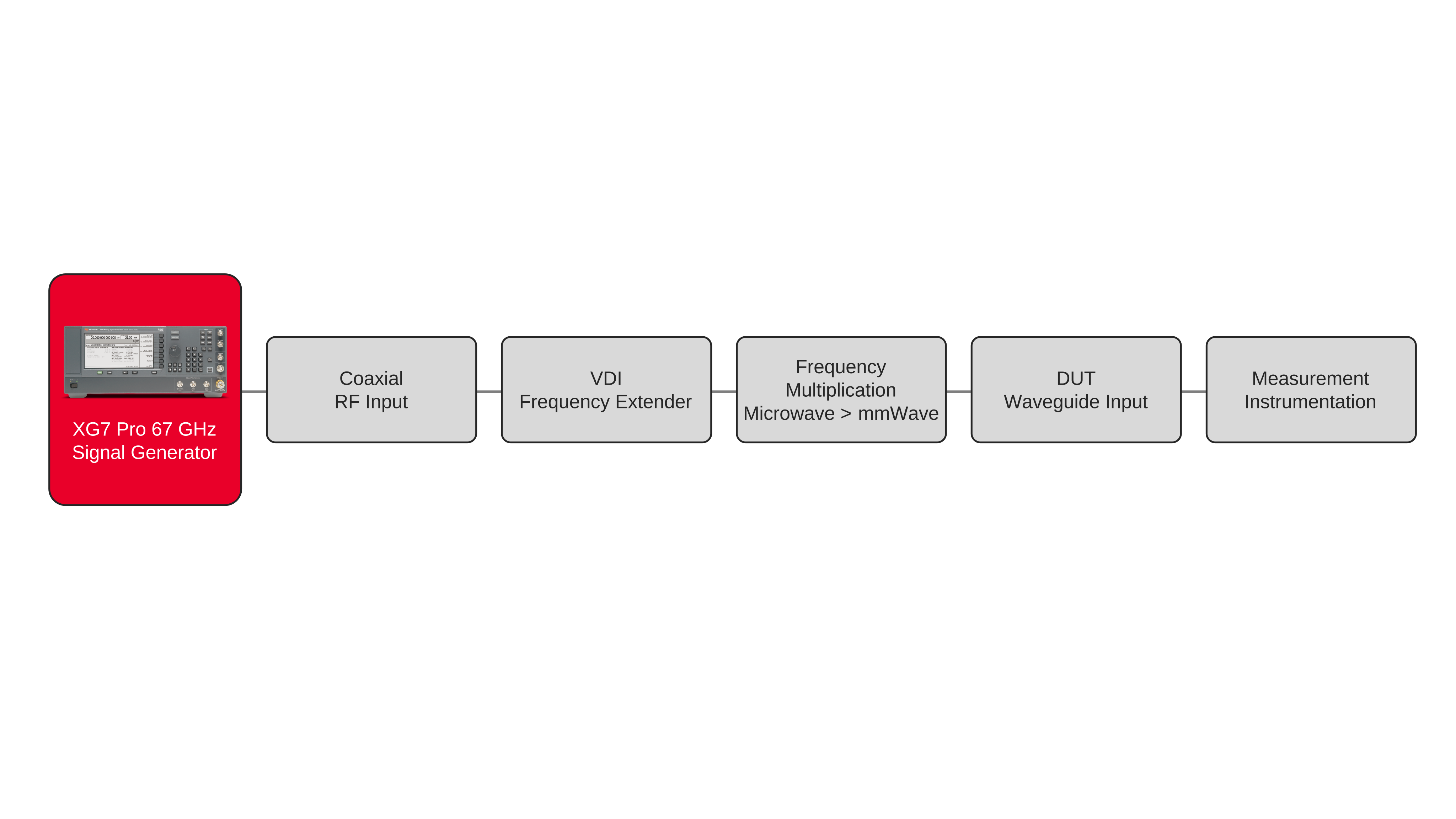
Engineers researching 6G H-band implementations require a wideband modulated signal generator with a high carrier frequency signal to evaluate 6G RF waveform performance. Learn how to characterize sub-THz wideband signals in the H-band using a 6G research testbed with custom modulation signal generation software.
Learn More