













- Overview
- All Models
- Support
Purpose-built Emulation For Mobile Ad Hoc Network Testing
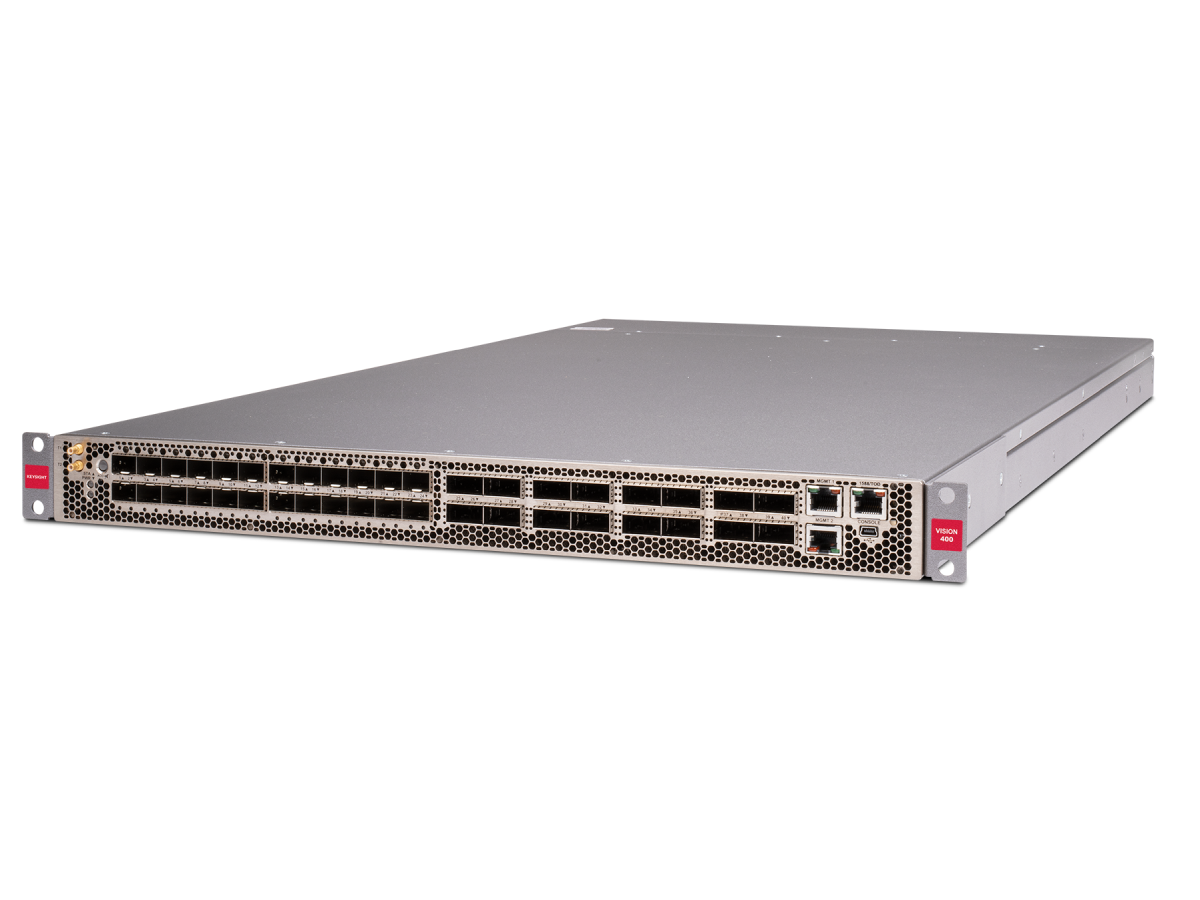
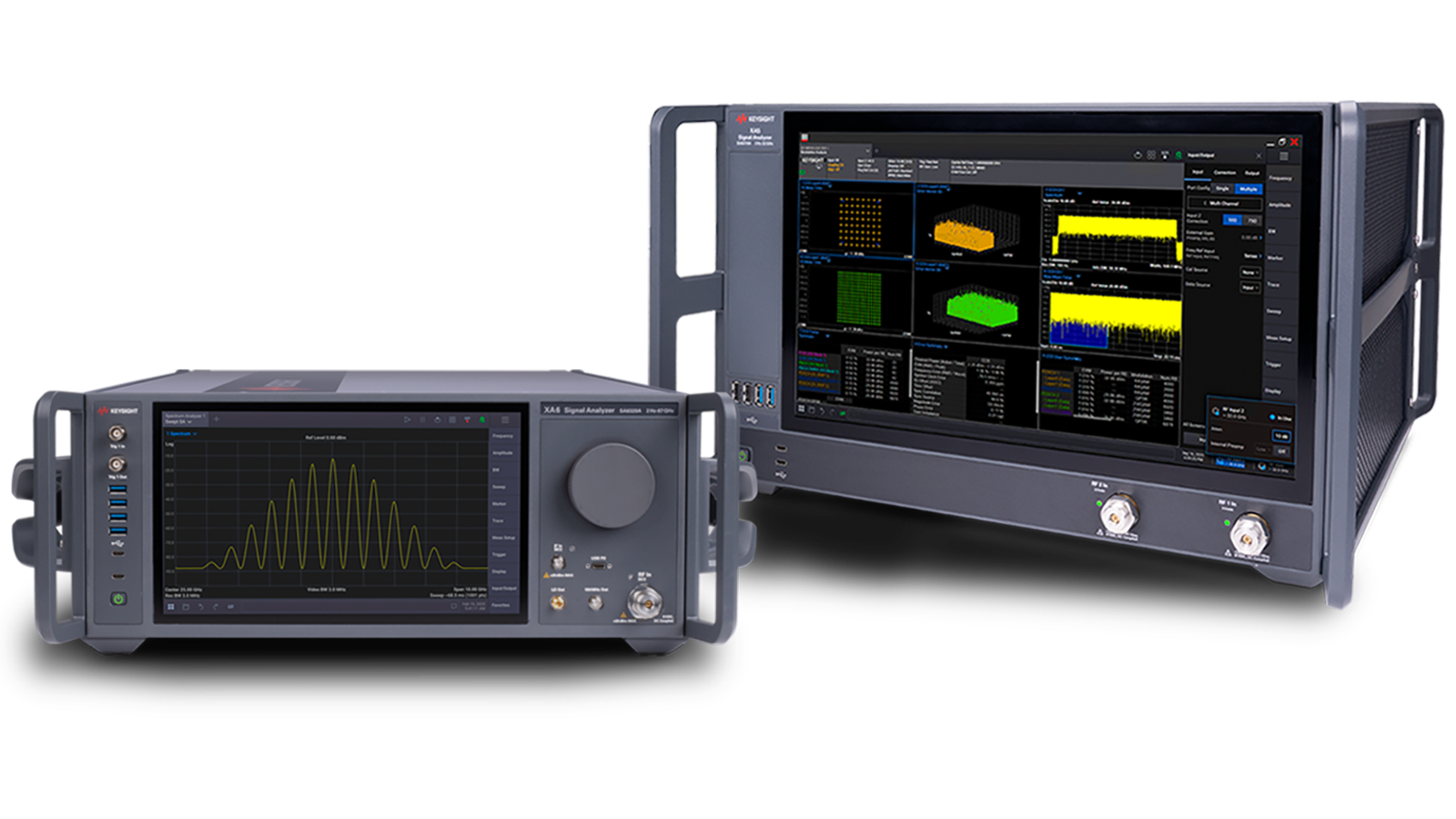
The Keysight MANET Channel Emulation Toolset is optimized for realistic emulation of complex MANET wireless conditions in the lab. Designed specifically for MANET developers and integrators, this toolset delivers repeatable, scalable, and highly flexible channel emulation for tactical radio, mesh, and autonomous networking applications. Validate real-world MANET performance with software-configurable mobility, terrain, and network topologies. Request a quote for the Keysight MANET Channel Emulation Toolset today. Want to learn more about this solution? Explore the resources below.
Realistic Network Mobility
Model dynamic peer-to-peer connections with software-defined mobility and node behavior, enabling true-to-life testing of MANET topologies.
Multihop Propagation
Simulate complex multihop communication with realistic RF propagation, delay, and Doppler effects across dozens of emulated radio nodes.
Dynamic Operational Modeling
Create dynamic scenarios and sophisticated modeling of an entire operational environment, including multilink and multi-antenna configurations.
Integrated Test Orchestration
Coordinate scalable, automated tests across RF channels, traffic flows, and user mobility, accelerating testing from development to deployment.
Typical configuration
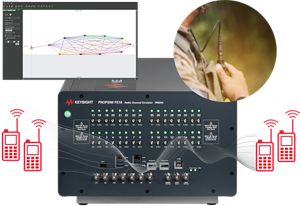

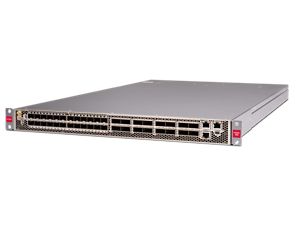
MANET Channel Emulation Toolset
- Explore Our Channel Emulator Catalog
- Mobile Ad Hoc Networks Channel Emulation Solution
Services and support
Innovate at speed with curated support plans and prioritized response and turn-around times.
Get predictable, lease-based subscriptions and full lifecycle management solutions—so you reach your business goals faster.
Experience elevated service as a KeysightCare subscriber to get committed technical response and more.
Ensure your test system performs to specification and meets local and global standards.
Make measurements quickly with in-house, instructor-led training, and eLearning.
Download Keysight software or update your software to the newest version.
Frequently asked questions
MANETs are decentralized, self-organizing wireless networks where each node acts as both a host and a router. Unlike traditional cellular or Wi-Fi networks, they do not rely on centralized access points or infrastructure, making them ideal for tactical, remote, or rapidly deployed communication.
Because MANETs are constantly evolving due to node mobility, link fluctuations, and multi-hop routing, their behavior is extremely difficult to predict or test using static lab environments or scripted field tests.
MANET emulators allow developers to accurately emulate node movement, topology shifts, and RF impairments in the lab, helping identify issues such as:
- routing convergence failures
- communication blackouts under specific node mobility patterns
- protocol inefficiencies at varying hop counts
- interference effects in clustered or mobile mesh networks
MANET emulators are purpose-built to emulate the highly dynamic and unpredictable conditions found in mobile ad hoc networks. These networks operate without fixed infrastructure, relying on peer-to-peer, multi-hop communication, making them sensitive to mobility, signal degradation, and topology changes.
The toolset enables lab-based testing of MANET nodes, allowing developers to recreate real-world RF scenarios such as urban obstructions, rural path loss, mobility-induced fading, and communication blackouts. By doing so, it eliminates the need for costly and logistically challenging field tests, while offering repeatable, automated, and scalable validation of routing behavior, radio performance, and network resilience.
It’s widely used by defense, public safety, aerospace, industrial IoT, and autonomous system developers to validate tactical radios, swarm communication protocols, and mission-critical mesh networks.
Traditional channel emulators are optimized for point-to-point or cellular scenarios, while network simulators model behavior without real RF. MANET emulators uniquely combine:
- RF channel realism through physical-layer channel impairment modeling
- dynamic topological behavior based on mobility and network evolution
- physical radio integration, allowing direct connection to real radios and devices under test
- time-based, directional channel control across multi-node networks
- custom scenario creation, including obstacles, terrain, and threat simulation
This hybrid approach gives users fine-grained control over both the RF environment and network structure, enabling realistic, repeatable, and actionable validation of MANET devices and protocols under true-to-life conditions.