How to Reproduce Anti-Islanding Tests Across Laboratories

Reproduce Comparable Island Test Conditions
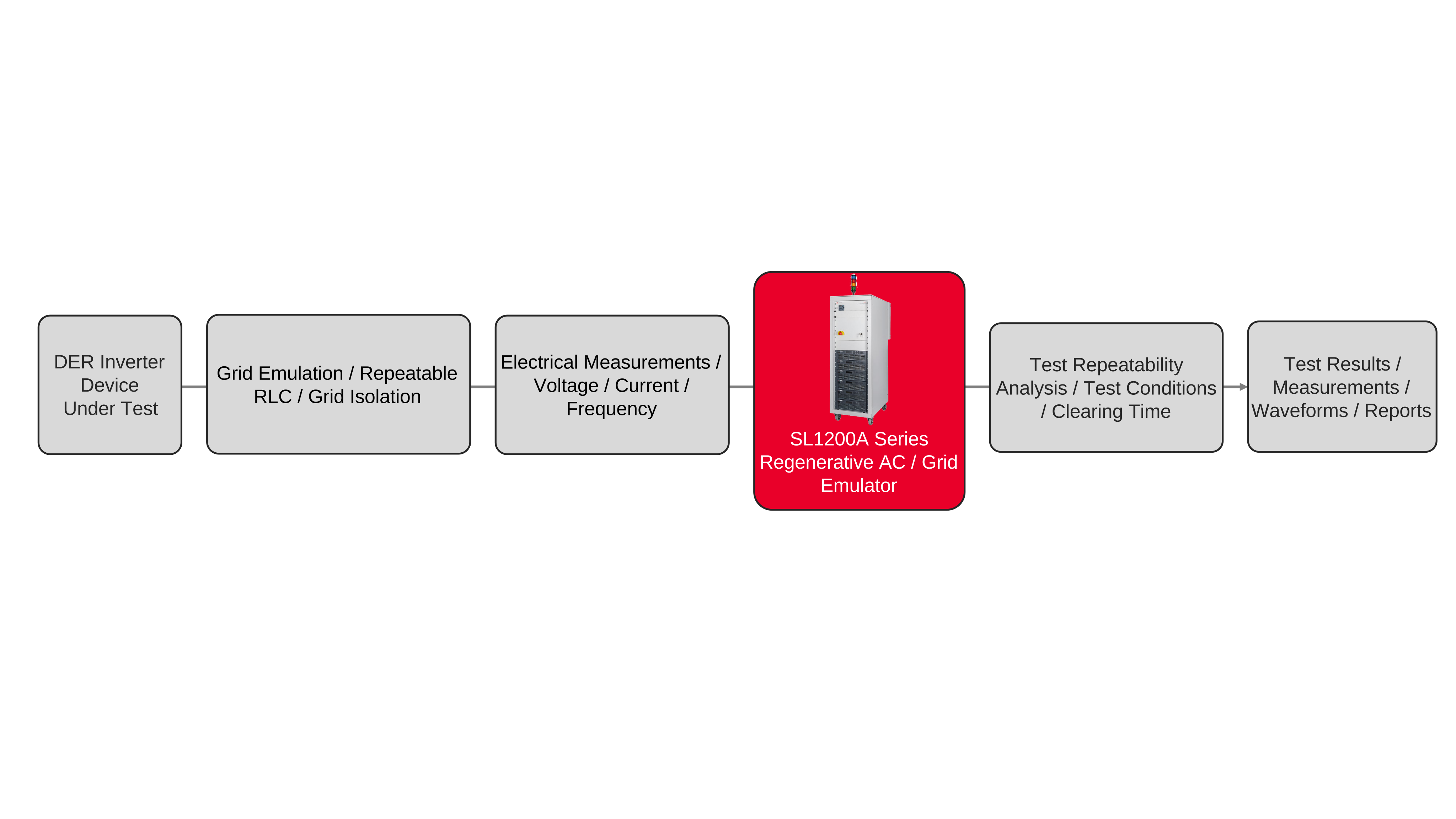
Cross-laboratory anti-islanding test repeatability begins with establishing the same electrical operating conditions at each test location. Engineers define the distributed energy resource (DER) inverter operating point, grid voltage and frequency, resonant resistance-inductance-capacitance (RLC) settings, and test sequence. The test environment measures residual grid current through the simulated isolation connection and tunes the resonant load to balance active and reactive power. A programmable Power Hardware-in-the-Loop (PHIL) environment allows engineers to configure equivalent nominal RLC conditions at different test locations without manually adjusting physical load components. Integrated resonant RLC autotuning helps establish the required island operating point, while consistent setup and tuning criteria support more comparable test conditions across laboratories.
After confirming the pre-island state, each laboratory opens the simulated grid connection under defined conditions and records island voltage, frequency, current, and inverter clearing-time behavior. Test records can include operating settings, electrical measurements, resonant load conditions, and available waveform results so engineers can compare runs from development and certification environments. These comparisons help distinguish differences in configured test conditions from variations in inverter response. PHIL-based anti-islanding test automation supports consistent execution, automated data formatting, and report generation, reducing manual result handling across repeated tests. Results may still depend on inverter configuration, site conditions, calibration, and measurement uncertainty. This approach supports more consistent anti-islanding testing across laboratories by maintaining repeatable electrical conditions, standardized test procedures, and comparable measurement results.

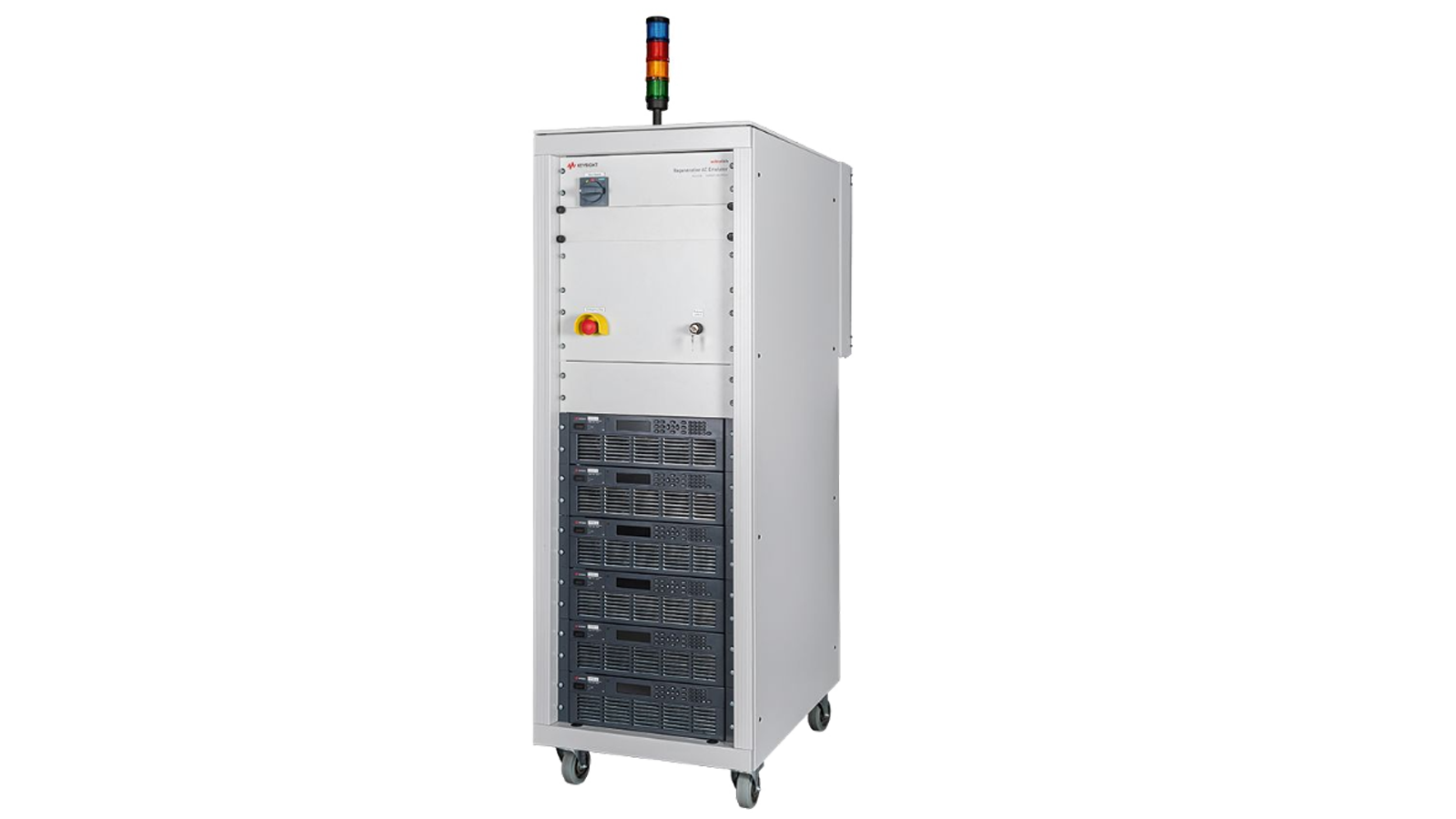
Cross-Laboratory Island Test Repeatability Solution
See Block Diagram of Cross-Laboratory Island Test Repeatability Solution

Explore Products in Our Cross-Laboratory Island Test Repeatability Solution
-

![]()
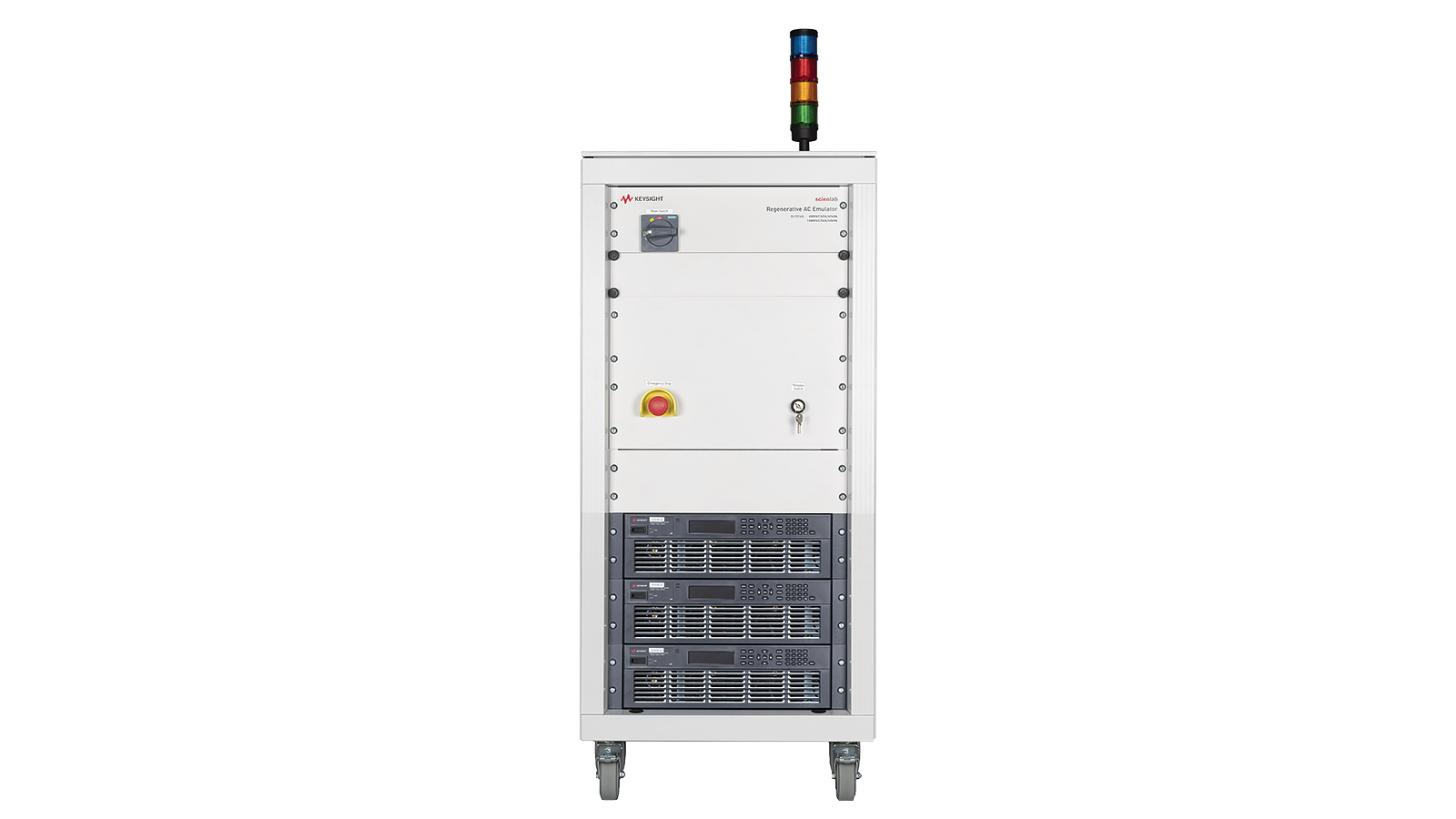
SL1201A Scienlab Regenerative AC Emulator, 600 VAC, 63 A, 42 kVA, 3‑Phase
-
![]()
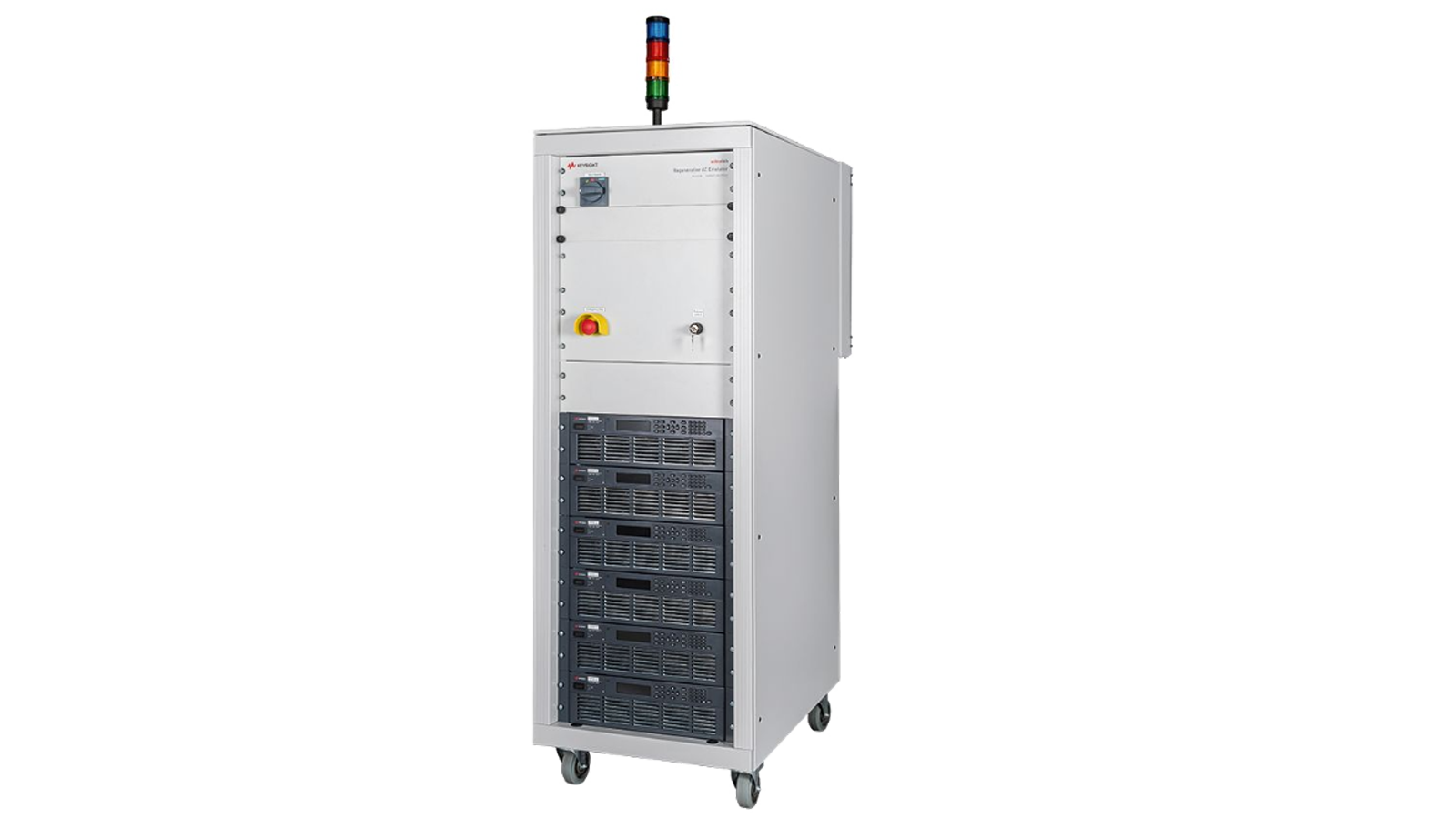
SL1212A Scienlab Regenerative AC Emulator, 1200 VAC, 32 A, 68 kVA, 3‑Phase
-
![]()
SL1213A Scienlab Regenerative AC Emulator, 1200 VAC, 65 A, 90 kVA, 3‑Phase
-
![]()
SL1202A Scienlab Regenerative AC Emulator, 600 VAC, 63 A, 66 kVA, 3‑Phase
-

![]()
SL1203A Scienlab Regenerative AC Emulator, 600 VAC, 125 A, 130 kVA, 3‑Phase


Discover Resources and Insights
Additional Resources for Cross-Laboratory Island Test Repeatability
Related Use Cases

-
![]()
Learn More
How to Automate Anti-Islanding Compliance Test Reporting
Automate anti-islanding test reporting by organizing electrical measurements, clearing-time results, test settings, and recorded waveforms from repeated islanding conditions into consolidated reports for engineering review and compliance test documentation.
Learn More

-
![]()
Learn More
How to Test Unintentional Island Clearing Time
Measure unintentional island clearing time for a grid-connected distributed energy resource inverter using programmable grid emulation, controlled island formation, resonant load behavior, synchronized electrical measurements, and automated shutdown-time analysis for IEEE 1547.1 anti-islanding test workflows.
Learn More
-
![]()
Learn More
How to Automate Resonant RLC Island Tuning
Automate resonant RLC tuning for three-phase anti-islanding tests by measuring residual grid current, calculating load adjustments, and iteratively balancing active and reactive power to establish repeatable stable island conditions.
Learn More

Get in Touch With One of Our Experts
Need help finding the right solution for you?