Learn More
segmentation:campaign/Digital_High_Performance,segmentation:business-unit/CSG,keysight:product-lines/1a,segmentation:funnel/mofu,segmentation:search-relevance-product/software,keysight:dtx/solutions/facets/development-area/high-speed-digital,keysight:dtx/solutions/facets/workflow-stage/conformance-and-compliance,keysight:dtx/solutions/facets/industry/wireline-communications,keysight:dtx/solutions/facets/design-and-test-product/bit-error-ratio-testers,segmentation:product-category/Oscilloscopes_BERTs_AWGs,segmentation:product-category/Oscilloscopes_BERTs_AWGs/BERTs,keysight:models/m8/m8040a,keysight:models/n5/n5991u40a,keysight:models/ux/uxr0334b,keysight:models/d9/d9020asiasegmentation:campaign/Digital_High_Performance,segmentation:business-unit/CSG,keysight:product-lines/1a,segmentation:funnel/mofu,segmentation:search-relevance-product/software,keysight:dtx/solutions/facets/development-area/high-speed-digital,keysight:dtx/solutions/facets/workflow-stage/conformance-and-compliance,keysight:dtx/solutions/facets/industry/wireline-communications,keysight:dtx/solutions/facets/design-and-test-product/bit-error-ratio-testers,segmentation:product-category/Oscilloscopes_BERTs_AWGs,segmentation:product-category/Oscilloscopes_BERTs_AWGs/BERTs,keysight:models/m8/m8040a,keysight:models/n5/n5991u40a,keysight:models/ux/uxr0334b,keysight:models/d9/d9020asiasegmentation:campaign/Digital_High_Performance,segmentation:business-unit/CSG,keysight:product-lines/1a,segmentation:funnel/mofu,segmentation:search-relevance-product/software,keysight:dtx/solutions/facets/development-area/high-speed-digital,keysight:dtx/solutions/facets/workflow-stage/conformance-and-compliance,keysight:dtx/solutions/facets/industry/wireline-communications,keysight:dtx/solutions/facets/design-and-test-product/bit-error-ratio-testers,segmentation:product-category/Oscilloscopes_BERTs_AWGs,segmentation:product-category/Oscilloscopes_BERTs_AWGs/BERTs,keysight:models/m8/m8040a,keysight:models/n5/n5991u40a,keysight:models/ux/uxr0334b,keysight:models/d9/d9020asiasegmentation:campaign/Digital_High_Performance,segmentation:business-unit/CSG,keysight:product-lines/1a,segmentation:funnel/mofu,segmentation:search-relevance-product/software,keysight:dtx/solutions/facets/development-area/high-speed-digital,keysight:dtx/solutions/facets/workflow-stage/conformance-and-compliance,keysight:dtx/solutions/facets/industry/wireline-communications,keysight:dtx/solutions/facets/design-and-test-product/bit-error-ratio-testers,segmentation:product-category/Oscilloscopes_BERTs_AWGs,segmentation:product-category/Oscilloscopes_BERTs_AWGs/BERTs,keysight:models/m8/m8040a,keysight:models/n5/n5991u40a,keysight:models/ux/uxr0334b,keysight:models/d9/d9020asiasegmentation:campaign/Digital_High_Performance,segmentation:business-unit/CSG,keysight:product-lines/1a,segmentation:funnel/mofu,segmentation:search-relevance-product/software,keysight:dtx/solutions/facets/development-area/high-speed-digital,keysight:dtx/solutions/facets/workflow-stage/conformance-and-compliance,keysight:dtx/solutions/facets/industry/wireline-communications,keysight:dtx/solutions/facets/design-and-test-product/bit-error-ratio-testers,segmentation:product-category/Oscilloscopes_BERTs_AWGs,segmentation:product-category/Oscilloscopes_BERTs_AWGs/BERTs,keysight:models/m8/m8040a,keysight:models/n5/n5991u40a,keysight:models/ux/uxr0334b,keysight:models/d9/d9020asiasegmentation:campaign/Digital_High_Performance,segmentation:business-unit/CSG,keysight:product-lines/1a,segmentation:funnel/mofu,segmentation:search-relevance-product/software,keysight:dtx/solutions/facets/development-area/high-speed-digital,keysight:dtx/solutions/facets/workflow-stage/conformance-and-compliance,keysight:dtx/solutions/facets/industry/wireline-communications,keysight:dtx/solutions/facets/design-and-test-product/bit-error-ratio-testers,segmentation:product-category/Oscilloscopes_BERTs_AWGs,segmentation:product-category/Oscilloscopes_BERTs_AWGs/BERTs,keysight:models/m8/m8040a,keysight:models/n5/n5991u40a,keysight:models/ux/uxr0334b,keysight:models/d9/d9020asiasegmentation:campaign/Digital_High_Performance,segmentation:business-unit/CSG,keysight:product-lines/1a,segmentation:funnel/mofu,segmentation:search-relevance-product/software,keysight:dtx/solutions/facets/development-area/high-speed-digital,keysight:dtx/solutions/facets/workflow-stage/conformance-and-compliance,keysight:dtx/solutions/facets/industry/wireline-communications,keysight:dtx/solutions/facets/design-and-test-product/bit-error-ratio-testers,segmentation:product-category/Oscilloscopes_BERTs_AWGs,segmentation:product-category/Oscilloscopes_BERTs_AWGs/BERTs,keysight:models/m8/m8040a,keysight:models/n5/n5991u40a,keysight:models/ux/uxr0334b,keysight:models/d9/d9020asiasegmentation:campaign/Digital_High_Performance,segmentation:business-unit/CSG,keysight:product-lines/1a,segmentation:funnel/mofu,segmentation:search-relevance-product/software,keysight:dtx/solutions/facets/development-area/high-speed-digital,keysight:dtx/solutions/facets/workflow-stage/conformance-and-compliance,keysight:dtx/solutions/facets/industry/wireline-communications,keysight:dtx/solutions/facets/design-and-test-product/bit-error-ratio-testers,segmentation:product-category/Oscilloscopes_BERTs_AWGs,segmentation:product-category/Oscilloscopes_BERTs_AWGs/BERTs,keysight:models/m8/m8040a,keysight:models/n5/n5991u40a,keysight:models/ux/uxr0334b,keysight:models/d9/d9020asiasegmentation:campaign/Digital_High_Performance,segmentation:business-unit/CSG,keysight:product-lines/1a,segmentation:funnel/mofu,segmentation:search-relevance-product/software,keysight:dtx/solutions/facets/development-area/high-speed-digital,keysight:dtx/solutions/facets/workflow-stage/conformance-and-compliance,keysight:dtx/solutions/facets/industry/wireline-communications,keysight:dtx/solutions/facets/design-and-test-product/bit-error-ratio-testers,segmentation:product-category/Oscilloscopes_BERTs_AWGs,segmentation:product-category/Oscilloscopes_BERTs_AWGs/BERTs,keysight:models/m8/m8040a,keysight:models/n5/n5991u40a,keysight:models/ux/uxr0334b,keysight:models/d9/d9020asiasegmentation:campaign/Digital_High_Performance,segmentation:business-unit/CSG,keysight:product-lines/1a,segmentation:funnel/mofu,segmentation:search-relevance-product/software,keysight:dtx/solutions/facets/development-area/high-speed-digital,keysight:dtx/solutions/facets/workflow-stage/conformance-and-compliance,keysight:dtx/solutions/facets/industry/wireline-communications,keysight:dtx/solutions/facets/design-and-test-product/bit-error-ratio-testers,segmentation:product-category/Oscilloscopes_BERTs_AWGs,segmentation:product-category/Oscilloscopes_BERTs_AWGs/BERTs,keysight:models/m8/m8040a,keysight:models/n5/n5991u40a,keysight:models/ux/uxr0334b,keysight:models/d9/d9020asiasegmentation:campaign/Digital_High_Performance,segmentation:business-unit/CSG,keysight:product-lines/1a,segmentation:funnel/mofu,segmentation:search-relevance-product/software,keysight:dtx/solutions/facets/development-area/high-speed-digital,keysight:dtx/solutions/facets/workflow-stage/conformance-and-compliance,keysight:dtx/solutions/facets/industry/wireline-communications,keysight:dtx/solutions/facets/design-and-test-product/bit-error-ratio-testers,segmentation:product-category/Oscilloscopes_BERTs_AWGs,segmentation:product-category/Oscilloscopes_BERTs_AWGs/BERTs,keysight:models/m8/m8040a,keysight:models/n5/n5991u40a,keysight:models/ux/uxr0334b,keysight:models/d9/d9020asiasegmentation:campaign/Digital_High_Performance,segmentation:business-unit/CSG,keysight:product-lines/1a,segmentation:funnel/mofu,segmentation:search-relevance-product/software,keysight:dtx/solutions/facets/development-area/high-speed-digital,keysight:dtx/solutions/facets/workflow-stage/conformance-and-compliance,keysight:dtx/solutions/facets/industry/wireline-communications,keysight:dtx/solutions/facets/design-and-test-product/bit-error-ratio-testers,segmentation:product-category/Oscilloscopes_BERTs_AWGs,segmentation:product-category/Oscilloscopes_BERTs_AWGs/BERTs,keysight:models/m8/m8040a,keysight:models/n5/n5991u40a,keysight:models/ux/uxr0334b,keysight:models/d9/d9020asiasegmentation:campaign/Digital_High_Performance,segmentation:business-unit/CSG,keysight:product-lines/1a,segmentation:funnel/mofu,segmentation:search-relevance-product/software,keysight:dtx/solutions/facets/development-area/high-speed-digital,keysight:dtx/solutions/facets/workflow-stage/conformance-and-compliance,keysight:dtx/solutions/facets/industry/wireline-communications,keysight:dtx/solutions/facets/design-and-test-product/bit-error-ratio-testers,segmentation:product-category/Oscilloscopes_BERTs_AWGs,segmentation:product-category/Oscilloscopes_BERTs_AWGs/BERTs,keysight:models/m8/m8040a,keysight:models/n5/n5991u40a,keysight:models/ux/uxr0334b,keysight:models/d9/d9020asiasegmentation:campaign/Digital_High_Performance,segmentation:business-unit/CSG,keysight:product-lines/1a,segmentation:funnel/mofu,segmentation:search-relevance-product/software,keysight:dtx/solutions/facets/development-area/high-speed-digital,keysight:dtx/solutions/facets/workflow-stage/conformance-and-compliance,keysight:dtx/solutions/facets/industry/wireline-communications,keysight:dtx/solutions/facets/design-and-test-product/bit-error-ratio-testers,segmentation:product-category/Oscilloscopes_BERTs_AWGs,segmentation:product-category/Oscilloscopes_BERTs_AWGs/BERTs,keysight:models/m8/m8040a,keysight:models/n5/n5991u40a,keysight:models/ux/uxr0334b,keysight:models/d9/d9020asiasegmentation:campaign/Digital_High_Performance,segmentation:business-unit/CSG,keysight:product-lines/1a,segmentation:funnel/mofu,segmentation:search-relevance-product/software,keysight:dtx/solutions/facets/development-area/high-speed-digital,keysight:dtx/solutions/facets/workflow-stage/conformance-and-compliance,keysight:dtx/solutions/facets/industry/wireline-communications,keysight:dtx/solutions/facets/design-and-test-product/bit-error-ratio-testers,segmentation:product-category/Oscilloscopes_BERTs_AWGs,segmentation:product-category/Oscilloscopes_BERTs_AWGs/BERTs,keysight:models/m8/m8040a,keysight:models/n5/n5991u40a,keysight:models/ux/uxr0334b,keysight:models/d9/d9020asia
How to Test USB4 Receiver Compliance
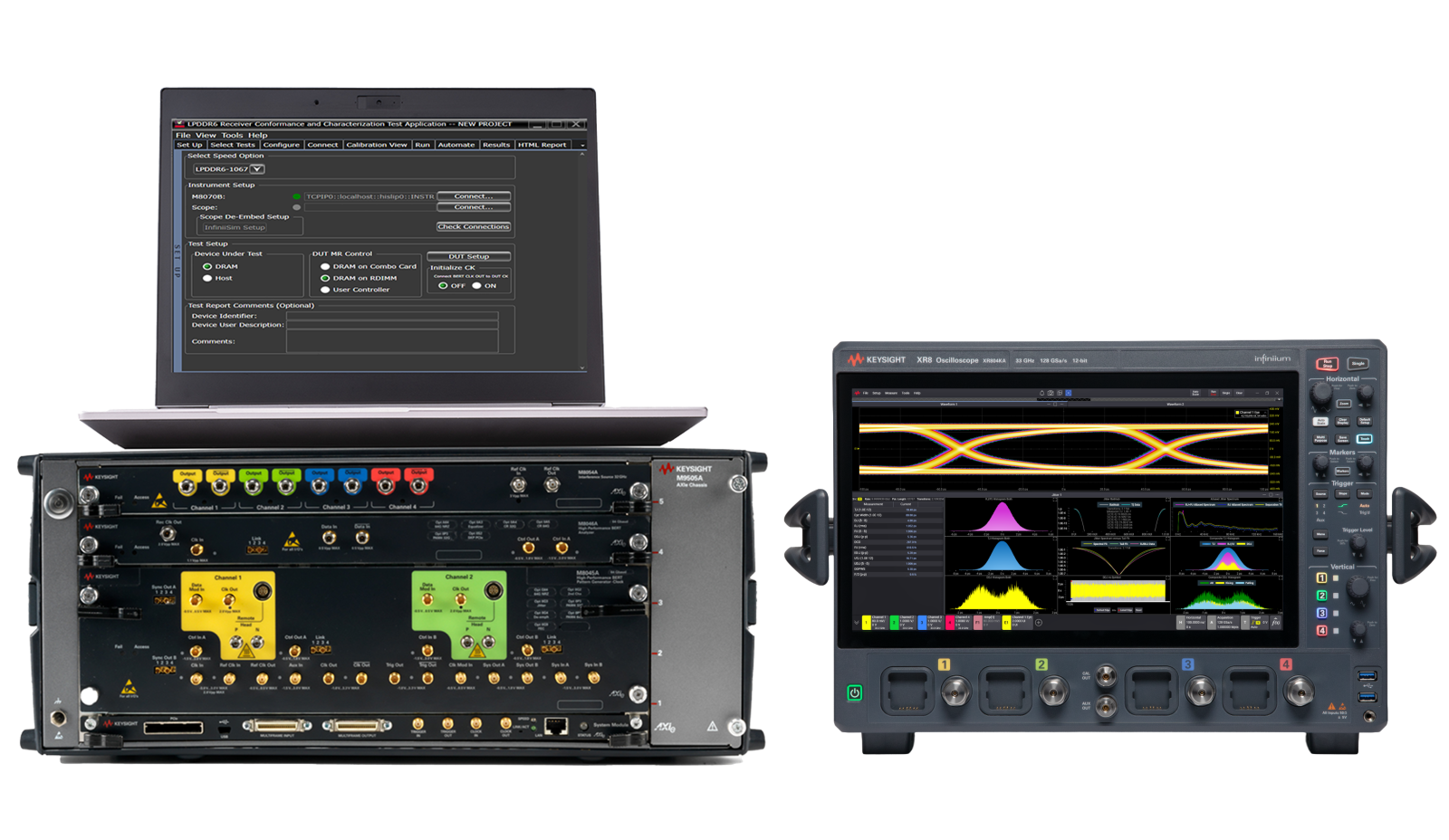
Testing physical layer (PHY) USB4 electrical performance requires executing conformance tests defined by the Universal Serial Bus Implementers Forum (USB-IF). Learn how to tune and calibrate a bit error ratio tester's (BERT) stress signal amplitude, channel equalization, and insertion loss to achieve accurate stress conditions required for conformance testing.
Learn More