How to Increase RF Density in Automated Testing
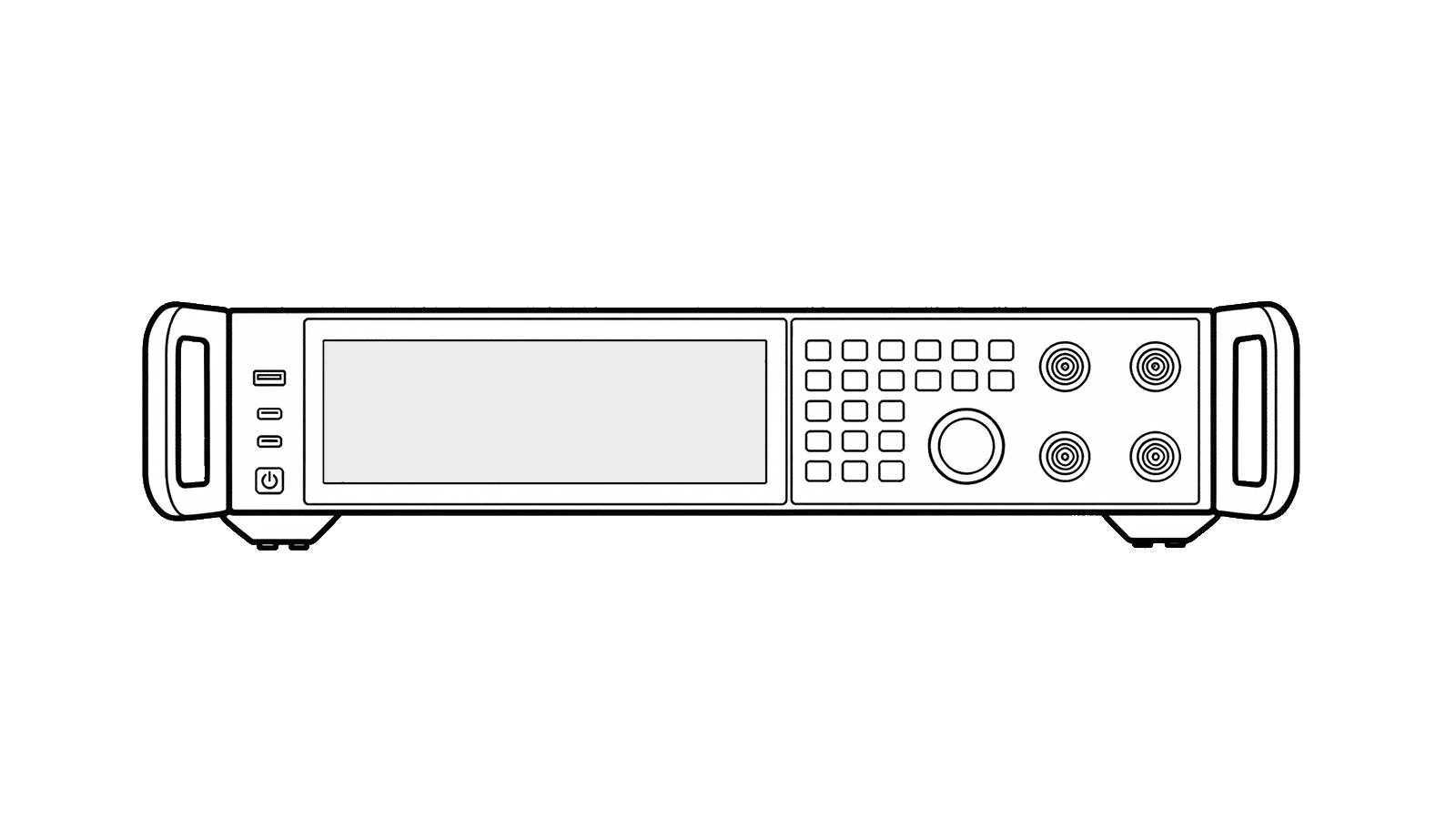
Increase Signal-Generation Density
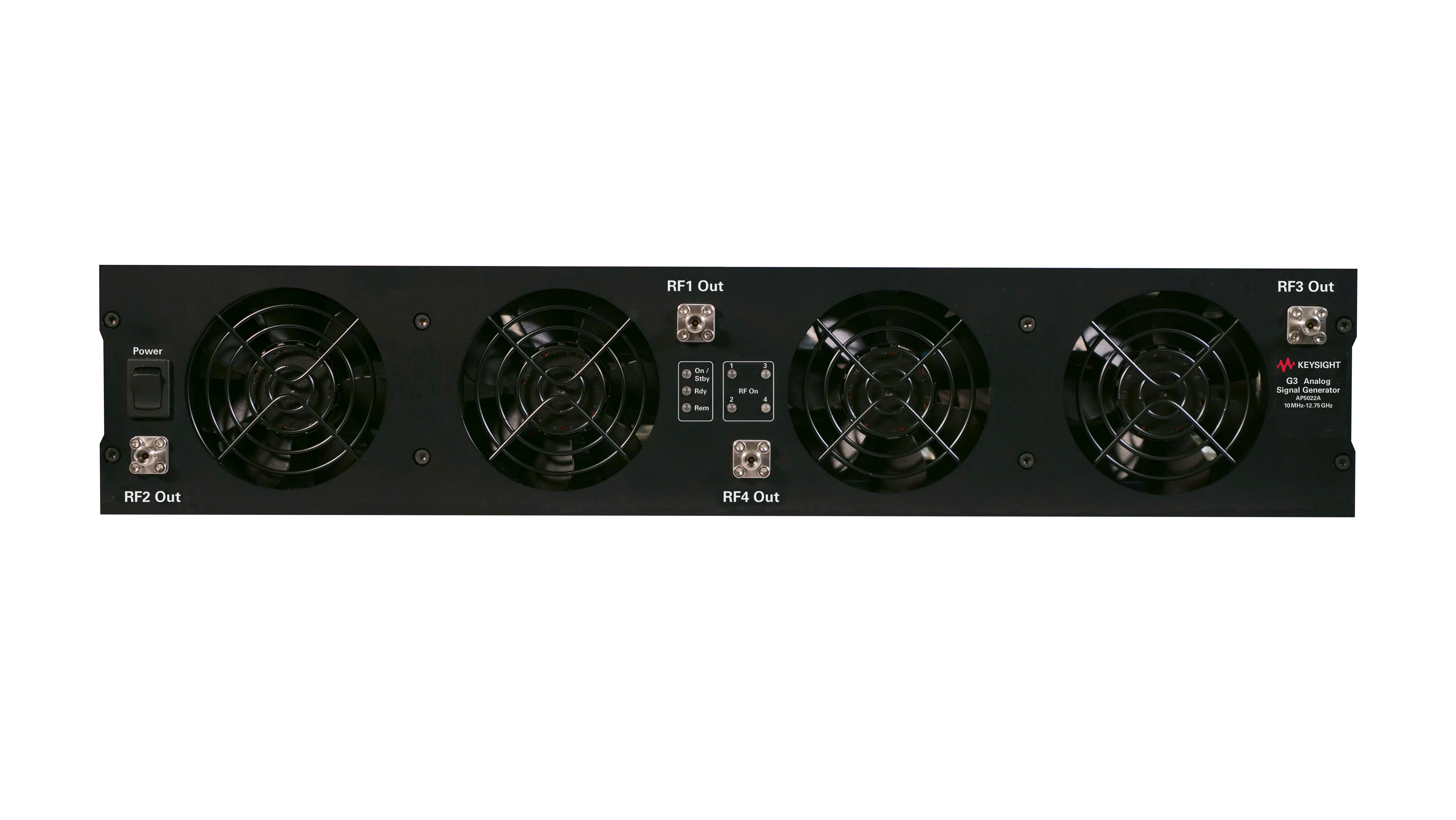
Automated radio-frequency (RF) testing uses multiple source channels to stimulate receiver inputs, drive local oscillator (LO) paths, and exercise parallel signal chains. Engineers define the number of required channels, carrier frequencies, output levels, signal formats, and timing relationships for each path. A multichannel RF signal generator can supply independently programmed signals within a shared instrument enclosure. Analog sources provide continuous-wave (CW) and other supported analog stimulus configurations; a multichannel vector source provides digitally modulated signals where the test plan requires them. The test setup connects the source outputs to a device under test (DUT), using suitable cabling, switches, attenuation, and measurement instruments. Engineers establish a channel map and confirm that the chosen instrument configuration meets the required frequency and power limits. The analog models represent different performance tiers, with specific capabilities determined from their respective data sheets.
The automated test controller configures each channel’s frequency, power, and supported modulation or trigger settings. Test sequences apply source states to the assigned DUT paths and capture the resulting receiver or conversion-stage measurements. Where phase relationships matter, engineers configure appropriate references and synchronization methods and check the applicable instrument options. Frequency and power transitions are scheduled with attention to automatic leveling correction (ALC), output blanking, settling behavior, and trigger timing. For continuous-wave measurements, leveling settings can prioritize output accuracy; for rapid state changes, engineers evaluate the relevant switching modes and tradeoffs. Separate channels may deliver different local oscillator frequencies or concurrent receiver stimuli, depending on the test architecture. Measured responses are associated with the programmed source states for subsequent comparison. The final arrangement depends on the number of required signals, the selected generator model, and the DUT interface.

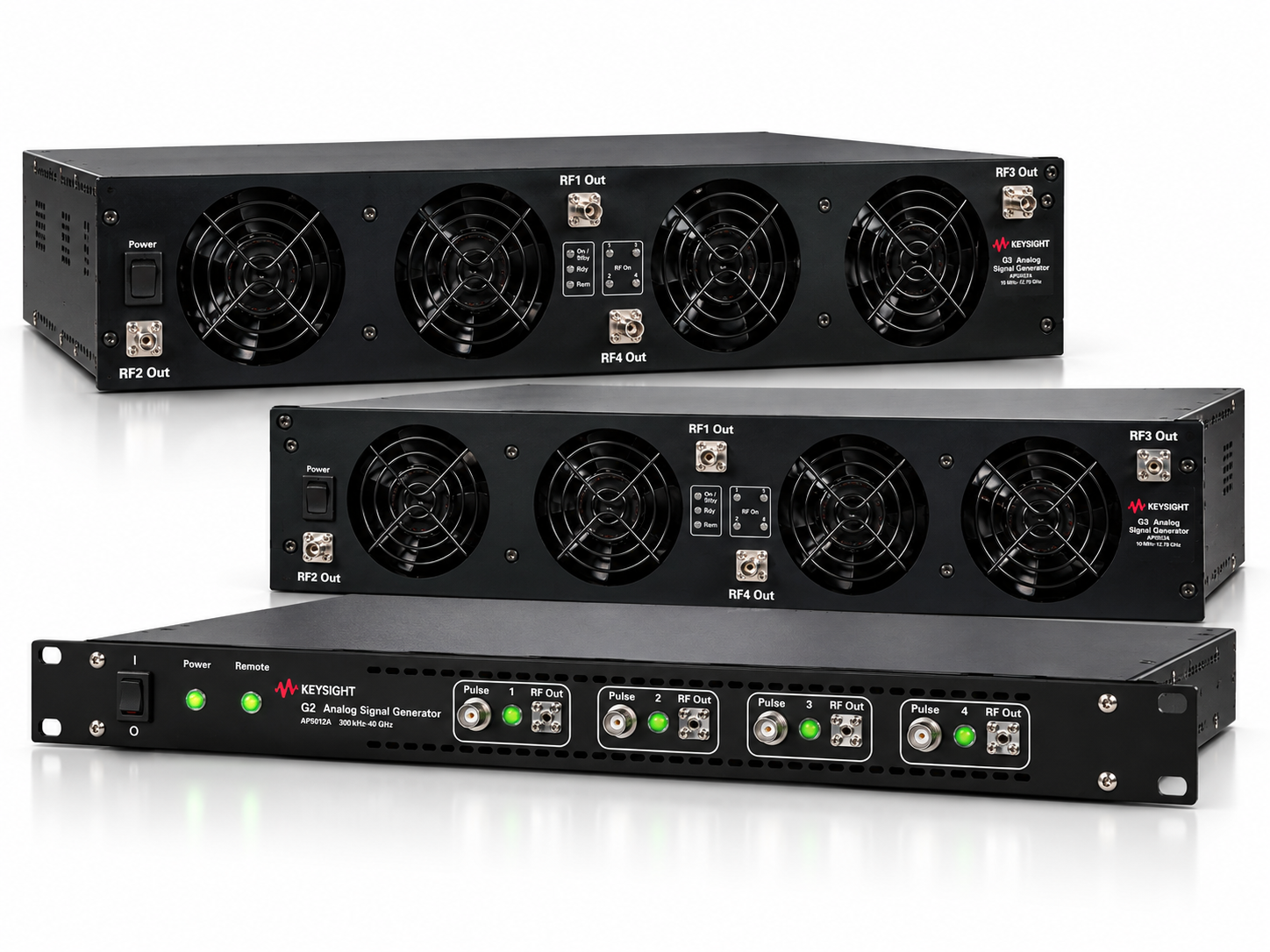
Compact Multichannel RF Signal-Generation Solution
See Block Diagram of Compact Multichannel RF Signal-Generation Solution


Explore Products in Our Compact Multichannel RF Signal-Generation Solution
-

![]()
AP5042A Vector Signal Generator, 100 kHz to 40 GHz
-
![]()
AP5022A Analog Signal Generator, 9 kHz to 54 GHz
-

![]()
AP5032A Analog Signal Generator, 1 kHz to 51 GHz
-
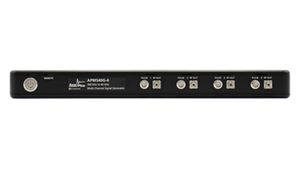
![]()
AP5012A Analog Signal Generator, 300 kHz to 40 GHz



Discover Resources and Insights
Discover Resources and Insights Additional Resources for Compact Multichannel RF Signal-Generation
Related Use Cases

-
![]()
Learn More
How to Test Direction-Finding Systems
Use phase-stable multi-channel RF sources to validate direction-finding, angle-of-arrival, and coherent receiver performance.
Learn More

-
![]()
Learn More
How to Create Electronic Warfare Test Signals
Control pulse density and dropped pulses by changing threat start times and priority, pulse width, repetition frequency, and coherent processing intervals.
Learn More
-
![]()
Learn More
How to Simulate EW Threat Scenarios
Perform full-spectrum, real-time RF threat scenario simulation with dynamic scenario control, emitter modeling, and high-fidelity visualization.
Learn More

Get in Touch with One of Our Experts
Need help finding the right solution for you?