How to Measure Phase Noise in RF Systems

Measure Phase Noise with High Accuracy
Phase noise is a critical performance parameter in RF and microwave designs because it directly affects signal purity, spectral efficiency, and overall system performance. Excess phase noise can degrade modulation accuracy, increase bit error rates, and reduce the ability of systems to separate desired signals from noise, ultimately limiting performance in demanding applications such as radar, satellite communications, and advanced wireless networks. Because these effects can influence everything from link reliability to detection accuracy, engineers must characterize phase noise across a wide range of offset frequencies to gain a complete understanding of oscillator and synthesizer behavior under real operating conditions.
A precise and repeatable measurement approach helps engineers identify dominant noise contributors, evaluate design tradeoffs, optimize oscillator architectures, and validate performance against stringent system requirements. By leveraging high-performance signal analyzers and applying best-practice measurement techniques, teams can improve sensitivity, reduce uncertainty, and generate consistent results across development and validation workflows. This enables engineers to better correlate measured performance with design expectations, troubleshoot noise-related issues more efficiently, and make more informed decisions during RF and microwave system optimization.


High-Accuracy Phase Noise Measurement Solution
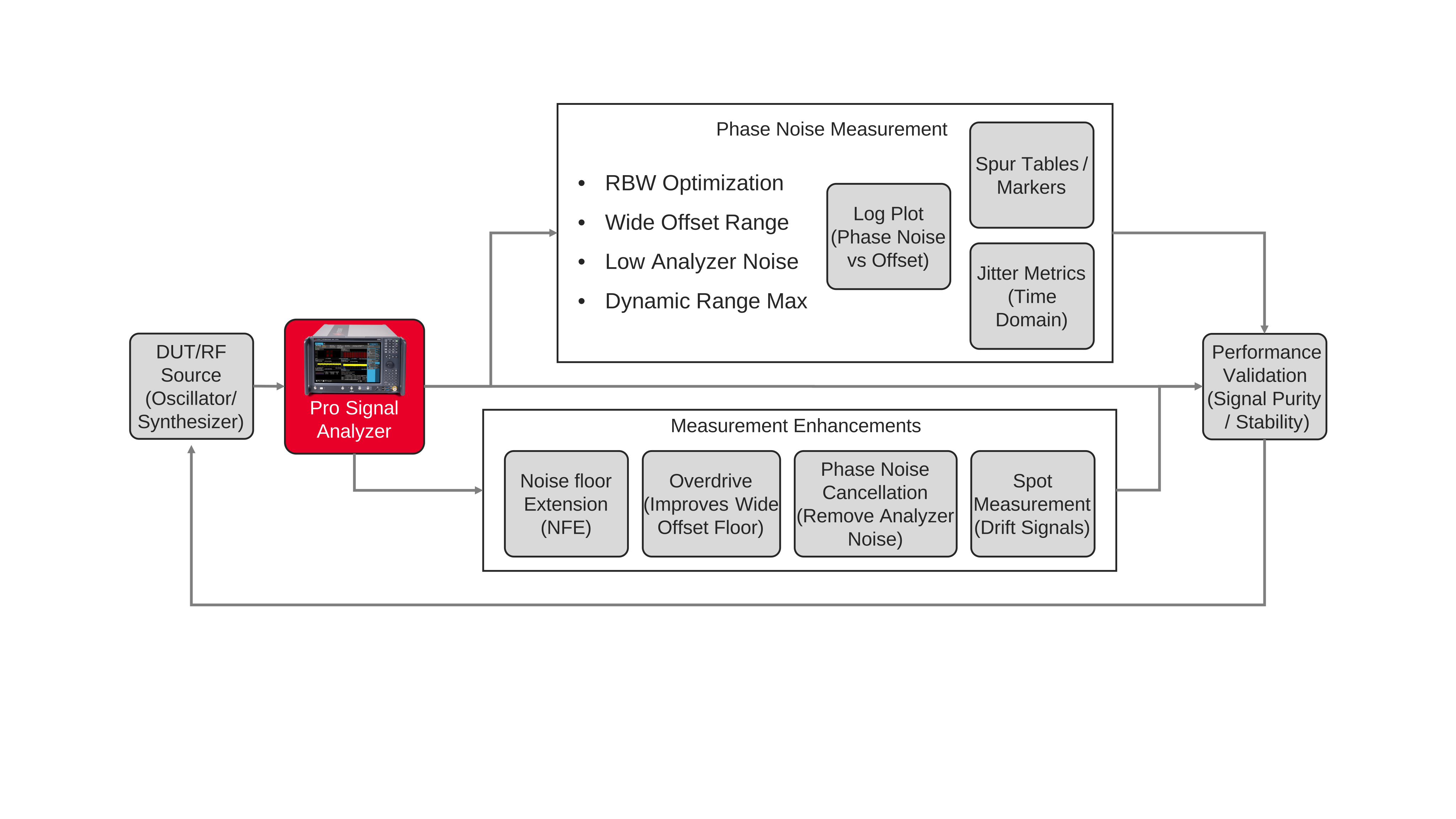
See Block Diagram of Phase Noise Measurement Test Solution

Explore Products for High-Accuracy Phase Noise Measurement Solution
-

![]()
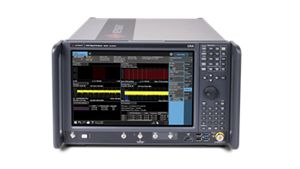
N9042B UXA Signal Analyzer, 2 Hz to 75 GHz

Discover Resources and Insights
Additional Resources for High-Accuracy Phase Noise Measurement
Related Use Cases


-
![]()
Learn More
How to Capture Long-Duration In-Phase and Quadrature Data for Offline Signal Analysis
Capture long-duration in-phase and quadrature data using a handheld spectrum analyzer for offline signal analysis and post-processing.
Learn More

-
![]()
Learn More
How to Characterize Cascaded Noise Figure in RF Chains
Characterize cascaded noise figure in multi-stage RF chains to understand system-level noise performance and optimize receiver design using the noise figure analyzer.
Learn More
-
![]()
Learn More
How to Optimize Spectrum Analyzer Preselection
Compare YIG and switched filter bank preselection architectures to optimize RF measurement speed, dynamic range, and spur suppression.
Learn More

Get in Touch with One of Our Experts
Need help finding the right solution?