How to Verify eCall Minimum Data Transmission

Verify Emergency Data Transfer
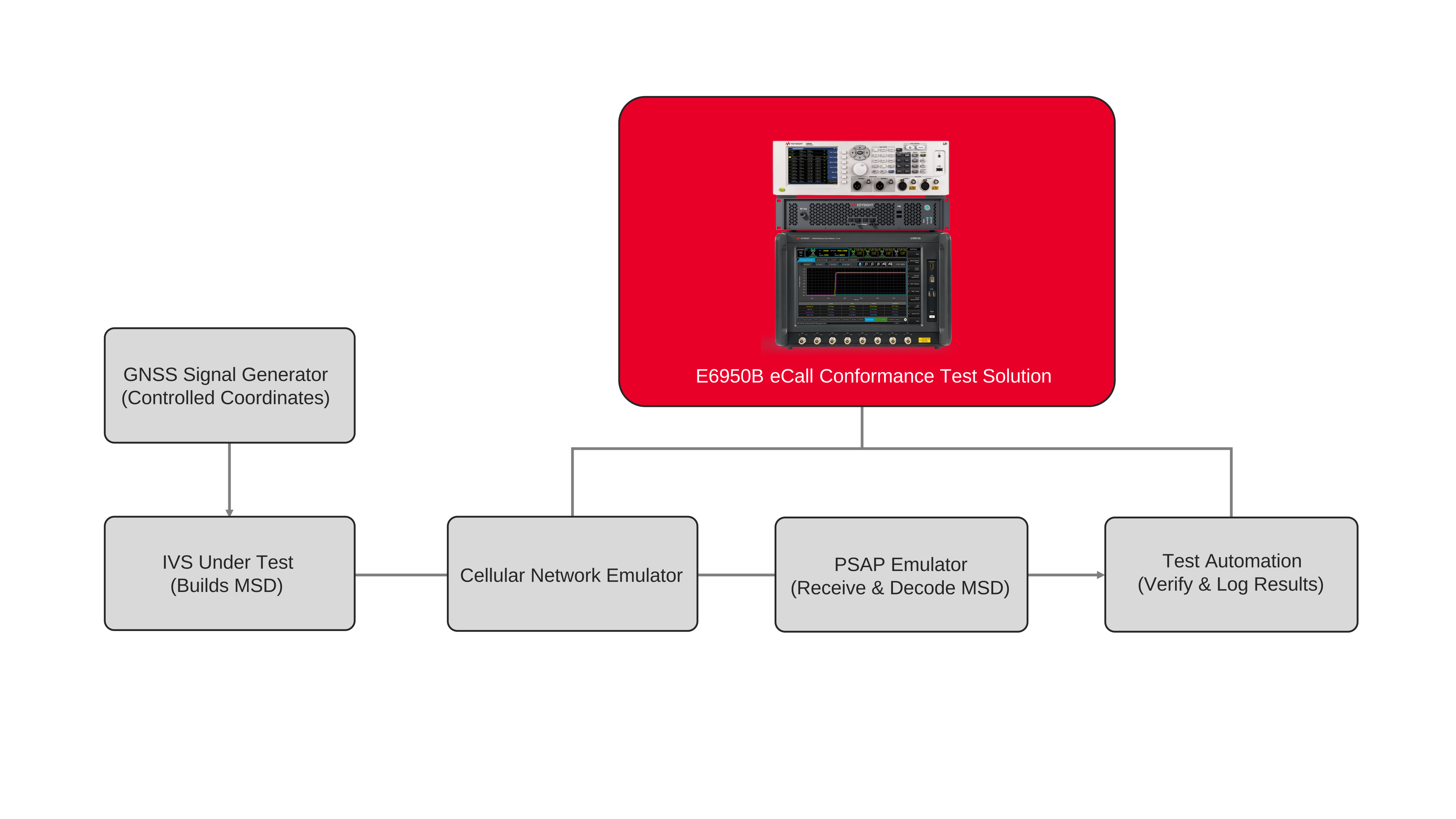
Minimum Set of Data (MSD) transmission verification requires an in-vehicle system, controlled Global Navigation Satellite System (GNSS) coordinates, an emulated cellular network, and a Public Safety Answering Point (PSAP). The GNSS input provides the position information used by the in-vehicle system to compile the MSD, while the emulated network and PSAP create the emergency-call path needed to transfer it. Keysight source material identifies vehicle identification, location, and timestamp among the information carried in the MSD and describes verification of the correct raw MSD as a core part of the eCall and ERA-GLONASS test workflow.
Engineers trigger the emergency call and observe whether the in-vehicle system sends the expected raw MSD to the PSAP before the voice portion of the session is established. The controlled setup allows the same data-transfer sequence to be repeated without dependence on a live mobile network and with static or dynamic GNSS coordinates. Supporting eCall material also calls for logs of results, acknowledgements, negative acknowledgements, and timers to aid troubleshooting, and notes support for MSD content extensions and SMS-based MSD transfer in applicable workflows. By repeating the sequence with known position inputs, engineers can compare the transferred emergency data and call behavior against the relevant conformance requirements.

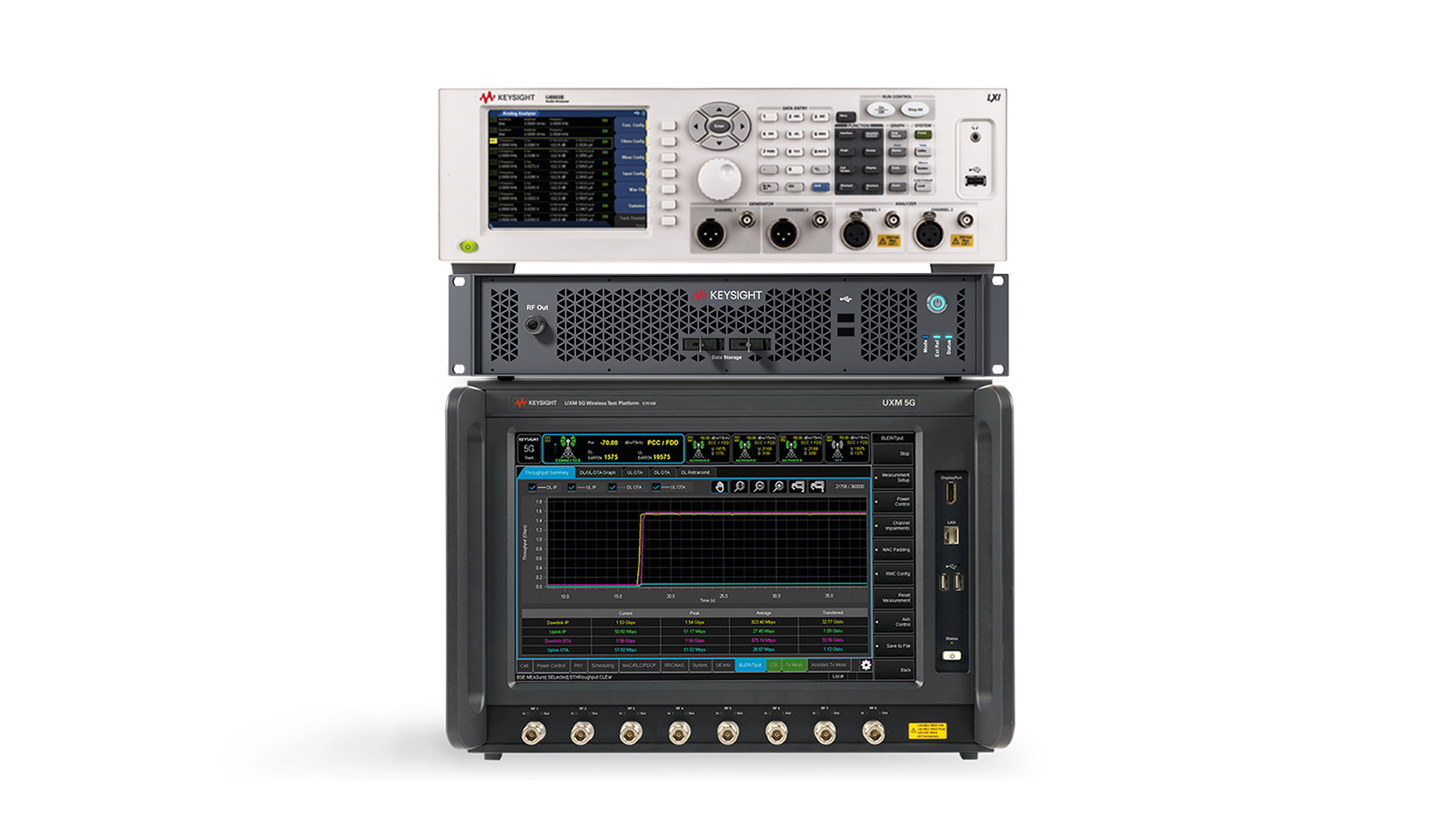
eCall Data Transmission Solution
See Block Diagram of eCall Data Transmission Solution

Explore Products in Our eCall Data Transmission Solution
-

![]()
E6950B eCall / ERA-GLONASS / NG eCall Conformance Test Solution


Discover Resources and Insights
Additional Resources for eCall Data Transmission
Related Use Cases

-
![]()
Learn More
How to Automate eCall / ERA-GLONASS Conformance Testing
Test eCall and ERA-GLONASS in-vehicle system behavior with repeatable conformance workflows and controlled emulation.
Learn More

-
![]()
Learn More
How to Test eCall Emergency Audio Performance
Test eCall emergency-call audio behavior during controlled IVS module sessions with repeatable network emulation.
Learn More
-
![]()
Learn More
How to Validate In-Vehicle Emergency Calling (eCall)
Validate eCall in-vehicle system emergency-call behavior from trigger through call setup and service emulation.
Learn More

Get in Touch with One of Our Experts
Need help finding the right solution for you?