Learn More
segmentation:campaign/Bench,segmentation:product-category/DMMs_DAQs_Function_Generators,segmentation:product-category/DMMs_DAQs_Function_Generators/Function_Generators,segmentation:business-unit/EISG,keysight:product-lines/gm,segmentation:funnel/bofu,keysight:dtx/solutions/facets/industry/wireline-communications,keysight:dtx/solutions/facets/design-and-test-product/waveform-and-function-generators,keysight:dtx/solutions/facets/workflow-stage/functional-test,keysight:dtx/solutions/facets/development-area/high-speed-digital,keysight:models/81/81160asegmentation:campaign/Bench,segmentation:product-category/DMMs_DAQs_Function_Generators,segmentation:product-category/DMMs_DAQs_Function_Generators/Function_Generators,segmentation:business-unit/EISG,keysight:product-lines/gm,segmentation:funnel/bofu,keysight:dtx/solutions/facets/industry/wireline-communications,keysight:dtx/solutions/facets/design-and-test-product/waveform-and-function-generators,keysight:dtx/solutions/facets/workflow-stage/functional-test,keysight:dtx/solutions/facets/development-area/high-speed-digital,keysight:models/81/81160asegmentation:campaign/Bench,segmentation:product-category/DMMs_DAQs_Function_Generators,segmentation:product-category/DMMs_DAQs_Function_Generators/Function_Generators,segmentation:business-unit/EISG,keysight:product-lines/gm,segmentation:funnel/bofu,keysight:dtx/solutions/facets/industry/wireline-communications,keysight:dtx/solutions/facets/design-and-test-product/waveform-and-function-generators,keysight:dtx/solutions/facets/workflow-stage/functional-test,keysight:dtx/solutions/facets/development-area/high-speed-digital,keysight:models/81/81160asegmentation:campaign/Bench,segmentation:product-category/DMMs_DAQs_Function_Generators,segmentation:product-category/DMMs_DAQs_Function_Generators/Function_Generators,segmentation:business-unit/EISG,keysight:product-lines/gm,segmentation:funnel/bofu,keysight:dtx/solutions/facets/industry/wireline-communications,keysight:dtx/solutions/facets/design-and-test-product/waveform-and-function-generators,keysight:dtx/solutions/facets/workflow-stage/functional-test,keysight:dtx/solutions/facets/development-area/high-speed-digital,keysight:models/81/81160asegmentation:campaign/Bench,segmentation:product-category/DMMs_DAQs_Function_Generators,segmentation:product-category/DMMs_DAQs_Function_Generators/Function_Generators,segmentation:business-unit/EISG,keysight:product-lines/gm,segmentation:funnel/bofu,keysight:dtx/solutions/facets/industry/wireline-communications,keysight:dtx/solutions/facets/design-and-test-product/waveform-and-function-generators,keysight:dtx/solutions/facets/workflow-stage/functional-test,keysight:dtx/solutions/facets/development-area/high-speed-digital,keysight:models/81/81160asegmentation:campaign/Bench,segmentation:product-category/DMMs_DAQs_Function_Generators,segmentation:product-category/DMMs_DAQs_Function_Generators/Function_Generators,segmentation:business-unit/EISG,keysight:product-lines/gm,segmentation:funnel/bofu,keysight:dtx/solutions/facets/industry/wireline-communications,keysight:dtx/solutions/facets/design-and-test-product/waveform-and-function-generators,keysight:dtx/solutions/facets/workflow-stage/functional-test,keysight:dtx/solutions/facets/development-area/high-speed-digital,keysight:models/81/81160asegmentation:campaign/Bench,segmentation:product-category/DMMs_DAQs_Function_Generators,segmentation:product-category/DMMs_DAQs_Function_Generators/Function_Generators,segmentation:business-unit/EISG,keysight:product-lines/gm,segmentation:funnel/bofu,keysight:dtx/solutions/facets/industry/wireline-communications,keysight:dtx/solutions/facets/design-and-test-product/waveform-and-function-generators,keysight:dtx/solutions/facets/workflow-stage/functional-test,keysight:dtx/solutions/facets/development-area/high-speed-digital,keysight:models/81/81160asegmentation:campaign/Bench,segmentation:product-category/DMMs_DAQs_Function_Generators,segmentation:product-category/DMMs_DAQs_Function_Generators/Function_Generators,segmentation:business-unit/EISG,keysight:product-lines/gm,segmentation:funnel/bofu,keysight:dtx/solutions/facets/industry/wireline-communications,keysight:dtx/solutions/facets/design-and-test-product/waveform-and-function-generators,keysight:dtx/solutions/facets/workflow-stage/functional-test,keysight:dtx/solutions/facets/development-area/high-speed-digital,keysight:models/81/81160asegmentation:campaign/Bench,segmentation:product-category/DMMs_DAQs_Function_Generators,segmentation:product-category/DMMs_DAQs_Function_Generators/Function_Generators,segmentation:business-unit/EISG,keysight:product-lines/gm,segmentation:funnel/bofu,keysight:dtx/solutions/facets/industry/wireline-communications,keysight:dtx/solutions/facets/design-and-test-product/waveform-and-function-generators,keysight:dtx/solutions/facets/workflow-stage/functional-test,keysight:dtx/solutions/facets/development-area/high-speed-digital,keysight:models/81/81160asegmentation:campaign/Bench,segmentation:product-category/DMMs_DAQs_Function_Generators,segmentation:product-category/DMMs_DAQs_Function_Generators/Function_Generators,segmentation:business-unit/EISG,keysight:product-lines/gm,segmentation:funnel/bofu,keysight:dtx/solutions/facets/industry/wireline-communications,keysight:dtx/solutions/facets/design-and-test-product/waveform-and-function-generators,keysight:dtx/solutions/facets/workflow-stage/functional-test,keysight:dtx/solutions/facets/development-area/high-speed-digital,keysight:models/81/81160asegmentation:campaign/Bench,segmentation:product-category/DMMs_DAQs_Function_Generators,segmentation:product-category/DMMs_DAQs_Function_Generators/Function_Generators,segmentation:business-unit/EISG,keysight:product-lines/gm,segmentation:funnel/bofu,keysight:dtx/solutions/facets/industry/wireline-communications,keysight:dtx/solutions/facets/design-and-test-product/waveform-and-function-generators,keysight:dtx/solutions/facets/workflow-stage/functional-test,keysight:dtx/solutions/facets/development-area/high-speed-digital,keysight:models/81/81160a
How to Generate Impaired Signals for Device Test
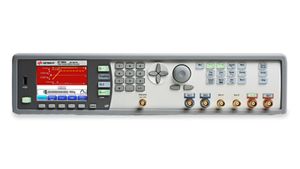
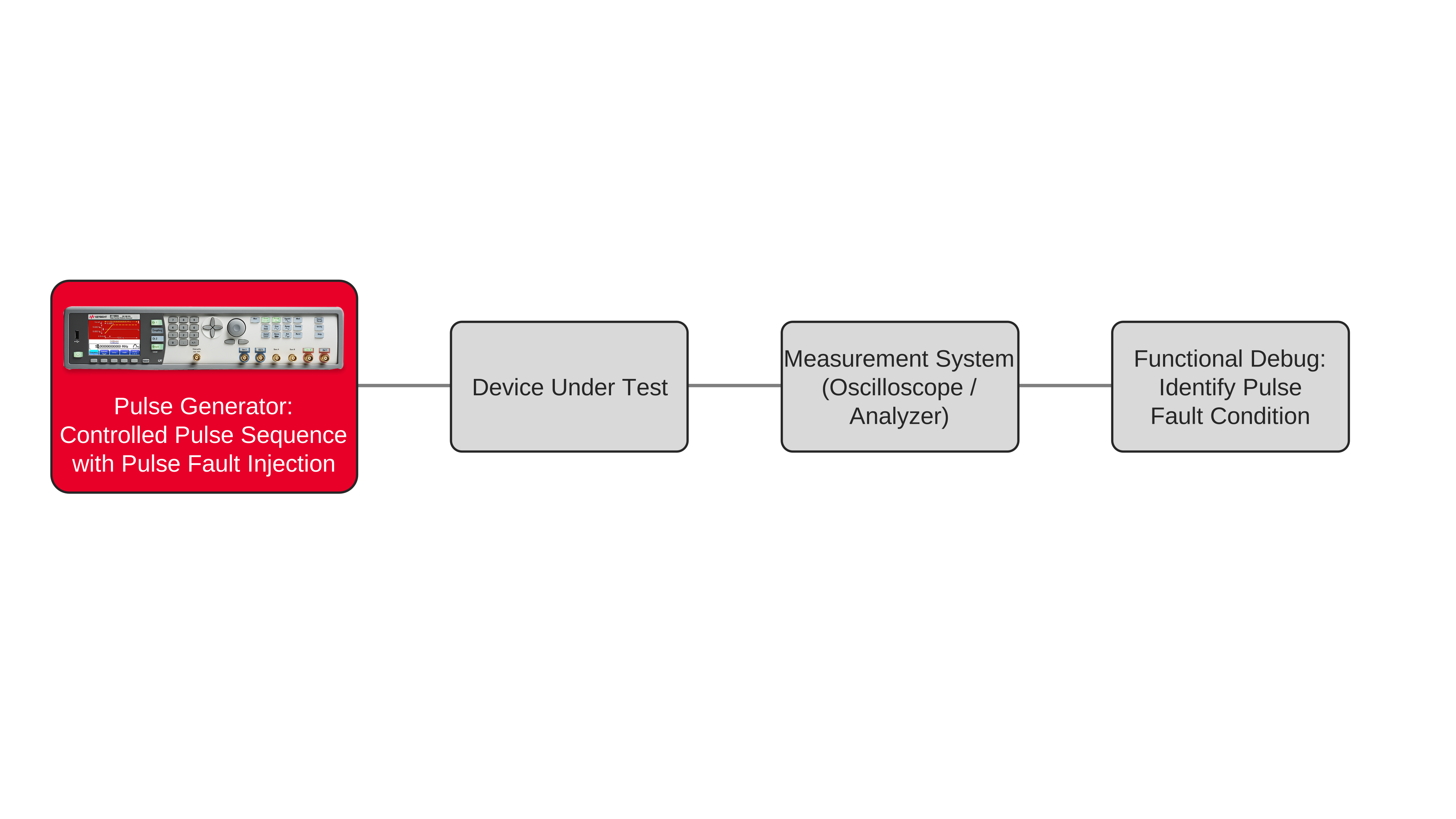
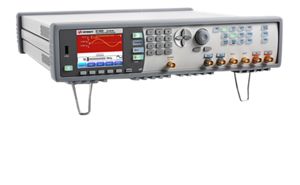
Generate controlled noisy, jittered, pulse, and arbitrary waveforms to test device behavior under impaired signal conditions.
Learn More