How to Minimize Cable Loss in Large RF Measurement Setups

Distributed Measurements
Measuring large radio frequency (RF) assemblies often requires long test cables between the vector network analyzer and the device under test, introducing additional insertion loss, reduced dynamic range, and increased measurement uncertainty. Distributed vector network analysis minimizes these effects by separating the measurement hardware and positioning each measurement port close to the device under test. Two Streamline USB Vector Network Analyzers can be separated by up to five meters while maintaining synchronized operation, allowing engineers to perform accurate scattering parameter measurements on large antennas, satellite payloads, radar systems, cable assemblies, and other physically distributed structures.
Locating the measurement ports close to the device under test reduces the impact of cable loss while simplifying measurements that would otherwise require long phase-stable test cables. Engineers can characterize remote devices, large mechanical assemblies, and installed equipment while maintaining measurement accuracy across the operating frequency range. This architecture supports flexible test configurations, improves measurement repeatability, and simplifies validation workflows for applications where conventional benchtop vector network analyzer configurations are impractical.

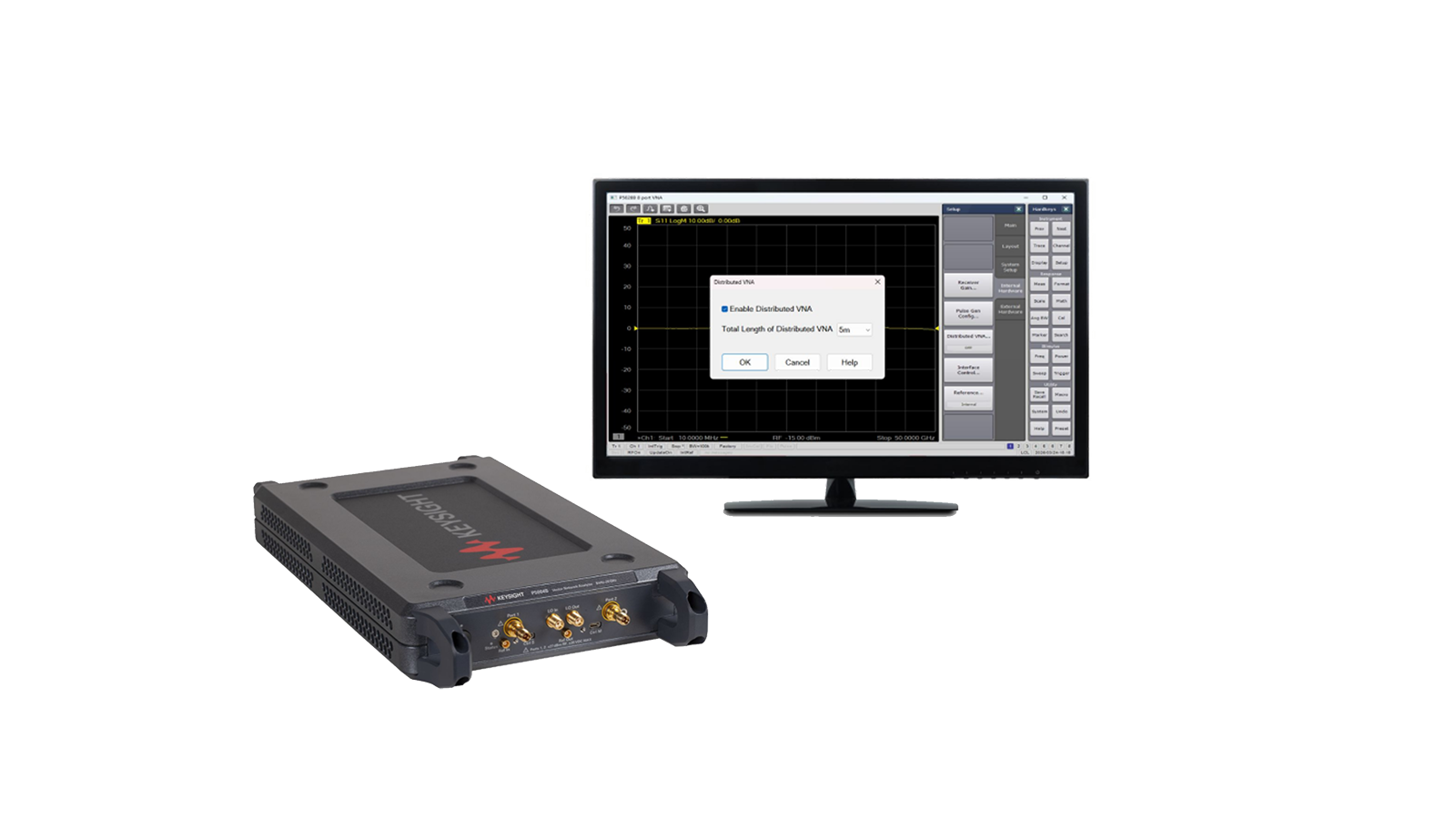
Distributed VNA Solution
See Block Diagram of Distributed VNA Solution


Explore Products for Our Distributed VNA Solution
-

![]()
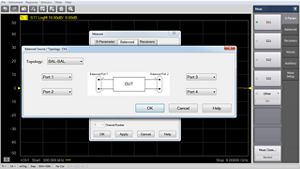
S97551B N-port Calibrated Measurements
-

![]()
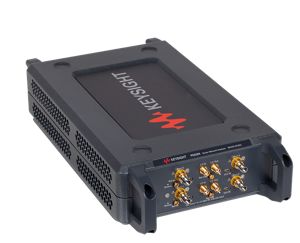
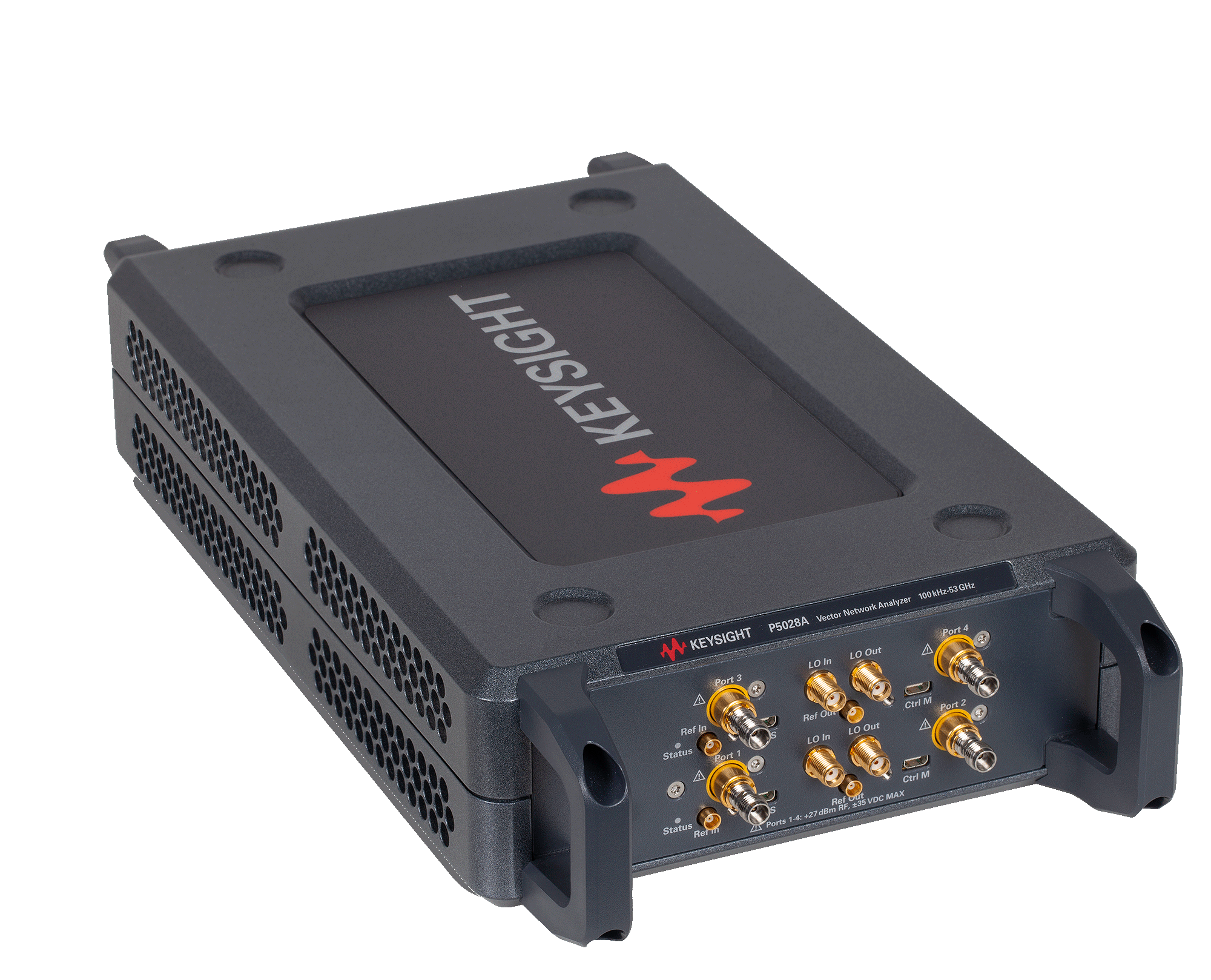
P5028B Streamline Vector Network Analyzer, 100 kHz to 53 GHz, 4-port
-
![]()
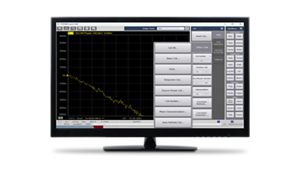
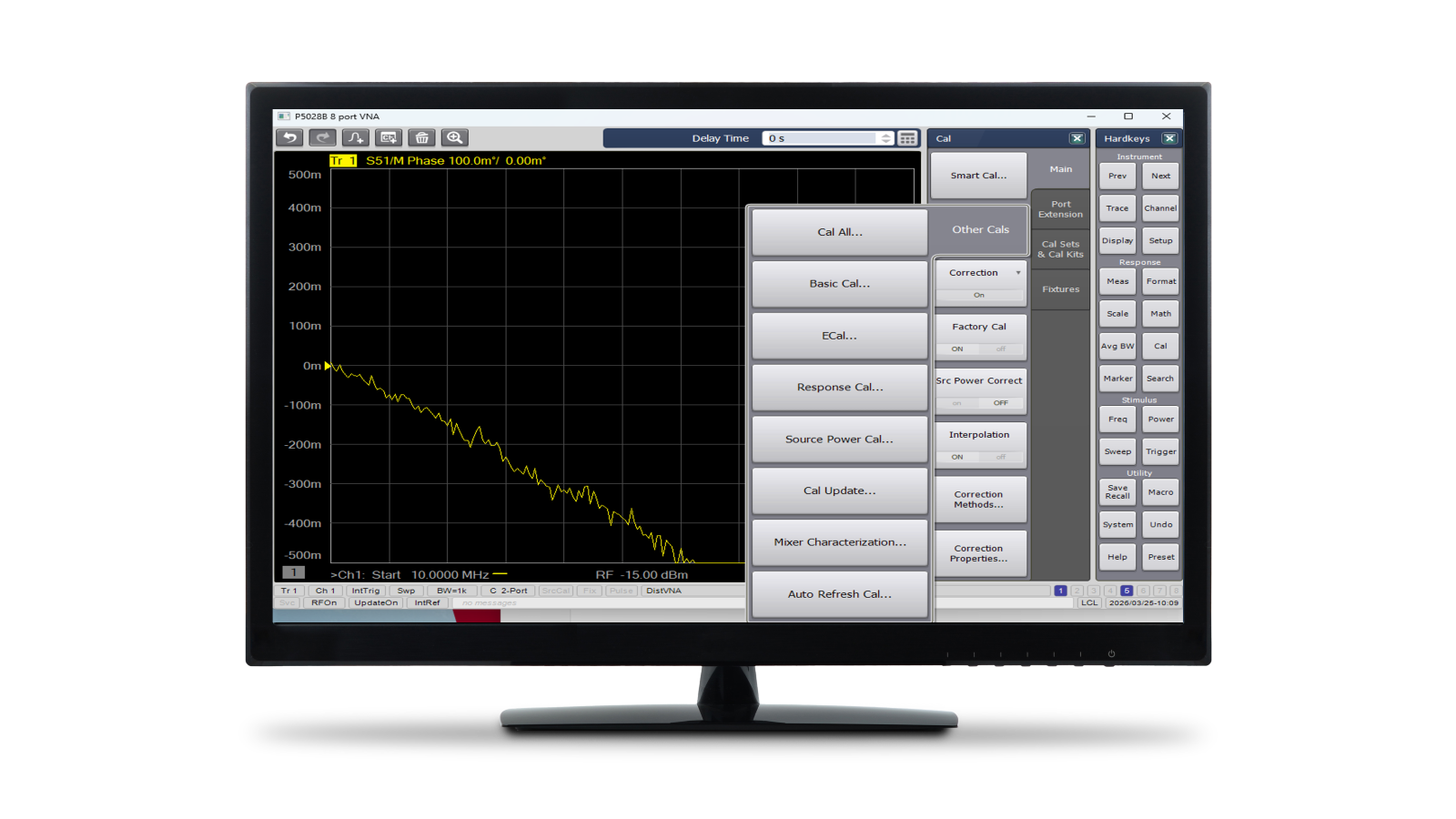
S97571B Distributed VNA measurements for Streamline Series VNA


Discover Resources and Insights
Additional Resources for Distributed Vector Network Analysis
Related Use Cases


-
![]()
Learn More
How to Monitor and Analyze Signals in Contested RF Environments
Monitor, capture, and analyze RF signals in contested environments with an integrated Keysight FieldFox and 3dB-Labs SCEPTRE workflow.
Learn More

-
![]()
Learn More
How to Validate RF Power Under Pulsed Radar Conditions
Validate RF power under pulsed radar conditions using a power meter, time-gated measurements, power sensors, and automated data acquisition techniques.
Learn More
-
![]()
Learn More
How to Test Direction-Finding Systems
Use phase-stable multi-channel RF sources to validate direction-finding, angle-of-arrival, and coherent receiver performance.
Learn More

Get in Touch with One of Our Experts
Need help finding the right solution for you?