Learn More
segmentation:business-unit/CSG,segmentation:campaign/Automotive_Energy,segmentation:product-category/Network_Security_Traffic_Emulators,segmentation:product-category/Network_Security_Traffic_Emulators/Security_Attack_Simulators,segmentation:funnel/bofu,keysight:product-lines/sp,keysight:dtx/solutions/facets/development-area/security,keysight:dtx/solutions/facets/design-and-test-product/network-emulator,keysight:dtx/solutions/facets/workflow-stage/conformance-and-compliance,keysight:dtx/solutions/facets/industry/automotive,keysight:models/sa/sa8710asegmentation:business-unit/CSG,segmentation:campaign/Automotive_Energy,segmentation:product-category/Network_Security_Traffic_Emulators,segmentation:product-category/Network_Security_Traffic_Emulators/Security_Attack_Simulators,segmentation:funnel/bofu,keysight:product-lines/sp,keysight:dtx/solutions/facets/development-area/security,keysight:dtx/solutions/facets/design-and-test-product/network-emulator,keysight:dtx/solutions/facets/workflow-stage/conformance-and-compliance,keysight:dtx/solutions/facets/industry/automotive,keysight:models/sa/sa8710asegmentation:business-unit/CSG,segmentation:campaign/Automotive_Energy,segmentation:product-category/Network_Security_Traffic_Emulators,segmentation:product-category/Network_Security_Traffic_Emulators/Security_Attack_Simulators,segmentation:funnel/bofu,keysight:product-lines/sp,keysight:dtx/solutions/facets/development-area/security,keysight:dtx/solutions/facets/design-and-test-product/network-emulator,keysight:dtx/solutions/facets/workflow-stage/conformance-and-compliance,keysight:dtx/solutions/facets/industry/automotive,keysight:models/sa/sa8710asegmentation:business-unit/CSG,segmentation:campaign/Automotive_Energy,segmentation:product-category/Network_Security_Traffic_Emulators,segmentation:product-category/Network_Security_Traffic_Emulators/Security_Attack_Simulators,segmentation:funnel/bofu,keysight:product-lines/sp,keysight:dtx/solutions/facets/development-area/security,keysight:dtx/solutions/facets/design-and-test-product/network-emulator,keysight:dtx/solutions/facets/workflow-stage/conformance-and-compliance,keysight:dtx/solutions/facets/industry/automotive,keysight:models/sa/sa8710asegmentation:business-unit/CSG,segmentation:campaign/Automotive_Energy,segmentation:product-category/Network_Security_Traffic_Emulators,segmentation:product-category/Network_Security_Traffic_Emulators/Security_Attack_Simulators,segmentation:funnel/bofu,keysight:product-lines/sp,keysight:dtx/solutions/facets/development-area/security,keysight:dtx/solutions/facets/design-and-test-product/network-emulator,keysight:dtx/solutions/facets/workflow-stage/conformance-and-compliance,keysight:dtx/solutions/facets/industry/automotive,keysight:models/sa/sa8710asegmentation:business-unit/CSG,segmentation:campaign/Automotive_Energy,segmentation:product-category/Network_Security_Traffic_Emulators,segmentation:product-category/Network_Security_Traffic_Emulators/Security_Attack_Simulators,segmentation:funnel/bofu,keysight:product-lines/sp,keysight:dtx/solutions/facets/development-area/security,keysight:dtx/solutions/facets/design-and-test-product/network-emulator,keysight:dtx/solutions/facets/workflow-stage/conformance-and-compliance,keysight:dtx/solutions/facets/industry/automotive,keysight:models/sa/sa8710asegmentation:business-unit/CSG,segmentation:campaign/Automotive_Energy,segmentation:product-category/Network_Security_Traffic_Emulators,segmentation:product-category/Network_Security_Traffic_Emulators/Security_Attack_Simulators,segmentation:funnel/bofu,keysight:product-lines/sp,keysight:dtx/solutions/facets/development-area/security,keysight:dtx/solutions/facets/design-and-test-product/network-emulator,keysight:dtx/solutions/facets/workflow-stage/conformance-and-compliance,keysight:dtx/solutions/facets/industry/automotive,keysight:models/sa/sa8710asegmentation:business-unit/CSG,segmentation:campaign/Automotive_Energy,segmentation:product-category/Network_Security_Traffic_Emulators,segmentation:product-category/Network_Security_Traffic_Emulators/Security_Attack_Simulators,segmentation:funnel/bofu,keysight:product-lines/sp,keysight:dtx/solutions/facets/development-area/security,keysight:dtx/solutions/facets/design-and-test-product/network-emulator,keysight:dtx/solutions/facets/workflow-stage/conformance-and-compliance,keysight:dtx/solutions/facets/industry/automotive,keysight:models/sa/sa8710asegmentation:business-unit/CSG,segmentation:campaign/Automotive_Energy,segmentation:product-category/Network_Security_Traffic_Emulators,segmentation:product-category/Network_Security_Traffic_Emulators/Security_Attack_Simulators,segmentation:funnel/bofu,keysight:product-lines/sp,keysight:dtx/solutions/facets/development-area/security,keysight:dtx/solutions/facets/design-and-test-product/network-emulator,keysight:dtx/solutions/facets/workflow-stage/conformance-and-compliance,keysight:dtx/solutions/facets/industry/automotive,keysight:models/sa/sa8710asegmentation:business-unit/CSG,segmentation:campaign/Automotive_Energy,segmentation:product-category/Network_Security_Traffic_Emulators,segmentation:product-category/Network_Security_Traffic_Emulators/Security_Attack_Simulators,segmentation:funnel/bofu,keysight:product-lines/sp,keysight:dtx/solutions/facets/development-area/security,keysight:dtx/solutions/facets/design-and-test-product/network-emulator,keysight:dtx/solutions/facets/workflow-stage/conformance-and-compliance,keysight:dtx/solutions/facets/industry/automotive,keysight:models/sa/sa8710asegmentation:business-unit/CSG,segmentation:campaign/Automotive_Energy,segmentation:product-category/Network_Security_Traffic_Emulators,segmentation:product-category/Network_Security_Traffic_Emulators/Security_Attack_Simulators,segmentation:funnel/bofu,keysight:product-lines/sp,keysight:dtx/solutions/facets/development-area/security,keysight:dtx/solutions/facets/design-and-test-product/network-emulator,keysight:dtx/solutions/facets/workflow-stage/conformance-and-compliance,keysight:dtx/solutions/facets/industry/automotive,keysight:models/sa/sa8710a
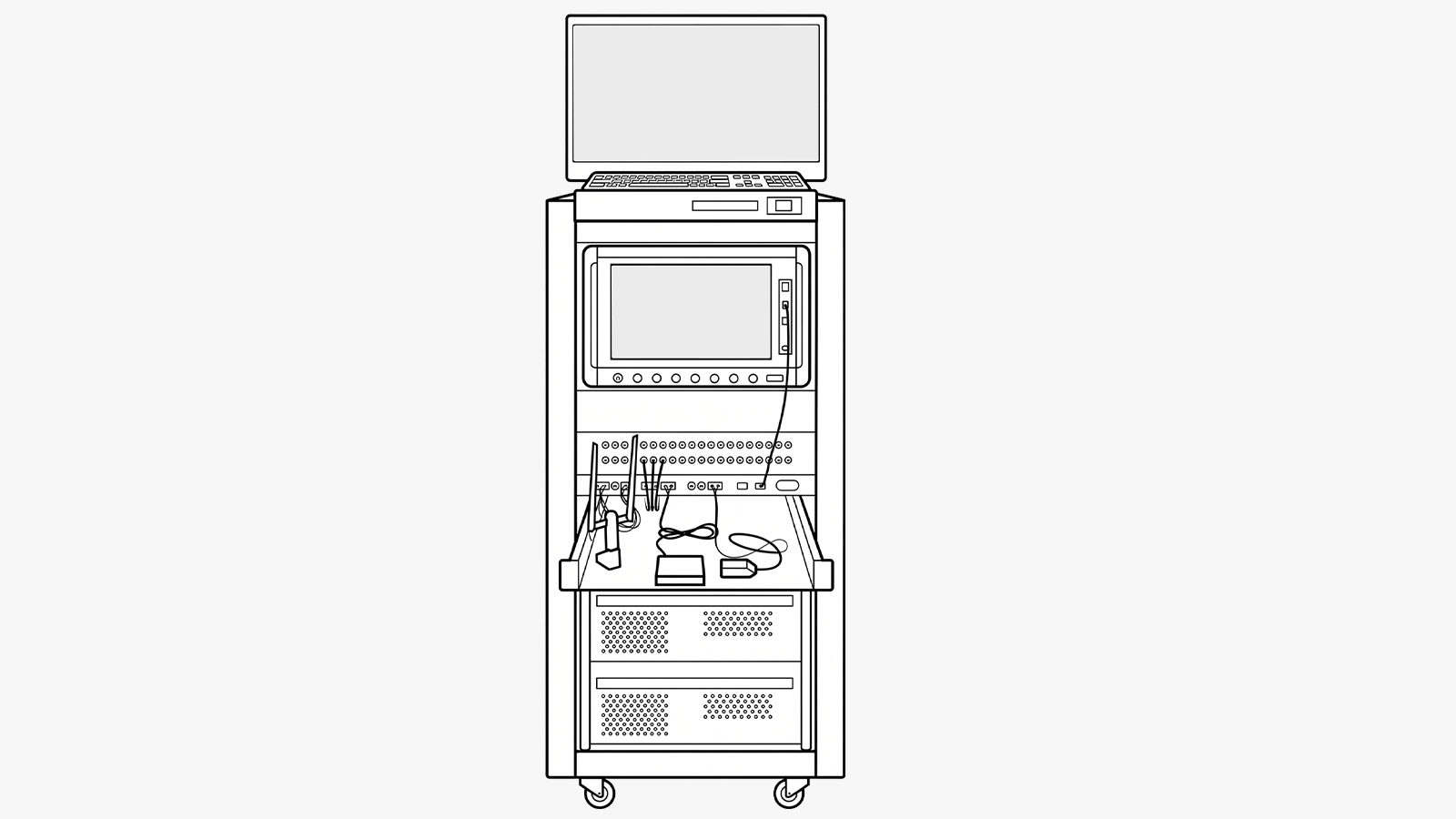
How to Test Wireless Vehicle Attack Surfaces
Test cellular, WLAN, Bluetooth, and IP attack paths to assess wireless vehicle cybersecurity exposure before release.
Learn more