How to Analyze Time Division Duplex Signal Timing

Analyze Time Division Duplex Signal Timing
Time Division Duplex signal timing can be analyzed by configuring a FieldFox spectrum analyzer to observe radio frequency (RF) power as a function of time rather than sweeping across frequency. First identify the carrier of interest in the frequency domain and center the analyzer on that signal. Switching to zero span fixes the analyzer at the selected carrier frequency and changes the horizontal axis to time. The resulting display shows the RF envelope as individual transmit and receive intervals. Adjusting the sweep time exposes different levels of timing detail, allowing engineers to view individual bursts or several repeating frames. This zero-span spectrum analysis provides a direct view of RF signal timing without requiring a separate oscilloscope connection to the radio.
For wireless signal analysis, the sweep time is adjusted to capture enough of the repeating signal structure to distinguish active transmission periods from lower-power intervals. Shorter sweep times reveal individual burst edges and durations, while longer sweep times show the periodic relationship between multiple bursts. Trigger controls can stabilize the waveform so repeated frames appear at a consistent position on the display. Engineers can then use markers and the time scale to examine burst duration, repetition interval, transitions, and timing relationships within the Time Division Duplex signal timing pattern. FieldFox also supports periodic frame triggering and time gating for communication systems that use Time Division Duplex spectrum access, allowing measurements to be synchronized with selected portions of the repeating signal structure.

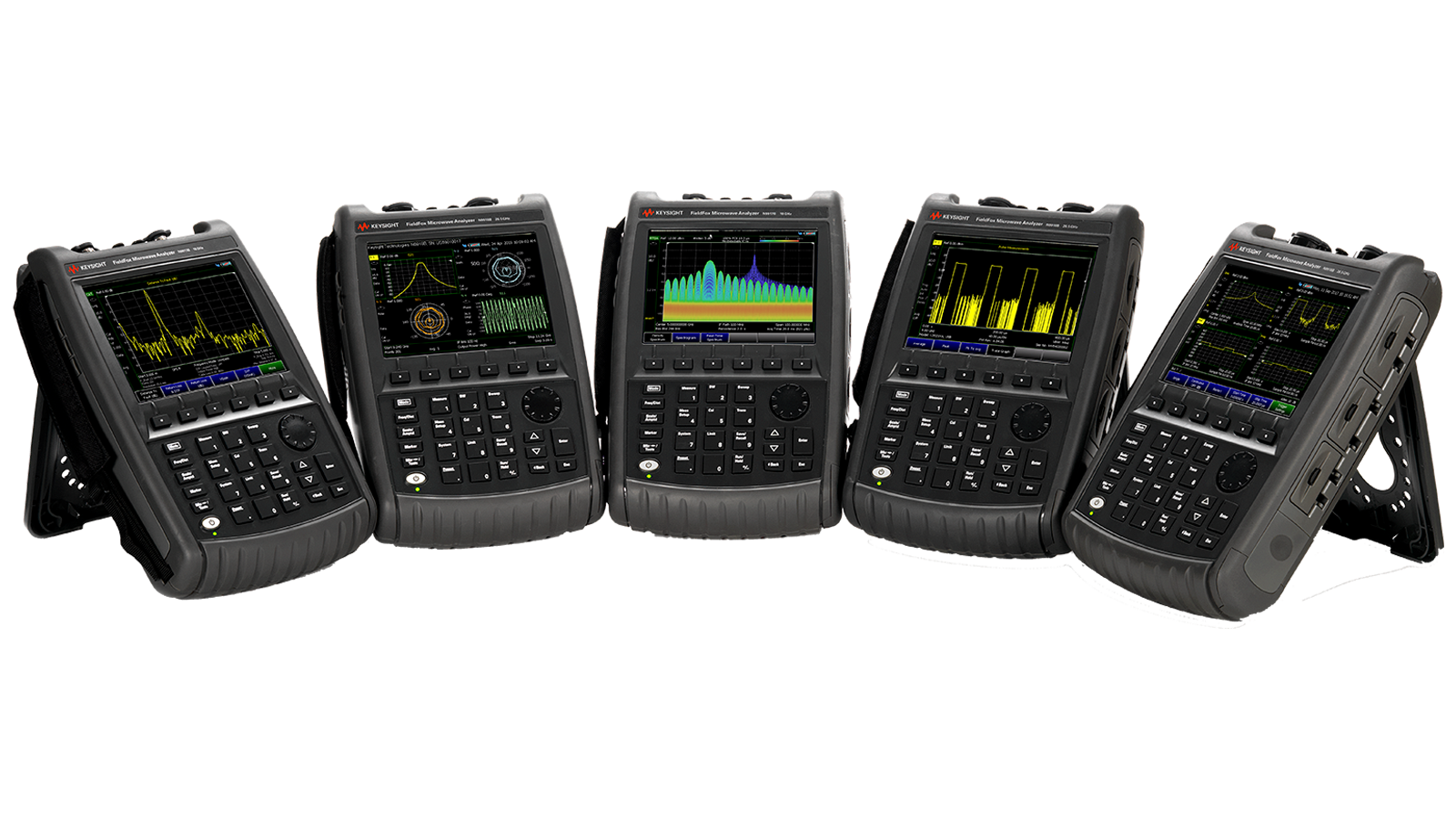
Time Division Duplex Timing Analysis Solution
Watch Demonstration of Time Division Duplex Signal Timing Analysis
Explore Products in Our Time Division Duplex Timing Analysis Solution
-

![]()
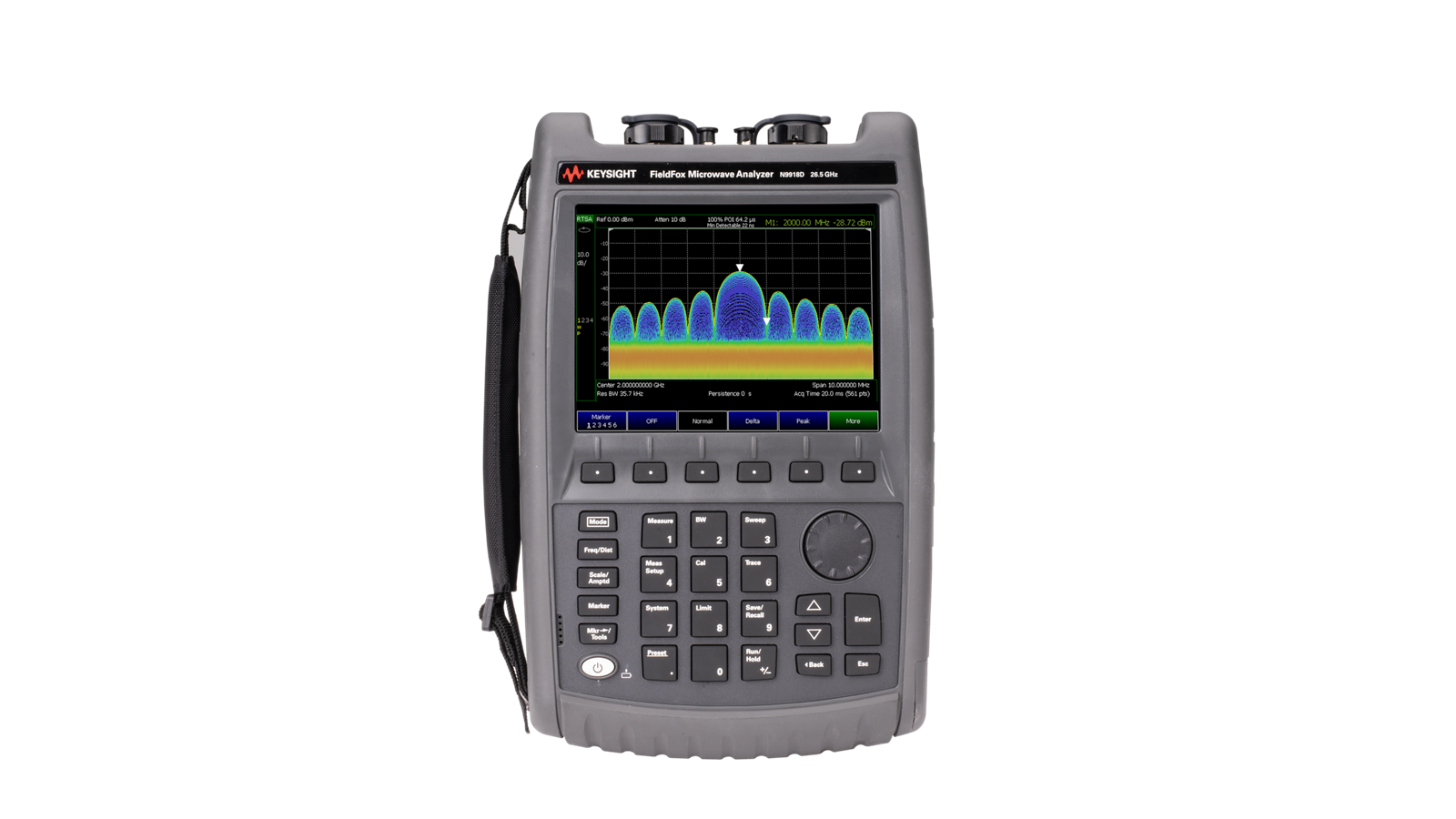
N9918D FieldFox Handheld Analyzer, 26.5 GHz

Discover Resources and Insights
Additional Resources for Time Division Duplex Timing Analysis
Related Use Cases
-
![]()
Learn More
How to Characterize 5G mmWave Air Interface
Characterizing 5G over-the-air performance requires an integrated, portable signal analyzer with a phased array antenna. Learn how to overcome key 5G network deployment challenges by characterizing millimeter-wave path loss and coverage.
Learn More

-
![]()
Learn More
How to Monitor 5G Field Interference
Identifying in-band and out-of-band interference requires real-time spectrum analysis and signal-capture capabilities. Learn how to capture elusive, intermittent signals and interference using real-time spectrum analysis.
Learn More
-
![]()
Learn More
How to Measure RF Channel Power in the Field
Verifying signal coverage in the field requires collecting, logging, mapping, and processing signal data. Learn how to simultaneously measure the channel power of up to 20 channels and playback over GPS mapping to get a full view of your signal coverage.
Learn More

Get in Touch with One of Our Experts
Need help finding the right solution for you?