How to Reduce Power-Line Noise in DC Measurements
Prevent Power-Line Noise from Distorting DC Readings
Precision DC measurements can become difficult to trust when 50/60 Hz power-line interference couples into the signal path and adds periodic variation to otherwise stable readings. The effect can be especially noticeable when engineers are measuring small DC changes, comparing repeated results, or validating circuits where only a narrow margin separates expected behavior from a possible fault. As line-frequency noise appears in the measured value, readings may fluctuate enough to obscure real device changes, complicate trend comparisons, and make it harder to determine whether variation comes from the device under test or from the surrounding bench environment. These problems can extend validation time because engineers may need to repeat measurements, adjust the setup, or investigate apparent changes that are actually caused by external electrical interference.
The impact of power-line noise also depends on how the measurement is acquired. When the measurement aperture is not aligned with the local power-line cycle, unwanted 50/60 Hz content can pass into the reported DC value instead of averaging toward zero. This can reduce normal-mode rejection and increase reading variation, especially when small differences matter. Engineers need to understand how integration time, line frequency, and measurement speed interact before deciding whether a changing result reflects true circuit behavior. Faster acquisition settings can reduce noise rejection, while conservative settings can slow testing unnecessarily. Balancing these factors helps engineers obtain repeatable DC measurements during system validation, characterization, troubleshooting, and other bench workflows where measurement confidence is critical.

Power-Line Noise Rejection Solution
See Block Diagram of Power-Line Noise Rejection Solution


Explore Products for Our Power-Line Noise Rejection Solution
-


![]()
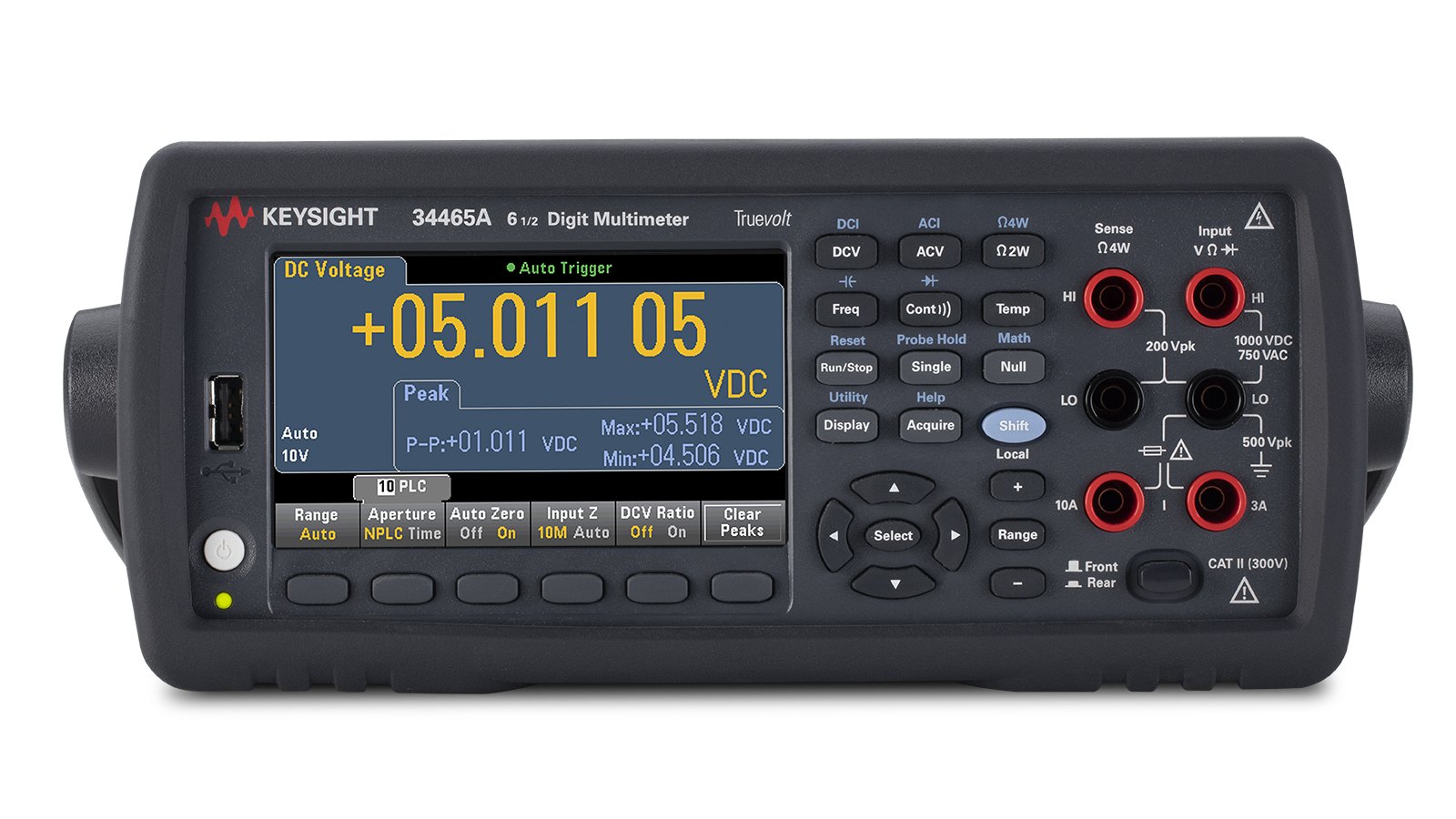
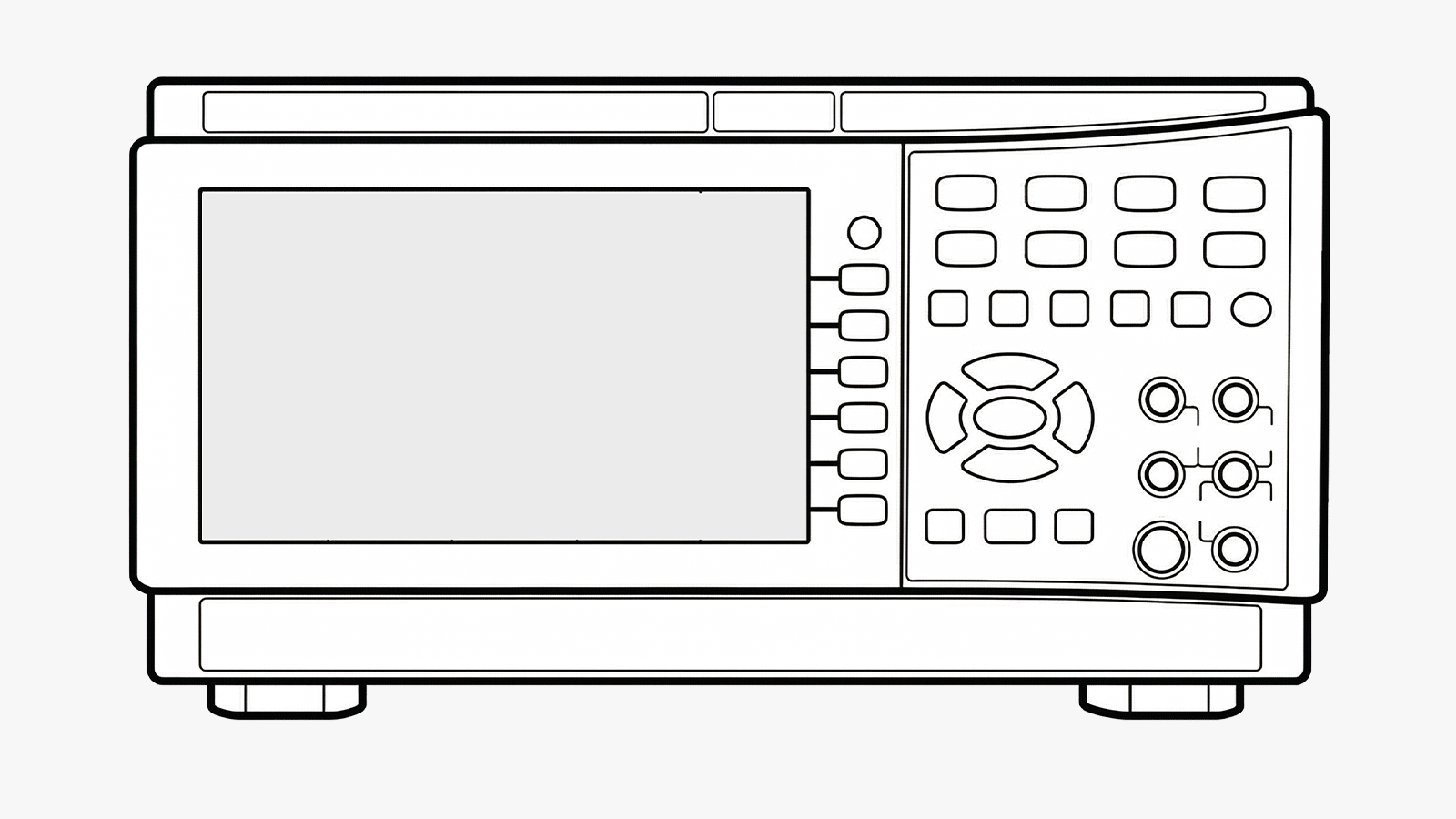
34465A 6 ½ Digit Multimeter, Truevolt DMM


Discover Resources and Insights
Additional resources for Power-Line Noise Rejection
Related Use Cases
-
![]()
Learn More
How to Verify DC Voltage Linearity
Use Keysight Pro Benchtop Digital Multimeters to verify DC voltage linearity with ratio measurements and a precision DMM transfer-standard approach that helps reduce uncertainty in calibration-lab workflows.
Learn More

-
![]()
Learn More
How to Improve Precision Calibration Measurements
Improve calibration confidence with more stable, repeatable, high-accuracy measurements for precision bench and standards-lab workflows.
Learn More
-
![]()
Learn More
How to Compare AC and DC Components on Power Rails During System Validation
Compare AC ripple and DC rail levels together during system validation with dual-display digital multimeter (DMM) measurements.
Learn More

Get in Touch with One of Our Experts
Need help finding the right solution for you?