How to Characterize Power Sensor Linearity Across Dynamic Range

Characterize Sensor Linearity Performance
Power sensor linearity defines the ability of a measurement system to accurately track input power changes across its specified dynamic range without introducing gain compression or expansion errors. Deviations from linear behavior can arise due to sensor saturation at higher power levels, noise floor limitations at low signal levels, and non-ideal thermal or electrical conversion characteristics. These effects directly impact measurement accuracy, particularly in calibration, validation, and component characterization workflows where precise power relationships must be maintained. Engineers must evaluate linearity to ensure that measurement results remain consistent and predictable across varying signal amplitudes and operating conditions.
Characterizing linearity requires performing controlled power sweeps over the full operating range of the sensor while comparing measured output against known reference levels. This process involves applying correction factors for mismatch loss, compensating for system losses, and ensuring stable environmental conditions to minimize external influences. Statistical analysis of measurement deviation is used to quantify linearity error, identify regions of compression or reduced sensitivity, and establish confidence limits for measurement accuracy across the dynamic range.

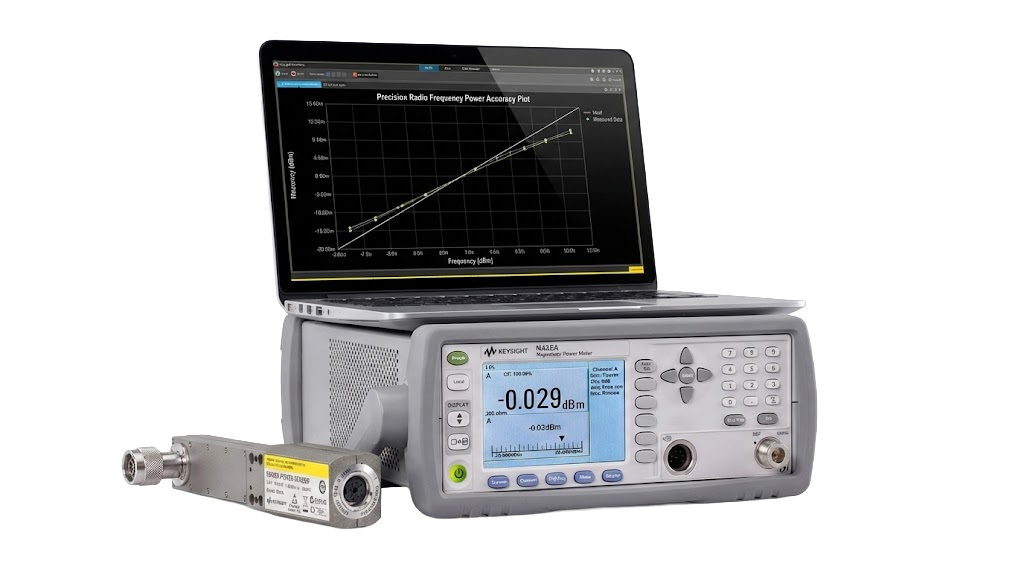
Power Sensor Linearity Measurement Solution
See Block Diagram of Power Sensor Linearity Measurement Solution

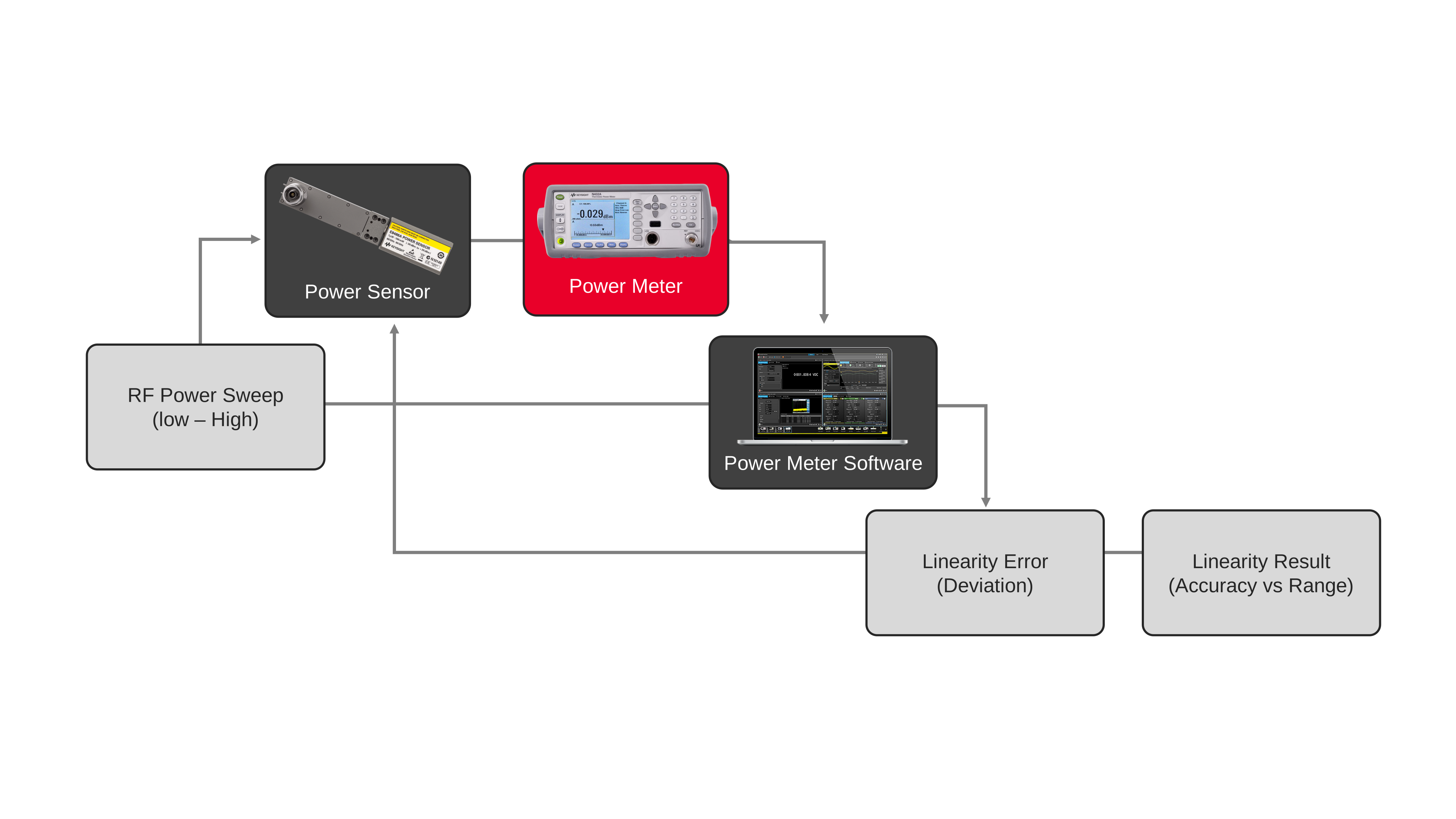
Explore Products for Our Power Sensor Linearity Measurement Solution
-

![]()
BV0007B PathWave BenchVue Power Meters/Sensors App
-

![]()
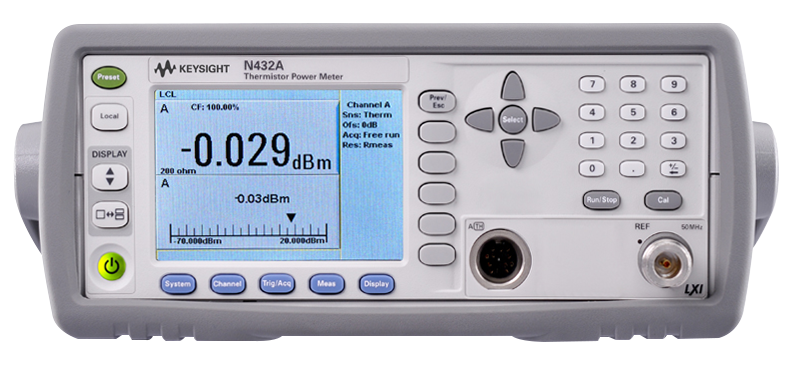
N432A Thermistor Power Meter
-
![]()
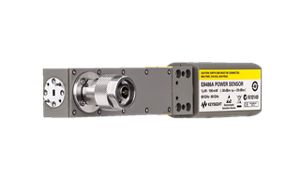
E8486A Waveguide Power Sensor



Discover Resources and Insights
Additional Resources for Power Sensor Linearity Measurement
Related Use Cases

-
![]()
Learn More
How to Achieve Traceable Radio Frequency Power Calibration
Achieve traceable radio frequency power calibration with thermistor sensors and automated measurement workflows using power sensors, power meters, and automated measurement control and data logging software.
Learn More

-
![]()
Learn More
How to Measure Thermal Drift in Radio Frequency Power Sensors
Measure thermal drift in radio frequency power sensors to ensure long term measurement accuracy and stability using power sensors, power meters, and automated measurement control and data logging software.
Learn More
-
![]()
Learn More
How to Validate Absolute Power Accuracy of Signal Sources
Validate signal source power accuracy using traceable measurement techniques and high precision sensors using power sensors, power meters, and automated measurement control and data logging software.
Learn More

Get in Touch with One of Our Experts
Need help finding the right solution for you?