Learn More
segmentation:product-category/Automotive_Testing,segmentation:campaign/Automotive_Energy,segmentation:product-category/Automotive_Testing/Automotive_Ethernet,segmentation:business-unit/EISG,keysight:product-lines/qw,segmentation:funnel/bofu,keysight:dtx/solutions/facets/industry/automotive,keysight:dtx/solutions/facets/industry/wireline-communications,keysight:dtx/solutions/facets/development-area/networks,keysight:dtx/solutions/facets/workflow-stage/conformance-and-compliance,keysight:dtx/solutions/facets/design-and-test-product/bit-error-ratio-testers,keysight:models/ae/ae6000rsegmentation:product-category/Automotive_Testing,segmentation:campaign/Automotive_Energy,segmentation:product-category/Automotive_Testing/Automotive_Ethernet,segmentation:business-unit/EISG,keysight:product-lines/qw,segmentation:funnel/bofu,keysight:dtx/solutions/facets/industry/automotive,keysight:dtx/solutions/facets/industry/wireline-communications,keysight:dtx/solutions/facets/development-area/networks,keysight:dtx/solutions/facets/workflow-stage/conformance-and-compliance,keysight:dtx/solutions/facets/design-and-test-product/bit-error-ratio-testers,keysight:models/ae/ae6000rsegmentation:product-category/Automotive_Testing,segmentation:campaign/Automotive_Energy,segmentation:product-category/Automotive_Testing/Automotive_Ethernet,segmentation:business-unit/EISG,keysight:product-lines/qw,segmentation:funnel/bofu,keysight:dtx/solutions/facets/industry/automotive,keysight:dtx/solutions/facets/industry/wireline-communications,keysight:dtx/solutions/facets/development-area/networks,keysight:dtx/solutions/facets/workflow-stage/conformance-and-compliance,keysight:dtx/solutions/facets/design-and-test-product/bit-error-ratio-testers,keysight:models/ae/ae6000rsegmentation:product-category/Automotive_Testing,segmentation:campaign/Automotive_Energy,segmentation:product-category/Automotive_Testing/Automotive_Ethernet,segmentation:business-unit/EISG,keysight:product-lines/qw,segmentation:funnel/bofu,keysight:dtx/solutions/facets/industry/automotive,keysight:dtx/solutions/facets/industry/wireline-communications,keysight:dtx/solutions/facets/development-area/networks,keysight:dtx/solutions/facets/workflow-stage/conformance-and-compliance,keysight:dtx/solutions/facets/design-and-test-product/bit-error-ratio-testers,keysight:models/ae/ae6000rsegmentation:product-category/Automotive_Testing,segmentation:campaign/Automotive_Energy,segmentation:product-category/Automotive_Testing/Automotive_Ethernet,segmentation:business-unit/EISG,keysight:product-lines/qw,segmentation:funnel/bofu,keysight:dtx/solutions/facets/industry/automotive,keysight:dtx/solutions/facets/industry/wireline-communications,keysight:dtx/solutions/facets/development-area/networks,keysight:dtx/solutions/facets/workflow-stage/conformance-and-compliance,keysight:dtx/solutions/facets/design-and-test-product/bit-error-ratio-testers,keysight:models/ae/ae6000rsegmentation:product-category/Automotive_Testing,segmentation:campaign/Automotive_Energy,segmentation:product-category/Automotive_Testing/Automotive_Ethernet,segmentation:business-unit/EISG,keysight:product-lines/qw,segmentation:funnel/bofu,keysight:dtx/solutions/facets/industry/automotive,keysight:dtx/solutions/facets/industry/wireline-communications,keysight:dtx/solutions/facets/development-area/networks,keysight:dtx/solutions/facets/workflow-stage/conformance-and-compliance,keysight:dtx/solutions/facets/design-and-test-product/bit-error-ratio-testers,keysight:models/ae/ae6000rsegmentation:product-category/Automotive_Testing,segmentation:campaign/Automotive_Energy,segmentation:product-category/Automotive_Testing/Automotive_Ethernet,segmentation:business-unit/EISG,keysight:product-lines/qw,segmentation:funnel/bofu,keysight:dtx/solutions/facets/industry/automotive,keysight:dtx/solutions/facets/industry/wireline-communications,keysight:dtx/solutions/facets/development-area/networks,keysight:dtx/solutions/facets/workflow-stage/conformance-and-compliance,keysight:dtx/solutions/facets/design-and-test-product/bit-error-ratio-testers,keysight:models/ae/ae6000rsegmentation:product-category/Automotive_Testing,segmentation:campaign/Automotive_Energy,segmentation:product-category/Automotive_Testing/Automotive_Ethernet,segmentation:business-unit/EISG,keysight:product-lines/qw,segmentation:funnel/bofu,keysight:dtx/solutions/facets/industry/automotive,keysight:dtx/solutions/facets/industry/wireline-communications,keysight:dtx/solutions/facets/development-area/networks,keysight:dtx/solutions/facets/workflow-stage/conformance-and-compliance,keysight:dtx/solutions/facets/design-and-test-product/bit-error-ratio-testers,keysight:models/ae/ae6000rsegmentation:product-category/Automotive_Testing,segmentation:campaign/Automotive_Energy,segmentation:product-category/Automotive_Testing/Automotive_Ethernet,segmentation:business-unit/EISG,keysight:product-lines/qw,segmentation:funnel/bofu,keysight:dtx/solutions/facets/industry/automotive,keysight:dtx/solutions/facets/industry/wireline-communications,keysight:dtx/solutions/facets/development-area/networks,keysight:dtx/solutions/facets/workflow-stage/conformance-and-compliance,keysight:dtx/solutions/facets/design-and-test-product/bit-error-ratio-testers,keysight:models/ae/ae6000rsegmentation:product-category/Automotive_Testing,segmentation:campaign/Automotive_Energy,segmentation:product-category/Automotive_Testing/Automotive_Ethernet,segmentation:business-unit/EISG,keysight:product-lines/qw,segmentation:funnel/bofu,keysight:dtx/solutions/facets/industry/automotive,keysight:dtx/solutions/facets/industry/wireline-communications,keysight:dtx/solutions/facets/development-area/networks,keysight:dtx/solutions/facets/workflow-stage/conformance-and-compliance,keysight:dtx/solutions/facets/design-and-test-product/bit-error-ratio-testers,keysight:models/ae/ae6000rsegmentation:product-category/Automotive_Testing,segmentation:campaign/Automotive_Energy,segmentation:product-category/Automotive_Testing/Automotive_Ethernet,segmentation:business-unit/EISG,keysight:product-lines/qw,segmentation:funnel/bofu,keysight:dtx/solutions/facets/industry/automotive,keysight:dtx/solutions/facets/industry/wireline-communications,keysight:dtx/solutions/facets/development-area/networks,keysight:dtx/solutions/facets/workflow-stage/conformance-and-compliance,keysight:dtx/solutions/facets/design-and-test-product/bit-error-ratio-testers,keysight:models/ae/ae6000rsegmentation:product-category/Automotive_Testing,segmentation:campaign/Automotive_Energy,segmentation:product-category/Automotive_Testing/Automotive_Ethernet,segmentation:business-unit/EISG,keysight:product-lines/qw,segmentation:funnel/bofu,keysight:dtx/solutions/facets/industry/automotive,keysight:dtx/solutions/facets/industry/wireline-communications,keysight:dtx/solutions/facets/development-area/networks,keysight:dtx/solutions/facets/workflow-stage/conformance-and-compliance,keysight:dtx/solutions/facets/design-and-test-product/bit-error-ratio-testers,keysight:models/ae/ae6000r
How to Validate MultiGBASE-T1 Receiver BER
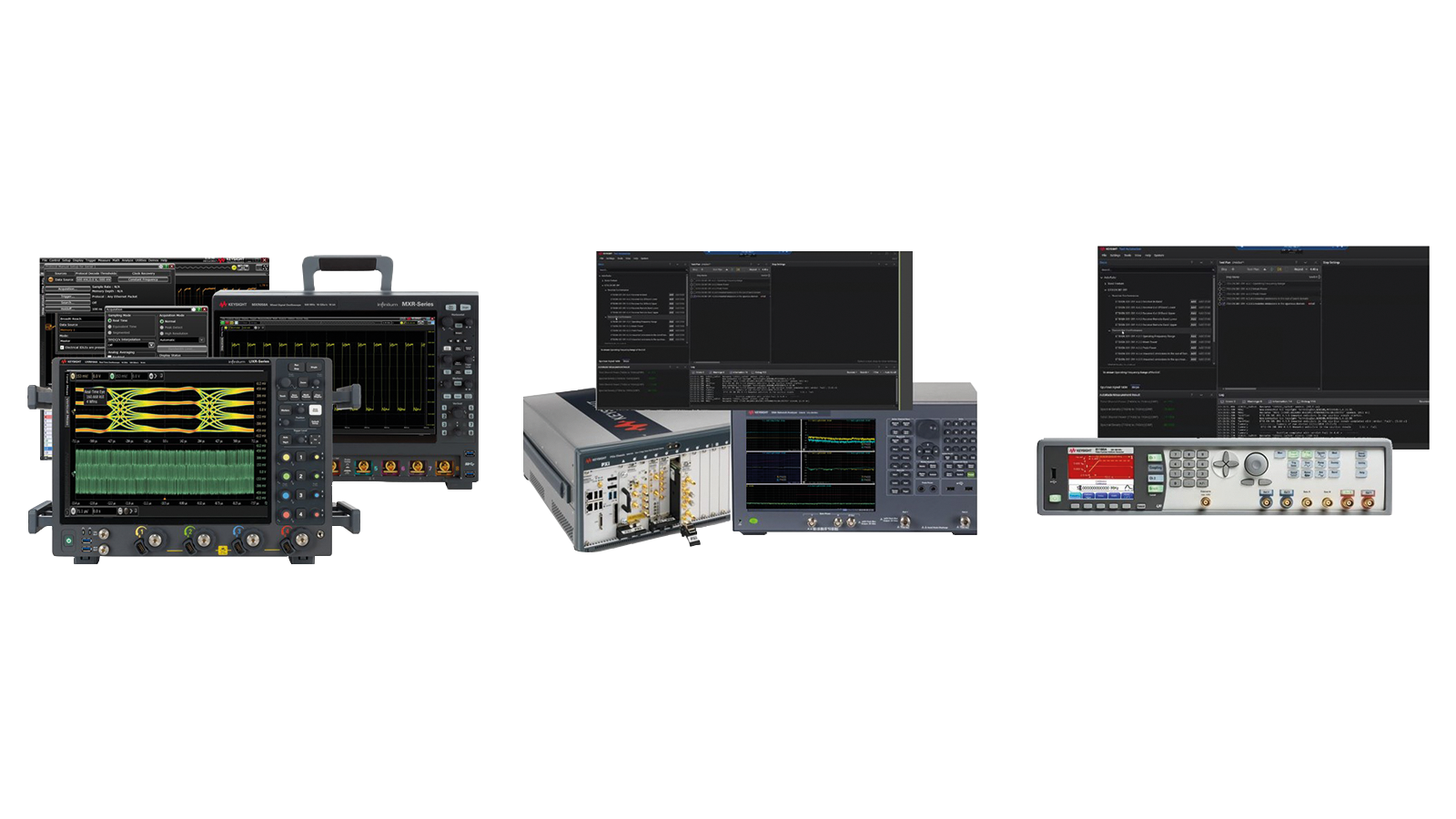
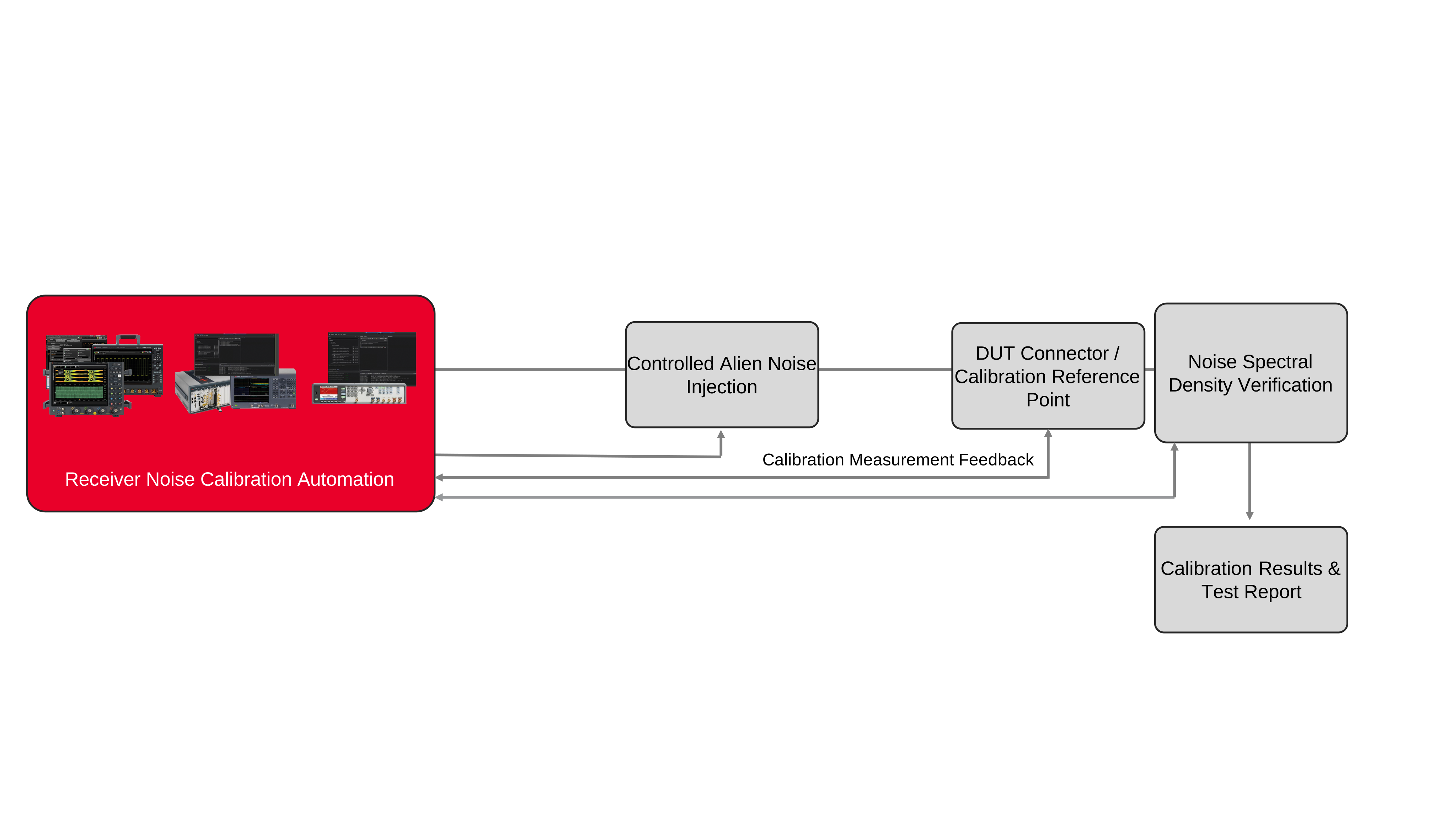
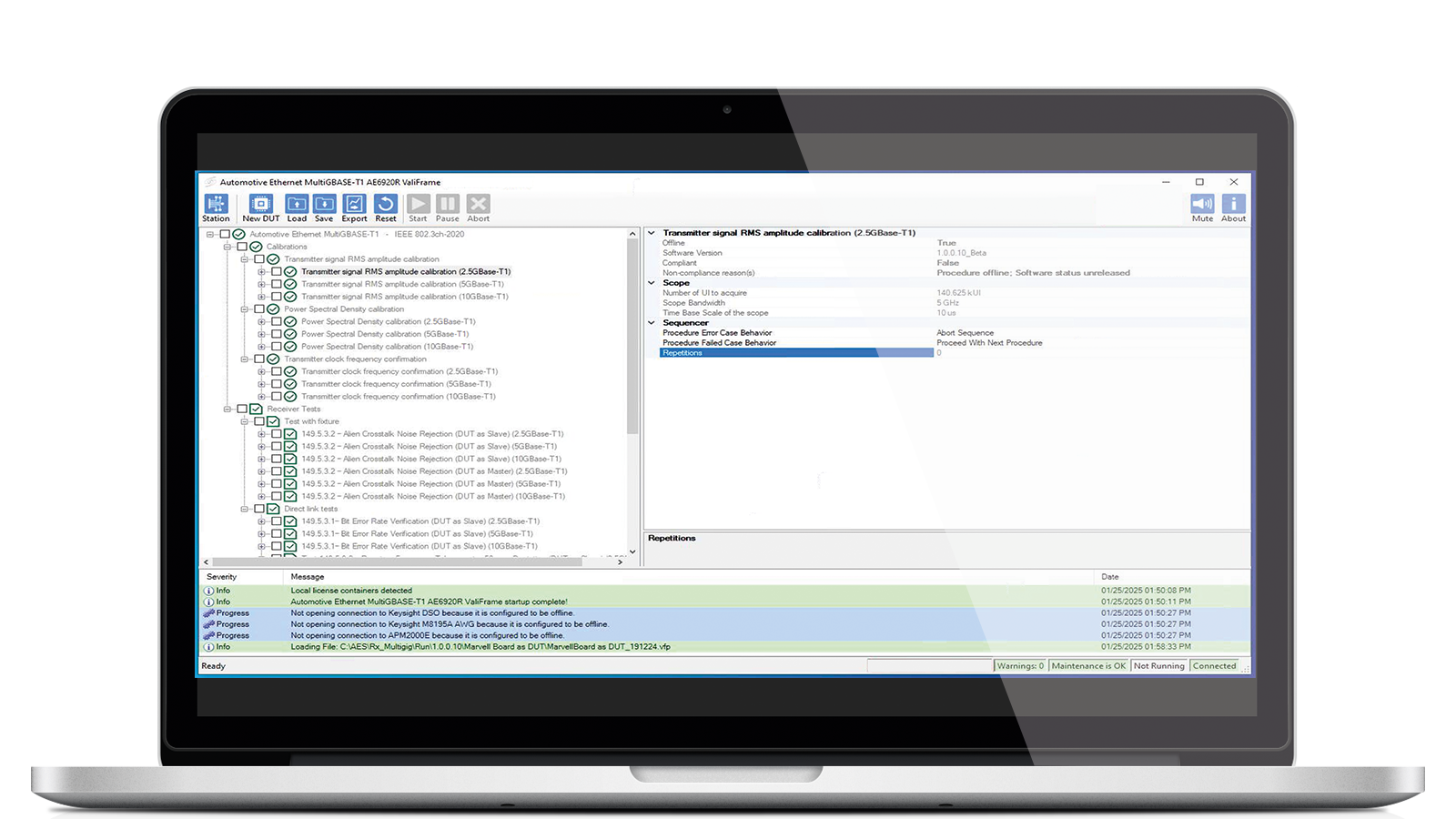
Validate MultiGBASE-T1 receiver testing and BER validation for Automotive Ethernet compliance with controlled stressed signals to IEEE 802.3ch.
Learn More