













-
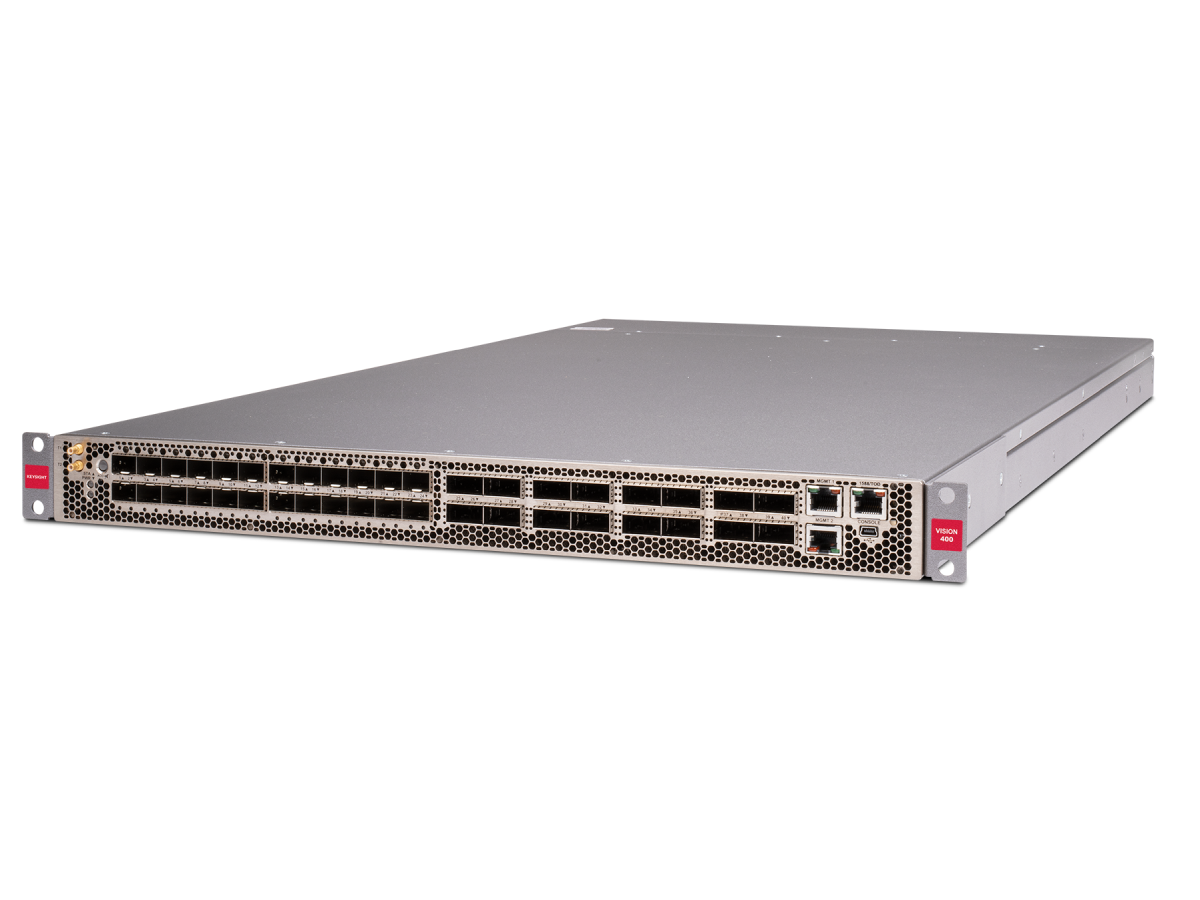
Multiband Vector Transceivers
Wideband RF transceiver testing


-
Multiport RF Transceivers
High-channel density, signal generation, and analysis
-
Wireless Test Sets
Comprehensive testing of wireless devices
-
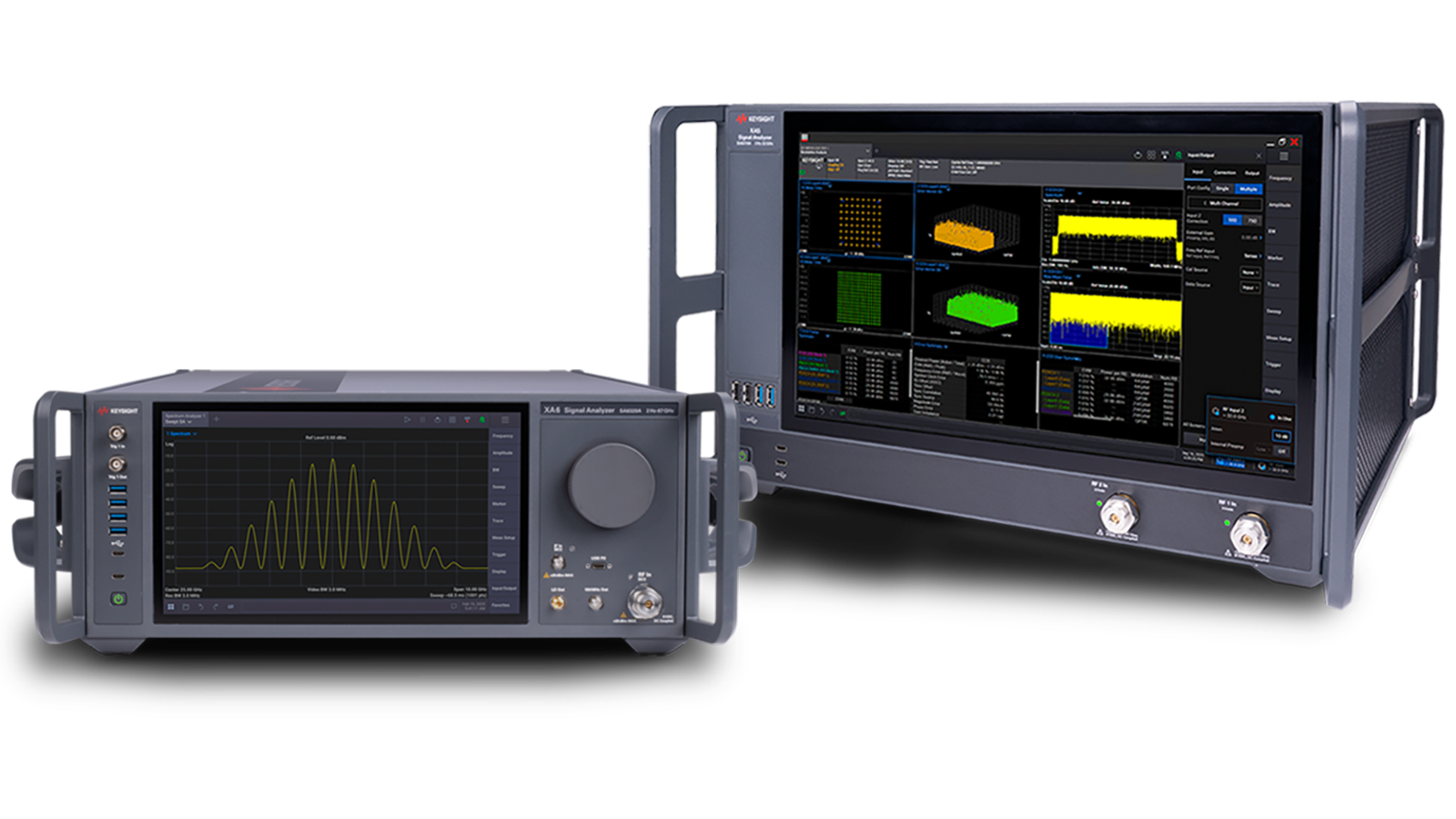
Modular Transceivers
Modular vector transceivers, controllers, and chassis.


Multiband Vector Transceivers
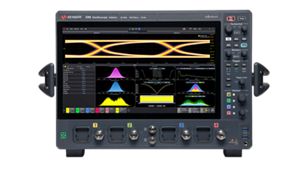
Keysight multiband RF vector transceivers are now offered in one capability class, the VT5-class, and include the S9100A-S9130A multiband RF vector transceivers. These transceivers provide broad frequency coverage and wide bandwidth, enabling comprehensive testing of 5G infrastructure equipment, including transmit, receive, fading simulation, and over-the-air (OTA) scenarios. They support both 5G frequency range 1 (FR1, sub-6 GHz) and frequency range 2 (FR2, mmWave) bands in a compact, scalable system that streamlines setup and adapts to evolving needs. Leverage the extensive Keysight software portfolio for signal generation and analysis and streamlined automation. Choose one of our popular configurations or configure one specific to your application.

Multiport RF Transceivers
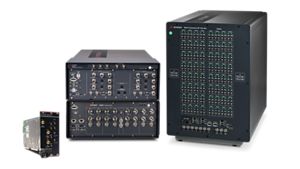
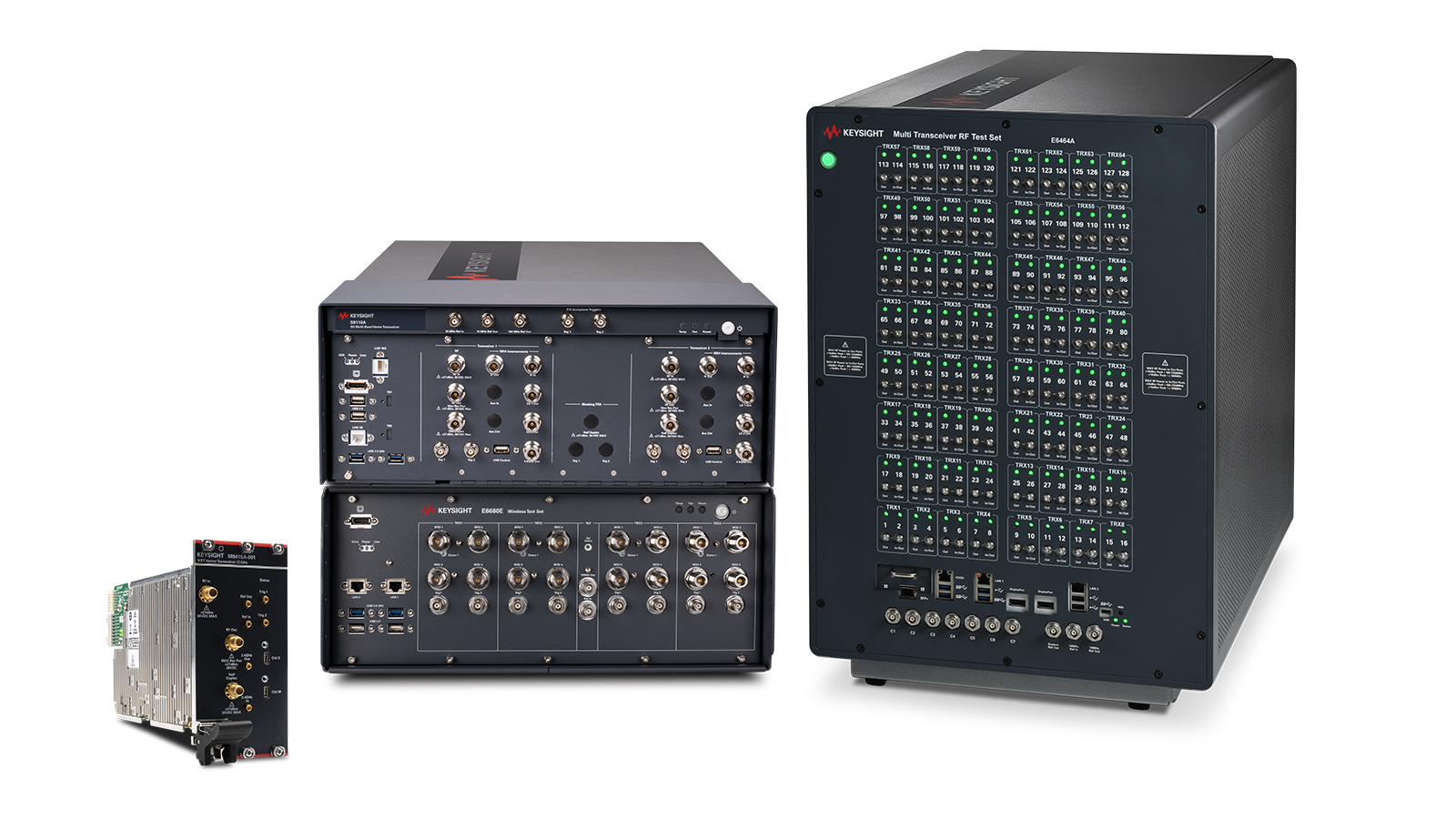
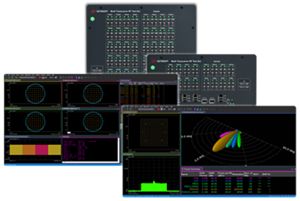
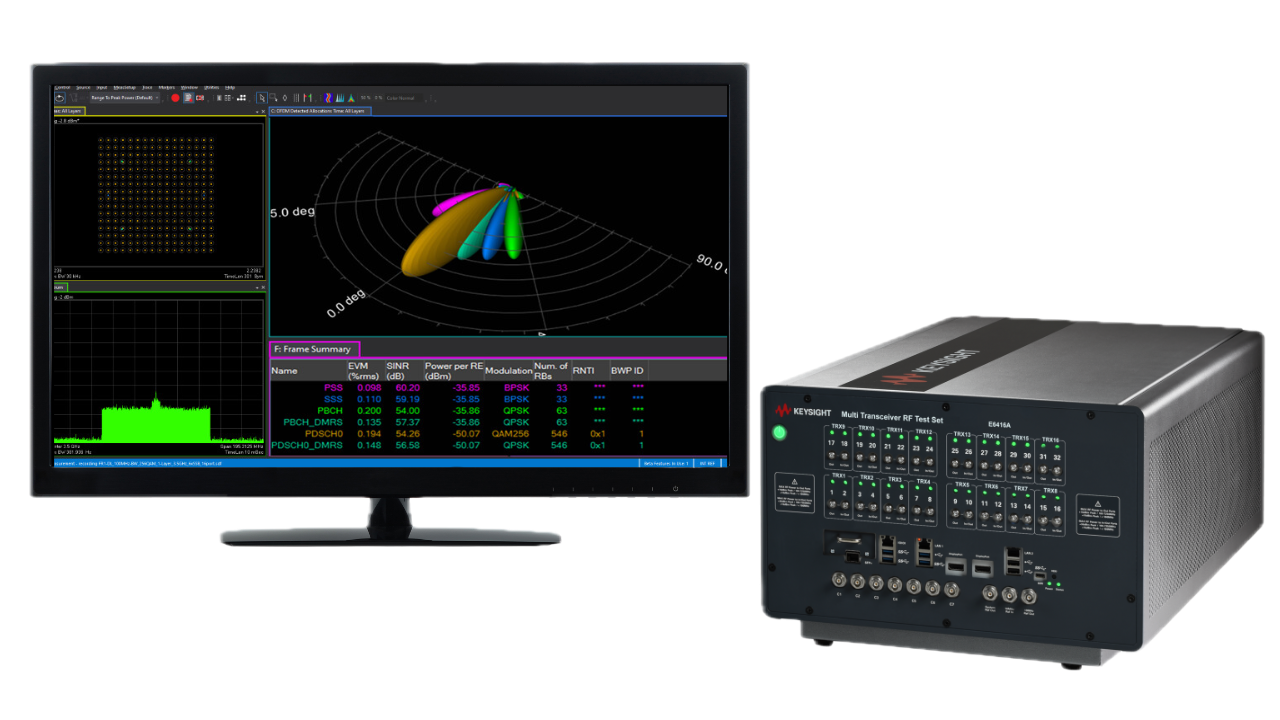
Keysight multiport RF vector transceivers are now offered in one capability class, the VT7-class, and include the E6400A Series and S9160A multiport RF vector transceivers. These transceivers deliver scalable, high-performance 5G testing with up to 64 phase and time-coherent RF transceivers, simplifying MIMO and beamforming validation. Supporting frequencies up to 7.25 GHz and 200 MHz of bandwidth per port, the platform supports a wide range of deployment scenarios without requiring hardware changes. High signal fidelity ensures accurate testing of complex modulation schemes, while the modular architecture makes it easy to upgrade as wireless standards evolve. Choose one of our popular configurations or configure one specific to your application.

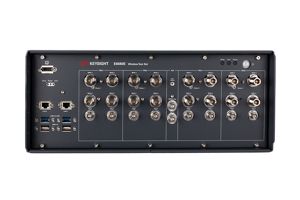
Wireless Test Sets
Keysight wireless test sets are now offered in one capability class, the VT4-class, and include the E6600 Series wireless test sets. These test sets streamline R&D and manufacturing testing of wireless devices that support multiple standards — including 5G New Radio (NR), Wi-Fi® 802.11ax, and WLAN — all within a single platform. Optimized for high-volume production, these test sets deliver high throughput through higher-level hardware capabilities and robust software automation, reducing delays and maximizing efficiency. Their modular, scalable design adapts to evolving test requirements while simplifying setup and integration. Choose one of our popular configurations or configure one specific to your application.
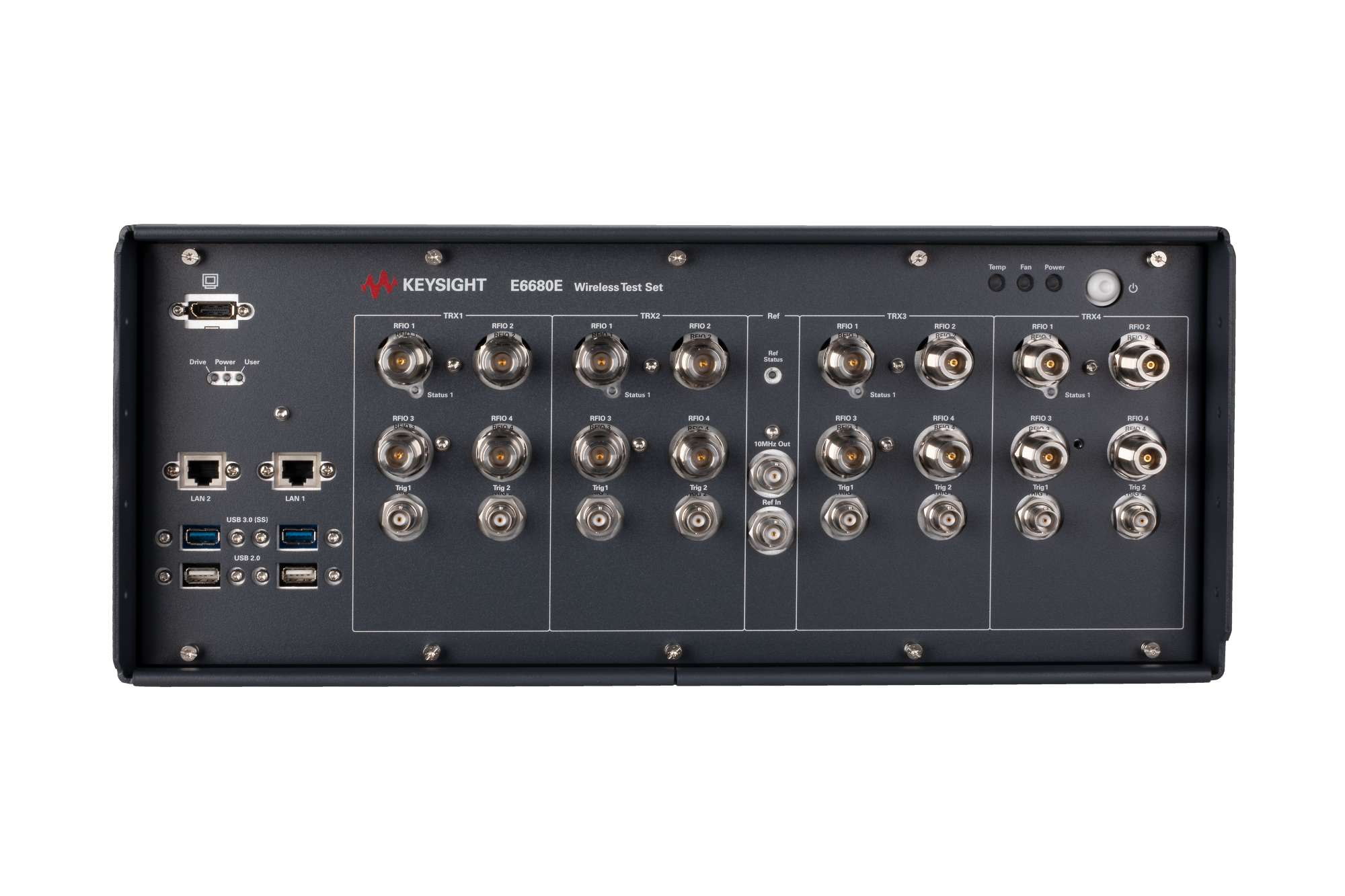
Modular Vector Transceivers
Keysight modular PXIe vector transceivers enable flexible, scalable signal generation and analysis, ideal for manufacturing testing of wireless devices, RF power amplifiers, and front-end modules. When paired with PXIe controllers, frequency references, and frequency synthesizers to create a complete test system, they deliver precise, synchronized performance, and streamlined automation to accelerate throughput and production workflows. With models supporting maximum frequencies from 60 MHz to 26.5 GHz and bandwidth up to 1.2 GHz, select the modular signal generator that is right for your application.


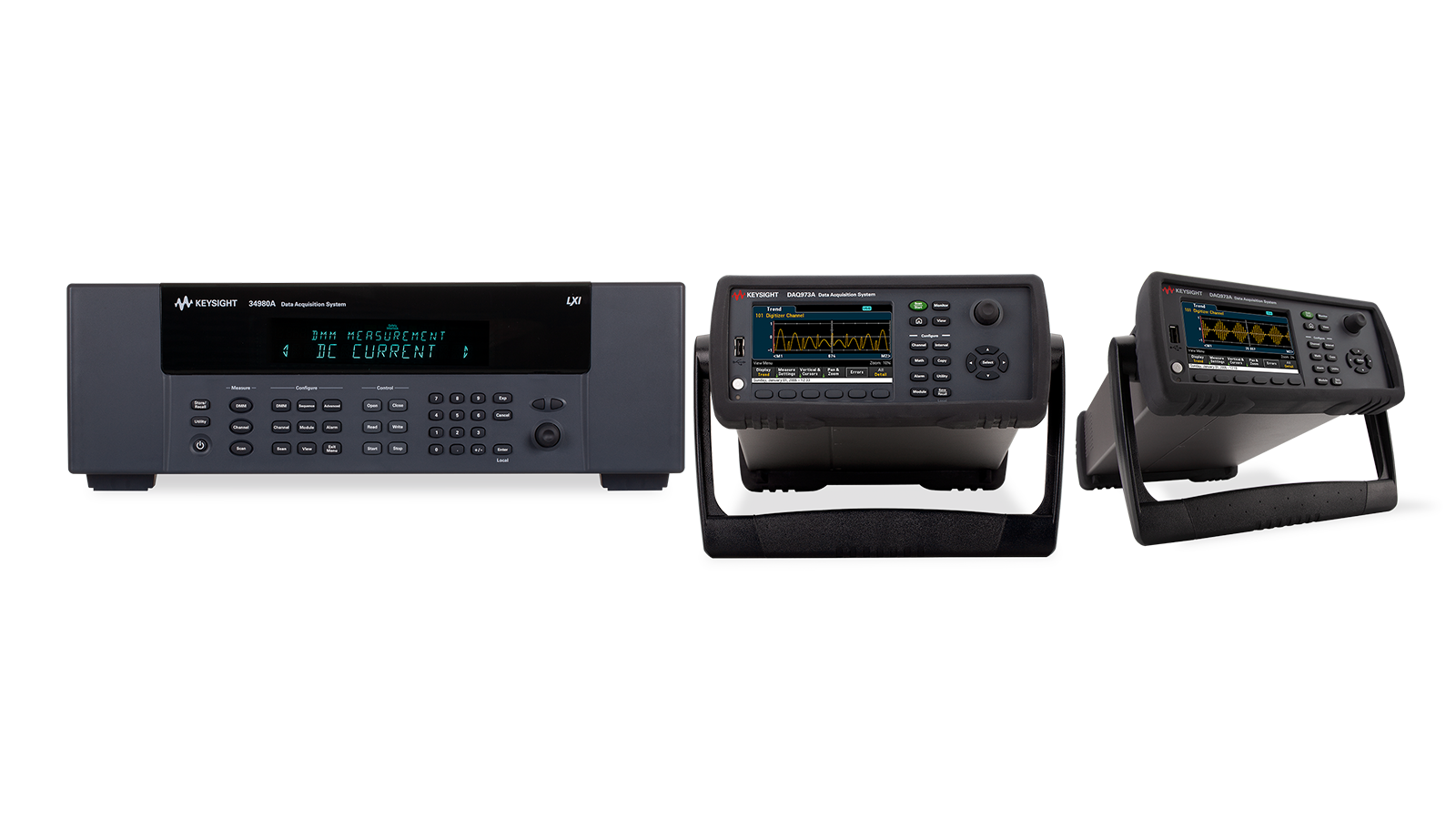
Find the RF vector transceiver for your application in minutes
Find compatible software and accessories for your RF vector transceiver
Keysight RF vector transceiver software, tailored for various applications and standards, including 5G NR, MIMO, massive MIMO, O-RAN, and OTA testing, provides broad wireless standard coverage and efficient automation for high-throughput test sequencing. Pair your RF vector transceiver software with accessories, including a mmWave remote radio head or power sensor, to make the right measurements for your application.
Explore RF vector transceiver use cases
RF vector transceivers support a wide range of applications, discover them all
Wireless Communication
Reducing RF power amplifier test time with signal processing techniques

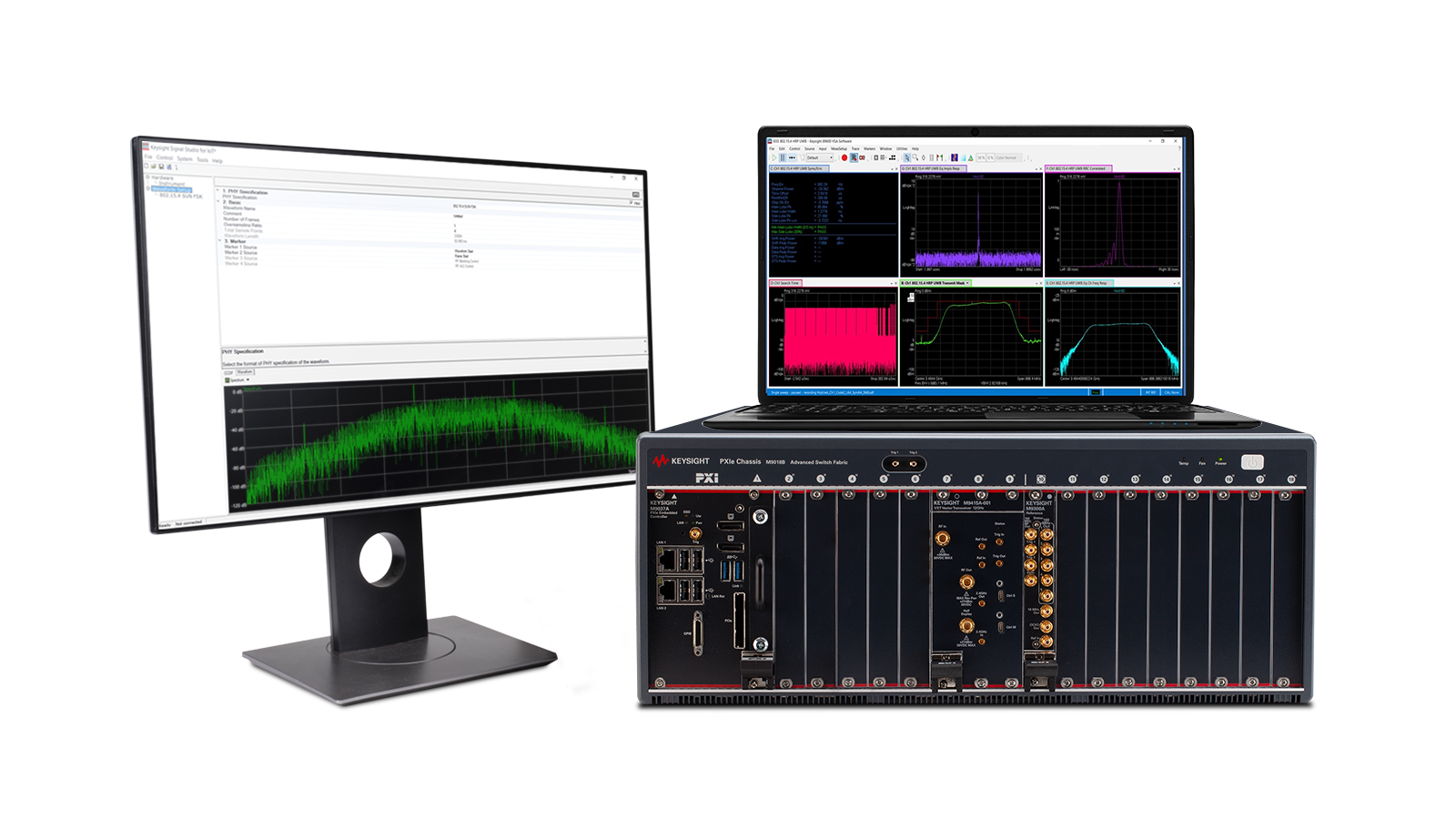
Wireless Communication
Validate ultra-wideband (UWB) devices using precise time measurements.

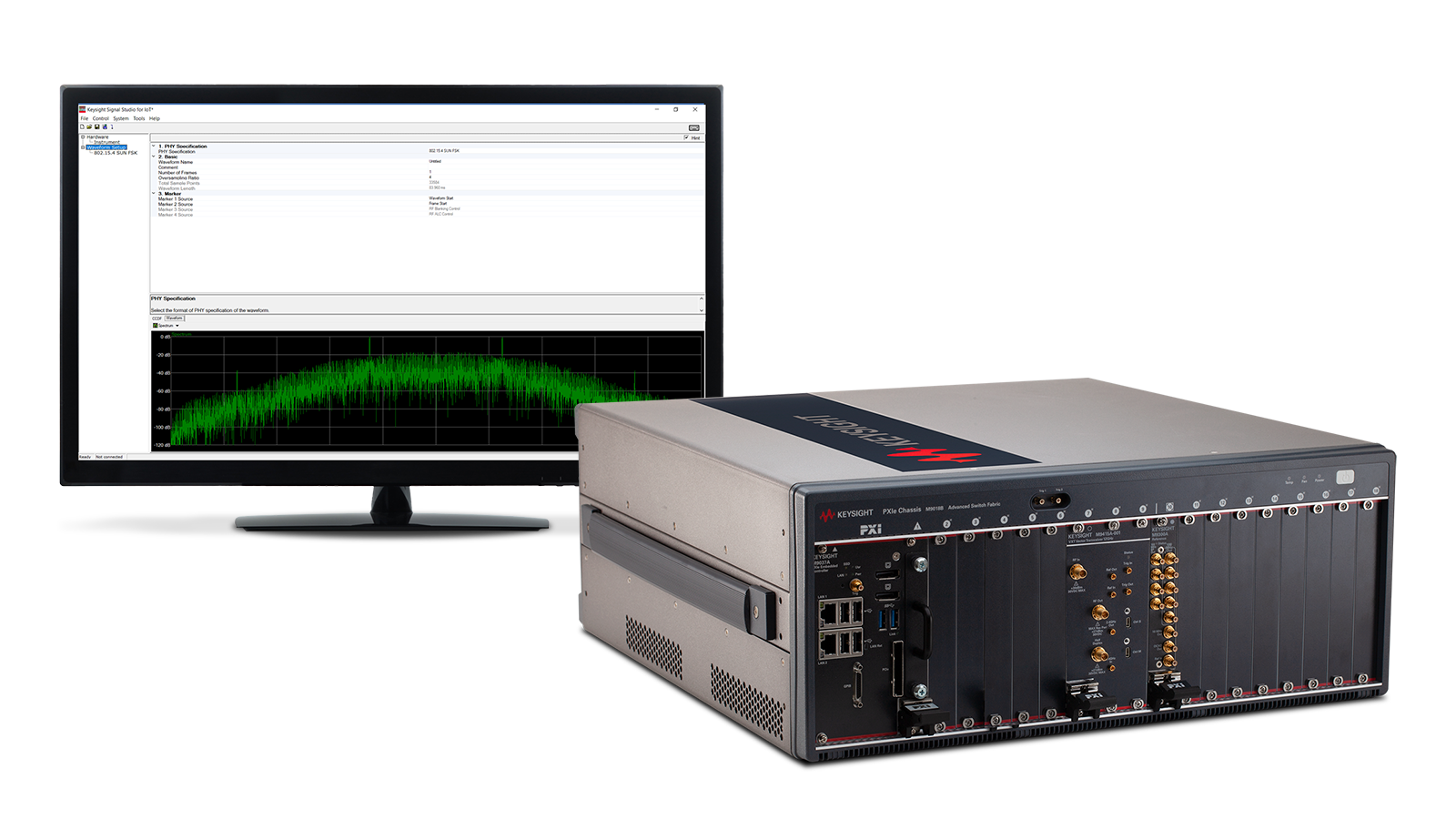
Wireless Communication
Make accurate proximity calculations between UWB devices.


Wireless Communication
Validate mMIMO radio transceiver performance up to 64 TRX.

Services and support
Innovate at speed with curated support plans and prioritized response and turn-around times.
Get predictable, lease-based subscriptions and full lifecycle management solutions—so you reach your business goals faster.
Experience elevated service as a KeysightCare subscriber to get committed technical response and more.
Ensure your test system performs to specification and meets local and global standards.
Make measurements quickly with in-house, instructor-led training, and eLearning.
Download Keysight software or update your software to the newest version.
Frequently asked questions about RF vector transceivers
An RF vector transceiver is a test and measurement instrument that transmits and receives vector-modulated RF signals, preserving both amplitude and phase information required for modern wireless standards such as quadature phase-shift keying (QPSK), quadature amplitude modulation (QAM), and orthogonal frequency-division multiplexing (OFDM).
RF vector transceivers are widely used to generate, analyze, and validate complex wireless signals in technologies like 5G, Wi-Fi, Bluetooth, radar, and satellite communications. They integrate RF up- and down-conversion, high-linearity amplifiers, low phase noise local oscillators, and baseband processing to support wide frequency ranges from MHz through millimeter-wave bands. Platforms from Keysight Technologies are commonly used in R&D, validation, and manufacturing test environments.
A multi-band vector transceiver is an advanced RF instrument capable of transmitting and receiving vector-modulated signals across multiple frequency bands, such as sub-7 GHz (FR1) and millimeter-wave (FR2) ranges used in 5G and other wireless technologies.
By supporting complex modulation schemes and offering precise control of phase and amplitude, it enables accurate testing of advanced features like 5G carrier aggregation, beamforming, and MIMO across a wide range of bands. Their ability to operate across multiple bands makes them ideal for validating multi-band devices used in 5G cellular networks, all while simplifying test setups and reducing equipment complexity.
MIMO is a smart antenna technology. MIMO uses multiple antennas at both the transmitter end and the receiver end to make more efficient use of the RF spectrum. Mathematical algorithms are used to spread the user data across multiple transmitters. The transmitted signals are three-dimensional and described in terms of time, frequency, and space. This spatial multiplexing is a common transmission technique in MIMO to transmit independent and separately encoded data signals from each of the multiple transmit antennas. Therefore, the space dimension is reused, or multiplexed, more than once. At the receiver, a special channel calibration signal at the beginning of the packet allows the different signals to be identified during the recombination process. The technique of separating out different paths in the radio link is what allows the MIMO radio to transmit multiple signals at the same time on the same frequency and thereby improve the use of the spectrum
Currently, wireless signals transmitted via single antennas are distorted by hills, buildings, valleys, and other landscape features. These alternative signal paths separated in time, multipaths, result in distortions such as fading, picketing or cliff effects. This loss of signal integrity prevents the wider adoption of wireless technology. MIMO radio works by taking advantage of the multiple paths a radio signal takes between the transmitter and receiver. The signals are now spatially diverse. Additionally, the multiple paths or channels provide a greater signal capacity. This additional capacity may be used for higher data rates and data redundancy, thereby improving the chances of signal recovery at the receiver.
Ultimately, the goal of MIMO is to measurably improve the spectral efficiency (bits/sec/Hz), the coverage area (cell radius), and the signal quality (bit-error rate or packet-error rate). As these goals are realized, there are more applications for emerging wireless technologies, such as WLAN, Broadband Wireless Access (BWA), and cellular. These advances do come at some cost. Multiple antennas increase RF costs and complexities, and mathematically complex DSP algorithms challenge the designers and manufacturers.
A RF vector transceiver should be chosen by matching frequency range, bandwidth, channel count, signal fidelity, and automation needs to the system being tested. For 5G, prioritize frequency range 1 (FR1), frequency range 2 (FR2), over-the-air (OTA) capability, and multiple-input multiple-output (MIMO) support. For radar and aerospace applications, focus on phase coherence, timing accuracy, low phase noise, and repeatable signal generation and analysis. Keysight.com organizes RF vector transceivers across multiband, multiport, wireless test set, and modular platforms, helping engineers align the instrument class with testing, validation, and compliance workflows.
The most important RF vector transceiver specifications are frequency range, instantaneous bandwidth, error vector magnitude (EVM), channel count, phase coherence, dynamic range, and automation support. Frequency range determines whether the platform covers sub-6 gigahertz (GHz), millimeter-wave (mmWave), or both. Bandwidth affects the ability to generate and analyze wideband signals used in 5G, Wi-Fi, radar, and satellite systems. EVM indicates modulation accuracy for compliance and validation testing. Channel count and synchronization are critical for multiple-input multiple-output (MIMO), beamforming, and multiport devices. Keysight.com lists platforms supporting broad frequency coverage, wide bandwidth, and scalable multi-channel testing.
A RF vector transceiver combines signal generation and signal analysis in one synchronized platform, while separate signal generators and analyzers require external coordination between instruments. This integrated architecture helps reduce setup complexity, improve timing alignment, and support faster testing, validation, and compliance workflows. A transceiver can transmit and receive vector-modulated signals while preserving amplitude and phase information used in quadrature phase-shift keying (QPSK), quadrature amplitude modulation (QAM), and orthogonal frequency-division multiplexing (OFDM). Separate instruments may still be useful for specialized measurements, but RF vector transceivers are often preferred for real-world wireless, radar, and multi-channel test systems.
RF vector transceivers are used to generate, analyze, and validate complex RF signals in wireless, aerospace, defense, semiconductor, automotive, and manufacturing environments. Common applications include 5G new radio (NR), Wi-Fi, wireless local area network (WLAN), open radio access network (O-RAN), over-the-air (OTA) testing, radar, satellite communications, ultra-wideband (UWB), RF power amplifier testing, and front-end module validation. Keysight.com highlights RF vector transceiver use cases for wireless communications, RF power amplifier production throughput, UWB measurements, and massive multiple-input multiple-output (MIMO) beamforming. These systems help engineers verify performance, interoperability, and compliance before deployment.
RF vector transceivers enable real-time signal processing and closed-loop testing by combining synchronized signal generation, signal capture, baseband processing, and software control in one test workflow. In closed-loop validation, the transceiver stimulates a device under test (DUT), captures the response, processes the result, and adjusts the next test condition automatically. This is useful for 5G wireless, beamforming, radar, and adaptive radio systems where real-world behavior changes dynamically. Keysight.com notes that RF vector transceiver software supports signal generation, analysis, automation, and high-throughput test sequencing for standards-based testing, validation, and compliance workflows.
A RF vector transceiver integrates into automated test systems through software control, synchronized timing, calibrated signal paths, and scalable multi-channel hardware. For multiple-input multiple-output (MIMO), beamforming, and multi-channel validation, prioritize phase- and time-coherent channels, shared references, triggering, and repeatable calibration. Peripheral component interconnect extensions for instrumentation (PXIe) systems are useful when high throughput, compact footprint, and modular expansion are required. Keysight.com describes modular PXIe vector transceivers that pair with controllers, frequency references, and synthesizers to create synchronized automated test systems, and multiport RF transceivers supporting up to 64 phase-coherent and time-coherent RF channels for 5G validation.