














- Overview
- All Models
- Support
Comprehensive threat simulation for secure vehicle systems
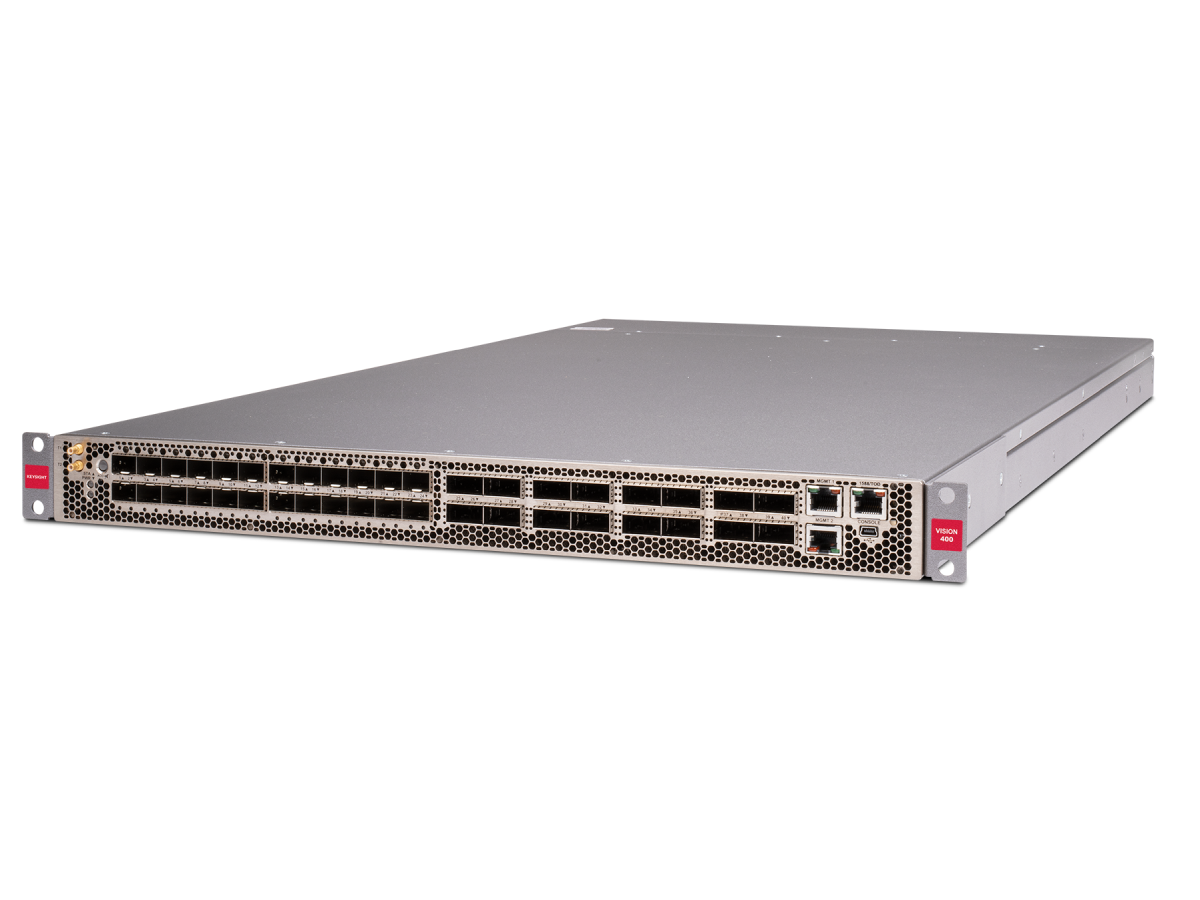
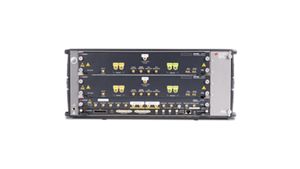
Keysight Automotive Cybersecurity Test assesses ECU and in-vehicle network resilience against cyber threats to ensure compliance and safety. The platform combines traffic generation, threat emulation, and anomaly detection to evaluate ECU response across CAN, LIN, and Automotive Ethernet protocols. Designed for flexibility and supports automated testing with pre-configured or custom cases aligned to ISO/SAE 21434 and UNECE WP.29 standards. It connects directly to DUTs through onboard interfaces and can be used standalone or integrated into Hardware-in-the-loop (HIL) testbeds for validation under simulated driving conditions. Request a quote or order Keysight Automotive Cybersecurity Test today. Learn more through the resources below.
Protocol-aware attack simulation
Simulate threats across CAN, LIN, and Automotive Ethernet to validate the resilience of the ECU and network, ensuring robust cybersecurity in connected vehicles.
Real-time traffic monitoring
Capturing, analyzing, and modifying in-vehicle network traffic live during test execution enables the detection of abnormal ECU behavior and vulnerabilities under dynamic threat conditions.
Automated compliance regression testing
Save test plans and discovered vulnerabilities for repeatable and automated validation to speed up development cycles and support standards like UNECE WP.29 and ISO/SAE 21434.
Seamless HIL enterprise integration
Connect to PathWave Lab Operations, cloud databases, and hardware-in-the-loop (HIL) system enables scalable, system-level testing and centralized cybersecurity management.
-
Type
Test System
-
Interface
Cellular - 2G; 3G; 4G LTE; 5G including C-V2X, Wi Fi, Bluetooth, CAN, Automotive ethernet
-
Modularity
Scalable and flexible architecture
-
Platform
OpenTAP, PathWave-based software
Typical configuration
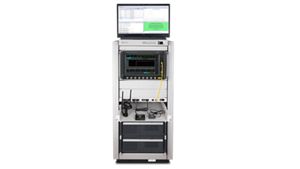

Automotive Cybersecurity Test Platform
- Accelerate Validation and Achieve C-V2X Compliance
- Test Solutions for E-Mobility and Autonomous Driving
- Optimize Testing with Smarter Software Tool
Services and support
Innovate at speed with curated support plans and prioritized response and turn-around times.
Get predictable, lease-based subscriptions and full lifecycle management solutions—so you reach your business goals faster.
Experience elevated service as a KeysightCare subscriber to get committed technical response and more.
Ensure your test system performs to specification and meets local and global standards.
Make measurements quickly with in-house, instructor-led training, and eLearning.
Download Keysight software or update your software to the newest version.
Frequently asked questions
In today’s interconnected world, any device linked to an information stream is susceptible to cyberattacks. Cars are more connected than ever before, making them for hackers. From infotainment systems to engine control units, nearly every part of a vehicle relies on computer-based subsystems, creating a sprawling attack surface of interconnected vulnerabilities.
The modern connected car offers multiple entry points for attackers. Vehicles connect through various interfaces, USB, CAN bus, Wi-Fi, Bluetooth, cellular, and automotive Ethernet, offering cybercriminals plenty of attack options. Securing these interfaces is an important and ongoing challenge for automakers.
In short, automakers need to proactively test their own vehicles before cybercriminals can exploit vulnerabilities. The best way to do this is to think like a cybercriminal, who aims to exploit system and component weaknesses.
By performing controlled cyberattacks, automakers can test vehicular security in line with their Cybersecurity Management System (CSMS). This practice, known as automotive cybersecurity testing, includes functional cybersecurity testing, fuzz testing, and vulnerability testing. These tests must cover a wide range of potential threats and account for all possible points of entry, such as cellular, Wi-Fi, Bluetooth, USB, CAN, and automotive Ethernet interfaces.
However, testing is only part of the solution. Software updates, the preferred method for mitigating vulnerabilities, require thorough verification. This iterative process relies heavily on automation. Compliance with industry standards and government regulations requires a repeatable, scalable, and well-documented testing approach. Given the extensive attack surfaces, emerging threats, and mandatory compliance processes, integration and automation are essential.
The World Forum for Harmonization of Vehicle Regulations (UNECE WP.29) is a strategic initiative to align OEMs across various regulations. In 2020, WP.29 introduced new cybersecurity frameworks for passenger vehicles.
This framework requires automakers to:
- Manage vehicle cybersecurity risks.
- Mitigate supply chain risks by securing vehicle design.
- Detect and respond to security incidents across the vehicle fleet.
- Provide secure software updates without compromising vehicle security.
The main regulation to come from this, UN R155, mandates that automakers integrate cybersecurity throughout the vehicle’s lifecycle. In simple terms: they must establish a Cybersecurity Management System (CSMS) that uses risk-driven engineering processes for vehicle components, subsystems, and assemblies.
Automakers must demonstrate CSMS compliance to obtain “type approval” from the UN. Without this approval, vehicles cannot operate on public roads. UN R155 applies to major markets like the EU, UK, Korea, and Russia, and all vehicles in production must comply.