Learn More
segmentation:campaign/Bench,segmentation:product-category/DMMs_DAQs_Function_Generators,segmentation:product-category/DMMs_DAQs_Function_Generators/Digital_Multimeters,segmentation:business-unit/EISG,keysight:product-lines/gm,segmentation:funnel/bofu,keysight:dtx/solutions/facets/industry/semiconductor,keysight:dtx/solutions/facets/design-and-test-product/meter,keysight:dtx/solutions/facets/workflow-stage/functional-test,keysight:dtx/solutions/facets/development-area/high-speed-digital,keysight:dtx/use-cases,keysight:models/34/34465asegmentation:campaign/Bench,segmentation:product-category/DMMs_DAQs_Function_Generators,segmentation:product-category/DMMs_DAQs_Function_Generators/Digital_Multimeters,segmentation:business-unit/EISG,keysight:product-lines/gm,segmentation:funnel/bofu,keysight:dtx/solutions/facets/industry/semiconductor,keysight:dtx/solutions/facets/design-and-test-product/meter,keysight:dtx/solutions/facets/workflow-stage/functional-test,keysight:dtx/solutions/facets/development-area/high-speed-digital,keysight:dtx/use-cases,keysight:models/34/34465asegmentation:campaign/Bench,segmentation:product-category/DMMs_DAQs_Function_Generators,segmentation:product-category/DMMs_DAQs_Function_Generators/Digital_Multimeters,segmentation:business-unit/EISG,keysight:product-lines/gm,segmentation:funnel/bofu,keysight:dtx/solutions/facets/industry/semiconductor,keysight:dtx/solutions/facets/design-and-test-product/meter,keysight:dtx/solutions/facets/workflow-stage/functional-test,keysight:dtx/solutions/facets/development-area/high-speed-digital,keysight:dtx/use-cases,keysight:models/34/34465asegmentation:campaign/Bench,segmentation:product-category/DMMs_DAQs_Function_Generators,segmentation:product-category/DMMs_DAQs_Function_Generators/Digital_Multimeters,segmentation:business-unit/EISG,keysight:product-lines/gm,segmentation:funnel/bofu,keysight:dtx/solutions/facets/industry/semiconductor,keysight:dtx/solutions/facets/design-and-test-product/meter,keysight:dtx/solutions/facets/workflow-stage/functional-test,keysight:dtx/solutions/facets/development-area/high-speed-digital,keysight:dtx/use-cases,keysight:models/34/34465asegmentation:campaign/Bench,segmentation:product-category/DMMs_DAQs_Function_Generators,segmentation:product-category/DMMs_DAQs_Function_Generators/Digital_Multimeters,segmentation:business-unit/EISG,keysight:product-lines/gm,segmentation:funnel/bofu,keysight:dtx/solutions/facets/industry/semiconductor,keysight:dtx/solutions/facets/design-and-test-product/meter,keysight:dtx/solutions/facets/workflow-stage/functional-test,keysight:dtx/solutions/facets/development-area/high-speed-digital,keysight:dtx/use-cases,keysight:models/34/34465asegmentation:campaign/Bench,segmentation:product-category/DMMs_DAQs_Function_Generators,segmentation:product-category/DMMs_DAQs_Function_Generators/Digital_Multimeters,segmentation:business-unit/EISG,keysight:product-lines/gm,segmentation:funnel/bofu,keysight:dtx/solutions/facets/industry/semiconductor,keysight:dtx/solutions/facets/design-and-test-product/meter,keysight:dtx/solutions/facets/workflow-stage/functional-test,keysight:dtx/solutions/facets/development-area/high-speed-digital,keysight:dtx/use-cases,keysight:models/34/34465asegmentation:campaign/Bench,segmentation:product-category/DMMs_DAQs_Function_Generators,segmentation:product-category/DMMs_DAQs_Function_Generators/Digital_Multimeters,segmentation:business-unit/EISG,keysight:product-lines/gm,segmentation:funnel/bofu,keysight:dtx/solutions/facets/industry/semiconductor,keysight:dtx/solutions/facets/design-and-test-product/meter,keysight:dtx/solutions/facets/workflow-stage/functional-test,keysight:dtx/solutions/facets/development-area/high-speed-digital,keysight:dtx/use-cases,keysight:models/34/34465asegmentation:campaign/Bench,segmentation:product-category/DMMs_DAQs_Function_Generators,segmentation:product-category/DMMs_DAQs_Function_Generators/Digital_Multimeters,segmentation:business-unit/EISG,keysight:product-lines/gm,segmentation:funnel/bofu,keysight:dtx/solutions/facets/industry/semiconductor,keysight:dtx/solutions/facets/design-and-test-product/meter,keysight:dtx/solutions/facets/workflow-stage/functional-test,keysight:dtx/solutions/facets/development-area/high-speed-digital,keysight:dtx/use-cases,keysight:models/34/34465asegmentation:campaign/Bench,segmentation:product-category/DMMs_DAQs_Function_Generators,segmentation:product-category/DMMs_DAQs_Function_Generators/Digital_Multimeters,segmentation:business-unit/EISG,keysight:product-lines/gm,segmentation:funnel/bofu,keysight:dtx/solutions/facets/industry/semiconductor,keysight:dtx/solutions/facets/design-and-test-product/meter,keysight:dtx/solutions/facets/workflow-stage/functional-test,keysight:dtx/solutions/facets/development-area/high-speed-digital,keysight:dtx/use-cases,keysight:models/34/34465asegmentation:campaign/Bench,segmentation:product-category/DMMs_DAQs_Function_Generators,segmentation:product-category/DMMs_DAQs_Function_Generators/Digital_Multimeters,segmentation:business-unit/EISG,keysight:product-lines/gm,segmentation:funnel/bofu,keysight:dtx/solutions/facets/industry/semiconductor,keysight:dtx/solutions/facets/design-and-test-product/meter,keysight:dtx/solutions/facets/workflow-stage/functional-test,keysight:dtx/solutions/facets/development-area/high-speed-digital,keysight:dtx/use-cases,keysight:models/34/34465asegmentation:campaign/Bench,segmentation:product-category/DMMs_DAQs_Function_Generators,segmentation:product-category/DMMs_DAQs_Function_Generators/Digital_Multimeters,segmentation:business-unit/EISG,keysight:product-lines/gm,segmentation:funnel/bofu,keysight:dtx/solutions/facets/industry/semiconductor,keysight:dtx/solutions/facets/design-and-test-product/meter,keysight:dtx/solutions/facets/workflow-stage/functional-test,keysight:dtx/solutions/facets/development-area/high-speed-digital,keysight:dtx/use-cases,keysight:models/34/34465asegmentation:campaign/Bench,segmentation:product-category/DMMs_DAQs_Function_Generators,segmentation:product-category/DMMs_DAQs_Function_Generators/Digital_Multimeters,segmentation:business-unit/EISG,keysight:product-lines/gm,segmentation:funnel/bofu,keysight:dtx/solutions/facets/industry/semiconductor,keysight:dtx/solutions/facets/design-and-test-product/meter,keysight:dtx/solutions/facets/workflow-stage/functional-test,keysight:dtx/solutions/facets/development-area/high-speed-digital,keysight:dtx/use-cases,keysight:models/34/34465a
How to Measure Low-Power Device Current
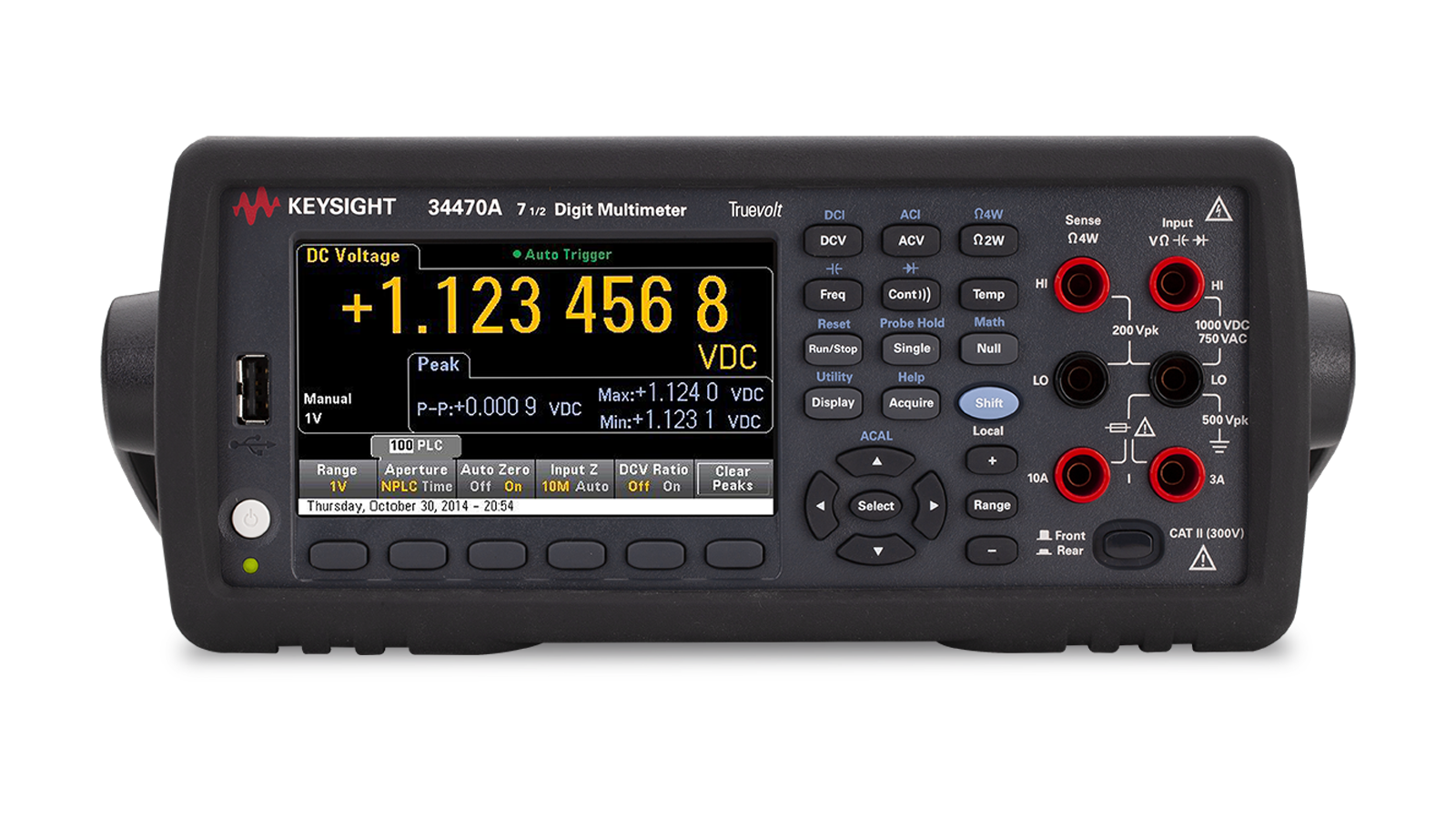
Measure low current accurately in low-power devices using the Advanced Benchtop Multimeter with graphical analysis, triggering, and data capture.
Learn More