How to Measure Average Radio Frequency Power of Complex Modulated Signals

Complex Signal Power Measurements
Average RF power measurements for digitally modulated signals require thermal sensing methods capable of averaging rapidly changing signal envelopes without introducing modulation-dependent measurement error. The measurement setup typically includes a power meter, thermocouple power sensor, broadband signal source, calibrated attenuators, frequency correction data, and synchronized acquisition controls to maintain stable measurement performance across varying modulation bandwidths, crest factors, and operating frequencies during continuous signal transmission and long-duration validation testing.
The measurement process converts radio frequency energy into heat and derives average signal power from the thermal response of the sensing element rather than peak envelope behavior. Continuous acquisition, averaging, synchronization, logging, and statistical analysis techniques are used to characterize complex modulation formats with rapidly varying amplitudes while maintaining repeatable measurement performance across broadband microwave frequencies and dynamically changing signal conditions in wireless communication transmitter validation workflows.

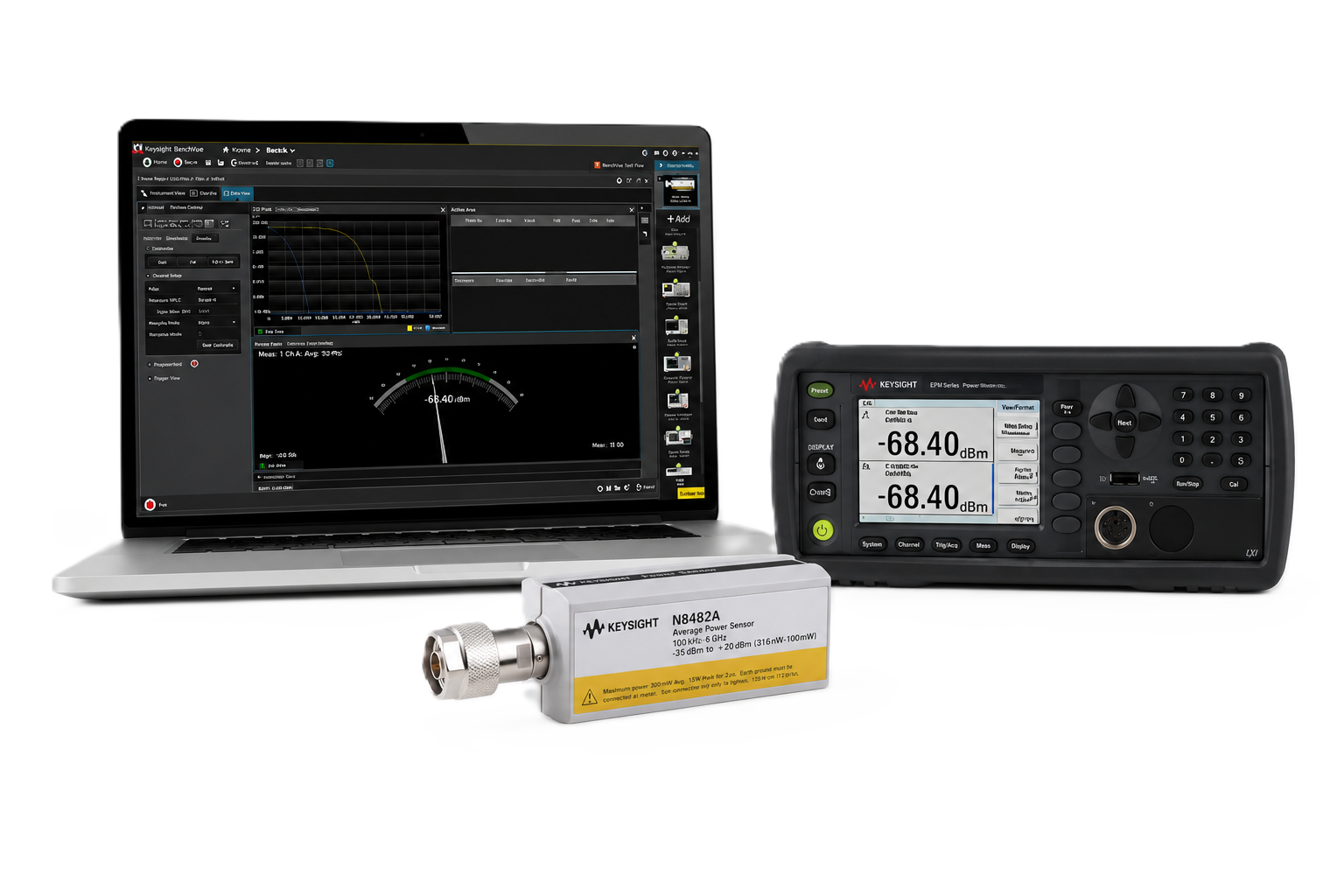
Average Radio Frequency Power Solution
See Block Diagram of Average Radio Frequency Power Solution


Explore Products in Our Average Radio Frequency Power Solution
-

![]()
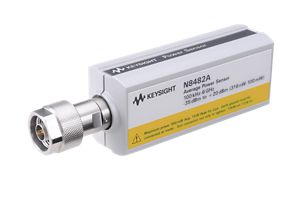
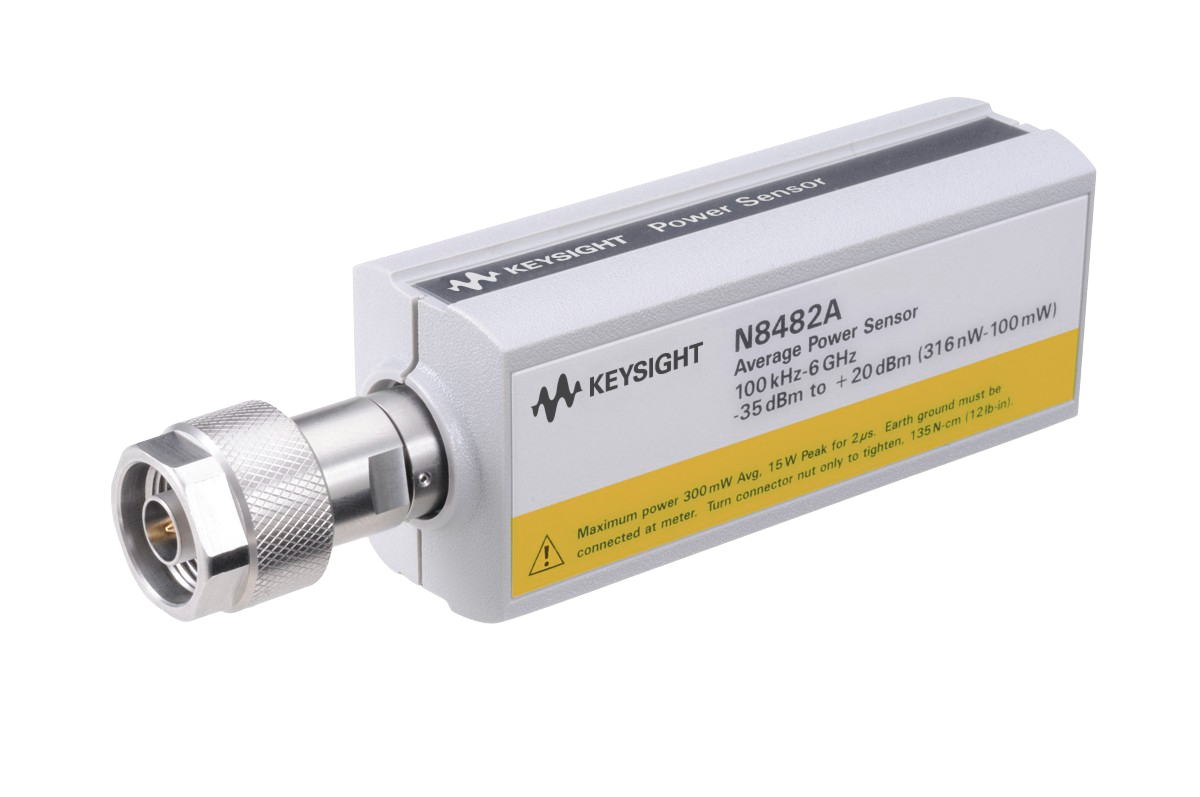
N8482A Thermocouple Power Sensors
-
![]()
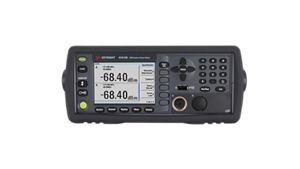
N1913B EPM Series Single-Channel Power Meter
-

![]()
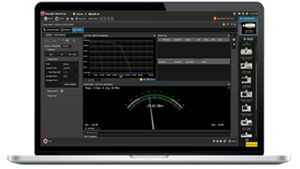
BV0007B PathWave BenchVue Power Meters/Sensors App


Discover Resources and Insights
Additional Resources for Average Radio Frequency Power
Related Use Cases
-
![]()
Learn More
How to Compare Thermal RF Power Across Multiple Frequency Bands
Compare thermal radio frequency power across multiple bands using a power meter and thermocouple sensor measurements.
Learn More

-
![]()
Learn More
How to Validate RF Power Sensor Frequency Response Compensation
Validate radio frequency power sensor frequency compensation using a power meter and thermocouple sensor measurements.
Learn More
-
![]()
Learn More
How to Minimize Standing Wave Effects in RF Power Measurements
Minimize standing wave effects using a power meter and thermocouple sensor measurement techniques.
Learn More

Get in Touch with One of Our Experts
Need help finding the right solution for you?