How to Measure Average Power of Frequency-Hopping Signals

Measure Frequency-Hopping Signal Power
Measuring average power in frequency-hopping radio frequency signals requires capturing signal energy across rapidly changing carrier frequencies while maintaining accurate time alignment and averaging. Frequency-hopping signals transition between discrete frequencies over defined intervals, which introduces challenges in ensuring that measurement systems capture all relevant signal energy without bias toward specific frequency states. Engineers must configure measurement systems that respond quickly to frequency changes while maintaining consistent averaging across the entire hopping sequence. Sensor bandwidth, response time, and measurement timing must be sufficient to track the signal behavior without introducing measurement gaps or distortion.
The measurement setup includes an average power meter, compatible wideband power sensors, and software capable of continuous acquisition and data logging. Engineers measure power across multiple hopping cycles to ensure that the resulting average represents the full frequency distribution of the signal. Proper averaging techniques and continuous measurement acquisition are required to capture variations between hops and ensure consistent results. Data analysis tools are used to verify measurement stability and confirm that all frequency states are included in the calculation, enabling accurate characterization of average power in frequency-hopping systems.

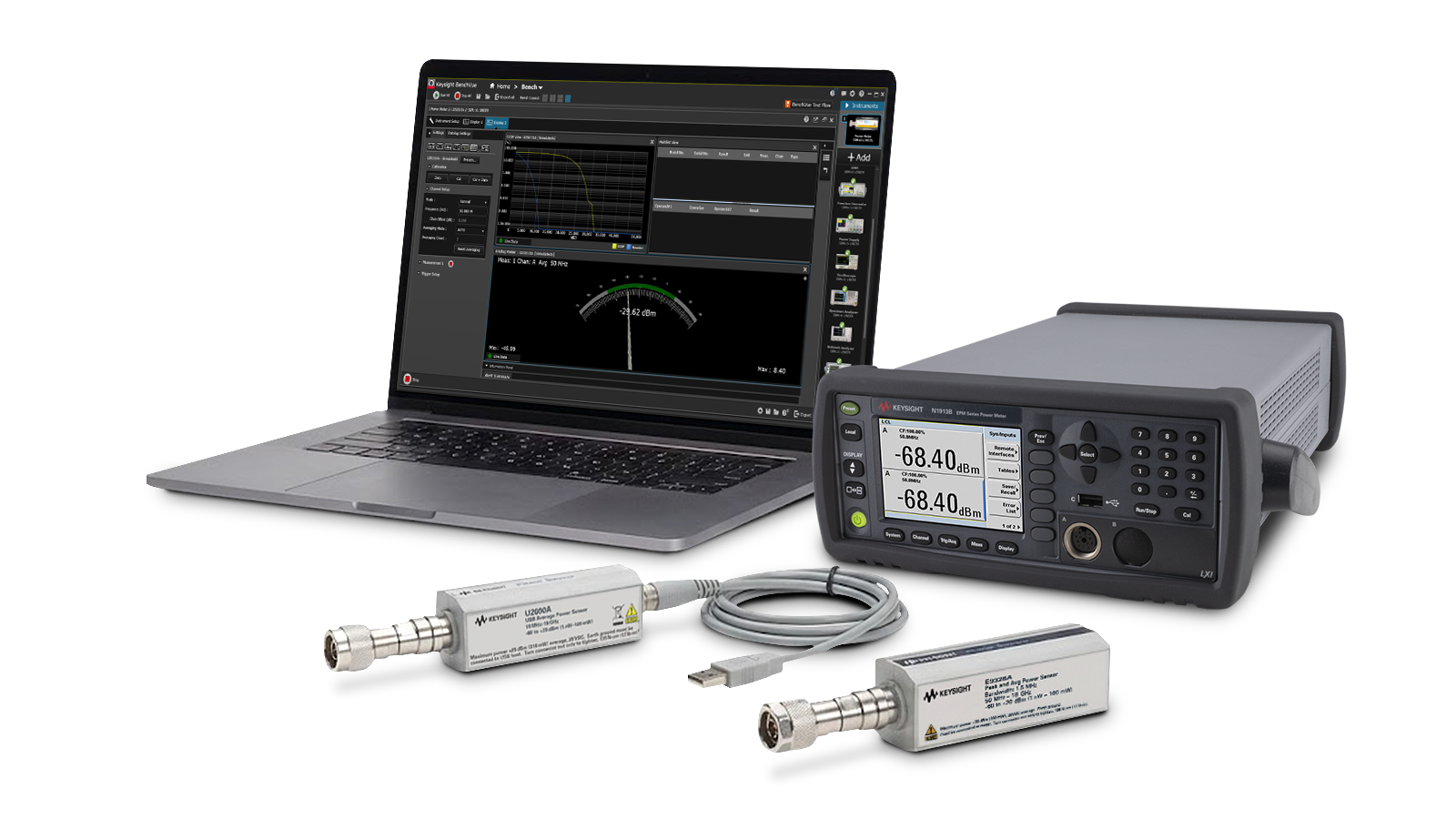
Frequency-Hopping Power Measurement Solution
See Block Diagram of Frequency-Hopping Power Measurement Solution


Explore Products in Our Frequency-Hopping Power Measurement Solution
-

![]()
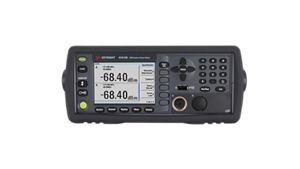
N1913B EPM Series Single-Channel Power Meter
-
![]()
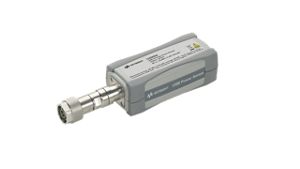
U2000A 10 MHz - 18 GHz USB Power Sensor
-
![]()
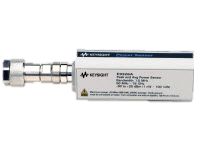
E9326A Peak and Average Power Sensor, 50 MHz - 18 GHz, 1.5MHz Bandwidth
-

![]()
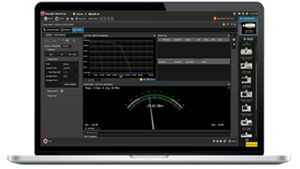
BV0007B PathWave BenchVue Power Meters/Sensors App


Discover Resources and Insights
Additional Resources for Frequency-Hopping Power Measurement
Related Use Cases

-
![]()
Learn More
How to Perform Burst Power Measurement
Measure burst RF signal power using time-gated averaging with power meters, sensors, and automated control software for TDMA systems.
Learn More

-
![]()
Learn More
How to Measure RF Power During Rapid Amplitude Switching
Measure RF power during rapid amplitude transitions using a power meter, fast-response sensors, continuous acquisition, and automated measurement techniques.
Learn More
-
![]()
Learn More
How to Measure RF Power Settling Time
Measure RF power settling time during signal transients using fast power sensors, gated measurements, and automated data acquisition tools.
Learn More

Get in Touch with One of Our Experts
Need help finding the right solution for you?