How to Compare Power Supply Noise Reduction

Compare Noise Reduction Techniques
Comparing power supply noise reduction requires measuring voltage noise under multiple configurations using a consistent test setup. The process involves configuring a precision voltage source, connecting it to an oscilloscope, and capturing noise measurements such as RMS (root mean square) and peak-to-peak values. The same measurement conditions are maintained while modifying the output path to include different filtering stages.
The comparison is performed by observing noise levels with no filter, with a low noise filter, and with an ultra-low noise filter. Each configuration produces a distinct noise profile, allowing direct evaluation of noise reduction effectiveness. The resulting waveforms and measured values demonstrate progressive reduction in voltage noise, enabling quantitative comparison of filtering approaches under identical conditions.

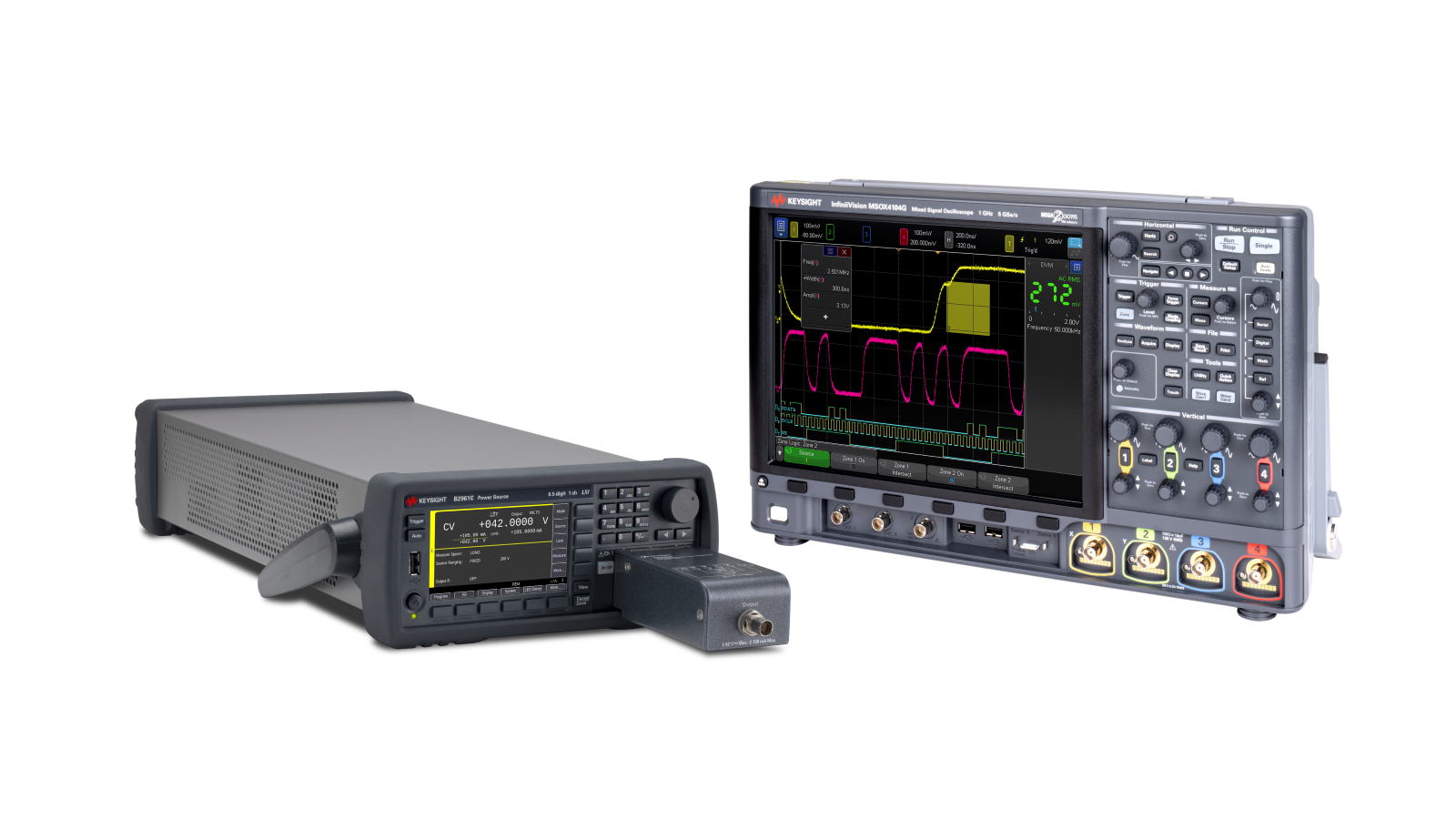
Power Supply Noise Reduction Comparison Solution
See Block Diagram of Power Supply Noise Reduction Comparison Solution


Explore Products in Our Power Supply Noise Reduction Comparison Solution
-

![]()
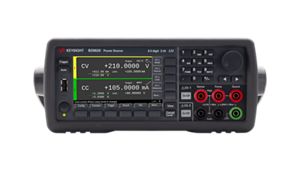
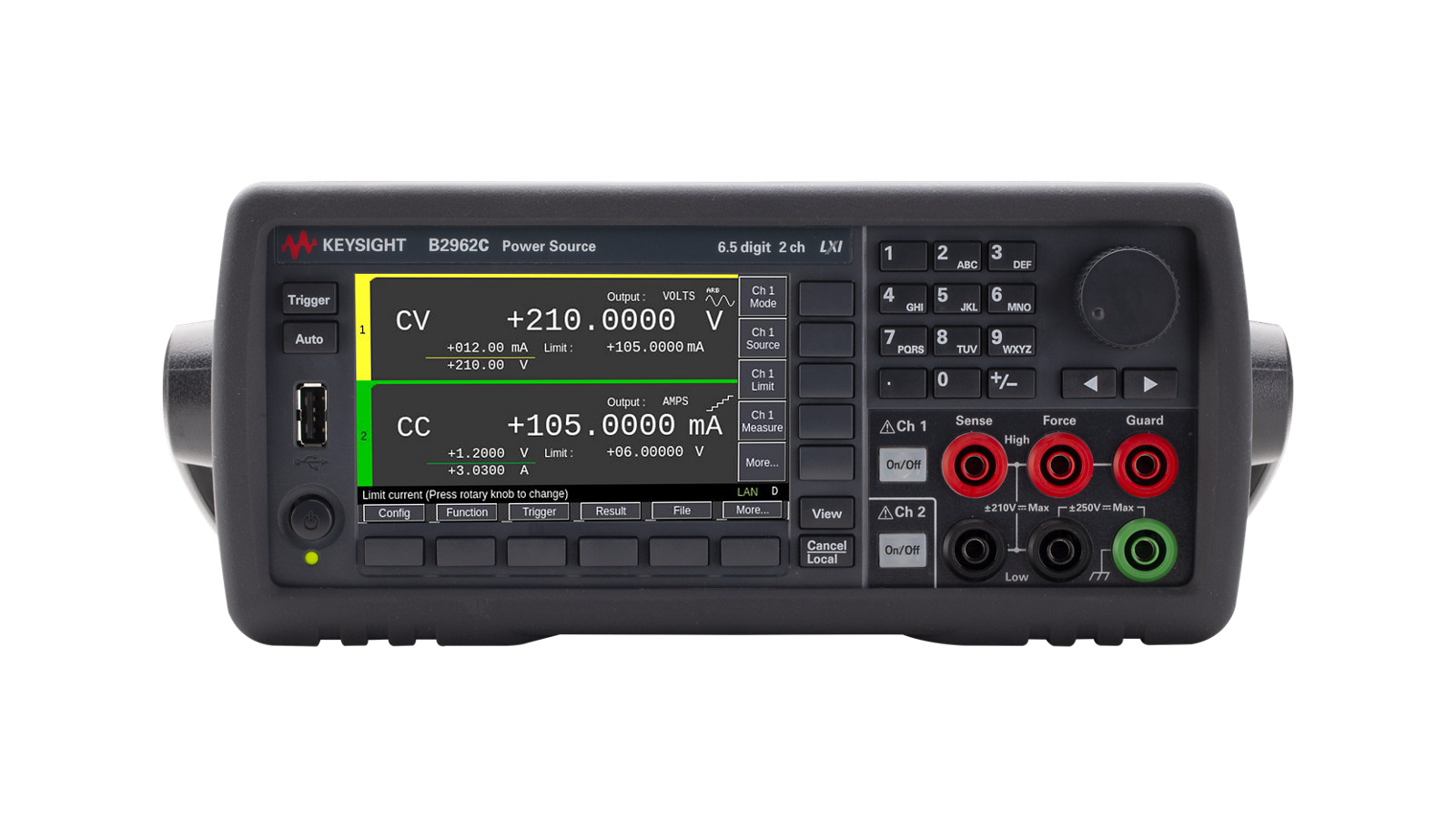
B2962C 6.5-Digit Low Noise Power Source, 210 V, 3 A, 2-Channel
-
![]()
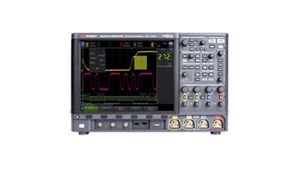
MSOX4024G Mixed Signal Oscilloscope: 200 MHz, 4 Analog Plus 16 Digital Channels
-
![]()
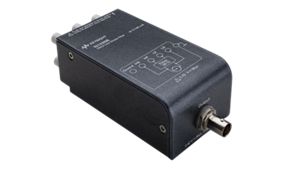
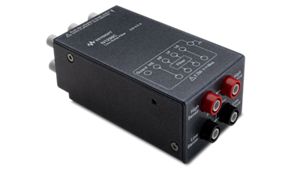
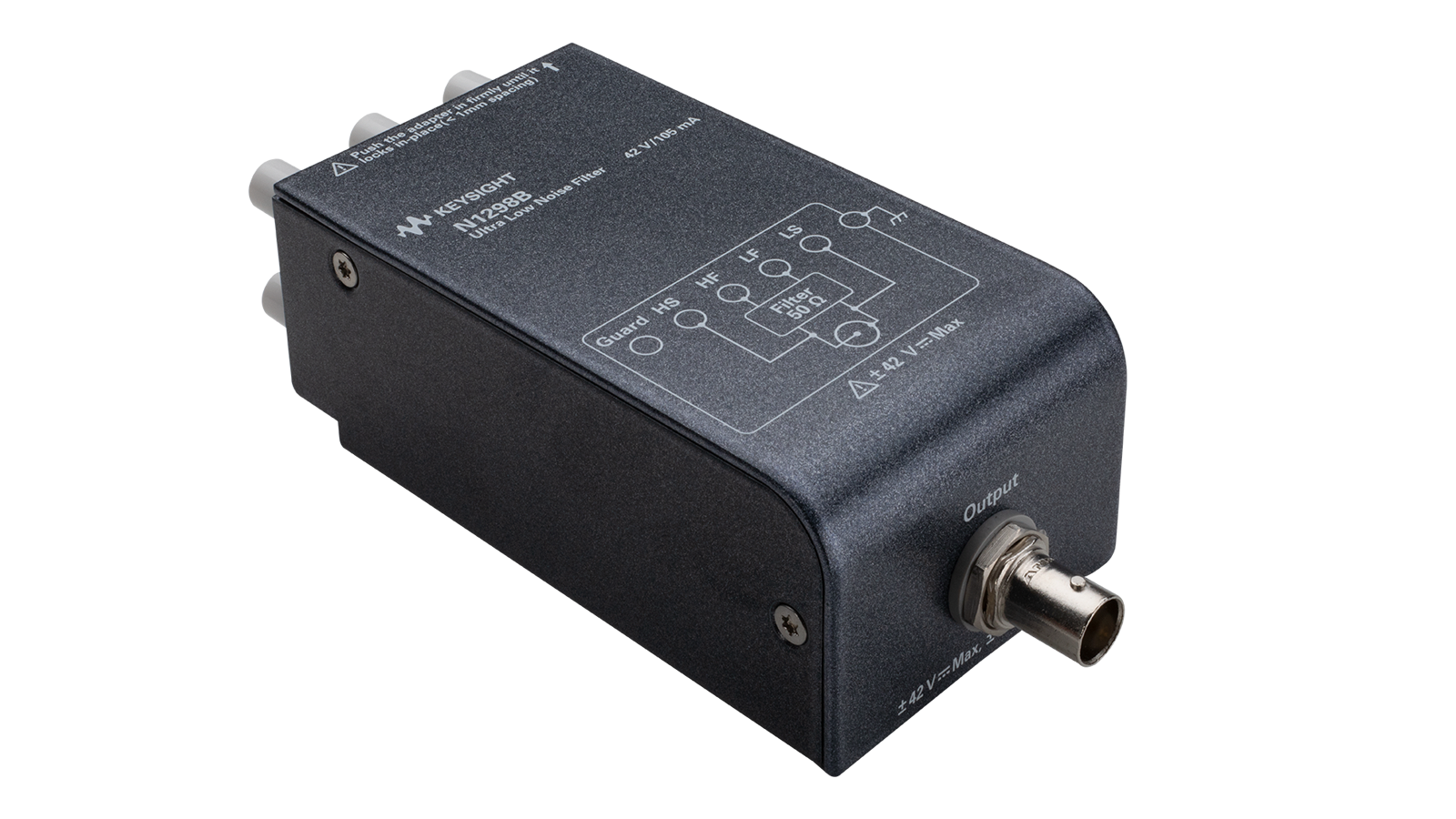
N1298B Ultra-Low Noise Filter, 42 V / 105 mA, 50 Ω
-
![]()
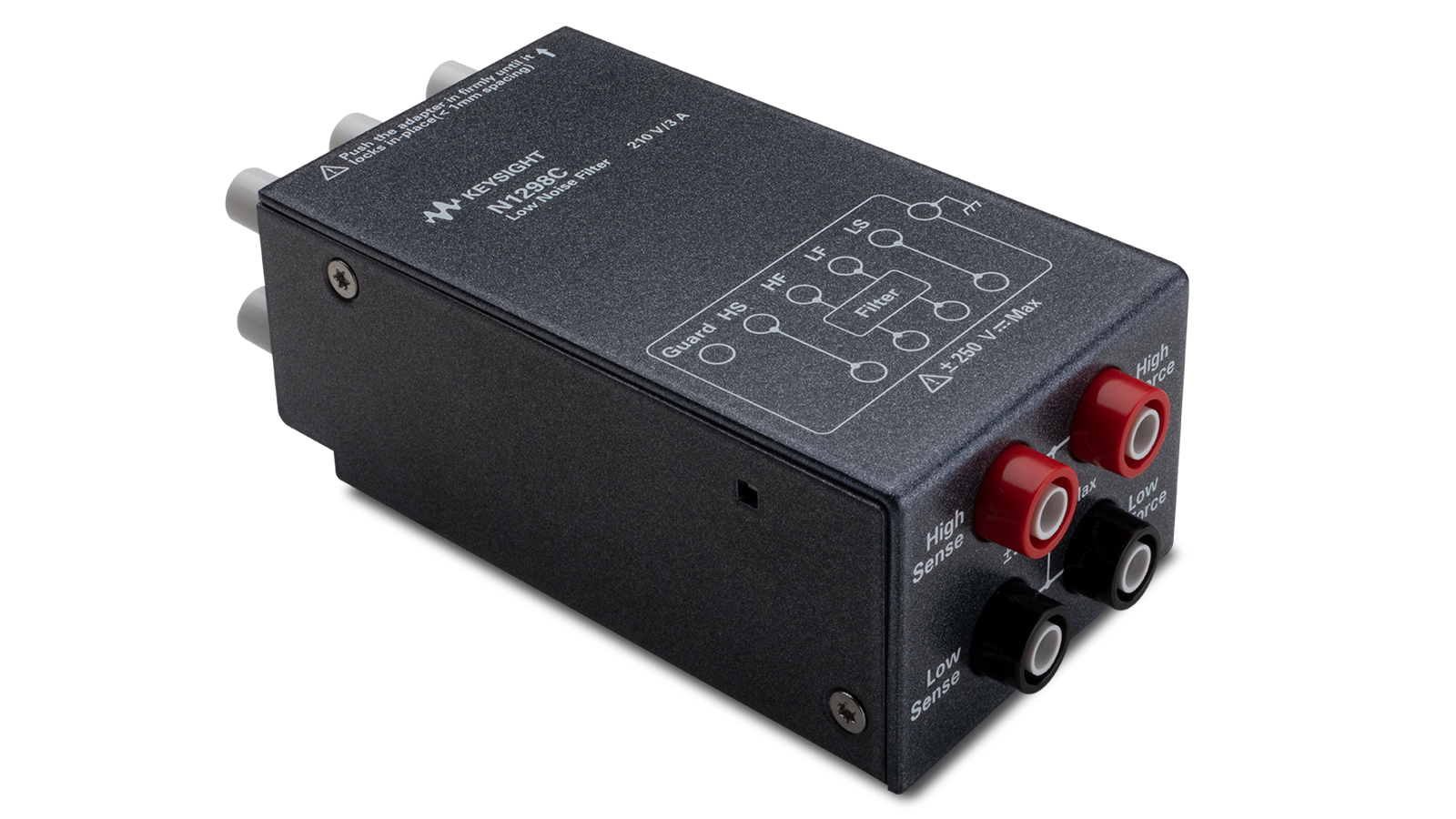
N1298C Low-Noise Filter, 210 V / 3 A


Discover Resources and Insights
Additional resources for power supply noise reduction comparison
Related Use Cases


-
![]()
Learn More
How to Eliminate Thermal EMF Measurement Errors
Learn how to eliminate thermal EMF errors in low-resistance measurements using current reversal, applying forward and reverse current and averaging the voltages to cancel offset errors.
Learn More

-
![]()
Learn More
How to Improve Micro Ohm Measurement Stability
Improve measurement stability for low resistance testing applications.
Learn More
-
![]()
Learn More
How to Measure Pulsed LED Characteristics
Measure pulsed LED current using 20 µs voltage pulses and fast voltage and current sampling with the M9601A PXIe precision SMU.
Learn More

Get in Touch with One of Our Experts
Need help finding the right solution for you?