Learn More
segmentation:campaign/IC_Semi_Mfg,segmentation:product-category/AC_DC_Power_Sources_Loads,segmentation:product-category/AC_DC_Power_Sources_Loads/DC_Power_Supplies,segmentation:business-unit/EISG,segmentation:funnel/bofu,keysight:product-lines/sp,keysight:models/b2/b2961c,keysight:dtx/solutions/facets/industry/semiconductor,keysight:dtx/solutions/facets/development-area/power,keysight:dtx/solutions/facets/workflow-stage/functional-test,keysight:dtx/solutions/facets/design-and-test-product/power-supplysegmentation:campaign/IC_Semi_Mfg,segmentation:product-category/AC_DC_Power_Sources_Loads,segmentation:product-category/AC_DC_Power_Sources_Loads/DC_Power_Supplies,segmentation:business-unit/EISG,segmentation:funnel/bofu,keysight:product-lines/sp,keysight:models/b2/b2961c,keysight:dtx/solutions/facets/industry/semiconductor,keysight:dtx/solutions/facets/development-area/power,keysight:dtx/solutions/facets/workflow-stage/functional-test,keysight:dtx/solutions/facets/design-and-test-product/power-supplysegmentation:campaign/IC_Semi_Mfg,segmentation:product-category/AC_DC_Power_Sources_Loads,segmentation:product-category/AC_DC_Power_Sources_Loads/DC_Power_Supplies,segmentation:business-unit/EISG,segmentation:funnel/bofu,keysight:product-lines/sp,keysight:models/b2/b2961c,keysight:dtx/solutions/facets/industry/semiconductor,keysight:dtx/solutions/facets/development-area/power,keysight:dtx/solutions/facets/workflow-stage/functional-test,keysight:dtx/solutions/facets/design-and-test-product/power-supplysegmentation:campaign/IC_Semi_Mfg,segmentation:product-category/AC_DC_Power_Sources_Loads,segmentation:product-category/AC_DC_Power_Sources_Loads/DC_Power_Supplies,segmentation:business-unit/EISG,segmentation:funnel/bofu,keysight:product-lines/sp,keysight:models/b2/b2961c,keysight:dtx/solutions/facets/industry/semiconductor,keysight:dtx/solutions/facets/development-area/power,keysight:dtx/solutions/facets/workflow-stage/functional-test,keysight:dtx/solutions/facets/design-and-test-product/power-supplysegmentation:campaign/IC_Semi_Mfg,segmentation:product-category/AC_DC_Power_Sources_Loads,segmentation:product-category/AC_DC_Power_Sources_Loads/DC_Power_Supplies,segmentation:business-unit/EISG,segmentation:funnel/bofu,keysight:product-lines/sp,keysight:models/b2/b2961c,keysight:dtx/solutions/facets/industry/semiconductor,keysight:dtx/solutions/facets/development-area/power,keysight:dtx/solutions/facets/workflow-stage/functional-test,keysight:dtx/solutions/facets/design-and-test-product/power-supplysegmentation:campaign/IC_Semi_Mfg,segmentation:product-category/AC_DC_Power_Sources_Loads,segmentation:product-category/AC_DC_Power_Sources_Loads/DC_Power_Supplies,segmentation:business-unit/EISG,segmentation:funnel/bofu,keysight:product-lines/sp,keysight:models/b2/b2961c,keysight:dtx/solutions/facets/industry/semiconductor,keysight:dtx/solutions/facets/development-area/power,keysight:dtx/solutions/facets/workflow-stage/functional-test,keysight:dtx/solutions/facets/design-and-test-product/power-supplysegmentation:campaign/IC_Semi_Mfg,segmentation:product-category/AC_DC_Power_Sources_Loads,segmentation:product-category/AC_DC_Power_Sources_Loads/DC_Power_Supplies,segmentation:business-unit/EISG,segmentation:funnel/bofu,keysight:product-lines/sp,keysight:models/b2/b2961c,keysight:dtx/solutions/facets/industry/semiconductor,keysight:dtx/solutions/facets/development-area/power,keysight:dtx/solutions/facets/workflow-stage/functional-test,keysight:dtx/solutions/facets/design-and-test-product/power-supplysegmentation:campaign/IC_Semi_Mfg,segmentation:product-category/AC_DC_Power_Sources_Loads,segmentation:product-category/AC_DC_Power_Sources_Loads/DC_Power_Supplies,segmentation:business-unit/EISG,segmentation:funnel/bofu,keysight:product-lines/sp,keysight:models/b2/b2961c,keysight:dtx/solutions/facets/industry/semiconductor,keysight:dtx/solutions/facets/development-area/power,keysight:dtx/solutions/facets/workflow-stage/functional-test,keysight:dtx/solutions/facets/design-and-test-product/power-supplysegmentation:campaign/IC_Semi_Mfg,segmentation:product-category/AC_DC_Power_Sources_Loads,segmentation:product-category/AC_DC_Power_Sources_Loads/DC_Power_Supplies,segmentation:business-unit/EISG,segmentation:funnel/bofu,keysight:product-lines/sp,keysight:models/b2/b2961c,keysight:dtx/solutions/facets/industry/semiconductor,keysight:dtx/solutions/facets/development-area/power,keysight:dtx/solutions/facets/workflow-stage/functional-test,keysight:dtx/solutions/facets/design-and-test-product/power-supplysegmentation:campaign/IC_Semi_Mfg,segmentation:product-category/AC_DC_Power_Sources_Loads,segmentation:product-category/AC_DC_Power_Sources_Loads/DC_Power_Supplies,segmentation:business-unit/EISG,segmentation:funnel/bofu,keysight:product-lines/sp,keysight:models/b2/b2961c,keysight:dtx/solutions/facets/industry/semiconductor,keysight:dtx/solutions/facets/development-area/power,keysight:dtx/solutions/facets/workflow-stage/functional-test,keysight:dtx/solutions/facets/design-and-test-product/power-supplysegmentation:campaign/IC_Semi_Mfg,segmentation:product-category/AC_DC_Power_Sources_Loads,segmentation:product-category/AC_DC_Power_Sources_Loads/DC_Power_Supplies,segmentation:business-unit/EISG,segmentation:funnel/bofu,keysight:product-lines/sp,keysight:models/b2/b2961c,keysight:dtx/solutions/facets/industry/semiconductor,keysight:dtx/solutions/facets/development-area/power,keysight:dtx/solutions/facets/workflow-stage/functional-test,keysight:dtx/solutions/facets/design-and-test-product/power-supply
How to Eliminate Thermal EMF Measurement Errors
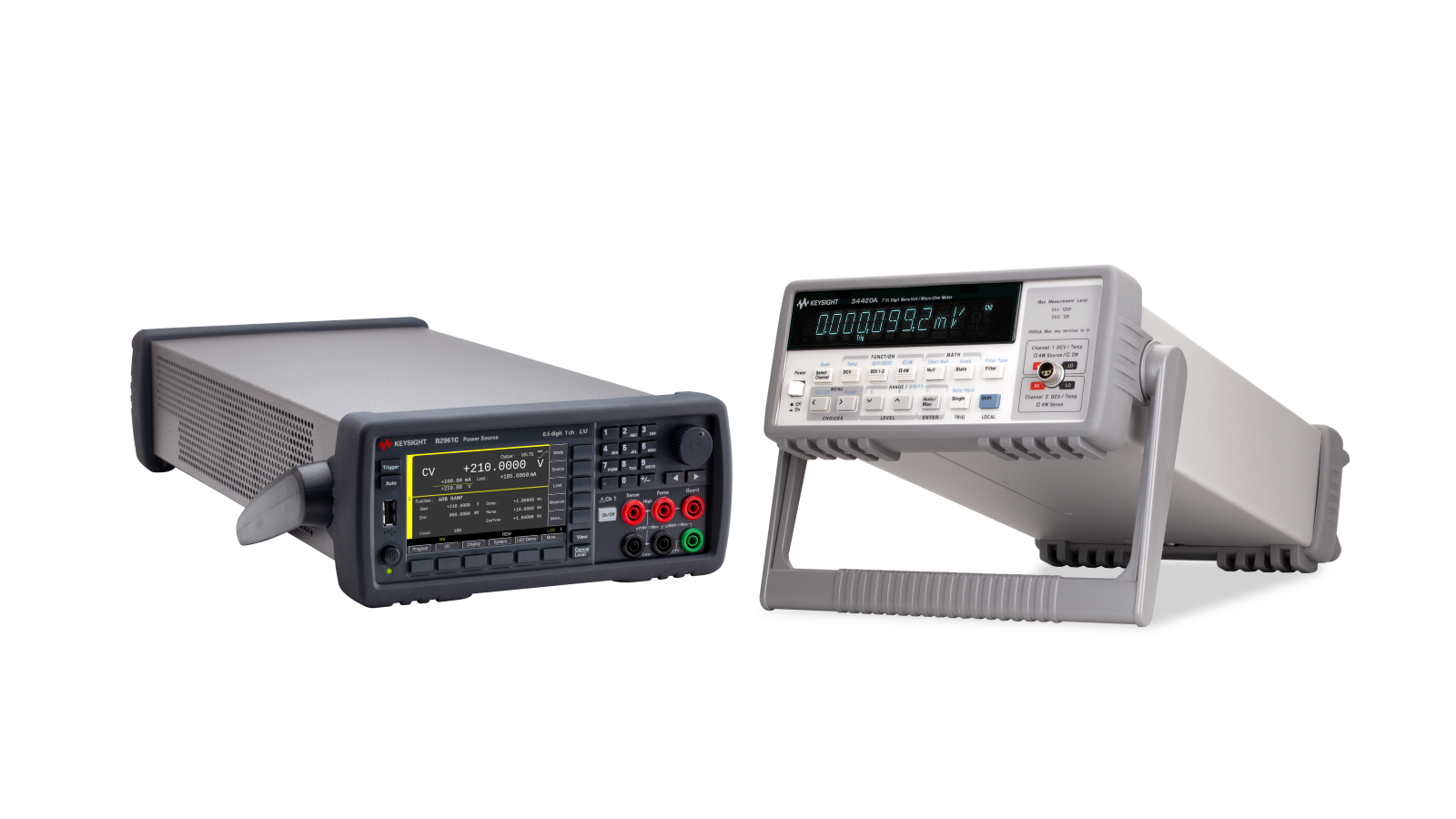
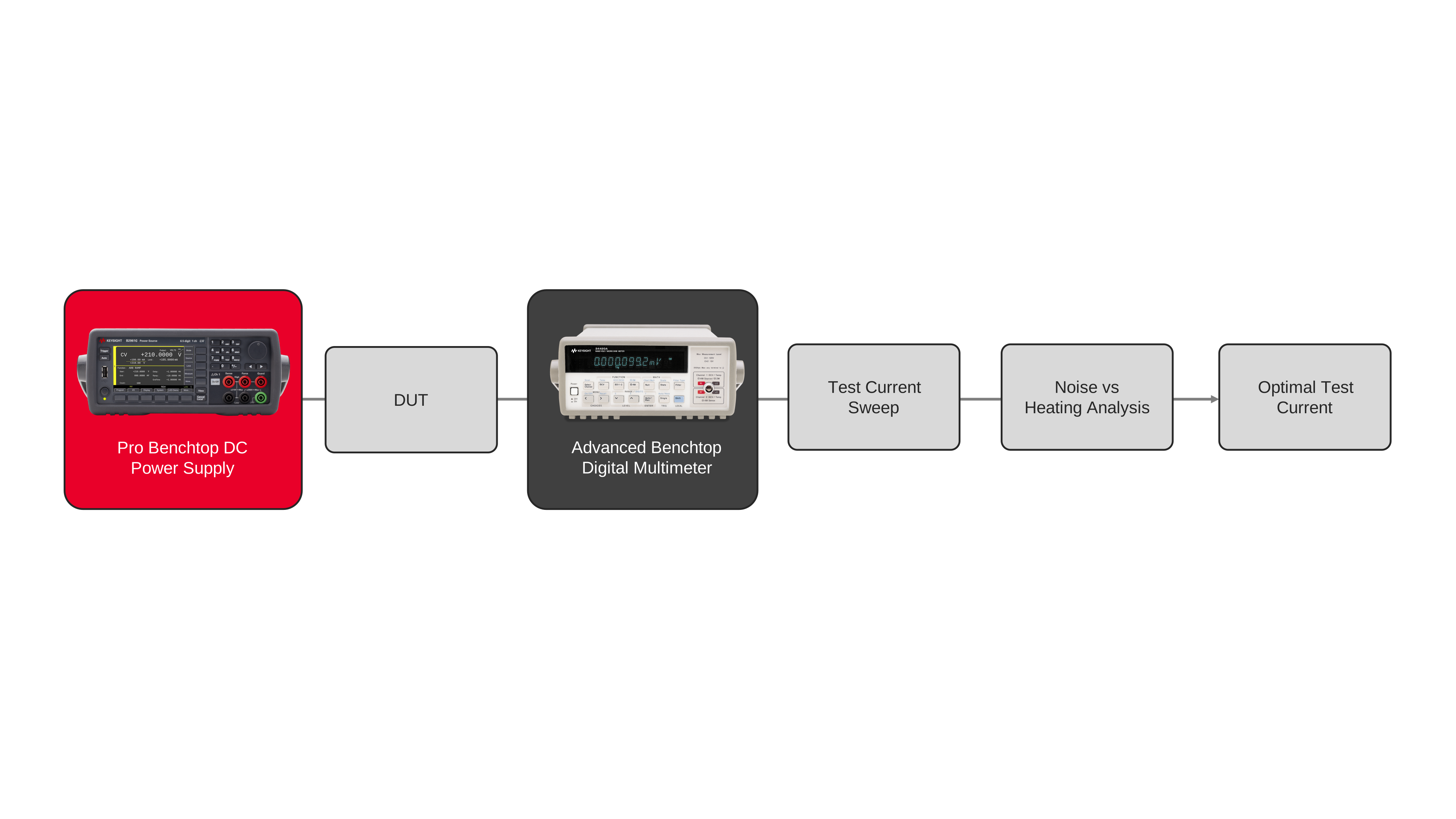
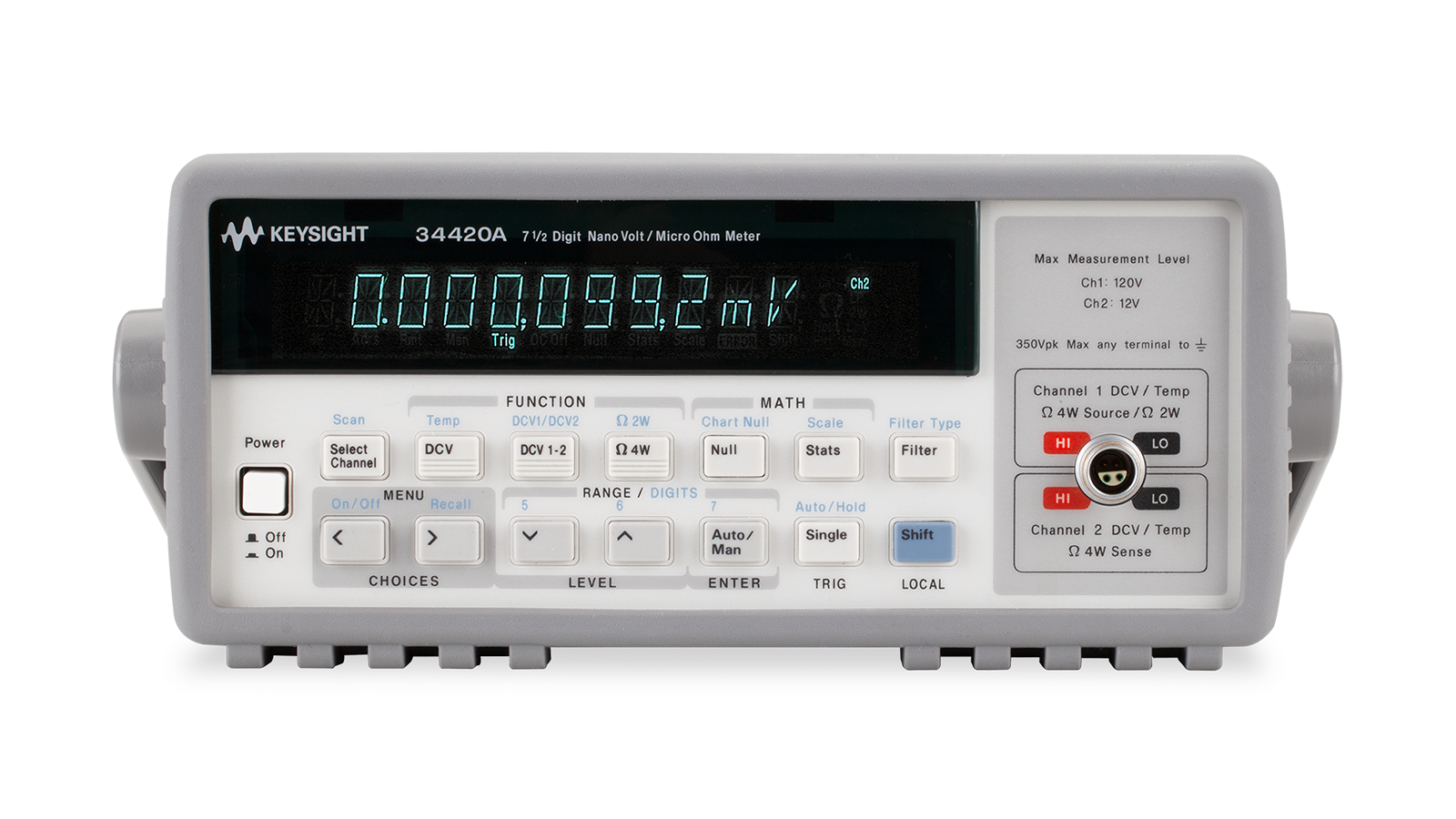
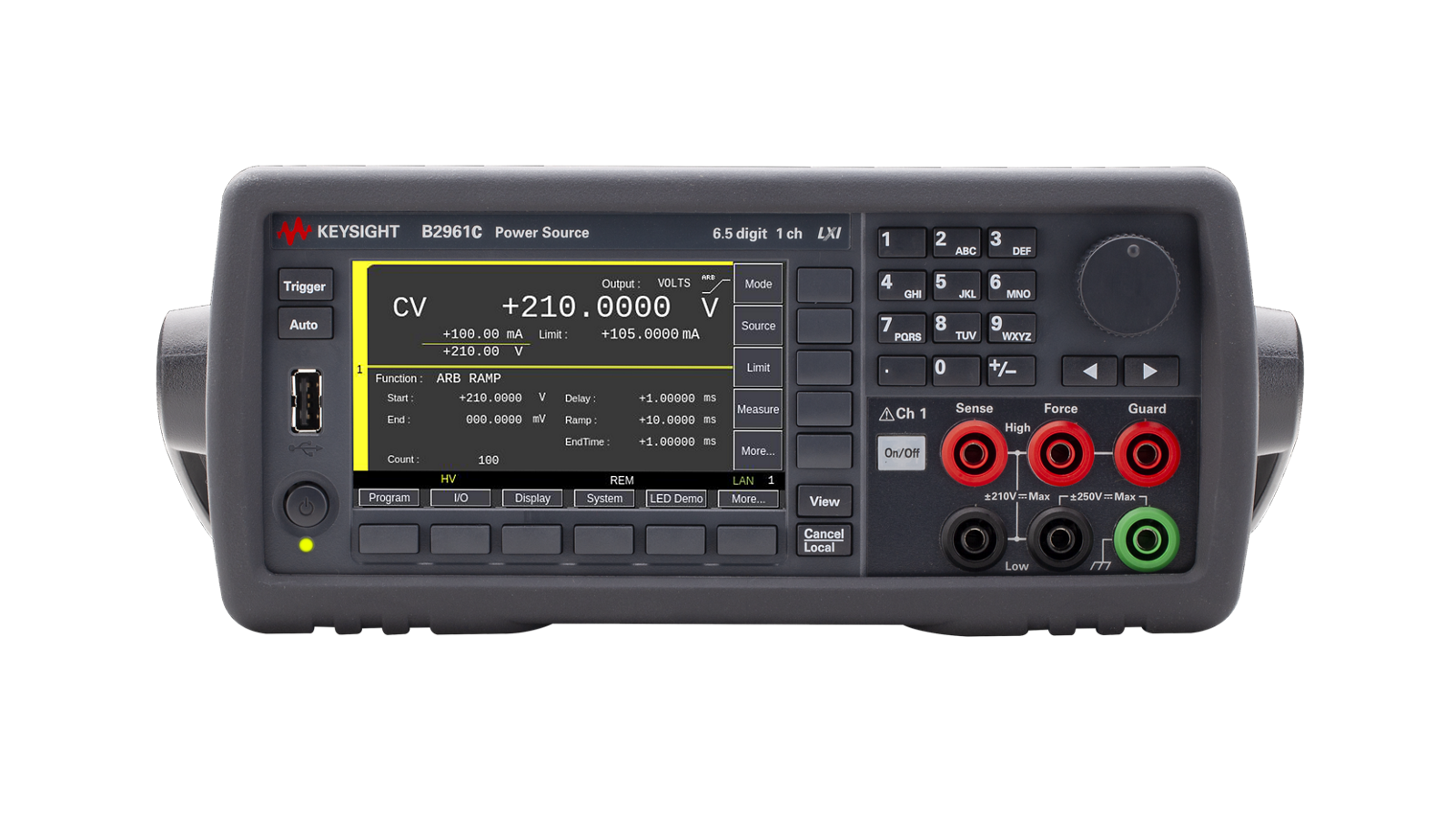
Learn how to eliminate thermal EMF errors in low-resistance measurements using current reversal, applying forward and reverse current and averaging the voltages to cancel offset errors.
Learn More