How to Perform PV Inverter Testing

Simulating PV arrays to test MPPT algorithms and circuits
Testing PV inverters requires engineers to verify the performance of the inverter’s maximum power point tracking (MPPT) algorithms and circuits. MPPT algorithms are complex, and under-the-sun testing at different temperatures and irradiance conditions is difficult, expensive, and time-consuming. The engineers also need to load and measure the output power of the PV inverter.
Escape the unpredictability of local weather conditions by using a PV / solar array simulator. Use a programmable DC power source to help simulate real-world PV / solar arrays, and test them against various environmental factors such as temperature, irradiance, age, and cell technology. Make sure to test the inverters according to the industry standards, such as EN50530, which provides a procedure for measuring the efficiency of MPPT. Use an AC / grid emulator to load and test the inverter’s output.
PV inverter test solution
See demo of the PV inverter test
Explore products in our PV inverter test solution
-

![]()
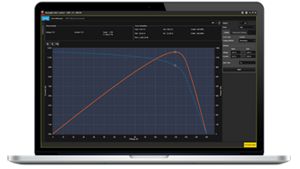
DG8901A License For Automated EN50530 Static and Dynamic MPPT Efficiency Testing
-

![]()
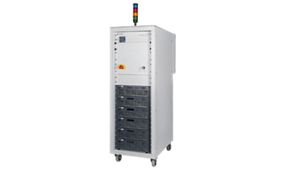
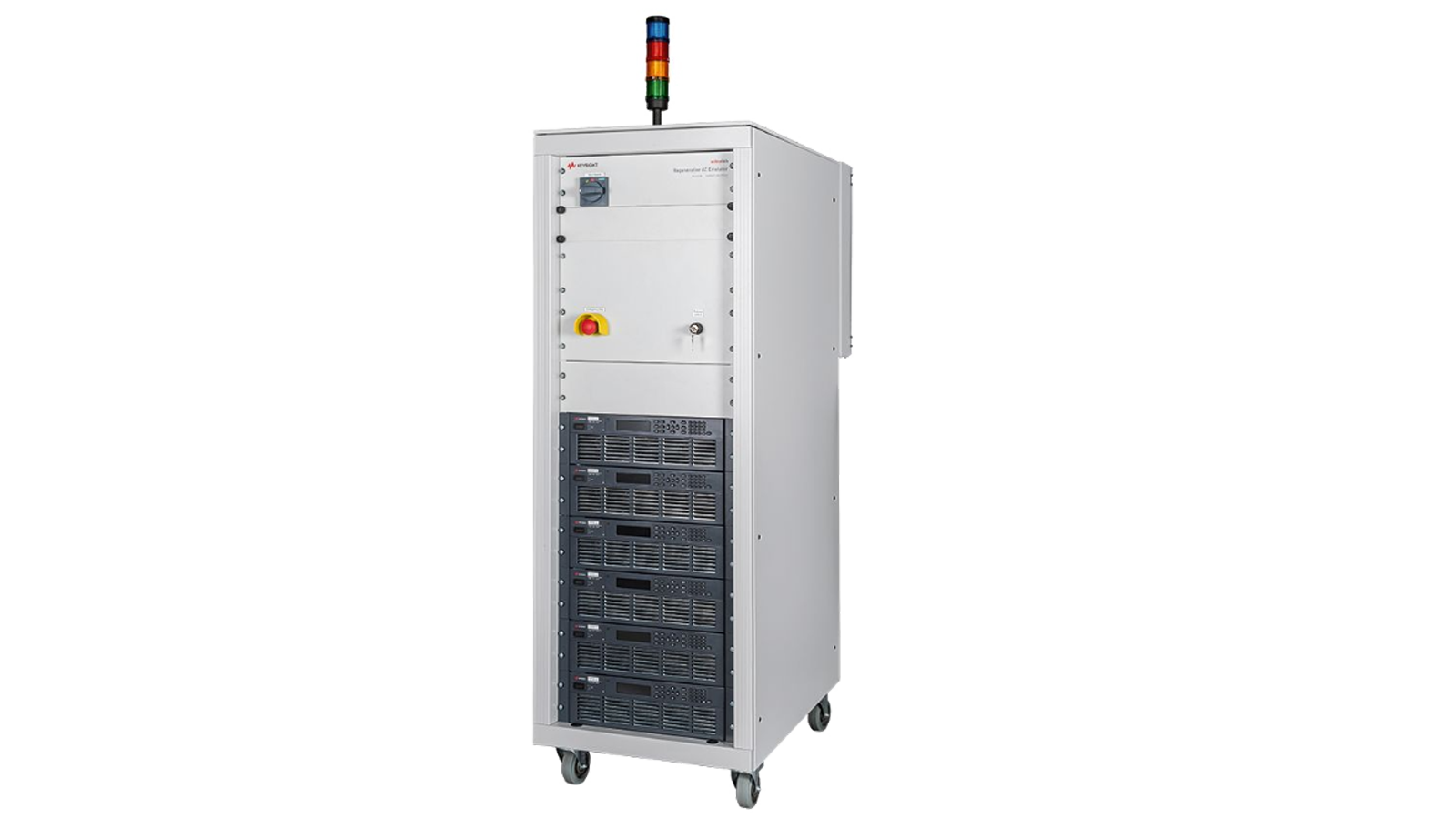
SL1213A Scienlab Regenerative AC Emulator, 1200 VAC, 65 A, 90 kVA, 3‑Phase
-
![]()
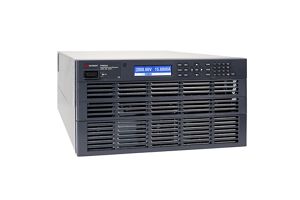
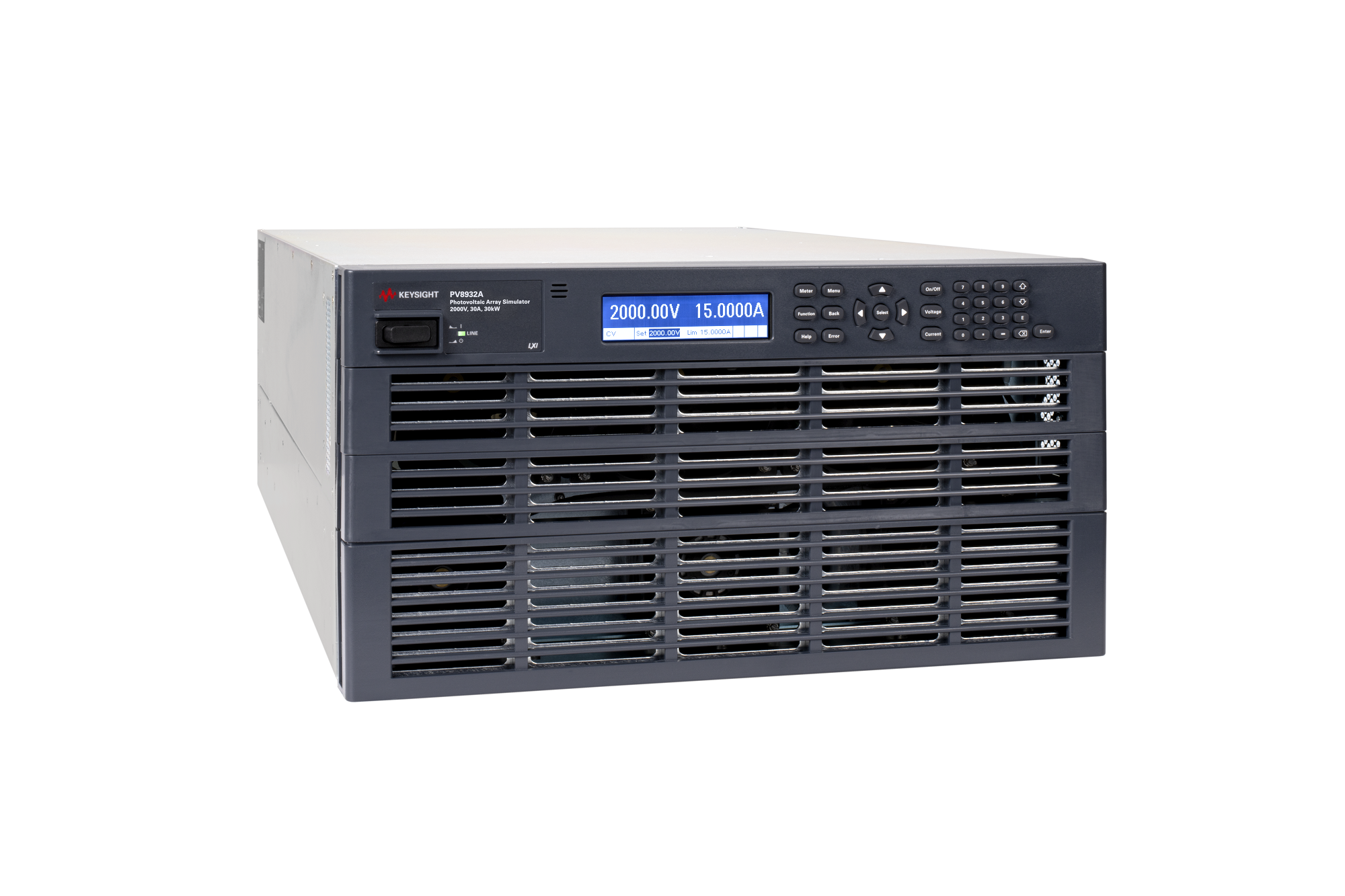
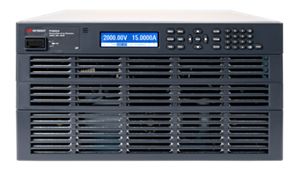
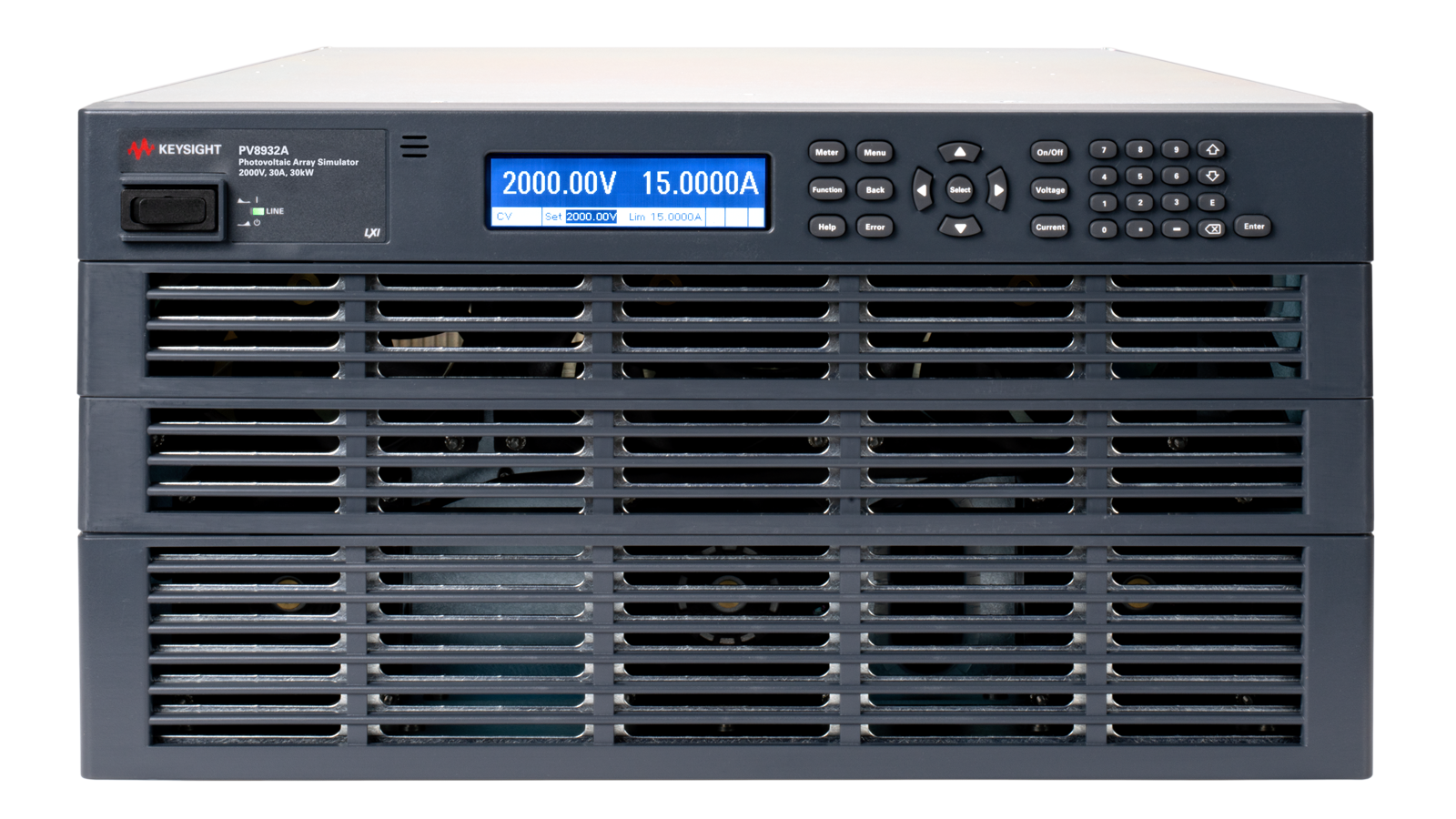
PV8932A Photovoltaic Array Simulator, 2000 V, 30 A, 30kW, 400/480 VAC
-
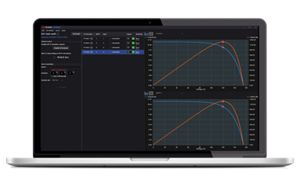
DG9112A Advanced Photovoltaic 12-Input Inverter Test Software



Discover resources and insights
Additional resources for PV inverter testing
Related use cases
-
![]()
Learn More
How to Perform Wi-Fi® Device Manufacturing Tests
Testing Wi-Fi® devices requires test instruments that support the latest Wi-Fi frequency bands, multiple transmit and receive antennas, and up to 800 MHz bandwidth. Learn how you can test key Wi-Fi RF performance parameters, at scale, on the manufacturing line.
Learn more

-
![]()
Learn More
How to Conduct Electromagnetic Interference (EMI) Testing
Testing EMI pre-compliance and compliance standards requires detailed and exacting methodologies to ensure accurate emission measurements. Learn how to conduct fast and insightful EMI testing with time-domain scan (TDS) and real-time scan (RTS) that is compliant with CISPR 16-1-1:2019, MIL-STD-461G, ANSI C63.2, and FCC.
Learn more
-
![]()
Learn More
How to Verify Lidar Sensors
Providing valuable insights into lidar sensors requires target simulation with multiple distance and reflectivity values. Learn how to test lidar sensors for range, accuracy, and field-of-view.
Learn more
-
![]()
Learn More
How to Test EV Onboard Chargers
Testing electric vehicle (EV) onboard chargers (OBCs) requires emulating and sequencing various AC power input conditions and power line disturbances. Learn how to set up a test to emulate AC input voltage and frequency parameters, including power line disturbances, to ensure interoperability between EVs and charging stations.
Learn more
-
![]()
Learn More
How to Measure EV Battery Cell Self-Discharge
Characterizing the self-discharge behavior of an electric vehicle (EV) battery requires the use of a potentiostatic analyzer to hold the cell’s voltage constant and stable. Learn how to use a potentiostatic measurement approach to identify cells with an unacceptably high self-discharge current.
Learn more
-
![]()
Learn More
How to Validate C-V2X Device Performance
Validating C-V2X device performance requires automotive original equipment manufacturers (OEMs) to perform functional, protocol, and RF measurements against evolving standards. Learn how to set up a test to validate C-V2X device performance of both Uu and PC5 interfaces.
Learn more

Get in touch with one of our experts
Need help finding the right solution for you?