Choose a country or area to see content specific to your location
What are you looking for?
-
-
Integrated Physics Suite
Bridging design and physical testing to evaluate drop, impact, shock, and vibration compliance before hardware exists.


-
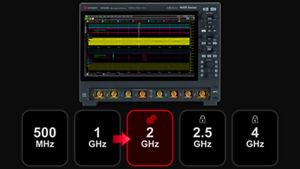
Buy an Expert Oscilloscope, Boost Your Bandwidth
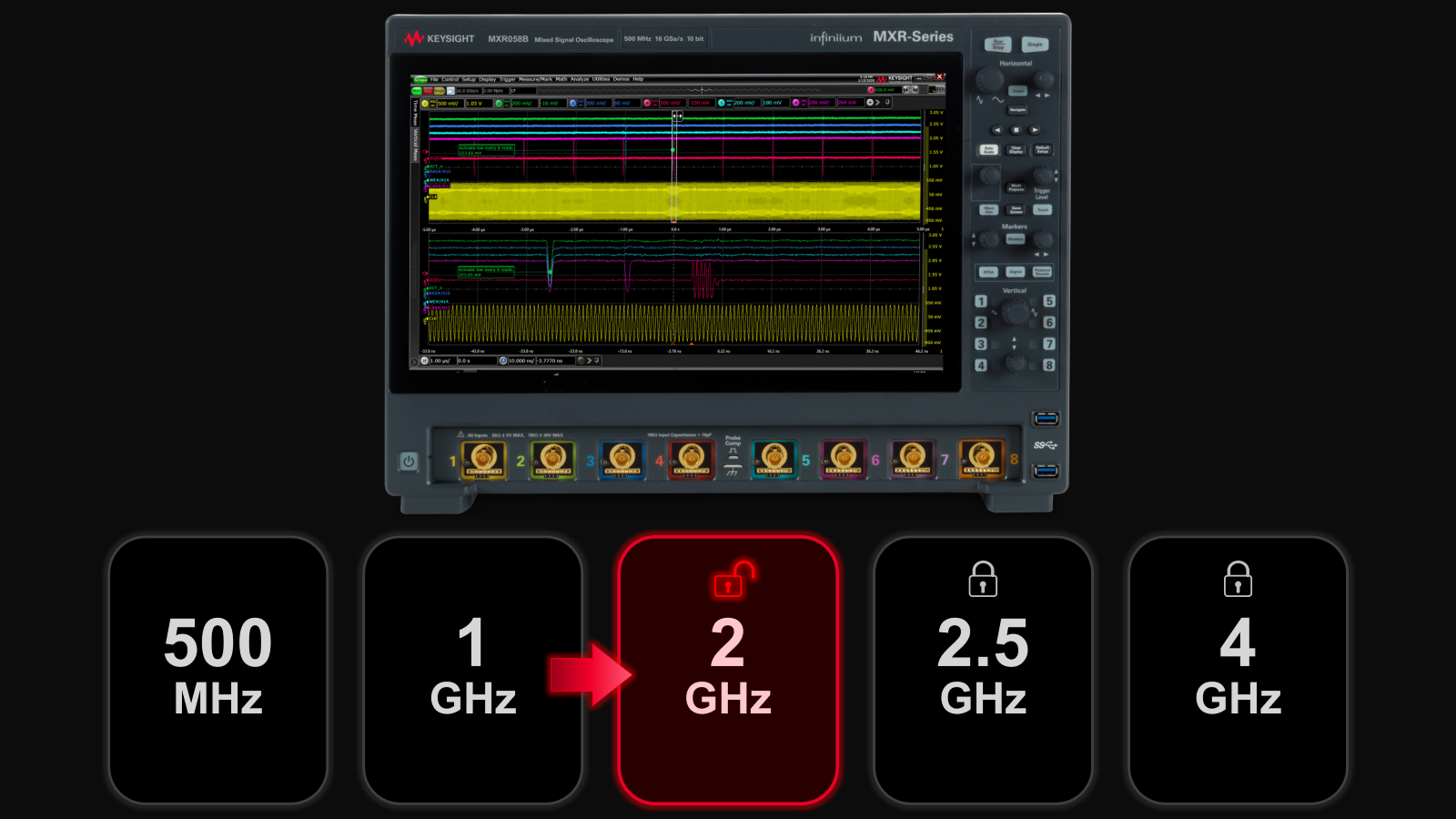
Unlock your free upgrade to the next bandwidth tier.
-
End-to-End Validation for AI Data Center
Strengthen 1.6T network reliability for AI-scale workloads from transceivers to interconnects.

-
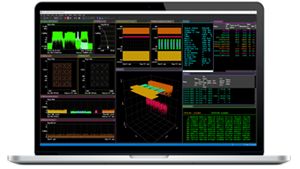
Take On Complex MIMO Signals
Pair Keysight VSA software with the new XA5 signal analyzer for advanced visualization, demodulation, and analysis — start your 30-day trial today.
-
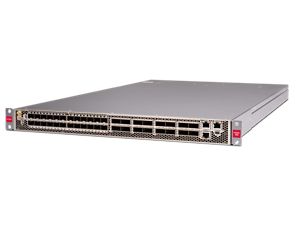
Introducing AI-Enhanced Packet Brokers
With extra memory and storage, these enhanced NPBs run Keysight's AI security and performance monitoring software and AI stack.
-
Accelerate Semiconductor Innovation
Explore end-to-end workflows spanning IC design, validation, wafer test, and photonics.

-
Accelerate Your Innovation Engine
Explore curated support plans, prioritized to keep you innovating at speed.

-
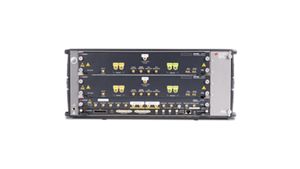
448 Gb/s Waveform Generation
Achieve 200+ Gbaud multi-level modulated signals with high-speed AWGs for digital and optical standards.
-
The Right Connection Makes the Measurement
Maximize accuracy and performance with precision accessories engineered for Keysight instruments.

Analyze Complex RF Signals FasterExplore dual-channel and ultra-wideband signal analysis for demanding RF workflows.
 Digital Validation. Faster.
Get faster, clearer insights with our new multicore, 12-bit oscilloscope up to 33 GHz. Trade in your old oscilloscope and get credit toward a new XR8.
-
-
Purpose-built solutions engineered for the design and test challenges unique to your industry.
Use Cases mapped to every stage of your product lifecycle, from design through operations.
Success Stories
HPE Juniper Networking Builds Next-Gen AI Infrastructure -
Authoritative application notes, data sheets, reference designs, and test procedures to accelerate design and validation decisions.
FeaturedHands‑on bootcamps that teach system design, test methods, and production workflows engineers can apply immediately.
Learning Hub
AI TechnologyExplore methodologies, test strategies, and technical resources for designing, validating, and scaling AI systems and networks.
- Buy
-
Quick access to support related self-help tasks.
Additional content to support your product needs.
Do more with Keysight ServicesExplore services to accelerate every step of your innovation journey.










Performance Test Solutions Validate mobile devices under real-world conditions in the lab

- Overview
- All Models
- Accessories
- Software
- Support
Validate and optimize 5G devices in real-world scenarios
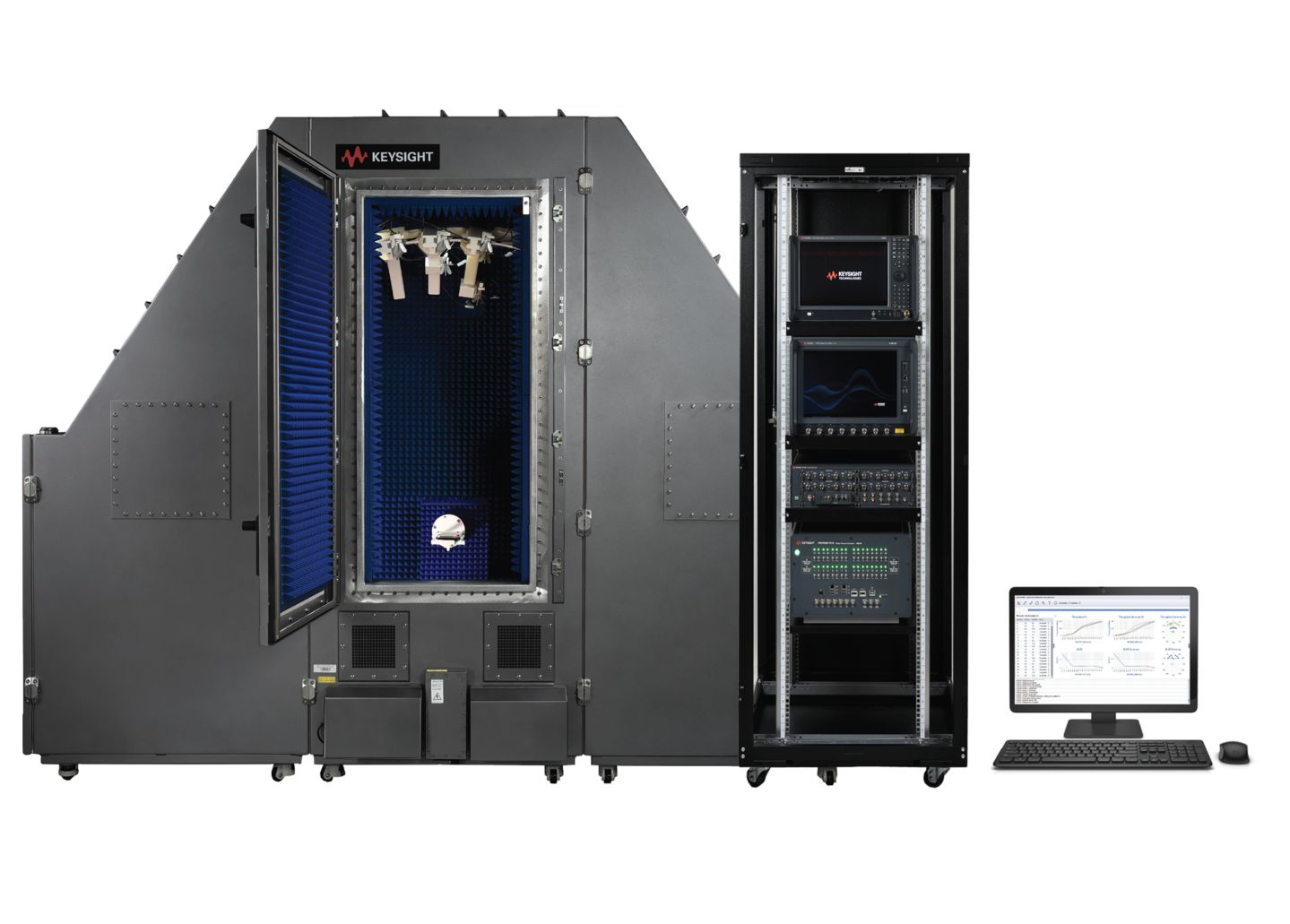
Keysight performance test solutions are ideal for chipset and device makers, mobile operators, and test labs to validate and optimize 5G device performance from early development to acceptance and interoperability testing. Conquer complex challenges in 5G NR, mmWave technologies, mobility scenarios, and real-world conditions with our integrated portfolio of toolsets for cutting-edge performance, virtual drive, and real network testing. Request a quote for one of our popular configurations today. Need help selecting? Check out the resources below.
Cutting-edge performance validation
Validate and optimize 5G devices in real-world conditions with beam management, 3D spatial fading, and MIMO OTA testing for FR1 and FR2 frequencies.
Virtual drive testing
Replicate mobility scenarios like high-speed trains and tunnels in a lab using field data for repeatable validation of device interoperability and performance.
Realistic channel conditions
Combines channel emulation and anechoic chamber accessories to create the most accurate RF environment in your lab.
Comprehensive toolsets
Use state-of-the-art geometric channel modeling, logging, visualization, and automation tools for accelerated development and issue resolution.
Most popular configurations
Services and support
Innovate at speed with curated support plans and prioritized response and turn-around times.
Get predictable, lease-based subscriptions and full lifecycle management solutions—so you reach your business goals faster.
Experience elevated service as a KeysightCare subscriber to get committed technical response and more.
Ensure your test system performs to specification and meets local and global standards.
Make measurements quickly with in-house, instructor-led training, and eLearning.
Download Keysight software or update your software to the newest version.
Frequently asked questions
Solutions such as network emulation and testing toolsets for mmWave and 5G enable comprehensive validation of mobile device performance by connecting devices to emulated or lab-deployed base stations, while simulating realistic radio propagation conditions in a controlled laboratory environment. This approach allows for accurate assessment of how devices such as smartphones, modems, or tablets perform under real-world operational scenarios, particularly in high-frequency bands.
Key ways these solutions are used include:
- Channel Emulation and Over-the-Air (OTA) Testing: By integrating channel emulators (e.g., based on 5G propagation models) and OTA chambers with multi-probe antenna arrays, the toolsets reproduce real-world conditions such as signal fading, multipath propagation, interference, and beamforming dynamics at mmWave frequencies. Devices are tested in anechoic chambers to eliminate external influences, enabling precise measurement of signal strength, latency, throughput, and error rates without the need for field testing.
- End-to-End Performance Evaluation: Devices connect to emulated or lab-deployed gNodeB (gNB) base stations to exercise the full protocol stack, including data throughput, handover behavior, and interaction with end-user applications such as voice calls, video streaming, and file transfers. Predefined test scenarios automate the evaluation of uplink/downlink speeds, power consumption, and thermal behavior under varying traffic and network conditions.
- Custom Scenario Modeling and Automation: Geometric channel modeling tools enable the creation of realistic test environments that simulate urban, suburban, rural, or indoor settings across both mmWave (e.g., 28 GHz, 39 GHz) and sub-7 GHz frequency bands. Automation frameworks support continuous execution of test campaigns (e.g., 24/7 operation). At the same time, logging capabilities enable regression tracking and integration with analytics tools to diagnose issues such as beam management failures or intermittent connection drops.
- Benchmarking and Troubleshooting: These solutions capture detailed logs and KPIs that support performance benchmarking against standards such as 3GPP specifications. Integrated diagnostic tools help uncover root causes of performance limitations, including antenna design inefficiencies, chipset-level issues, and protocol stack misbehaviors.
Overall, these solutions bridge the gap between simulated lab conditions and real-world deployments, delivering technically robust validation that ensures device reliability, standards compliance, and optimal performance in next-generation wireless networks.
MIMO (Multiple-Input Multiple-Output) and Massive MIMO are both wireless technologies that utilize multiple antennas to enhance wireless communication performance; however, they differ substantially in scale, capabilities, and their impact on network design.
Conventional MIMO, commonly used in 4G LTE networks, typically involves 2x2, 4x4, or sometimes 8x8 antenna configurations at both the transmitter and receiver. It improves throughput and signal quality by enabling spatial multiplexing (transmitting multiple data streams simultaneously) and basic beamforming, which focuses the signal toward a general direction. This boosts spectral efficiency for individual users but is limited in its ability to support a large number of simultaneous users due to the relatively small number of antenna elements.
Massive MIMO, a foundational feature of 5G, significantly scales up the number of antenna elements, often 64 or more at the base station (e.g., 64T64R or higher). This enables sophisticated spatial multiplexing, allowing the base station to serve many users simultaneously on the same time-frequency resources while managing interference more effectively. It also enables highly dynamic, user-specific beamforming, creating narrow, directional beams that follow each user in real time. This results in substantial improvements in spectral efficiency, signal strength, latency, and network capacity, particularly in densely populated urban environments.
Massive MIMO systems do require greater computational resources due to the complexity of channel estimation and real-time beamforming algorithms. However, by focusing energy where it's needed, they can achieve higher energy efficiency per user, even if total system power consumption may be higher.
In the context of 5G device testing, network simulation and emulation are distinct approaches used to evaluate performance under controlled conditions, differing in methodology, realism, and application.
Network simulation involves creating a purely software-based model of the network environment, where all components—such as base stations, devices, and propagation channels—are represented mathematically or algorithmically without any physical hardware. This method is ideal for early-stage design, theoretical analysis, and scenario exploration, as it enables rapid iteration and testing of hypothetical situations, such as varying traffic loads or interference patterns. However, simulations may lack the fidelity of real-world interactions, as they rely on abstractions and assumptions that can overlook hardware-specific behaviors or unpredictable elements.
Network emulation, on the other hand, combines real hardware elements with software or hardware tools that mimic specific network aspects in real-time, such as introducing impairments like latency, packet loss, fading, or multipath effects into live connections. This enables testing with actual devices and infrastructure (e.g., connecting to physical base stations) while replicating realistic conditions in a lab setting. Emulation offers higher accuracy for validating end-to-end performance, interoperability, and user experience, as it bridges the gap between controlled environments and field deployments.
Overall, simulation is more abstract but can be useful for broad modeling, while emulation offers practical, hardware-integrated insights, making it suitable for validation in 5G scenarios where precise replication of radio conditions is critical.