How to Monitor RF Power Across Distributed Test Locations

Distributed RF Power Monitoring
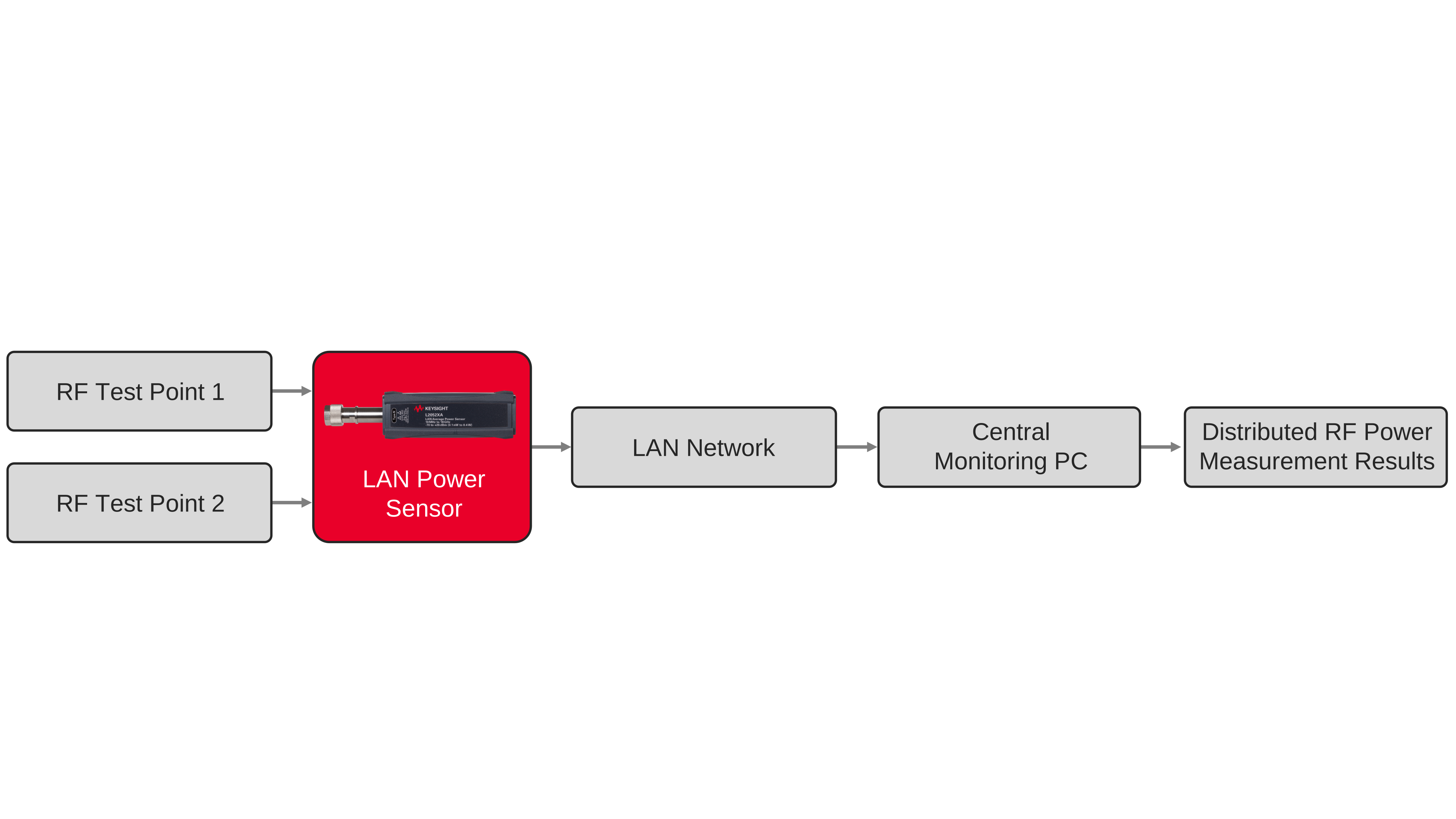
Monitoring radio frequency (RF) power across distributed test locations requires measurements to be acquired close to each signal source while allowing engineers to access results from a centralized control location. Routing radio frequency signals over long coaxial cable runs to a central measurement rack can introduce attenuation, mismatch, and additional uncertainty, particularly when test points are separated across laboratories, equipment racks, or installed systems. A LAN-connected power sensor can be positioned near the radio frequency measurement point so that only measurement data and instrument-control traffic must travel over the network. This architecture reduces dependence on long radio frequency cable paths while allowing the measurement hardware to remain close to the device or subsystem under test.
A distributed configuration can place network-connected power sensors at selected radio frequency test points and connect them to the test network for remote access. Engineers configure measurement conditions for each location, acquire average power readings, and collect results from the connected sensors without moving a common measurement instrument between test points. Measurements from different locations can then be compared or recorded as part of a coordinated validation workflow. This approach supports distributed laboratories, equipment installations, system integration environments, and test facilities where radio frequency power must be monitored at physically separated measurement points.


Distributed RF Power Monitoring Solution
See Block Diagram of Distributed RF Power Monitoring Solution

Explore Products in Our Distributed RF Power Monitoring Solution
-

![]()
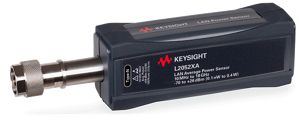
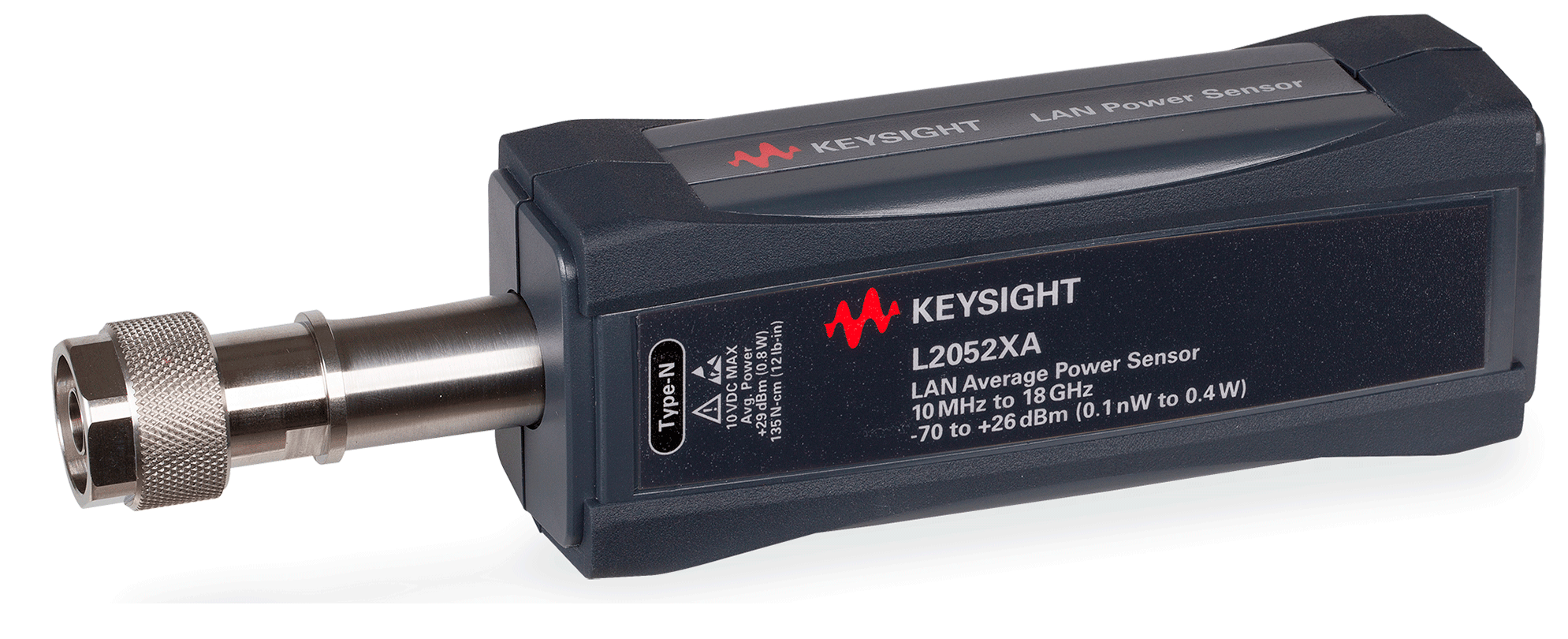
L2052XA 10 MHz to 18 GHz LAN Wide Dynamic Range Average Power Sensor

Discover Resources and Insights
Additional Resources for Distributed RF Power Monitoring
Related Use Cases

-
![]()
Learn More
How to Automate RF Power Logging for Environmental Testing
Automate RF power logging during environmental testing using a power meter, continuous measurement, data acquisition, and software-controlled workflows.
Learn More

-
![]()
Learn More
How to Characterize RF Power Sensor Drift Behavior
Characterize RF power sensor zeroing and drift behavior using a power meter, controlled measurements, data logging, and long-duration analysis techniques.
Learn More
-
![]()
Learn More
How to Verify RF Power Measurement Repeatability
Verify RF power measurement repeatability using a power meter, controlled test conditions, repeated acquisition, and statistical analysis techniques.
Learn More

Get in Touch with One of Our Experts
Need help finding the right solution for you?