Learn More
keysight:product-lines/gm,segmentation:product-category/DMMs_DAQs_Function_Generators/Data_Acquisition_Systems,segmentation:funnel/tofu,segmentation:business-unit/EISG,keysight:dtx/solutions/facets/workflow-stage/functional-test,keysight:dtx/solutions/facets/industry/wireless-communications,segmentation:campaign/Automotive_Energy,keysight:dtx/solutions/facets/industry/automotive,keysight:models/bv/bv0006b,segmentation:product-category/DMMs_DAQs_Function_Generators,keysight:dtx/solutions/facets/development-area/high-speed-digital,keysight:models/da/daqm901a,keysight:dtx/solutions/facets/design-and-test-product/data-acquisition,keysight:models/da/daq970akeysight:product-lines/gm,segmentation:product-category/DMMs_DAQs_Function_Generators/Data_Acquisition_Systems,segmentation:funnel/tofu,segmentation:business-unit/EISG,keysight:dtx/solutions/facets/workflow-stage/functional-test,keysight:dtx/solutions/facets/industry/wireless-communications,segmentation:campaign/Automotive_Energy,keysight:dtx/solutions/facets/industry/automotive,keysight:models/bv/bv0006b,segmentation:product-category/DMMs_DAQs_Function_Generators,keysight:dtx/solutions/facets/development-area/high-speed-digital,keysight:models/da/daqm901a,keysight:dtx/solutions/facets/design-and-test-product/data-acquisition,keysight:models/da/daq970akeysight:product-lines/gm,segmentation:product-category/DMMs_DAQs_Function_Generators/Data_Acquisition_Systems,segmentation:funnel/tofu,segmentation:business-unit/EISG,keysight:dtx/solutions/facets/workflow-stage/functional-test,keysight:dtx/solutions/facets/industry/wireless-communications,segmentation:campaign/Automotive_Energy,keysight:dtx/solutions/facets/industry/automotive,keysight:models/bv/bv0006b,segmentation:product-category/DMMs_DAQs_Function_Generators,keysight:dtx/solutions/facets/development-area/high-speed-digital,keysight:models/da/daqm901a,keysight:dtx/solutions/facets/design-and-test-product/data-acquisition,keysight:models/da/daq970akeysight:product-lines/gm,segmentation:product-category/DMMs_DAQs_Function_Generators/Data_Acquisition_Systems,segmentation:funnel/tofu,segmentation:business-unit/EISG,keysight:dtx/solutions/facets/workflow-stage/functional-test,keysight:dtx/solutions/facets/industry/wireless-communications,segmentation:campaign/Automotive_Energy,keysight:dtx/solutions/facets/industry/automotive,keysight:models/bv/bv0006b,segmentation:product-category/DMMs_DAQs_Function_Generators,keysight:dtx/solutions/facets/development-area/high-speed-digital,keysight:models/da/daqm901a,keysight:dtx/solutions/facets/design-and-test-product/data-acquisition,keysight:models/da/daq970akeysight:product-lines/gm,segmentation:product-category/DMMs_DAQs_Function_Generators/Data_Acquisition_Systems,segmentation:funnel/tofu,segmentation:business-unit/EISG,keysight:dtx/solutions/facets/workflow-stage/functional-test,keysight:dtx/solutions/facets/industry/wireless-communications,segmentation:campaign/Automotive_Energy,keysight:dtx/solutions/facets/industry/automotive,keysight:models/bv/bv0006b,segmentation:product-category/DMMs_DAQs_Function_Generators,keysight:dtx/solutions/facets/development-area/high-speed-digital,keysight:models/da/daqm901a,keysight:dtx/solutions/facets/design-and-test-product/data-acquisition,keysight:models/da/daq970akeysight:product-lines/gm,segmentation:product-category/DMMs_DAQs_Function_Generators/Data_Acquisition_Systems,segmentation:funnel/tofu,segmentation:business-unit/EISG,keysight:dtx/solutions/facets/workflow-stage/functional-test,keysight:dtx/solutions/facets/industry/wireless-communications,segmentation:campaign/Automotive_Energy,keysight:dtx/solutions/facets/industry/automotive,keysight:models/bv/bv0006b,segmentation:product-category/DMMs_DAQs_Function_Generators,keysight:dtx/solutions/facets/development-area/high-speed-digital,keysight:models/da/daqm901a,keysight:dtx/solutions/facets/design-and-test-product/data-acquisition,keysight:models/da/daq970akeysight:product-lines/gm,segmentation:product-category/DMMs_DAQs_Function_Generators/Data_Acquisition_Systems,segmentation:funnel/tofu,segmentation:business-unit/EISG,keysight:dtx/solutions/facets/workflow-stage/functional-test,keysight:dtx/solutions/facets/industry/wireless-communications,segmentation:campaign/Automotive_Energy,keysight:dtx/solutions/facets/industry/automotive,keysight:models/bv/bv0006b,segmentation:product-category/DMMs_DAQs_Function_Generators,keysight:dtx/solutions/facets/development-area/high-speed-digital,keysight:models/da/daqm901a,keysight:dtx/solutions/facets/design-and-test-product/data-acquisition,keysight:models/da/daq970akeysight:product-lines/gm,segmentation:product-category/DMMs_DAQs_Function_Generators/Data_Acquisition_Systems,segmentation:funnel/tofu,segmentation:business-unit/EISG,keysight:dtx/solutions/facets/workflow-stage/functional-test,keysight:dtx/solutions/facets/industry/wireless-communications,segmentation:campaign/Automotive_Energy,keysight:dtx/solutions/facets/industry/automotive,keysight:models/bv/bv0006b,segmentation:product-category/DMMs_DAQs_Function_Generators,keysight:dtx/solutions/facets/development-area/high-speed-digital,keysight:models/da/daqm901a,keysight:dtx/solutions/facets/design-and-test-product/data-acquisition,keysight:models/da/daq970akeysight:product-lines/gm,segmentation:product-category/DMMs_DAQs_Function_Generators/Data_Acquisition_Systems,segmentation:funnel/tofu,segmentation:business-unit/EISG,keysight:dtx/solutions/facets/workflow-stage/functional-test,keysight:dtx/solutions/facets/industry/wireless-communications,segmentation:campaign/Automotive_Energy,keysight:dtx/solutions/facets/industry/automotive,keysight:models/bv/bv0006b,segmentation:product-category/DMMs_DAQs_Function_Generators,keysight:dtx/solutions/facets/development-area/high-speed-digital,keysight:models/da/daqm901a,keysight:dtx/solutions/facets/design-and-test-product/data-acquisition,keysight:models/da/daq970akeysight:product-lines/gm,segmentation:product-category/DMMs_DAQs_Function_Generators/Data_Acquisition_Systems,segmentation:funnel/tofu,segmentation:business-unit/EISG,keysight:dtx/solutions/facets/workflow-stage/functional-test,keysight:dtx/solutions/facets/industry/wireless-communications,segmentation:campaign/Automotive_Energy,keysight:dtx/solutions/facets/industry/automotive,keysight:models/bv/bv0006b,segmentation:product-category/DMMs_DAQs_Function_Generators,keysight:dtx/solutions/facets/development-area/high-speed-digital,keysight:models/da/daqm901a,keysight:dtx/solutions/facets/design-and-test-product/data-acquisition,keysight:models/da/daq970akeysight:product-lines/gm,segmentation:product-category/DMMs_DAQs_Function_Generators/Data_Acquisition_Systems,segmentation:funnel/tofu,segmentation:business-unit/EISG,keysight:dtx/solutions/facets/workflow-stage/functional-test,keysight:dtx/solutions/facets/industry/wireless-communications,segmentation:campaign/Automotive_Energy,keysight:dtx/solutions/facets/industry/automotive,keysight:models/bv/bv0006b,segmentation:product-category/DMMs_DAQs_Function_Generators,keysight:dtx/solutions/facets/development-area/high-speed-digital,keysight:models/da/daqm901a,keysight:dtx/solutions/facets/design-and-test-product/data-acquisition,keysight:models/da/daq970akeysight:product-lines/gm,segmentation:product-category/DMMs_DAQs_Function_Generators/Data_Acquisition_Systems,segmentation:funnel/tofu,segmentation:business-unit/EISG,keysight:dtx/solutions/facets/workflow-stage/functional-test,keysight:dtx/solutions/facets/industry/wireless-communications,segmentation:campaign/Automotive_Energy,keysight:dtx/solutions/facets/industry/automotive,keysight:models/bv/bv0006b,segmentation:product-category/DMMs_DAQs_Function_Generators,keysight:dtx/solutions/facets/development-area/high-speed-digital,keysight:models/da/daqm901a,keysight:dtx/solutions/facets/design-and-test-product/data-acquisition,keysight:models/da/daq970akeysight:product-lines/gm,segmentation:product-category/DMMs_DAQs_Function_Generators/Data_Acquisition_Systems,segmentation:funnel/tofu,segmentation:business-unit/EISG,keysight:dtx/solutions/facets/workflow-stage/functional-test,keysight:dtx/solutions/facets/industry/wireless-communications,segmentation:campaign/Automotive_Energy,keysight:dtx/solutions/facets/industry/automotive,keysight:models/bv/bv0006b,segmentation:product-category/DMMs_DAQs_Function_Generators,keysight:dtx/solutions/facets/development-area/high-speed-digital,keysight:models/da/daqm901a,keysight:dtx/solutions/facets/design-and-test-product/data-acquisition,keysight:models/da/daq970akeysight:product-lines/gm,segmentation:product-category/DMMs_DAQs_Function_Generators/Data_Acquisition_Systems,segmentation:funnel/tofu,segmentation:business-unit/EISG,keysight:dtx/solutions/facets/workflow-stage/functional-test,keysight:dtx/solutions/facets/industry/wireless-communications,segmentation:campaign/Automotive_Energy,keysight:dtx/solutions/facets/industry/automotive,keysight:models/bv/bv0006b,segmentation:product-category/DMMs_DAQs_Function_Generators,keysight:dtx/solutions/facets/development-area/high-speed-digital,keysight:models/da/daqm901a,keysight:dtx/solutions/facets/design-and-test-product/data-acquisition,keysight:models/da/daq970a
How to Monitor Battery Health and Temperature
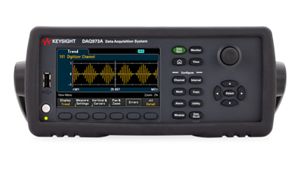
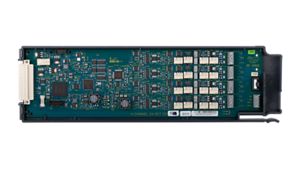
Designing and testing battery systems in e-mobility applications requires precision measurements across many signal types, wide temperature ranges, and multiple channels. Learn how to use a data acquisition system, multi-channel switch multiplexer modules, DAQ PC application software, bidirectional DC power supplies, and various temperature sensors to monitor battery health and temperature.
Learn More