Official Used
Equipment Store
保护您的仪器- 将 KeysightCare 服务和全新校准服务添加到您的报价中
ID: U06-2513243
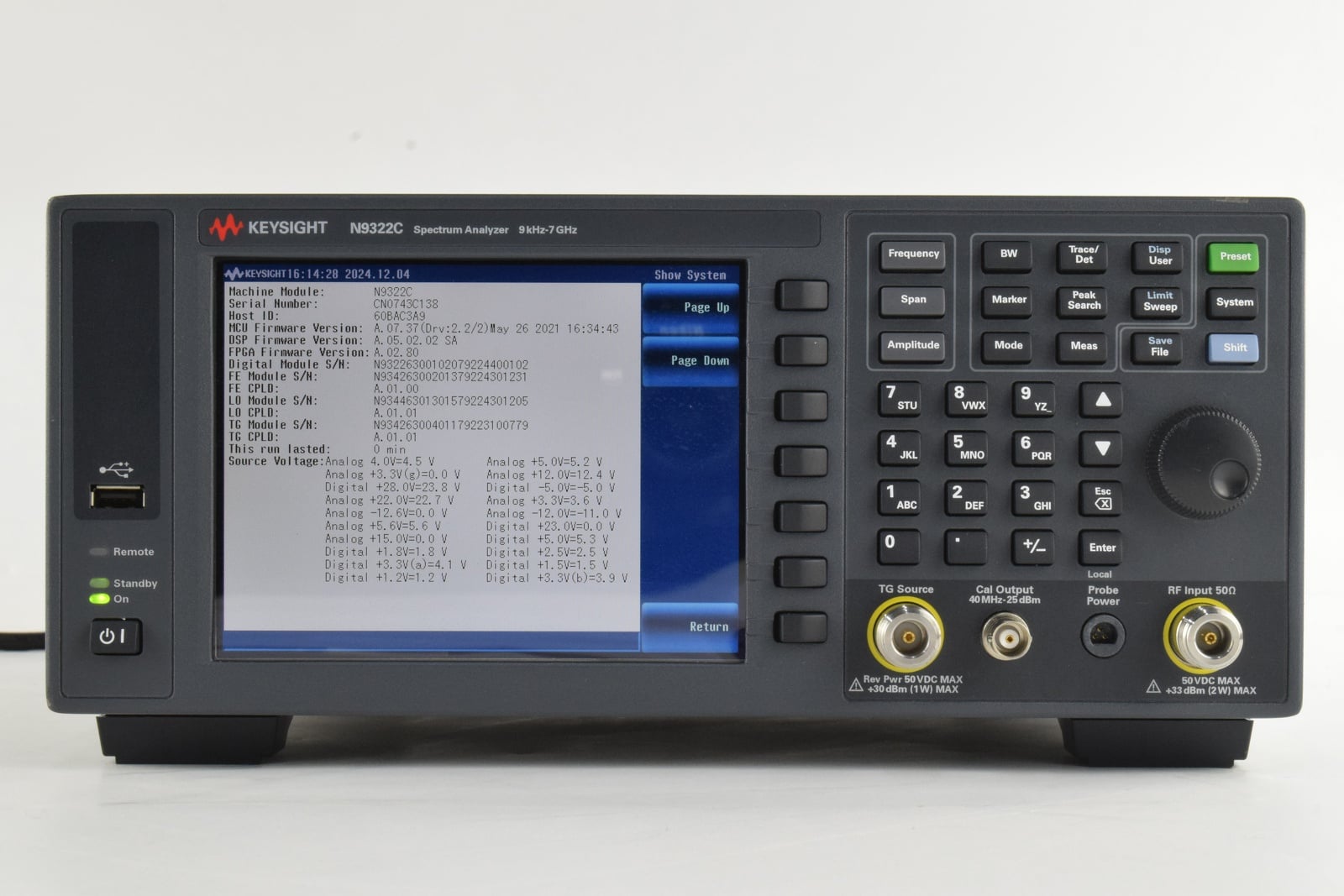
Keysight N9322C

Basic Spectrum Analyzer (BSA) / 9 kHz to 7 GHz

ID: U06-2513243
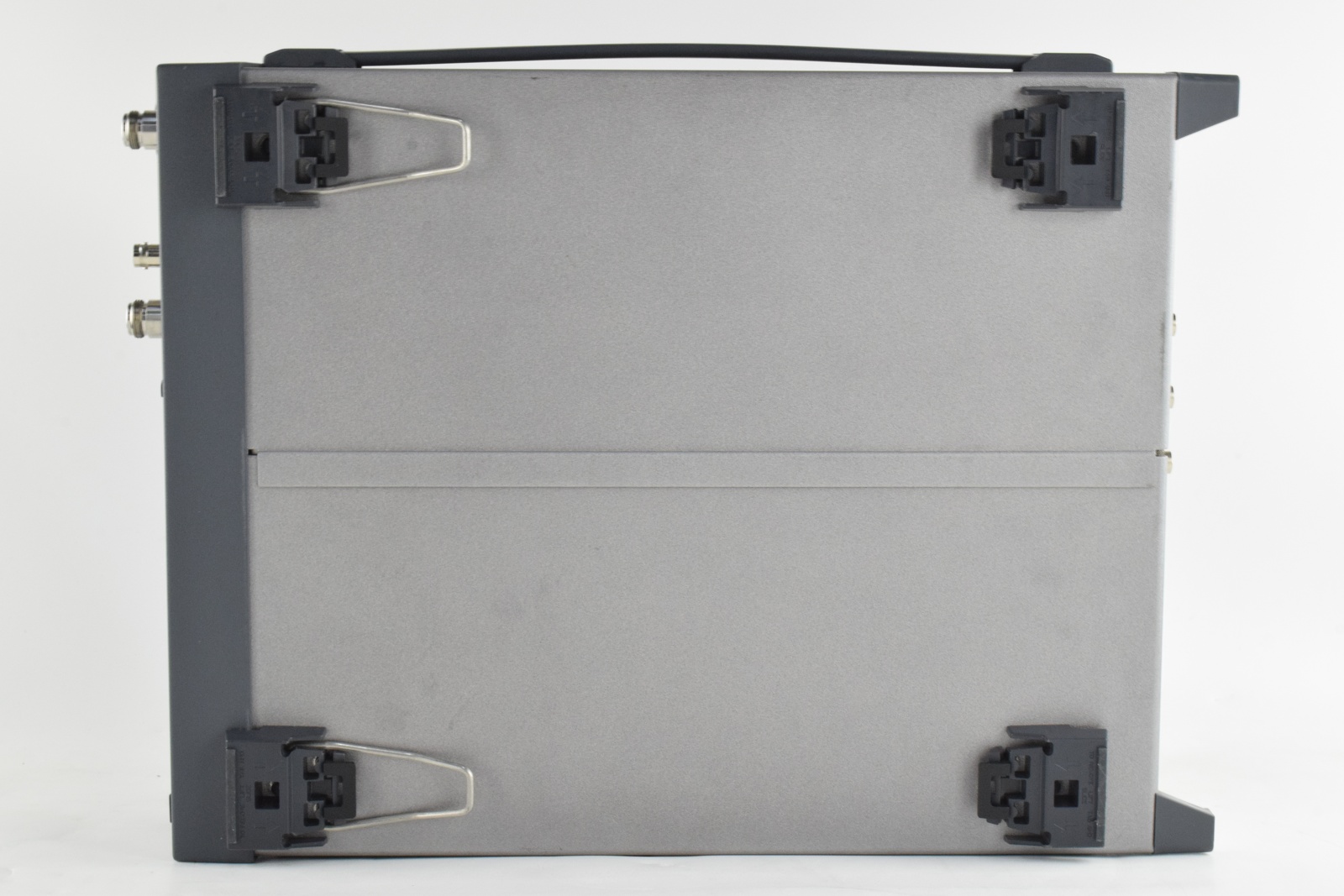
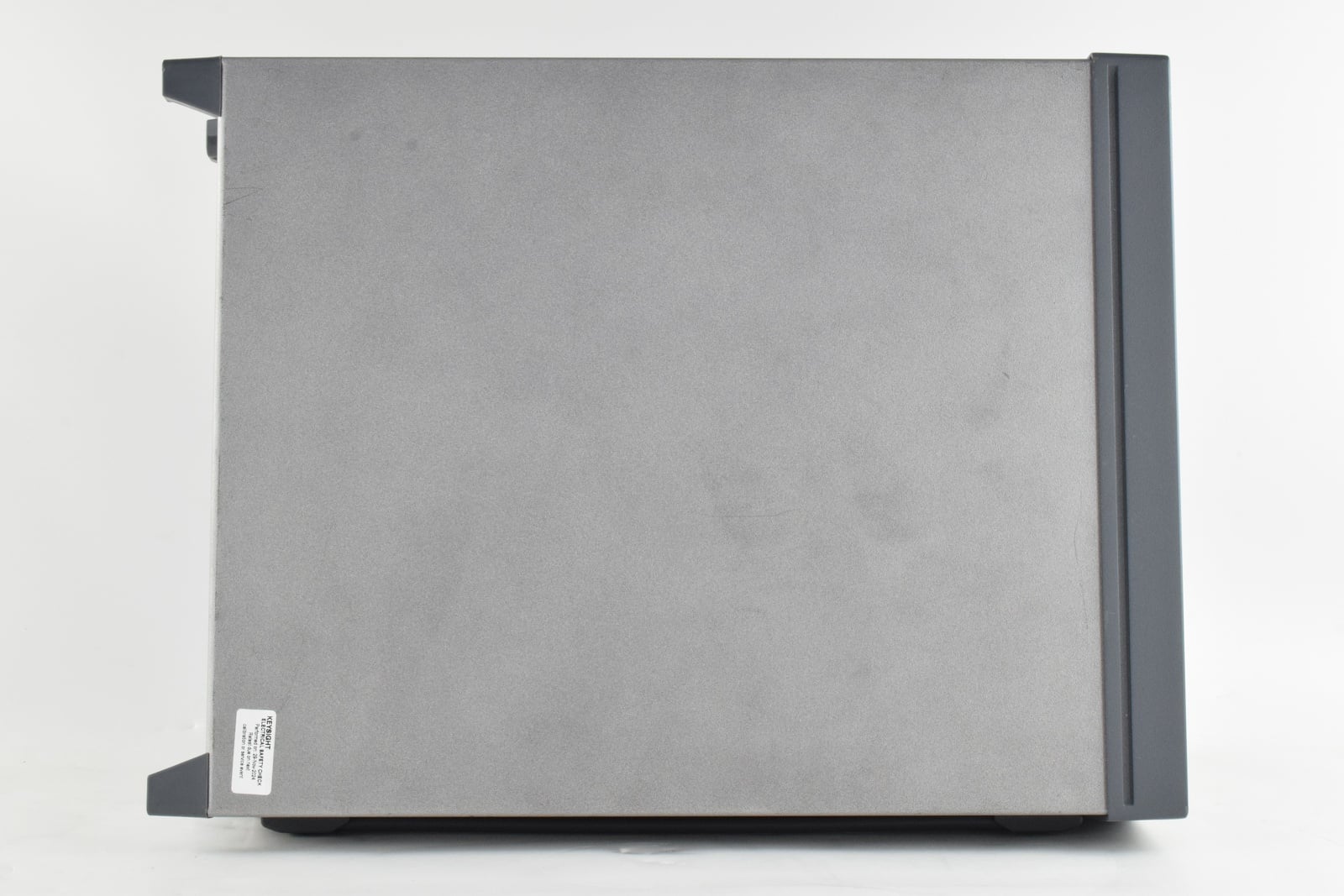
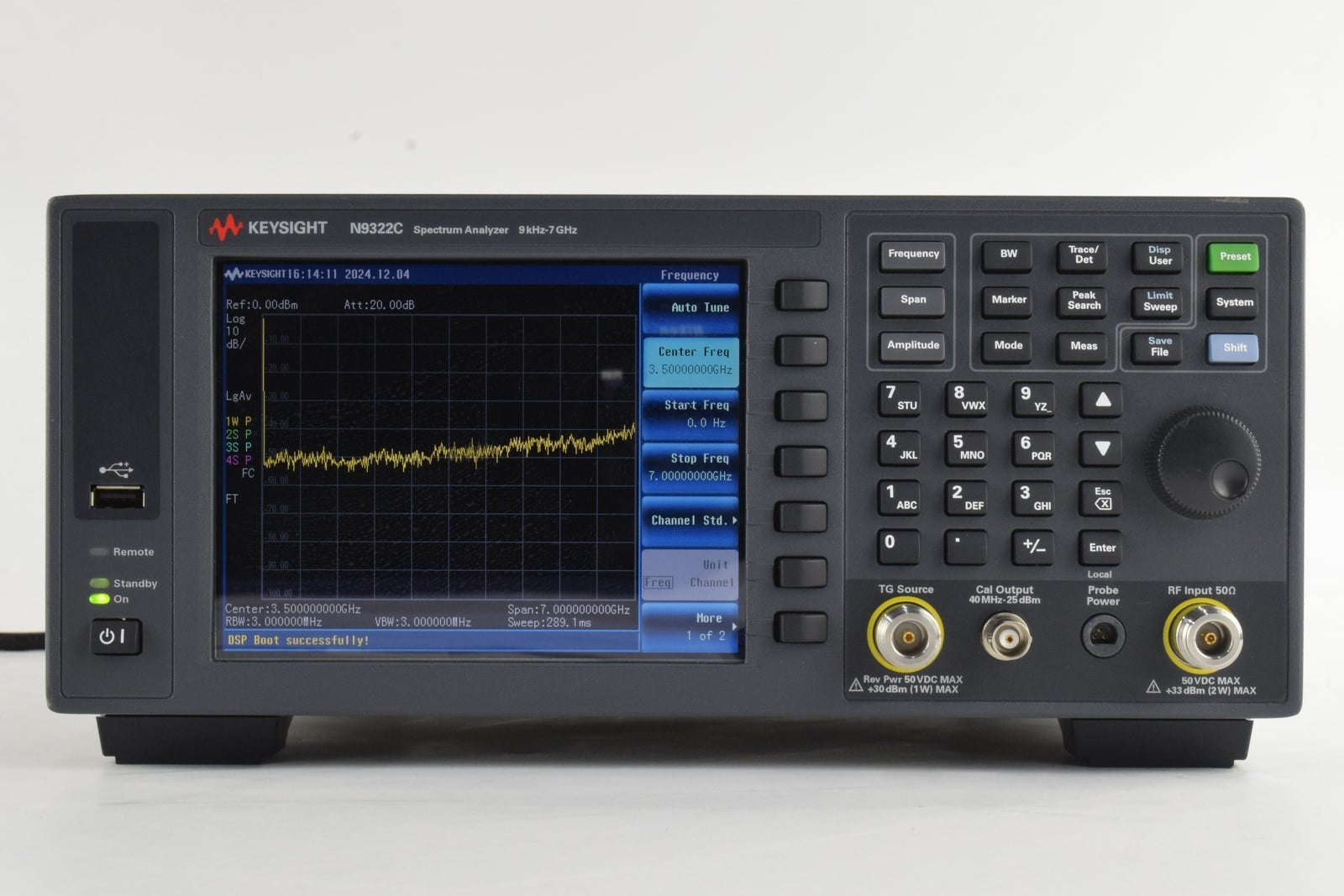
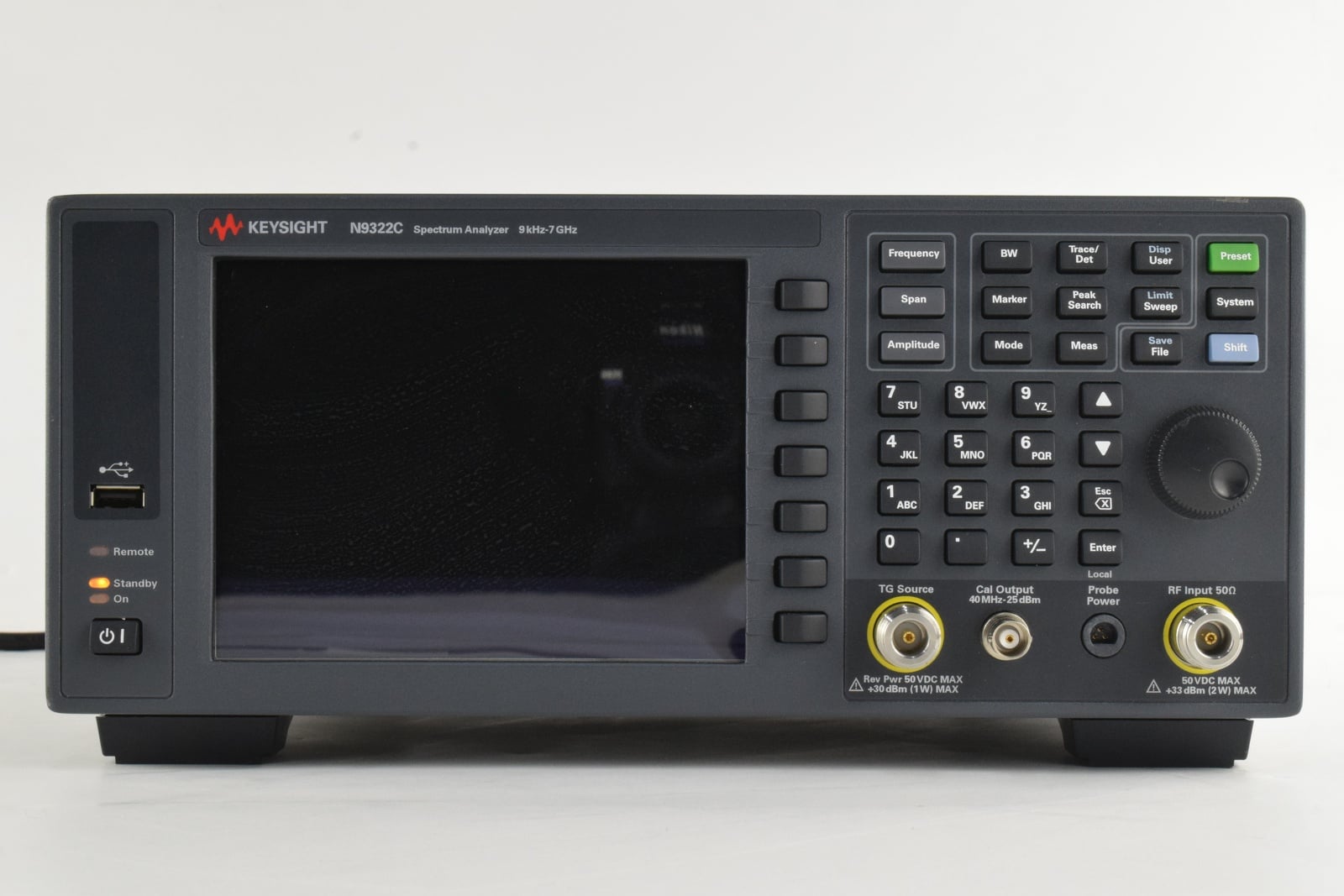
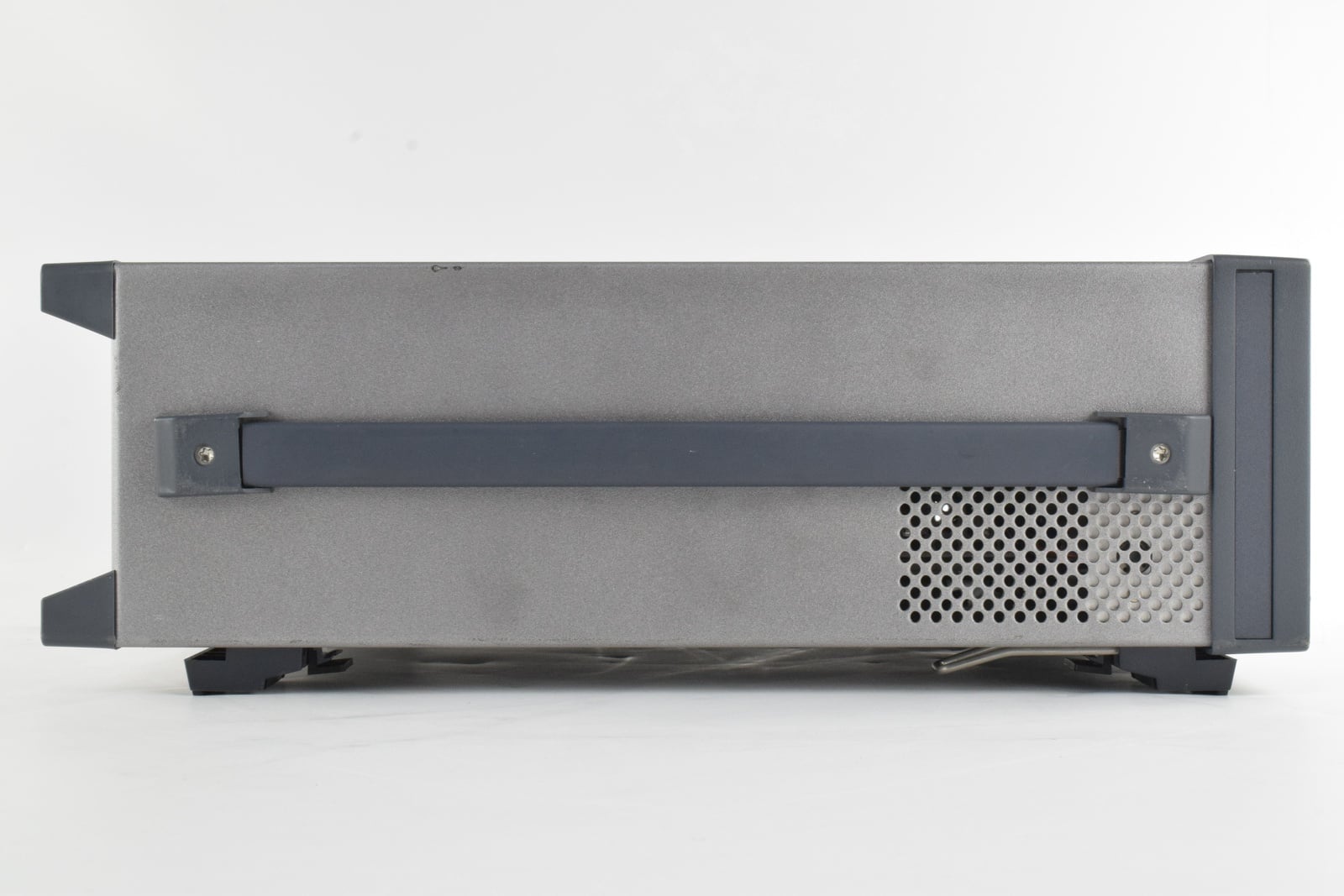
Keysight Used N9322C - Actual Instrument - Image 1
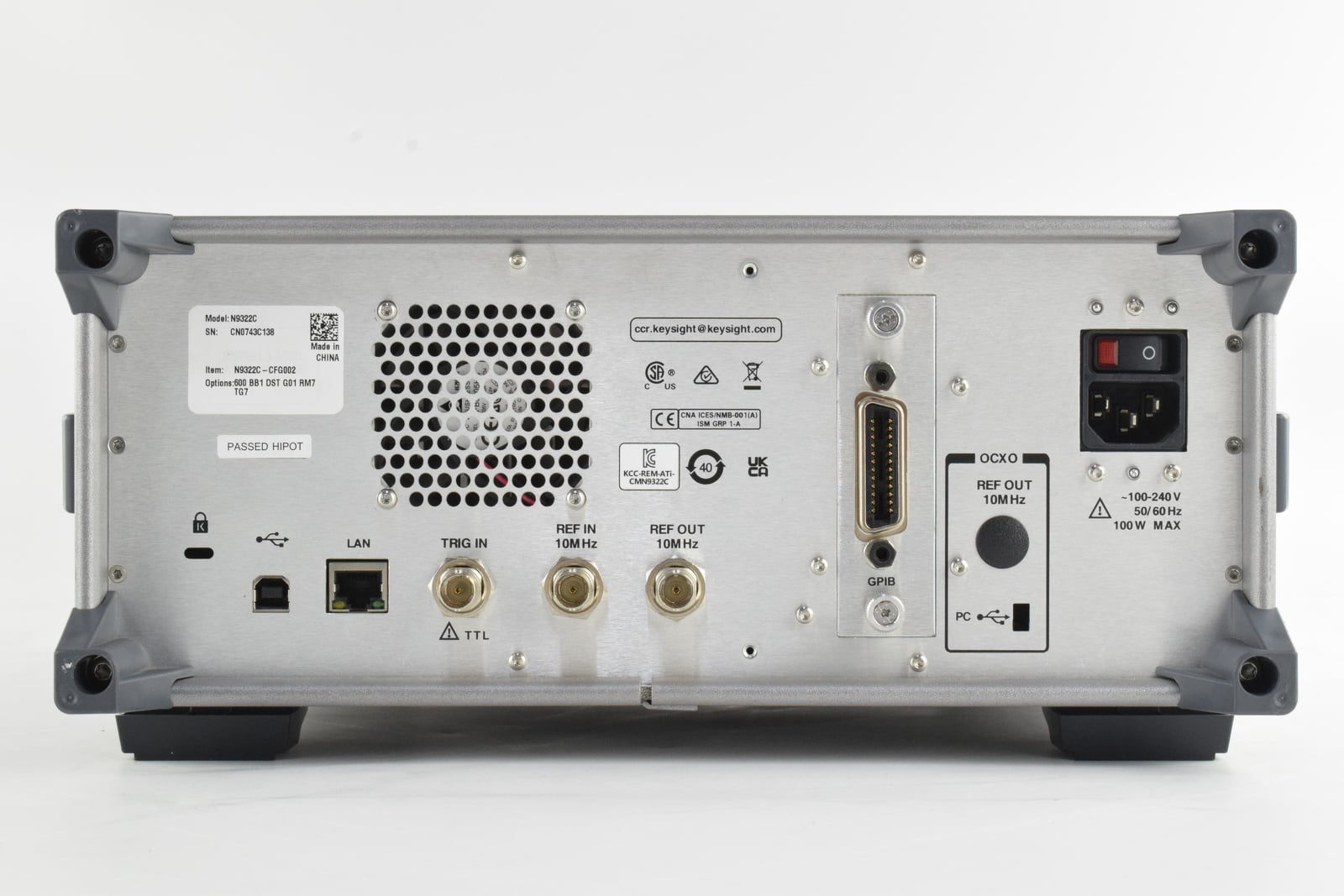
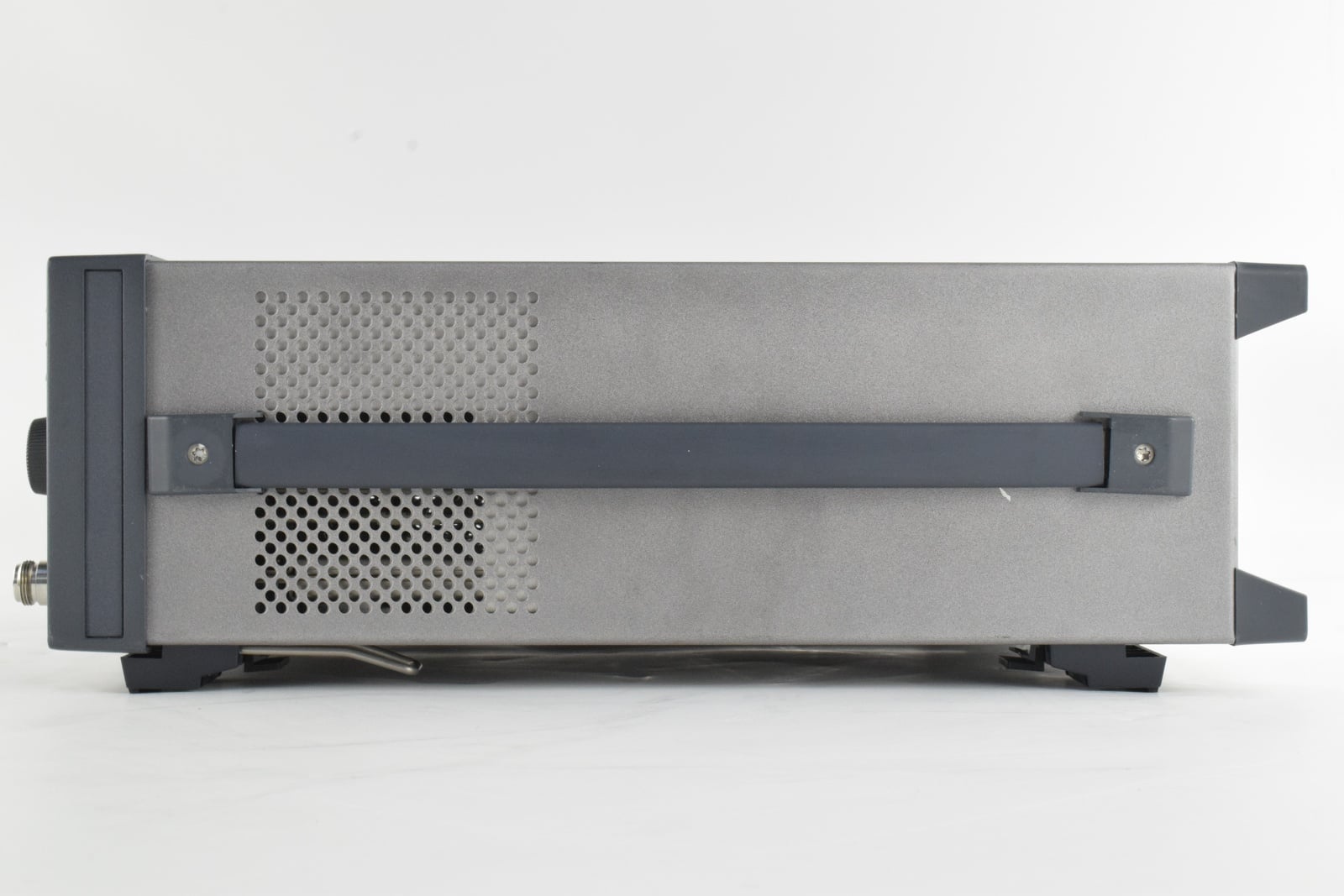
Keysight Used N9322C - Actual Instrument - Image 2
Keysight Used N9322C - Actual Instrument - Image 3
Keysight Used N9322C - Actual Instrument - Image 4
Keysight Used N9322C - Actual Instrument - Image 5
Keysight Used N9322C - Actual Instrument - Image 6
Keysight Used N9322C - Actual Instrument - Image 7
Keysight Used N9322C - Actual Instrument - Image 8
产品实拍图
Keysight Used N9322C - Actual Instrument - Image 1
Keysight Used N9322C - Actual Instrument - Image 2
Keysight Used N9322C - Actual Instrument - Image 3
Keysight Used N9322C - Actual Instrument - Image 4
Keysight Used N9322C - Actual Instrument - Image 5
Keysight Used N9322C - Actual Instrument - Image 6
Keysight Used N9322C - Actual Instrument - Image 7
Keysight Used N9322C - Actual Instrument - Image 8

Keysight N9322C

Basic Spectrum Analyzer (BSA) / 9 kHz to 7 GHz

经过测试可以使用
90天保修
提供 KeysightCare 服务
包含电源线。其他配件以产品图片展示为准。
可以根据要求提供其他软件选项

超低价
节省 70%

CNY 74,986.80

原价 CNY 249,956.00

税前价格
设置价格提醒
收藏
仅用于专业和工业用途
免费送货。 从中国发货1周内运送到中国
索取报价
您所在地区目前不支持在线购买。 请点击索取报价完成采购流程。

是德科技原厂二手仪器

Keysight  N9322C CNY 74,986.80

从

CNY 74,986.80 节省 70%

索取报价


BB1Baseband input Installed
G01GPIB INTERFACEInstalled
RM7Reflection measurement (requires option TG7) Installed
TG7TRACKING GENERATOR, 7 GHZInstalled

您可以通过索取报价的方式咨询该仪器是否可以定制

安心体验,基于是德科技的专业保障:KeysightCare Assured 服务+ 原厂校准服务

Fresh Calibration*
交付周期延长约4周
CNY 7,895.00
KeysightCare Assured - 1 year
包括是德科技延长保修
CNY 6,204.00
KeysightCare Assured - 2 years
包括是德科技延长保修
CNY 12,408.00
KeysightCare Assured - 3 years
包括是德科技延长保修
CNY 18,612.00
KeysightCare Assured - 5 years
包括是德科技延长保修
CNY 31,020.00

*若仪器尚未校准(详见商品详情),需先完成校准方可购买 KeysightCare 计划。


Basic Spectrum Analyzer makes Higher Productivity Achievable on a Smaller Budget

The N9322C Basic Spectrum Analyzer defines value-priced, general-purpose instruments for the 9 kHz to 7 GHz frequency range. You can rely on the N9322C for proven testing efficiency, usability, and the flexibility to adapt to new requirements.

  • 9 kHz to 7 GHz to frequency range
  • Quickly uncover key insights through fast, value-priced, general purpose performance up to 7 GHz with -152 dBm DANL and ±0.6 dB overall amplitude accuracy
  • Achieve straightforward and efficient operation with marker demodulation, one-button optimization, and user-definable soft keys
  • Implement up to 20 pre-defined measurements automatically and reduce test setup time by 95% with the task planner feature
  • Enjoy industry standard SCPI language support and USB and LAN connectivity


包含电源线。其他配件以产品图片展示为准。

其他未列出的配件可以单独购买,请在索取报价的留言栏中注明您感兴趣的其他配件或支持服务。

如需单独订购配件或购买仪器后订购配件,请联系您当地的是德科技办事处或合作伙伴。或在此处查看我们的在线商店,确认是否在您的国家/地区有出售。

准备好开箱了吗?

您将得到

  • Keysight N9322C Spectrum Analyzers
  • 仅包括图片中显示的配件
  • 校准证书(仅包括图片中显示的证书)

您可以添加

  • KeysightCare Assured
  • 全新校准
  • 校准方案

您还不确定想购买哪款产品?

如有任何其他问题,欢迎随时提问。我们将竭诚为您服务

联系我们

常见问题

Explore our range of Keysight equipment to find the perfect option for your needs and budget

  Keysight New Keysight Premium Used Keysight Used
Savings None Up to 70% Up to 90%
Condition New Like New Working Condition
Firmware Latest Updated As is
Calibration Full Full As listed
Accessories New New As listed
Warranty 1 to 5 Years Like New 90 Days Warranty
Customization Possible Possible Limited

Learn more about Keysight Premium Used Here

Customization is generally possible with our Keysight Premium Used equipment. The majority of our Keysight Premium Used equipment can be configured just the way you need it. Options can be added at additional cost.

Customizing Keysight Premium Used equipment might change the delivery and lead time of the item.

Some Keysight Used products cannot be customized. Use the contact option on the product page to check with the our eStore team.

Keysight Premium Used Equipment Typically Comes with Like-New Warranty and the Same Accessories as New Products:

  • Detailed Listing Information: For precise details about the included accessories, please refer to the product listing.
  • Optional Add-Ons: At the bottom of each listing, you can see the accessories that are included in the offer and what you can add.

Explore Keysight Premium Used Equipment now.

Additional Accessories and Support: 

  • Keysight Premium Used: Keysight Premium Used listings include like-new accessories like power cords. 
  • Additional Accessories: Additional accessories that are not listed and included in the offer can be purchased separately at an extra cost with your purchase of a Keysight Used or Keysight Premium Used unit. Please specify in the comment field which additional accessories or support you are interested in. 
  • Post-Purchase Ordering: For separate or post-purchase ordering, please contact your local Keysight office or Keysight Partner here. Or, if available for your region, check our online store here.

Discover our range of accessories now.

Make the Most of Your Equipment

查看全部 Make the Most of Your Equipment

为什么直接从
是德科技购买产品

二手仪器,一等品质

安心保障

原厂保修
最长可达5年
  • 全球覆盖
  • 可控的费用支出
了解详情关于原厂保修
最长可达5年

业界先锋

80 多年来
为创新者赋能
  • 行业佼佼者的选择
  • 30,000+客户信赖
了解详情关于80 多年来
为创新者赋能

近乎全新

最新固件
与精确校准
  • 101项检查清单
  • 最新固件和软件
了解详情关于最新固件
与精确校准

一等品质

包含 KeysightCare
全方位服务
  • 优先响应
  • 可选择校准计划
了解详情关于包含 KeysightCare
全方位服务

支持定制

硬件灵活配置
软件随时升级
  • 满足您的测试需求
  • 可添加硬件/软件选项
了解详情关于硬件灵活配置
软件随时升级

贴心支持

专注于个性化服务
的本地团队
  • 服务覆盖100+国家和地区
  • 可选择语言实时沟通
了解详情关于专注于个性化服务
的本地团队

额外优惠

原厂品质
优惠可达90%
  • +5% 线上优惠
  • +15% 教育优惠
  • 定期优惠

现货供应

海量库存
  • 可满足大批量采购需求
  • 全球范围快速响应
了解详情关于海量库存

常见问题

Spectrum + Signal Analyzers Quick-Facts

A signal analyzer is a device used to test and measure electronic signals. Types of signals can vary, including voltage, current, and radiofrequency. Signal analyzers vary in their capabilities and features, depending on the application. There are many types of signal analyzers, but the most common type is an oscilloscope. Other types include spectrum analyzers, network analyzers, and signal generators.

An oscilloscope is a device used when designing electronic systems that allows a signal to be viewed as a waveform. A spectrum analyzer measures the amplitude and frequency of signals over a specific period of time. A network analyzer analyzes circuits without having access to their design details; this can be helpful when there is a delay between creating a circuit and testing it. A signal generator generates signals which are then used by other devices.

  • There are many uses for a signal analyzer, depending on the type of device and features available. Some standard capabilities include:

  • Generating and analyzing signals

  • Magnifying and analyzing large signals

  • Displaying waveforms of varying types

  • Displaying the full frequency range of a signal, including visual representations of different frequencies and noise levels

A signal analyzer analyzes signals that have already been generated, whereas a spectrum analyzer is used to discover frequencies or actually generate frequencies itself.

A spectrum analyzer performs real-time spectrum analysis and measures instantaneous power or peak power, voltage, or current, depending on the type of signal being analyzed. It is also often used to monitor electromagnetic interference in circuits and devices.

On the other hand, a signal analyzer can only measure signals that are already present; it cannot be used to discover or analyze frequencies. Its purpose is to help the user identify electronic circuit problems and understand how the circuit is performing.

The main difference between a signal analyzer and an oscilloscope is that a signal analyzer analyzes the voltage of a signal over a specific period of time. In contrast, an oscilloscope extracts the timing information of a signal.

An oscilloscope is a type of signal analyzer used to measure voltage signals over time. It has various features, including analog and digital functions, advanced triggering capabilities, and connectivity options. It is used to analyze signals from many different sources, such as time-domain signals, frequencies from radiofrequencies, or extremely low-frequency sources.

A signal analyzer is used to analyze signals that have already been generated. A signal analyzer is often used to monitor electromagnetic interference in circuits and devices, whereas an oscilloscope can only measure signals that are already present.

Figure. 2 Oscilloscope vs. Signal Analyzer

Read our oscilloscope basics guide to learn more about oscilloscopes and their uses. To see our full range of new and used oscilloscopes, visit our product listing page.

A vector network analyzer (VNA) characterizes RF and microwave components — amplifiers, filters, and antennas — by measuring S-parameters such as gain, reflection, and insertion loss from the transmitted and reflected signals. Unlike a signal analyzer, it performs advanced analysis of both transmitted and received signals. It is different from a signal analyzer because it performs a live, real-time, analysis of signals on the device under test. In contrast, a signal analyzer only analyzes data after the signal has been created.

A network analyzer can also perform analysis and detect problems that prevent a signal from reaching its destination. For example, it can detect issues with cabling, connectors, or faulty equipment. It can also help resolve RF spectrum and Wi-Fi issues, such as interference and signal loss.

A signal analyzer is used by engineers to identify problems in electronic circuits and to understand how a circuit is behaving; for example, monitoring electromagnetic interference between multiple signals or devices. This makes it useful for testing and debugging circuits that use radio signals or other powerful sources of potential interference.

An antenna's impedance refers to the way it responds to signals from specific frequencies. If you want to know what sort of wireless signal a device is sending, you should evaluate the antenna's impedance with a spectrum analyzer. The device would help you determine whether or not your antenna is being affected by noise, which can negatively impact performance.

To measure your antenna's impedance, you can attach a spectrum analyzer to the end of the coaxial cable connected to the back of your antenna. The device will then calculate the impedance being transmitted once it goes through your coaxial cable.

Phase noise is a type of signal that often disrupts or interferes with wireless communication. It is a problem for devices that operate in the wireless frequency spectrum. If phase noise is common across specific frequencies, it can drown out other signals.

There are many different types of phase noise, and each one can affect your wireless technology differently. A signal analyzer measures the phase noise across different frequencies. The device will help you to determine whether your intended wireless communication needs some sort of interference protection.

To measure your device's phase noise with a signal analyzer, you can attach the device to the input of your receiver. This will allow the signal analyzer to calculate how much phase noise is being sent through your wireless communication devices.

The return loss is the measurement of how much signal is reflected or wasted at a particular point. It is a measurement of how much energy is being lost in transmission. You can measure return loss with a spectrum analyzer which may enable you to improve the power and efficiency of your wireless connection.

If the return loss is too high, it could indicate power-management issues within your system. A signal analyzer can help you determine whether the return loss is too high, and help you find any hardware issues needing to be resolved. The device can notify you when your power-management settings fall below requirements for successful wireless communication.

To test a device’s return loss with a signal analyzer, plug the spectrum analyzer into the end of a coaxial cable connected to your intended transmitter. The device will determine how much signal is lost after it goes through the cable and exits to reach its intended recipient.

For additional information about how to use your spectrum analyzer to measure return loss, view “Features Resources” for a technical overview of a basic spectrum analyzer as well as an example of how to measure the return loss of an antenna.