How to Perform Satellite Ground Testing
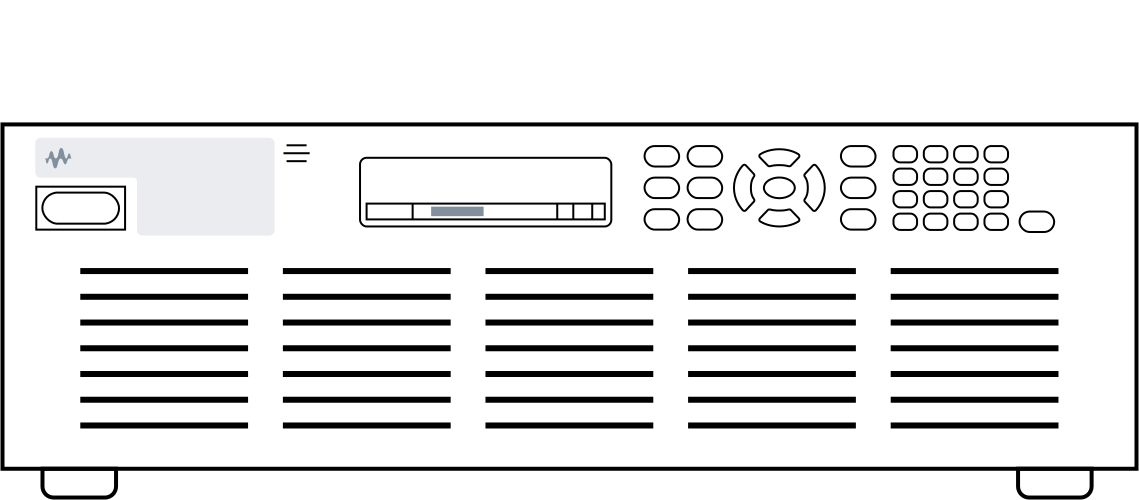
High-Fidelity Solar Array Simulation for Satellite Ground Testing
Satellites rely on solar arrays as their primary power source, and validating spacecraft power systems requires accurately reproducing the electrical and environmental conditions these arrays experience in orbit. During ground testing, engineers must account for widely varying irradiation levels, extreme temperature swings, and orbital effects such as spin, eclipse, and shadow. Because satellite power profiles depend on dynamic IV curve behavior, accurately representing the underlying photovoltaic characteristics—including open-circuit voltage, short-circuit current, and maximum power point behavior—is essential for meaningful evaluation. Using real solar arrays is impractical and unsafe, making simulation the only method capable of achieving controlled, repeatable test conditions.
Purpose-built solar array simulators (SAS) enable engineers to replicate these complex operating scenarios with precision and responsiveness. A dedicated SAS provides low output capacitance, rapid IV curve transitions, and protection mechanisms that safeguard delicate spacecraft electronics from transient events and switching anomalies. By modeling temperature effects, irradiation changes, shadowing conditions, and bus-regulation behaviors such as shunt switching and MPPT operation, these platforms support accurate subsystem validation during integration and acceptance testing. This standardized approach improves repeatability, enhances safety, and accelerates the verification of satellite power system performance before launch.


Satellite Ground Testing Solution
Explore Products In Our Satellite Ground Testing Solution
-

![]()
MP4361A Solar Array Simulator Auto-Ranging Module 0-160 V, 0-10 A, 1 kW
-
![]()
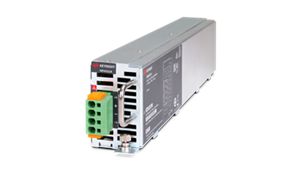
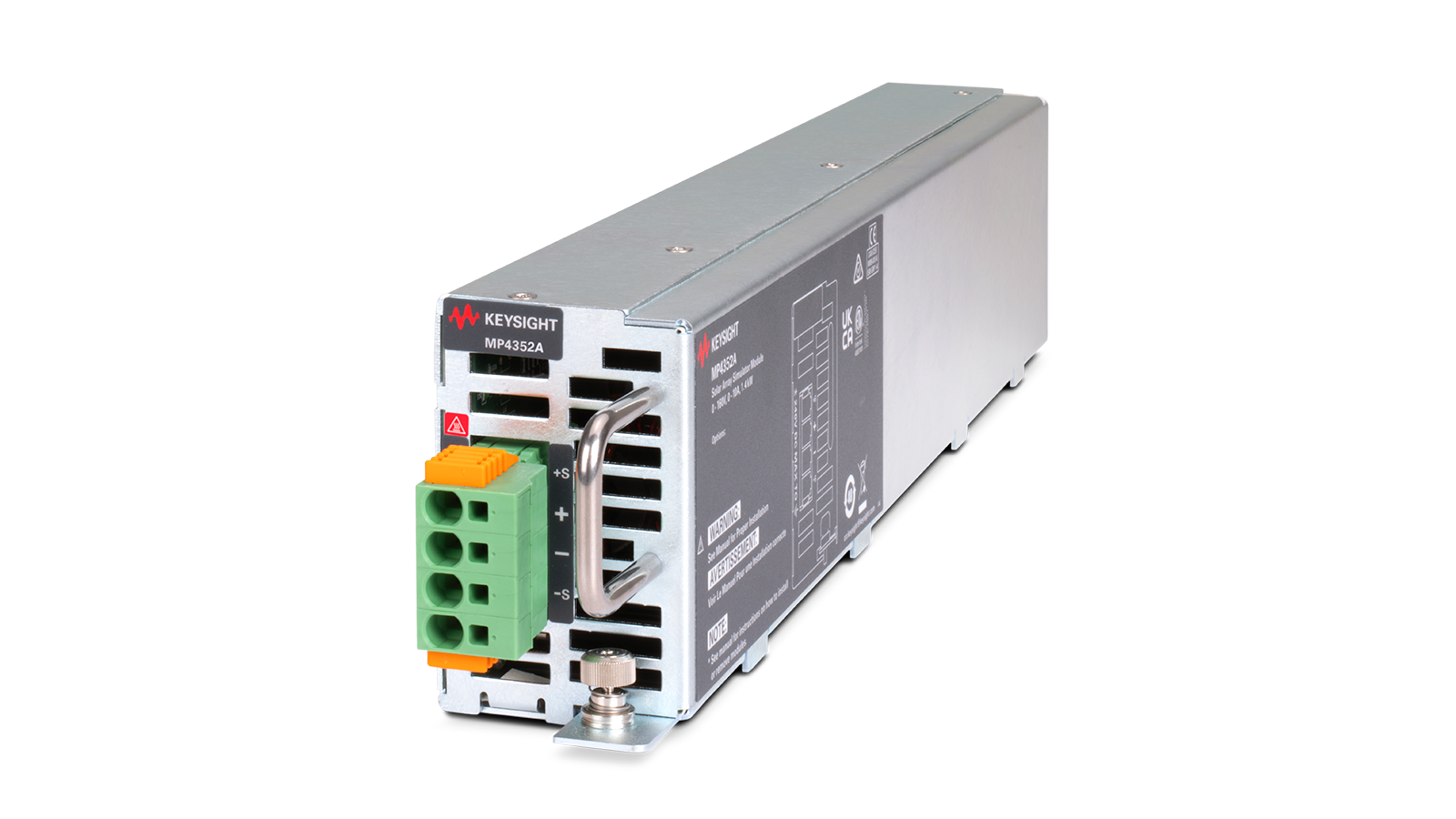
MP4352A Solar Array Simulator Auto-Ranging Module
-
![]()
MP4362A Solar Array Simulator Module 0-130 V, 0-8 A, 1 kW
-
![]()
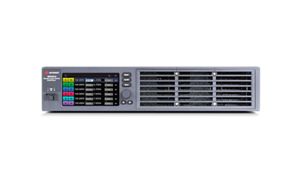
MP4304A Modular Power System 10 kW Mainframe, 400 / 480 VAC



Discover Resources and Insights
Additional Resources for Satellite Ground Testing
Related Use Cases
-
![]()
Learn More
How to Test Satellite Payload Systems
Simulate mission power conditions and run long-duration validation for satellite payloads using regenerative loads and automated power-suite workflows.
Learn More

-
![]()
Learn More
How to Test Satellite Batteries
Emulate and validate satellite batteries and PCUs through eclipse transitions, edge cases, and long-duration cycles using regenerative power test and automation.
Learn More
-
![]()
Learn More
How to Emulate Batteries in Aerospace and Defense
Emulate real battery behavior for aerospace and defense systems. Learn how to safely test mission profiles, edge cases, and aging effects with a unified, automated platform.
Learn More

Get In Touch With One of Our Experts
Need Help Finding the Right Solution for You?