How to Ensure Measurement Traceability in Radio Frequency Calibration Chains

Ensure Calibration Traceability Integrity
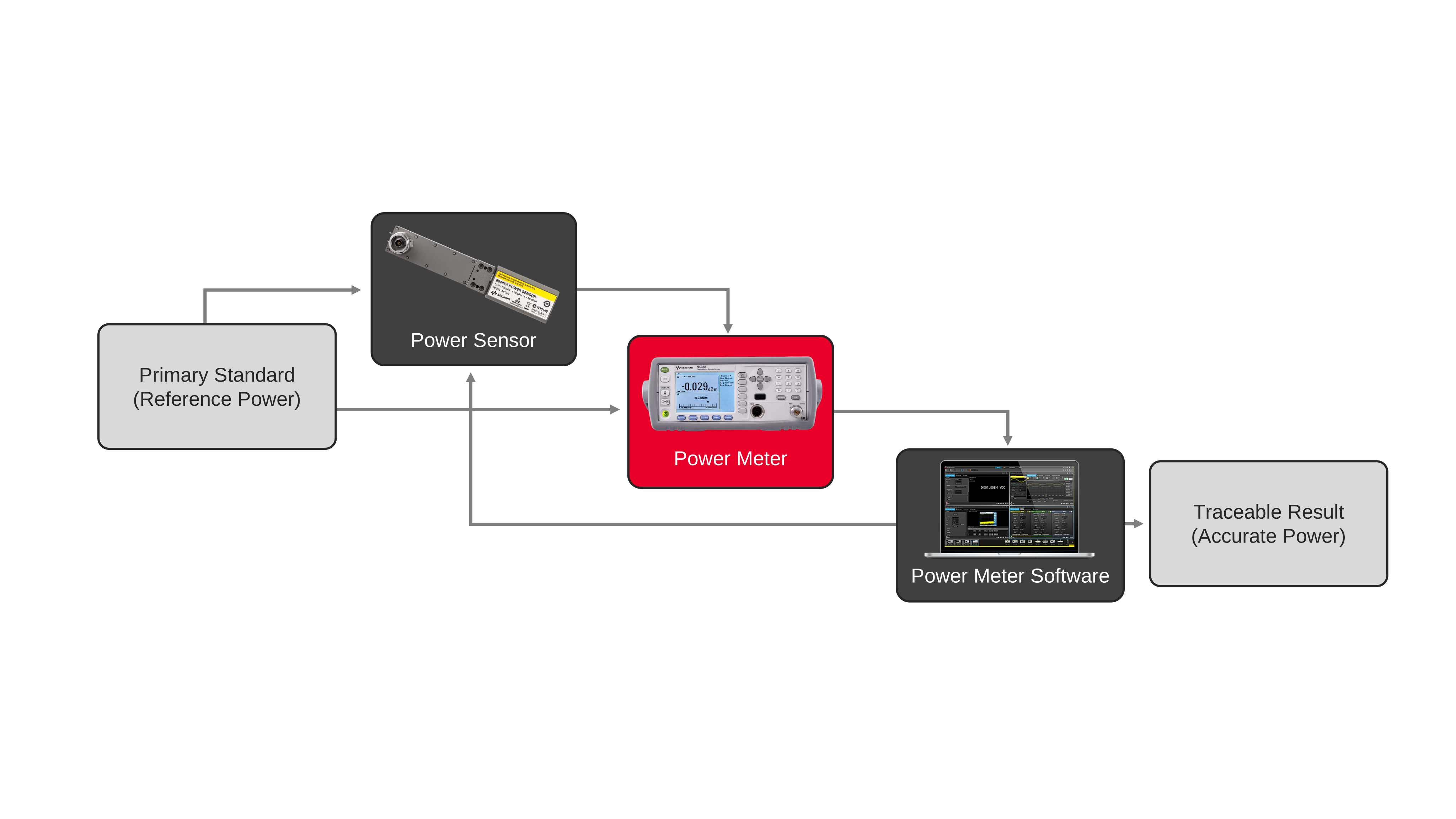
Measurement traceability in radio frequency calibration chains requires establishing an unbroken link between working-level measurements and primary standards, with each step characterized by a quantified uncertainty contribution. This hierarchy typically includes primary standards, transfer standards, and working instruments, where each level introduces additional uncertainty due to factors such as mismatch, drift, connector repeatability, and environmental variation. Engineers must ensure that calibration intervals, correction factors, and reference standards are properly maintained to preserve traceability. Thermistor-based sensing techniques are commonly used at higher levels of the calibration chain due to their ability to provide true average power measurements with high absolute accuracy and minimal dependence on signal characteristics.
Ensuring traceability also requires rigorous uncertainty analysis, including both Type A (statistical) and Type B (systematic) contributions. Engineers must propagate uncertainty through each stage of the calibration chain, accounting for effective efficiency, reflection coefficients, and frequency-dependent losses. Calibration procedures must be repeatable and documented, with consistent measurement conditions maintained across all levels. Proper traceability management enables reliable comparison of measurement results across systems, supports compliance with metrology standards, and ensures confidence in high-accuracy radio frequency power measurements across a wide range of applications.

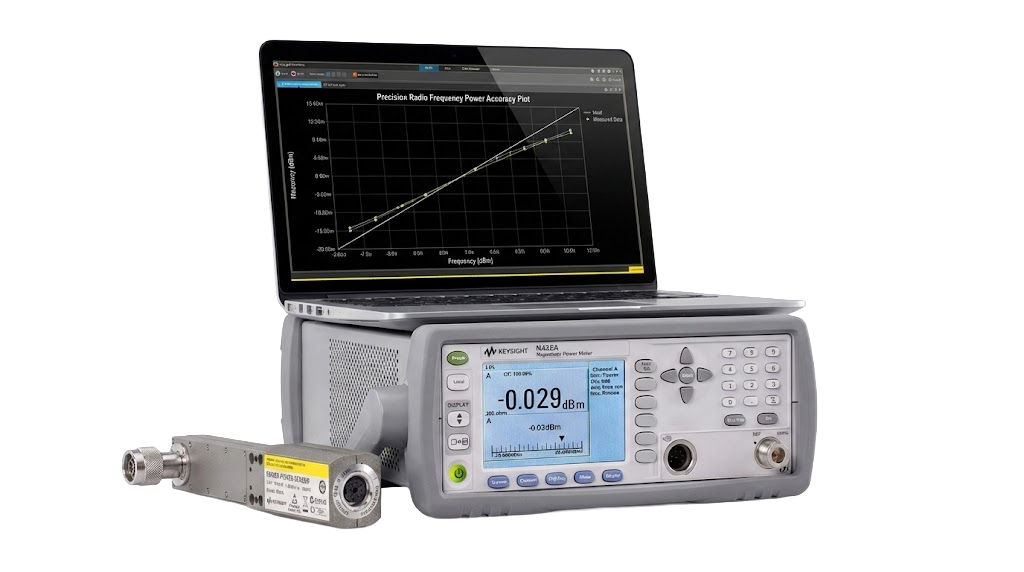
Calibration Traceability Assurance Solution
See Block Diagram of Calibration Traceability Assurance Solution

Explore Products in Our Calibration Traceability Assurance Solution
-

![]()
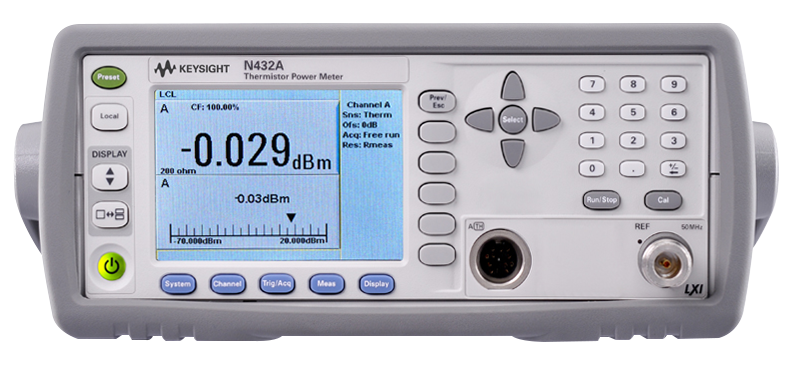
N432A Thermistor Power Meter
-

![]()
BV0007B PathWave BenchVue Power Meters/Sensors App
-
![]()
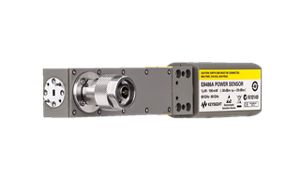
E8486A Waveguide Power Sensor


Discover Resources and Insights
Additional Resources for Calibration Traceability Assurance
Related Use Cases


-
![]()
Learn More
How to Compare Thermistor and Diode Sensor Measurement Accuracy
Compare thermistor and diode sensor accuracy across power levels to improve measurement confidence using power sensors, power meters, and automated measurement control and data logging software.
Learn More

-
![]()
Learn More
How to Automate RF Power Logging for Environmental Testing
Automate RF power logging during environmental testing using a power meter, continuous measurement, data acquisition, and software-controlled workflows.
Learn More
-
![]()
Learn More
How to Characterize RF Power Sensor Drift Behavior
Characterize RF power sensor zeroing and drift behavior using a power meter, controlled measurements, data logging, and long-duration analysis techniques.
Learn More

Get in Touch with One of Our Experts
Need help finding the right solution for you?