










- Overview
- All Models
- Support
Precise, affordable frequency synthesizers
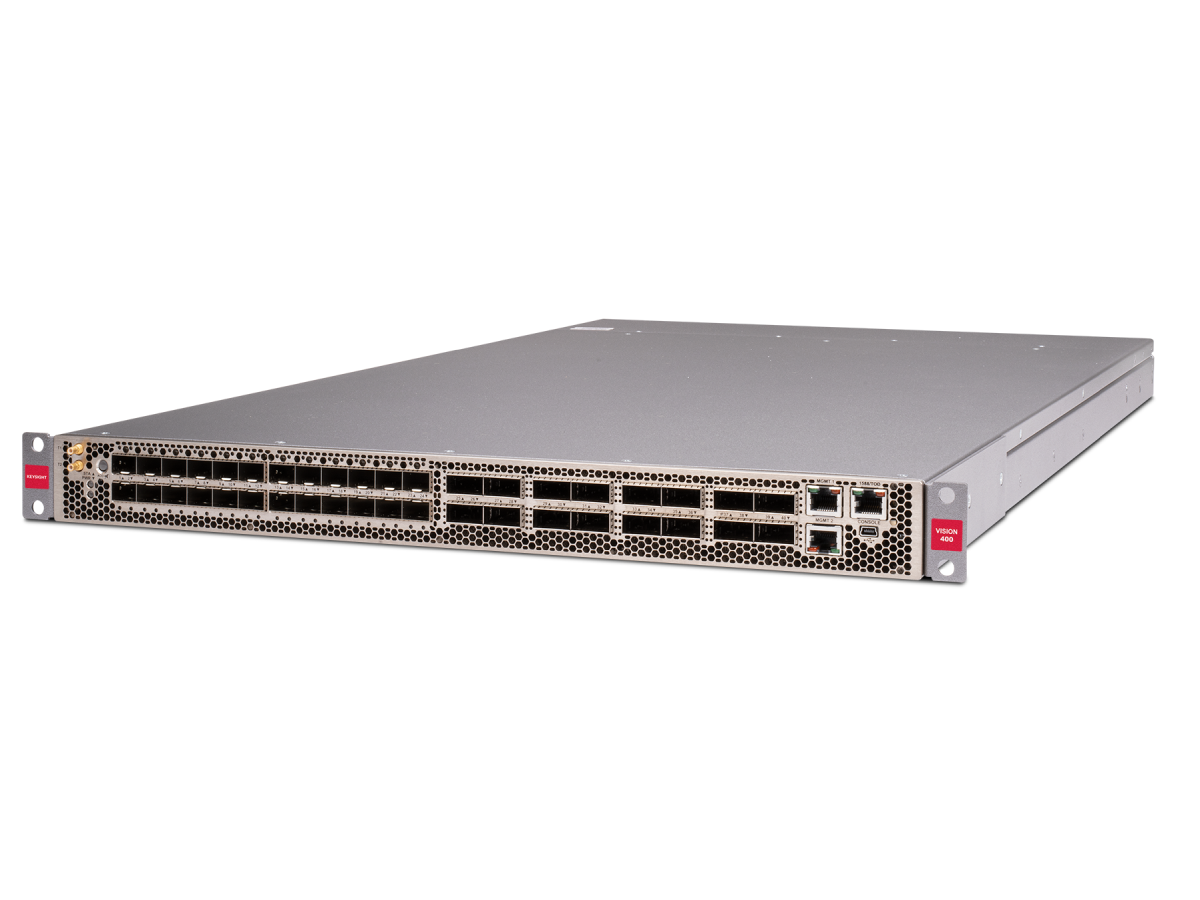
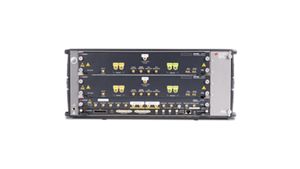
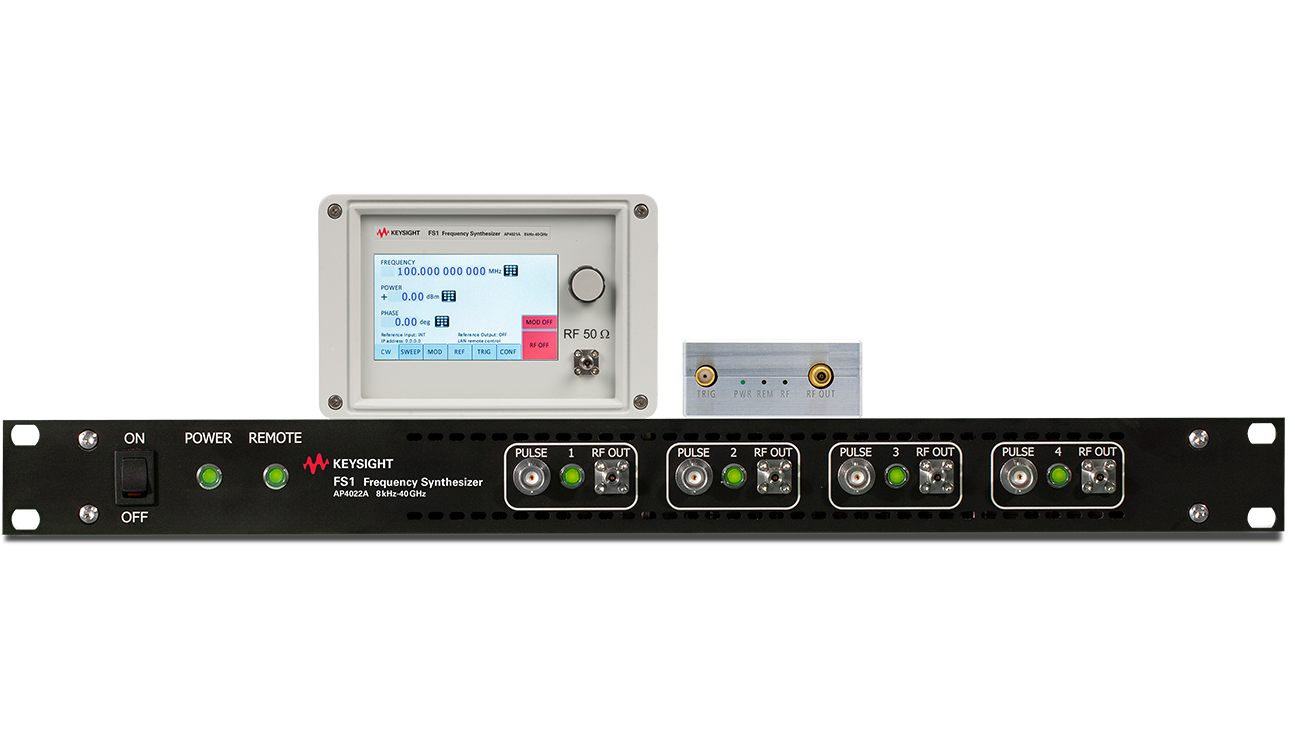
The Keysight FS Frequency Synthesizers are the FS1- and FS2-classes, which include the AP4001-AP4022A Frequency Synthesizers. They provide frequency synthesizers provide fast switching speeds, low phase noise, and high signal quality for a wide range of signals with precise frequency control. With single-channel and multichannel options and a variety of form factors available, our frequency synthesizers offer a scaled-down, affordable, compact option when the higher-level modulation capabilities of a signal generator are not required. Their compact size allows you to easily integrate them into your test system for various applications, including wireless communications, radar, electronic warfare, and quantum computing. Select the frequency synthesizer performance level you need based on max frequency, number of phase-coherent channels, phase noise, and switching frequency. Choose one of our most popular configurations or build the one you need for your application. Need help selecting? Check out the resources below.
Precision and accuracy
Deliver precise, stable signals quickly with ultra-fast switching and low-phase noise, ensuring high signal integrity in applications like wireless communication systems or high-frequency radar.
Enhanced synchronization
Ensure exceptional frequency accuracy and stability with the internal oven-controlled crystal oscillator (OXCO), ideal for high-precision applications.
Compact and easy to integrate
Support for various form factors, including compact and rack-mountable for space-constrained embedded systems, as well as portable benchtop models for R&D and field testing.
Flexible configurations
Choose the right number of channels for your application, from cost-effective single-channel models to multichannel units ideal for MIMO applications or testing multiple frequency bands at once.
-
Maximum frequency
20 GHz to 40 GHz
-
Number of channels
1 to 4
-
Phase noise @1 GHz (20 kHz offset)
-147 dBc/Hz to -125 dBc/Hz
-
Frequency switching speed
5 µs to 20 µs
-
Output power @1 GHz
15 dBm to 25 dBm
Most popular configurations

FS2-class Frequency Synthesizer


FS2-class Frequency Synthesizer


FS1-class Frequency Synthesizer
Services and support
Innovate at speed with curated support plans and prioritized response and turn-around times.
Get predictable, lease-based subscriptions and full lifecycle management solutions—so you reach your business goals faster.
Experience elevated service as a KeysightCare subscriber to get committed technical response and more.
Ensure your test system performs to specification and meets local and global standards.
Make measurements quickly with in-house, instructor-led training, and eLearning.
Download Keysight software or update your software to the newest version.
Frequently asked questions
Max Frequency
The maximum frequency defines the upper limit of the synthesizer’s operational range, directly impacting its suitability for your application. A high maximum frequency is essential for high-frequency needs like microwave testing or 5G systems (e.g., up to 40 GHz in some Keysight models). A synthesizer with a lower ceiling restricts its use in advanced RF or broadband projects, making this a top consideration for frequency-intensive tasks.
Max Channels
The maximum channel number indicates how many independent frequency outputs the synthesizer can provide simultaneously, which is crucial for multi-signal applications such as phased-array radar or multi-band communication testing. While a one-channel supply is useful for basic tasks, multi-channel options enable complex, parallel operations. Having insufficient channels limits scalability, making this metric important for projects that require multiple outputs.
Phase Noise
Phase noise measures the stability and purity of the output signal, reflecting random frequency fluctuations that can degrade performance. Low phase noise is essential in sensitive applications such as GPS or high-fidelity communications, where noise can introduce errors or reduces signal clarity. High phase noise compromises precision, making it a critical metric for projects that prioritize clean, reliable signals.
Frequency Switching
Frequency switching speed determines how quickly the synthesizer can transition between frequencies, which is a crucial factor in dynamic systems such as radar or real-time signal hopping. Fast switching (e.g., ultra-agile synthesizers) enables rapid response and minimal downtime, whereas slow switching leads to delays, interrupting time-critical operations. This capability is essential for applications that require agility and responsiveness.
Output Power
Output power refers to the strength of the synthesizer’s signal, typically measured in dBm. It affects the synthesizer's ability to drive downstream components without amplification. High output power is necessary for long-distance RF testing or overcoming losses in complex setups, whereas low power may suffice for short-range or lab use. Inadequate power can weaken performance, so it’s critical to match signal strength to system needs.
A frequency synthesizer for RF testing is a specialized electronic device that generates a broad spectrum of precise, stable frequencies from a single reference source, such as a crystal oscillator, to evaluate and calibrate radio frequency (RF) equipment and systems. Tailored for RF applications, it delivers accurate, low-noise signals with rapid frequency-switching capabilities, essential for testing components like antennas, receivers, and transceivers.
In RF testing, these synthesizers enable engineers to simulate real-world conditions, measure signal integrity, and assess performance metrics like phase noise and frequency response. Their compact designs and high signal quality make them critical tools for ensuring the reliability and efficiency of RF systems in telecommunications, radar, and electronic warfare.
A frequency synthesizer and a signal generator differ in scope and functionality within electronic applications. A frequency synthesizer is a specialized device or circuit designed to generate a precise, stable range of frequencies from a single reference source, such as a crystal oscillator, using methods like phase-locked loops (PLL) or direct digital synthesis (DDS), primarily serving as a frequency control tool for applications like RF testing or telecommunications.
In contrast, signal generators are more comprehensive instruments that build upon frequency generation to produce a more extensive array of modulation capabilities. Signal generators offer higher output power range, accuracy, and harmonics, making them suitable for broader testing and signal simulation tasks across entire systems.