Wi-Fi 7 Test


Learn the Fundamentals of Wi-Fi 7 Test


Foundations of Wi-Fi 7
Explore the key features and testing challenges of Wi-Fi 7 (IEEE 802.11be) and learn how to conduct Wi-Fi 7 RF testing with signaling and throughput testing.


Learn how to perform comprehensive testing during all phases of the design workflow to accelerate time to market and reduce failures seen by end users.


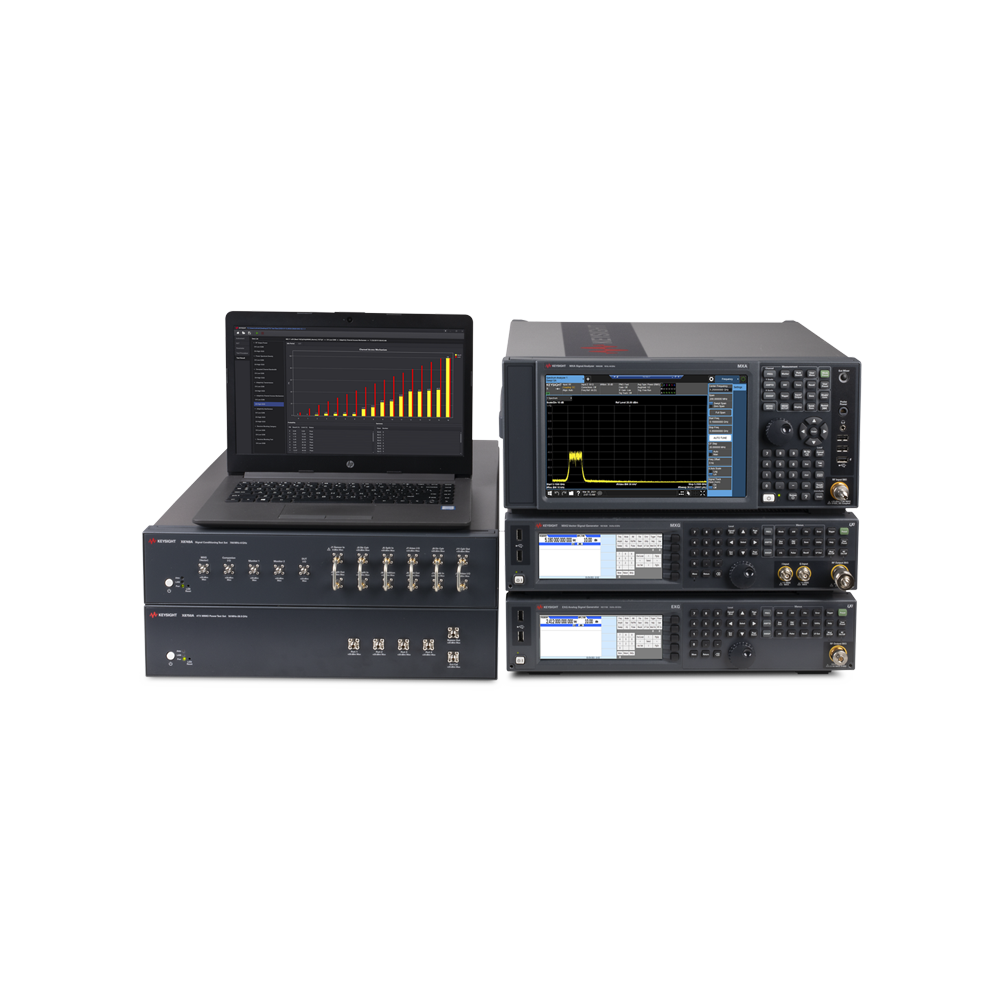
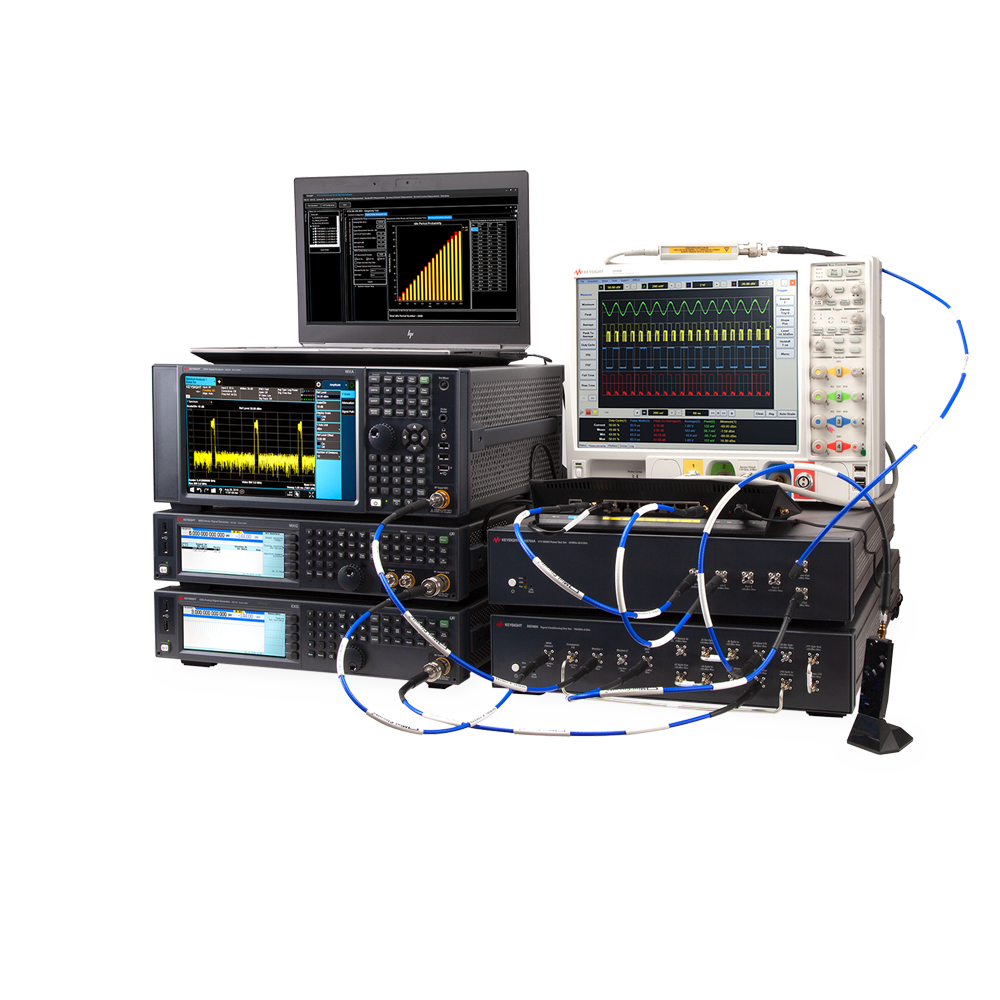
Wi-Fi 7 Signaling, RF, and Throughput Test
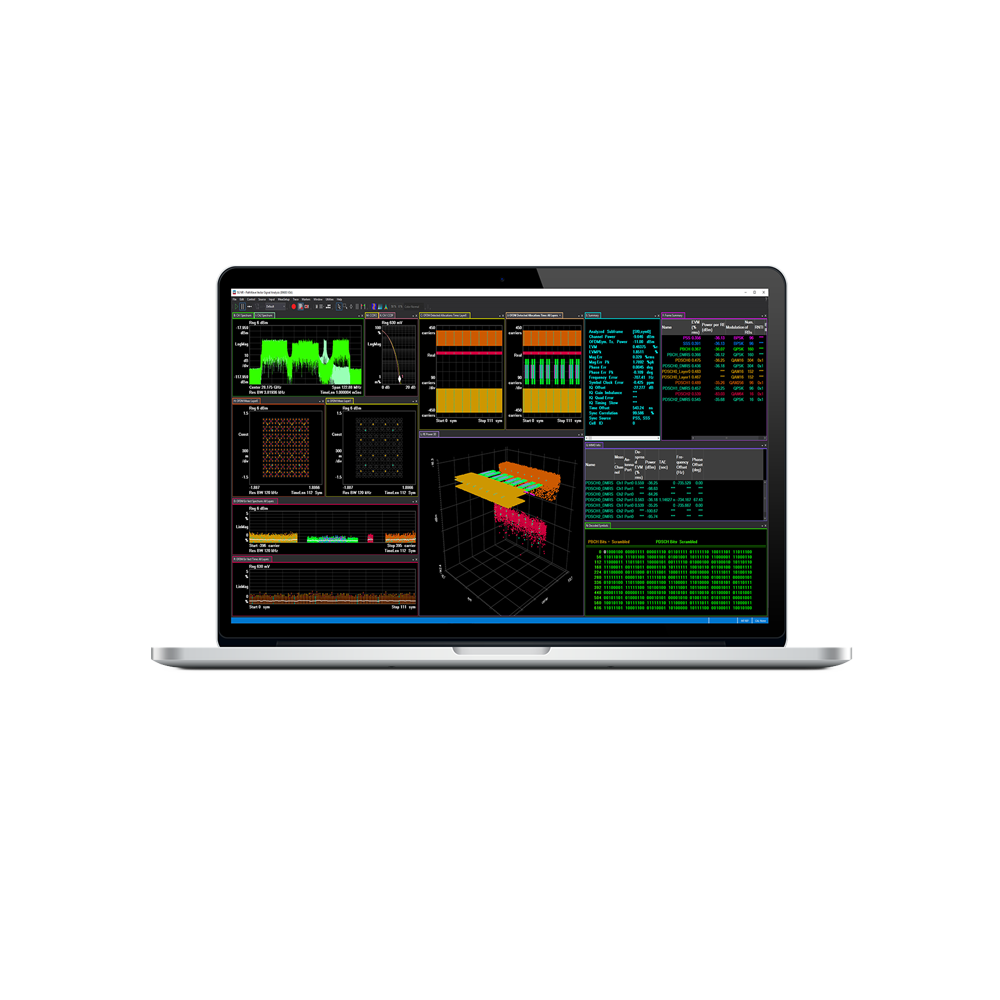
Find out how to measure power losses, modulation quality, and spectral quality under real-world conditions such as distance and interference.


Essential Steps for Maximizing Wi-Fi 7 Performance
Understand how Wi-Fi 7 (802.11 be) will enhance your daily internet experiences and affect enterprise productivity and efficiency.


Learn how to streamline systematic evaluation and testing of XR devices with automation software that leverages machine learning and automation intelligence.
Featured Courses
Discover Other Wi-Fi Related Content


Explore how to run multiple Wi-Fi 6E device tests using a simulated access point.

Addressing the Test Challenges of Wi-Fi / 5G CPE
Learn about fixed wireless access and how to address its testing challenges.


Actionable Insight into Wi-Fi Device Performance
Investigate factors that could affect your device performance and learn how to improve them.

Visit our home page for Wi-Fi 7 and learn about the latest trends and test strategies.


Addressing Wi-Fi Measurement Challenges with a Multichannel Test Instrument
Learn all essential Wi-Fi parameters and how to test them at the same time.


Understand how to accomplish regulatory pre-compliance and compliance testing throughout the product life cycle.
Explore Wi-Fi 7 (802.11 be) Resources
Dive deeper with Wi-Fi (802.11 be) content from our experts
Wi-Fi 7 (802.11 be) Related use cases


-
![]()
Learn More
How to Monitor and Analyze Signals in Contested RF Environments
Monitor, capture, and analyze RF signals in contested environments with an integrated Keysight FieldFox and 3dB-Labs SCEPTRE workflow.
Learn More

-
![]()
Learn More
How to Verify IoT Battery Life Targets
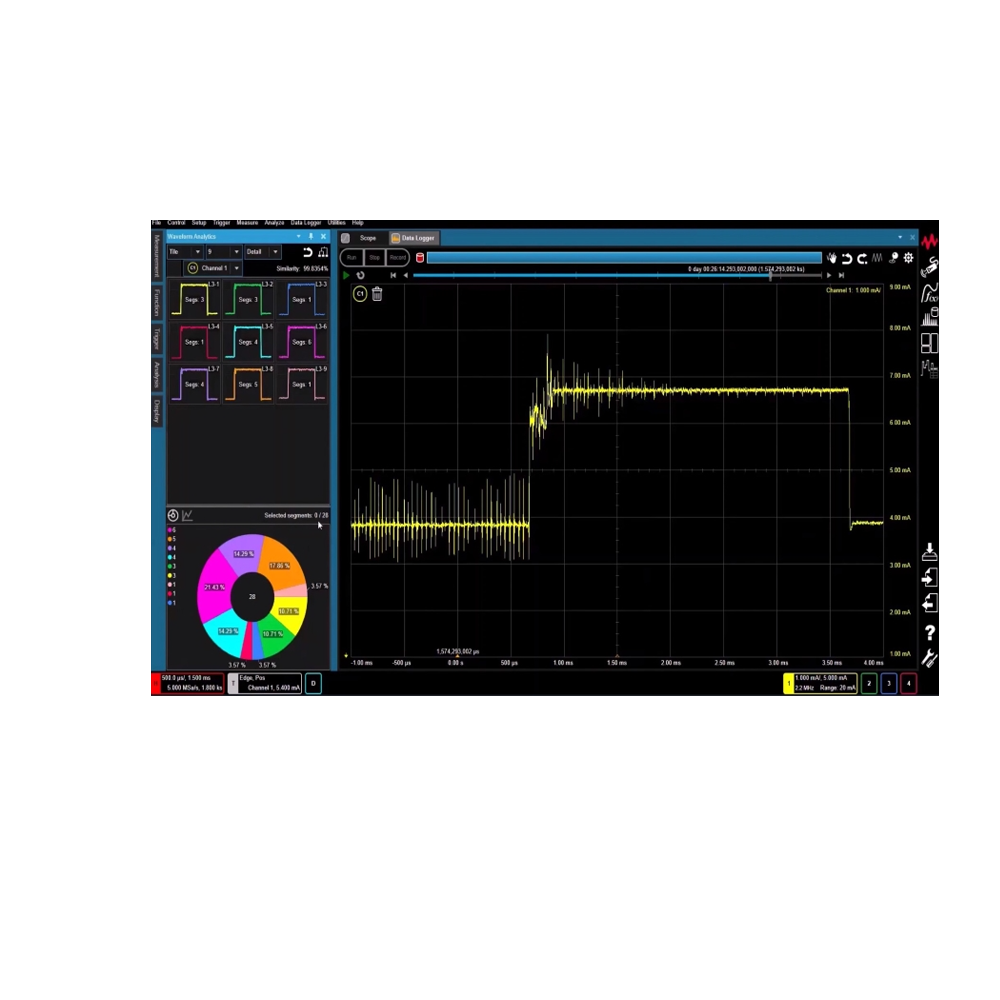
Learn how to verify IoT battery life targets by measuring current consumption across real operating modes and device events, then correlating it with runtime goals before product launch.
Learn More
-
![]()
Learn More
How to Correlate RF Events With IoT Device Current Drain
Correlate RF events with IoT current drain to identify which radio activity contributes most to battery consumption.
Learn More


Dive into more insights and resources on Wi-Fi 7 (802.11 be) testing
Wi-Fi 7 Test FAQ
WiFi 7 is designed to meet the growing demands of modern digital life. With the rise of 8K video streaming, cloud gaming, augmented reality (AR), virtual reality (VR), and smart home ecosystems, users need faster, more reliable wireless connections. WiFi 7 delivers on this promise by offering peak speeds exceeding 40 Gbps, ultra-low latency, and better performance in congested environments.
WiFi 7 works by combining advanced wireless technologies to deliver faster, more efficient, and more reliable connectivity. At its core, WiFi 7 (802.11be) builds on the foundation of WiFi 6/6E but introduces several innovations that redefine how wireless data is transmitted and received. WiFi 7 introduces 320 MHz ultra-wide bandwidth, 4096-QAM, Multi-RU, and Multi-Link Operation to deliver a next-level wireless experience.
WiFi 7 introduces several groundbreaking technologies:
- 320 MHz Channel Bandwidth: Doubles the bandwidth of WiFi 6, enabling more data to be transmitted simultaneously.
- 4096-QAM (4K QAM): Increases data density, allowing 12 bits per symbol for higher throughput.
- Multi-Link Operation (MLO): Devices can transmit and receive across multiple frequency bands (2.4 GHz, 5 GHz, and 6 GHz) at once.
- Multi-RUs (Resource Units): Enables more efficient spectrum usage by assigning multiple RUs to a single device.
- Up to 16 Spatial Streams: Improves MU-MIMO performance in dense environments.
- Backward Compatibility: Works with legacy WiFi devices and networks.
Wi-Fi 7 testing is crucial for manufacturers and network engineers to ensure Wi-Fi devices and networks perform as expected and meet the new standard's capabilities. Wi-Fi testing helps validate performance, conformance, and compliance with Wi-Fi 7 (802.11 be) specifications, which include higher speeds, lower latency, and enhanced capacity. This is particularly important due to the increased complexity of WLAN networks and the need to support a wider range of applications. Wi-Fi testing ensures that WiFi 7 devices meet both regulatory standards and user expectations.
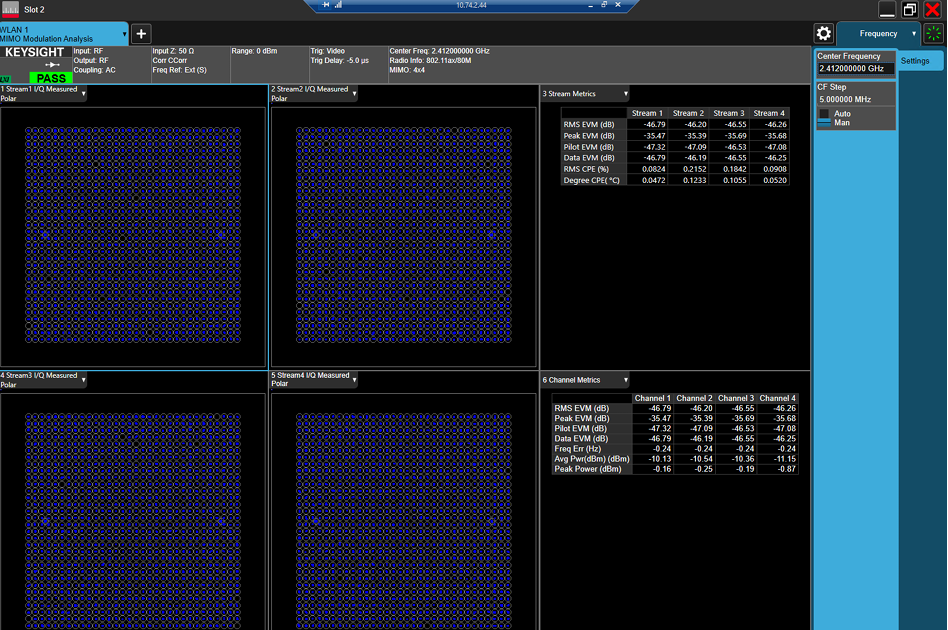
4096-QAM (Quadrature Amplitude Modulation) significantly impacts Wi-Fi 7 testing by requiring high signal-to-noise ratio (SNR), better error vector magnitude (EVM) performance and higher modulation accuracy. This impacts Wi-Fi test equipment capabilities, requiring advanced techniques for design and implementation, especially when considering MIMO (Multiple Input, Multiple Output) technology.

Get in Touch With One of Our Experts
Need help finding the right solution for you?