How to Characterize Optical Receiver Sensitivity Versus Input Power

Measure Receiver Sensitivity Versus Optical Power
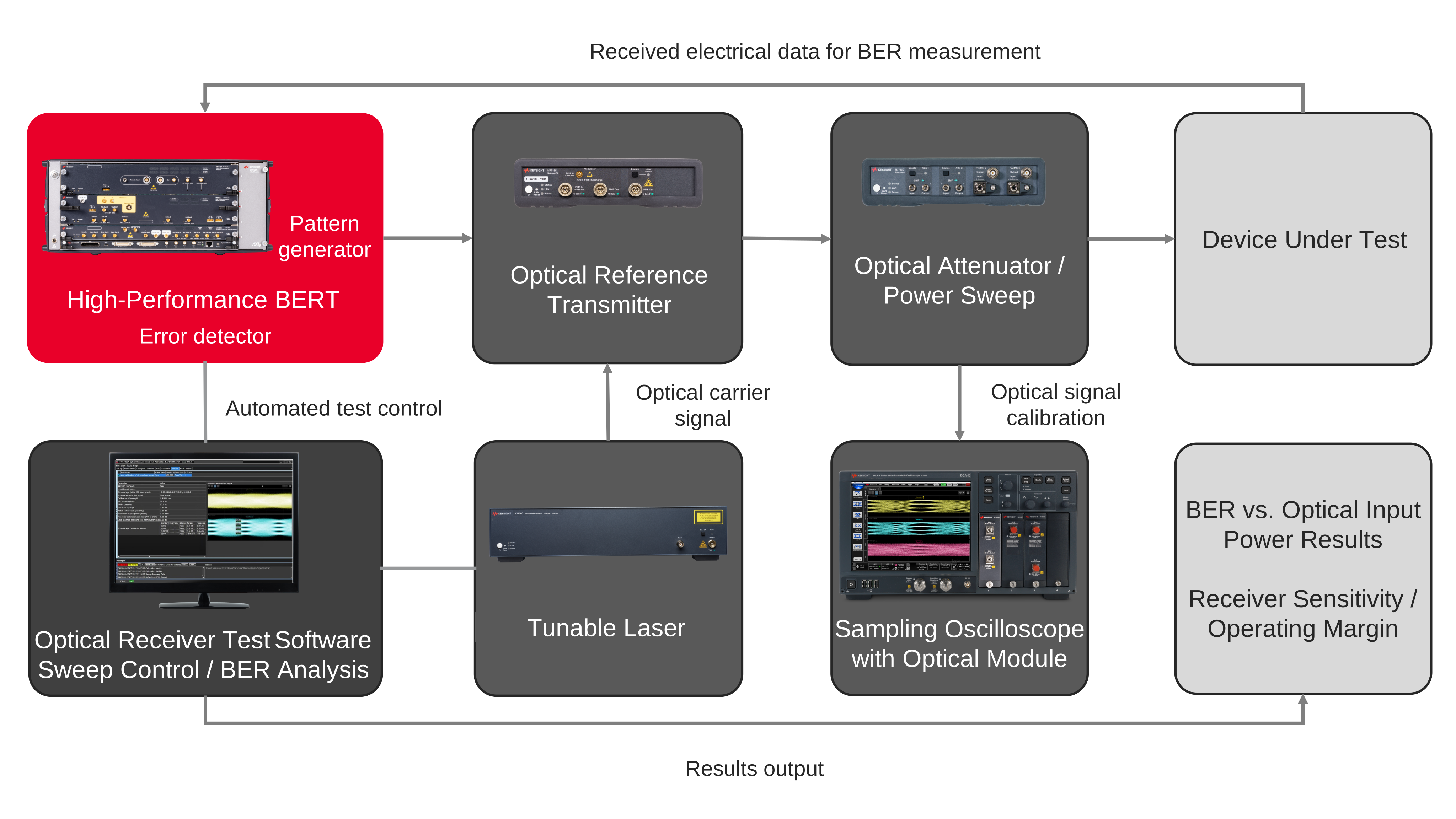
Optical receiver sensitivity characterization evaluates how effectively a receiver recovers data as optical input power decreases. Engineers use a calibrated optical signal, programmable optical attenuator, and bit error ratio tester (BERT) to measure receiver performance across a range of optical power levels. The optical attenuator adjusts the power delivered to the device under test (DUT), while BER measurements indicate how reliably the receiver recovers the transmitted data. At higher optical power levels, the receiver typically maintains a low BER, while decreasing power can expose limitations caused by noise and signal impairments. Recording BER against received optical power produces a receiver sensitivity curve that shows how performance changes as signal levels decrease. This approach allows engineers to examine receiver behavior beyond a single pass/fail threshold, identify the optical power required to achieve a target BER, and evaluate the sensitivity characteristics of high-speed optical transceivers.
Characterizing optical receiver sensitivity requires accurate optical power control, reliable BER measurements, and consistent test conditions. A typical setup combines a BERT, optical reference transmitter, tunable laser source, programmable optical attenuator, and optical measurement instrumentation. Engineers must account for optical path losses, signal quality, and measurement repeatability to ensure changes in BER reflect receiver behavior rather than test setup inconsistencies. For PAM4 optical interfaces, optical modulation amplitude, extinction ratio, and eye closure can also influence receiver performance. Automated optical power adjustments and BER measurements help establish repeatable sensitivity curves for comparing receivers, evaluating operating margins, and investigating performance differences. By examining sensitivity across different optical power levels and test conditions, engineers can identify performance limitations, assess design changes, and characterize high-speed optical receivers throughout development and validation.

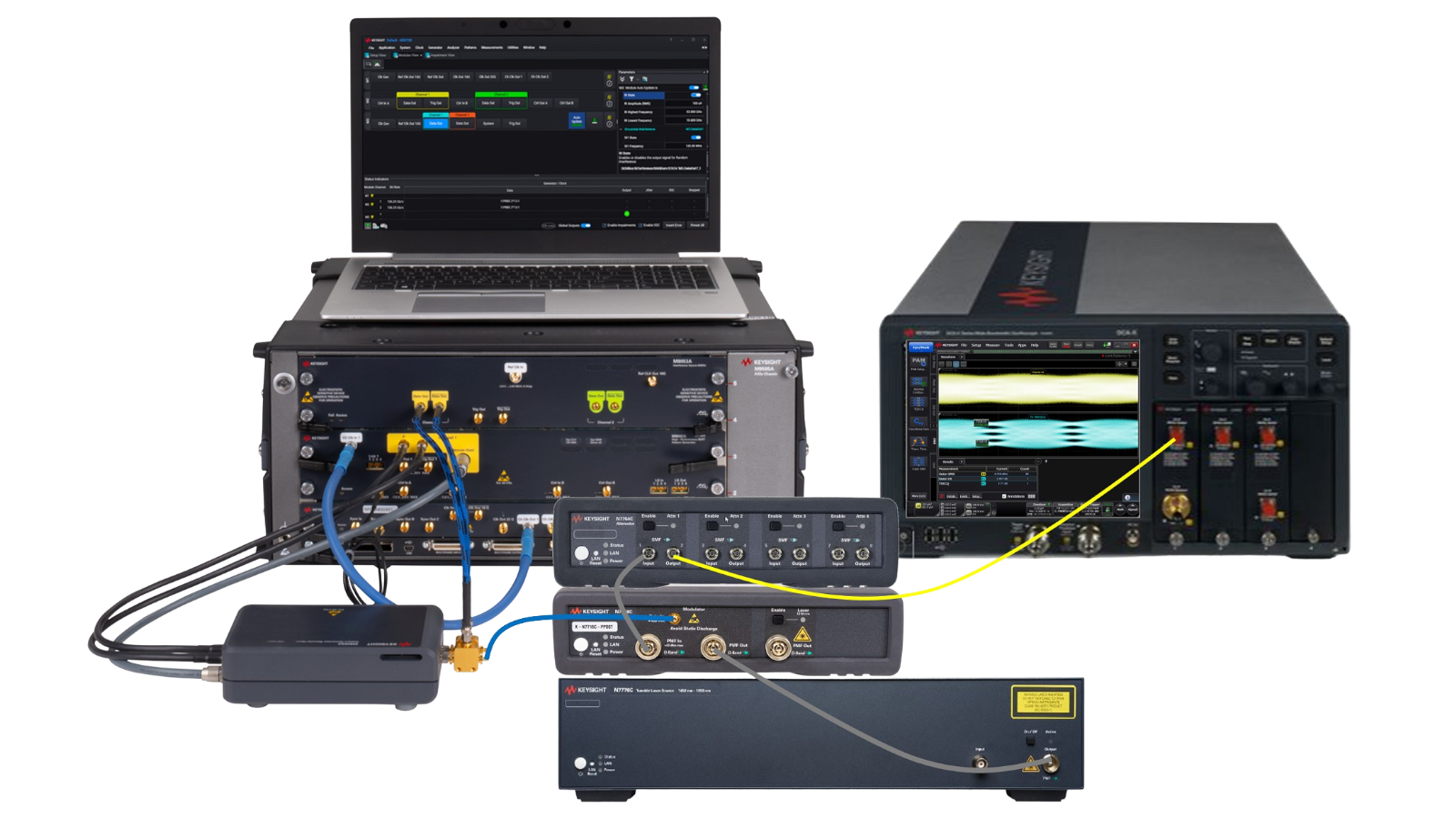
Optical Receiver Sensitivity Characterization Solution
See Block Diagram of Optical Receiver Sensitivity Test Solution

Explore Products in Our Optical Receiver Sensitivity Characterization Solution
-

![]()
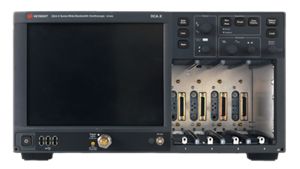
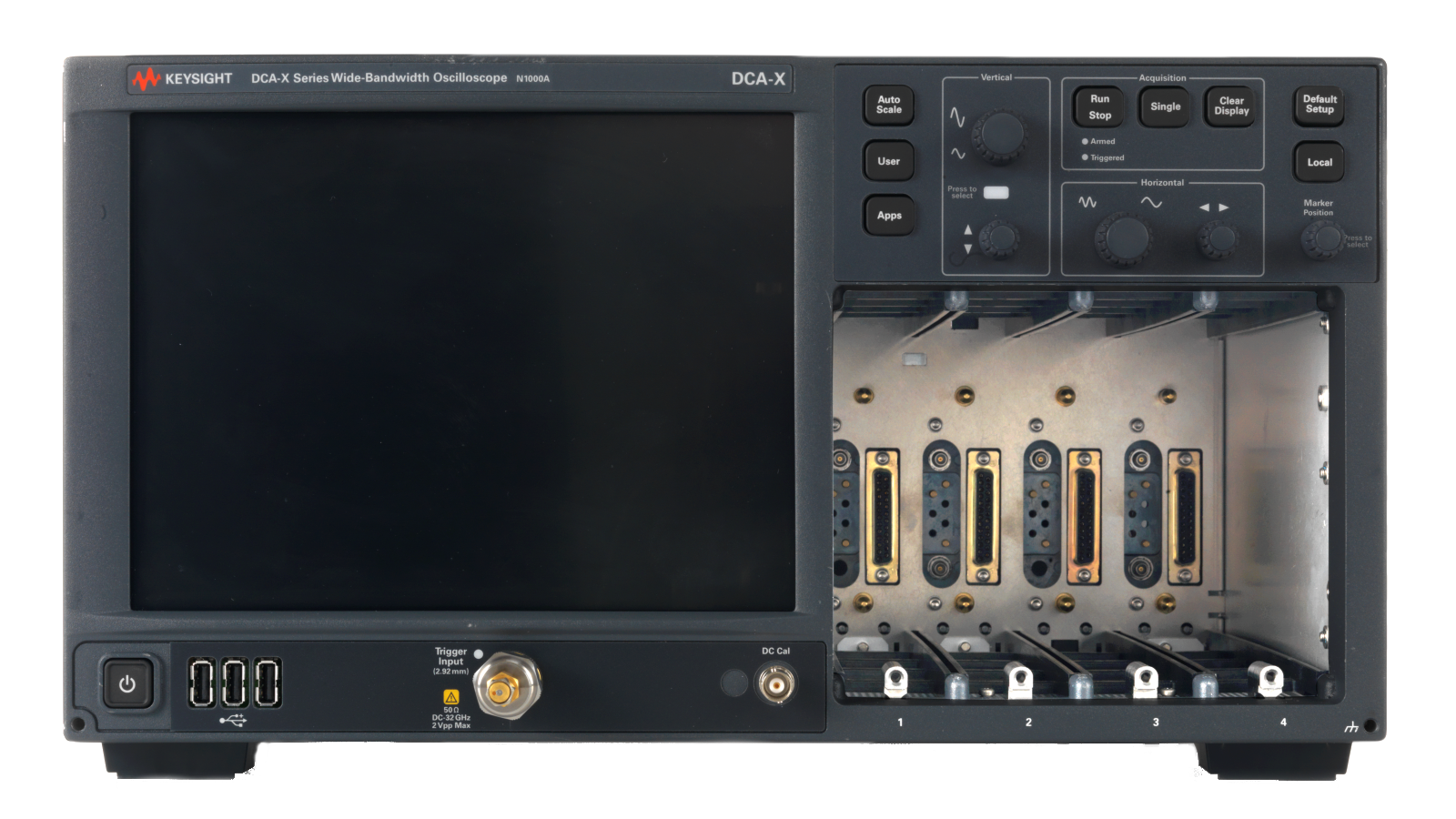
N1000A DCA-X Wide-Bandwidth Oscilloscope Mainframe
-

![]()
M8050A 120 Gbaud High-Performance BERT
-
![]()
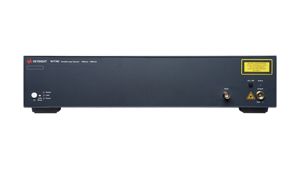
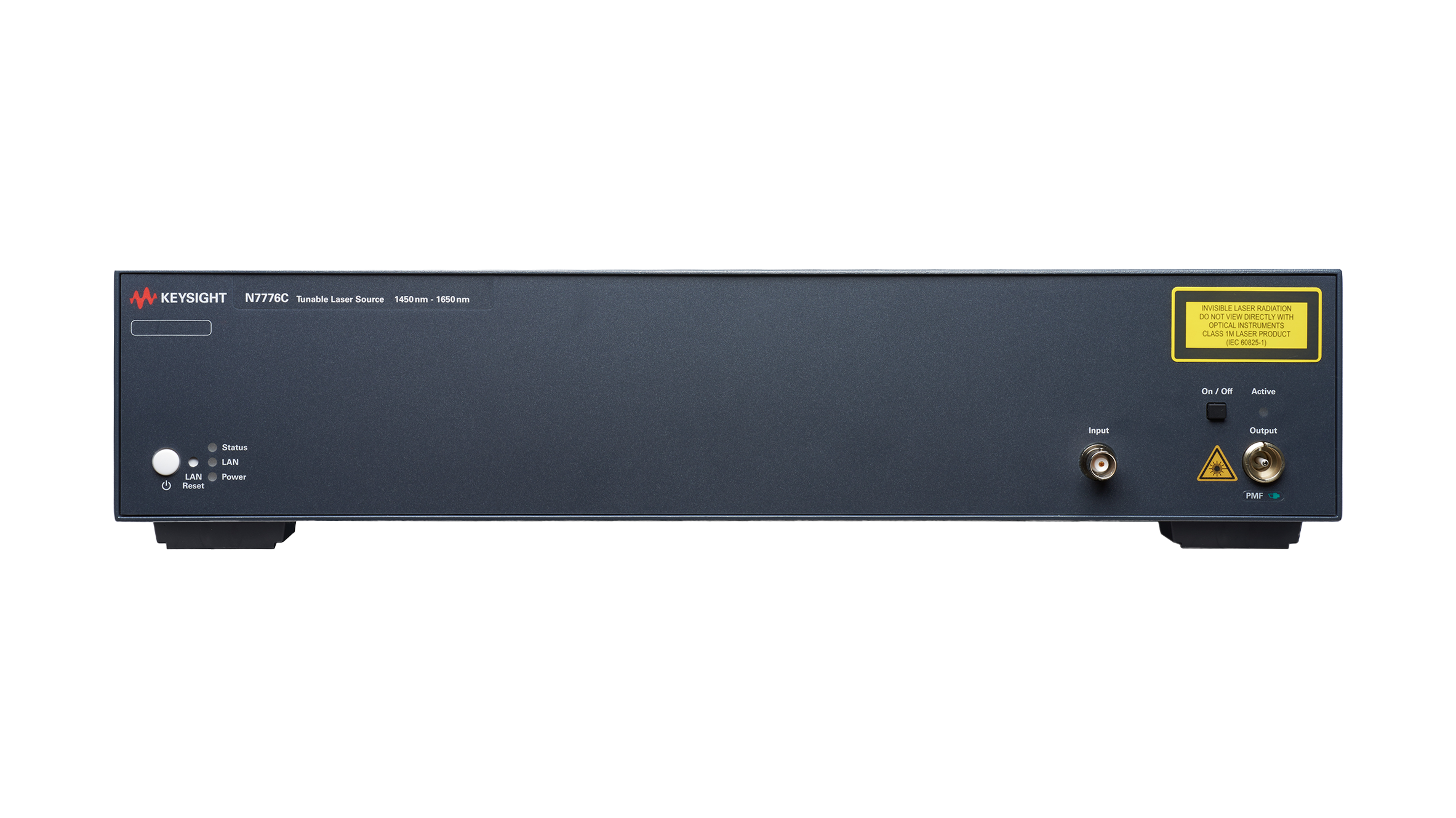
N7776C Tunable Laser Source, High Power and Lowest SSE, Top Line
-
![]()
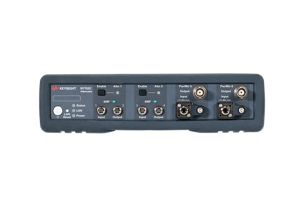
N7752C 2-Channel Optical Attenuator and Power Meter
-

![]()
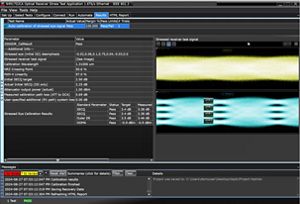
N4917DJCA 1.6T Optical Receiver Test Application
-
![]()
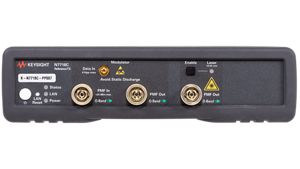
N7718C Optical Reference Transmitter
-

![]()
N1032B 90/120 GHz Dual Channel Optical Module



Discover Resources and Insights
Additional Resources for Optical Receiver Characterization
Related Use Cases


-
![]()
Learn More
How to Calibrate Optical Spectral Test Paths
Correct wavelength-dependent loss and ripple in spectral test paths using Lambda scan calibration to improve insertion-loss accuracy and repeatability.
Learn More

-
![]()
Learn More
How to Generate and Analyze Coherent Optical Waveforms
Generate programmable coherent optical waveforms with synchronized arbitrary waveform generator channels, drive an optical IQ modulator, and analyze the resulting optical signal with a calibrated optical modulation analyzer. The workflow combines waveform generation, coherent detection, digital signal processing, constellation analysis, and modulation-quality measurements for high-baud-rate optical signal development.
Learn More
-
![]()
Learn More
How to Test PCIe® 5.0 Transmitter Compliance
Verifying Peripheral Component Interconnect Express (PCIe®) 5.0 transmitter compliance involves physical layer signal quality and transmitter equalization testing using a high-bandwidth oscilloscope. Learn how to quickly test for compliance using an automated PCIe 5.0 test solution.
Learn More

Get in Touch with One of Our Experts
Need help finding the right solution for you?