Learn More
segmentation:business-unit/CSG,segmentation:product-category/RF_Testing,segmentation:product-category/RF_Testing/Network_Analyzers,segmentation:product-formfactor/Benchtop,segmentation:software-type/Instrument_Software,segmentation:search-relevance-product/hardware,segmentation:search-relevance-product/software,keysight:dtx/solutions/facets/design-and-test-product/network-analyzer,keysight:dtx/solutions/facets/industry/wireless-communications,keysight:dtx/solutions/facets/workflow-stage/functional-test,keysight:dtx/solutions/facets/development-area/rf,segmentation:campaign/RF,segmentation:funnel/tofu,keysight:product-lines/wn,keysight:models/e5/e5081a,keysight:models/n5/n5182b,keysight:models/s9/s960707b,keysight:dtx/solutions/facets/industry/ai-infrastructuresegmentation:business-unit/CSG,segmentation:product-category/RF_Testing,segmentation:product-category/RF_Testing/Network_Analyzers,segmentation:product-formfactor/Benchtop,segmentation:software-type/Instrument_Software,segmentation:search-relevance-product/hardware,segmentation:search-relevance-product/software,keysight:dtx/solutions/facets/design-and-test-product/network-analyzer,keysight:dtx/solutions/facets/industry/wireless-communications,keysight:dtx/solutions/facets/workflow-stage/functional-test,keysight:dtx/solutions/facets/development-area/rf,segmentation:campaign/RF,segmentation:funnel/tofu,keysight:product-lines/wn,keysight:models/e5/e5081a,keysight:models/n5/n5182b,keysight:models/s9/s960707b,keysight:dtx/solutions/facets/industry/ai-infrastructuresegmentation:business-unit/CSG,segmentation:product-category/RF_Testing,segmentation:product-category/RF_Testing/Network_Analyzers,segmentation:product-formfactor/Benchtop,segmentation:software-type/Instrument_Software,segmentation:search-relevance-product/hardware,segmentation:search-relevance-product/software,keysight:dtx/solutions/facets/design-and-test-product/network-analyzer,keysight:dtx/solutions/facets/industry/wireless-communications,keysight:dtx/solutions/facets/workflow-stage/functional-test,keysight:dtx/solutions/facets/development-area/rf,segmentation:campaign/RF,segmentation:funnel/tofu,keysight:product-lines/wn,keysight:models/e5/e5081a,keysight:models/n5/n5182b,keysight:models/s9/s960707b,keysight:dtx/solutions/facets/industry/ai-infrastructuresegmentation:business-unit/CSG,segmentation:product-category/RF_Testing,segmentation:product-category/RF_Testing/Network_Analyzers,segmentation:product-formfactor/Benchtop,segmentation:software-type/Instrument_Software,segmentation:search-relevance-product/hardware,segmentation:search-relevance-product/software,keysight:dtx/solutions/facets/design-and-test-product/network-analyzer,keysight:dtx/solutions/facets/industry/wireless-communications,keysight:dtx/solutions/facets/workflow-stage/functional-test,keysight:dtx/solutions/facets/development-area/rf,segmentation:campaign/RF,segmentation:funnel/tofu,keysight:product-lines/wn,keysight:models/e5/e5081a,keysight:models/n5/n5182b,keysight:models/s9/s960707b,keysight:dtx/solutions/facets/industry/ai-infrastructuresegmentation:business-unit/CSG,segmentation:product-category/RF_Testing,segmentation:product-category/RF_Testing/Network_Analyzers,segmentation:product-formfactor/Benchtop,segmentation:software-type/Instrument_Software,segmentation:search-relevance-product/hardware,segmentation:search-relevance-product/software,keysight:dtx/solutions/facets/design-and-test-product/network-analyzer,keysight:dtx/solutions/facets/industry/wireless-communications,keysight:dtx/solutions/facets/workflow-stage/functional-test,keysight:dtx/solutions/facets/development-area/rf,segmentation:campaign/RF,segmentation:funnel/tofu,keysight:product-lines/wn,keysight:models/e5/e5081a,keysight:models/n5/n5182b,keysight:models/s9/s960707b,keysight:dtx/solutions/facets/industry/ai-infrastructuresegmentation:business-unit/CSG,segmentation:product-category/RF_Testing,segmentation:product-category/RF_Testing/Network_Analyzers,segmentation:product-formfactor/Benchtop,segmentation:software-type/Instrument_Software,segmentation:search-relevance-product/hardware,segmentation:search-relevance-product/software,keysight:dtx/solutions/facets/design-and-test-product/network-analyzer,keysight:dtx/solutions/facets/industry/wireless-communications,keysight:dtx/solutions/facets/workflow-stage/functional-test,keysight:dtx/solutions/facets/development-area/rf,segmentation:campaign/RF,segmentation:funnel/tofu,keysight:product-lines/wn,keysight:models/e5/e5081a,keysight:models/n5/n5182b,keysight:models/s9/s960707b,keysight:dtx/solutions/facets/industry/ai-infrastructuresegmentation:business-unit/CSG,segmentation:product-category/RF_Testing,segmentation:product-category/RF_Testing/Network_Analyzers,segmentation:product-formfactor/Benchtop,segmentation:software-type/Instrument_Software,segmentation:search-relevance-product/hardware,segmentation:search-relevance-product/software,keysight:dtx/solutions/facets/design-and-test-product/network-analyzer,keysight:dtx/solutions/facets/industry/wireless-communications,keysight:dtx/solutions/facets/workflow-stage/functional-test,keysight:dtx/solutions/facets/development-area/rf,segmentation:campaign/RF,segmentation:funnel/tofu,keysight:product-lines/wn,keysight:models/e5/e5081a,keysight:models/n5/n5182b,keysight:models/s9/s960707b,keysight:dtx/solutions/facets/industry/ai-infrastructuresegmentation:business-unit/CSG,segmentation:product-category/RF_Testing,segmentation:product-category/RF_Testing/Network_Analyzers,segmentation:product-formfactor/Benchtop,segmentation:software-type/Instrument_Software,segmentation:search-relevance-product/hardware,segmentation:search-relevance-product/software,keysight:dtx/solutions/facets/design-and-test-product/network-analyzer,keysight:dtx/solutions/facets/industry/wireless-communications,keysight:dtx/solutions/facets/workflow-stage/functional-test,keysight:dtx/solutions/facets/development-area/rf,segmentation:campaign/RF,segmentation:funnel/tofu,keysight:product-lines/wn,keysight:models/e5/e5081a,keysight:models/n5/n5182b,keysight:models/s9/s960707b,keysight:dtx/solutions/facets/industry/ai-infrastructuresegmentation:business-unit/CSG,segmentation:product-category/RF_Testing,segmentation:product-category/RF_Testing/Network_Analyzers,segmentation:product-formfactor/Benchtop,segmentation:software-type/Instrument_Software,segmentation:search-relevance-product/hardware,segmentation:search-relevance-product/software,keysight:dtx/solutions/facets/design-and-test-product/network-analyzer,keysight:dtx/solutions/facets/industry/wireless-communications,keysight:dtx/solutions/facets/workflow-stage/functional-test,keysight:dtx/solutions/facets/development-area/rf,segmentation:campaign/RF,segmentation:funnel/tofu,keysight:product-lines/wn,keysight:models/e5/e5081a,keysight:models/n5/n5182b,keysight:models/s9/s960707b,keysight:dtx/solutions/facets/industry/ai-infrastructuresegmentation:business-unit/CSG,segmentation:product-category/RF_Testing,segmentation:product-category/RF_Testing/Network_Analyzers,segmentation:product-formfactor/Benchtop,segmentation:software-type/Instrument_Software,segmentation:search-relevance-product/hardware,segmentation:search-relevance-product/software,keysight:dtx/solutions/facets/design-and-test-product/network-analyzer,keysight:dtx/solutions/facets/industry/wireless-communications,keysight:dtx/solutions/facets/workflow-stage/functional-test,keysight:dtx/solutions/facets/development-area/rf,segmentation:campaign/RF,segmentation:funnel/tofu,keysight:product-lines/wn,keysight:models/e5/e5081a,keysight:models/n5/n5182b,keysight:models/s9/s960707b,keysight:dtx/solutions/facets/industry/ai-infrastructuresegmentation:business-unit/CSG,segmentation:product-category/RF_Testing,segmentation:product-category/RF_Testing/Network_Analyzers,segmentation:product-formfactor/Benchtop,segmentation:software-type/Instrument_Software,segmentation:search-relevance-product/hardware,segmentation:search-relevance-product/software,keysight:dtx/solutions/facets/design-and-test-product/network-analyzer,keysight:dtx/solutions/facets/industry/wireless-communications,keysight:dtx/solutions/facets/workflow-stage/functional-test,keysight:dtx/solutions/facets/development-area/rf,segmentation:campaign/RF,segmentation:funnel/tofu,keysight:product-lines/wn,keysight:models/e5/e5081a,keysight:models/n5/n5182b,keysight:models/s9/s960707b,keysight:dtx/solutions/facets/industry/ai-infrastructuresegmentation:business-unit/CSG,segmentation:product-category/RF_Testing,segmentation:product-category/RF_Testing/Network_Analyzers,segmentation:product-formfactor/Benchtop,segmentation:software-type/Instrument_Software,segmentation:search-relevance-product/hardware,segmentation:search-relevance-product/software,keysight:dtx/solutions/facets/design-and-test-product/network-analyzer,keysight:dtx/solutions/facets/industry/wireless-communications,keysight:dtx/solutions/facets/workflow-stage/functional-test,keysight:dtx/solutions/facets/development-area/rf,segmentation:campaign/RF,segmentation:funnel/tofu,keysight:product-lines/wn,keysight:models/e5/e5081a,keysight:models/n5/n5182b,keysight:models/s9/s960707b,keysight:dtx/solutions/facets/industry/ai-infrastructuresegmentation:business-unit/CSG,segmentation:product-category/RF_Testing,segmentation:product-category/RF_Testing/Network_Analyzers,segmentation:product-formfactor/Benchtop,segmentation:software-type/Instrument_Software,segmentation:search-relevance-product/hardware,segmentation:search-relevance-product/software,keysight:dtx/solutions/facets/design-and-test-product/network-analyzer,keysight:dtx/solutions/facets/industry/wireless-communications,keysight:dtx/solutions/facets/workflow-stage/functional-test,keysight:dtx/solutions/facets/development-area/rf,segmentation:campaign/RF,segmentation:funnel/tofu,keysight:product-lines/wn,keysight:models/e5/e5081a,keysight:models/n5/n5182b,keysight:models/s9/s960707b,keysight:dtx/solutions/facets/industry/ai-infrastructuresegmentation:business-unit/CSG,segmentation:product-category/RF_Testing,segmentation:product-category/RF_Testing/Network_Analyzers,segmentation:product-formfactor/Benchtop,segmentation:software-type/Instrument_Software,segmentation:search-relevance-product/hardware,segmentation:search-relevance-product/software,keysight:dtx/solutions/facets/design-and-test-product/network-analyzer,keysight:dtx/solutions/facets/industry/wireless-communications,keysight:dtx/solutions/facets/workflow-stage/functional-test,keysight:dtx/solutions/facets/development-area/rf,segmentation:campaign/RF,segmentation:funnel/tofu,keysight:product-lines/wn,keysight:models/e5/e5081a,keysight:models/n5/n5182b,keysight:models/s9/s960707b,keysight:dtx/solutions/facets/industry/ai-infrastructuresegmentation:business-unit/CSG,segmentation:product-category/RF_Testing,segmentation:product-category/RF_Testing/Network_Analyzers,segmentation:product-formfactor/Benchtop,segmentation:software-type/Instrument_Software,segmentation:search-relevance-product/hardware,segmentation:search-relevance-product/software,keysight:dtx/solutions/facets/design-and-test-product/network-analyzer,keysight:dtx/solutions/facets/industry/wireless-communications,keysight:dtx/solutions/facets/workflow-stage/functional-test,keysight:dtx/solutions/facets/development-area/rf,segmentation:campaign/RF,segmentation:funnel/tofu,keysight:product-lines/wn,keysight:models/e5/e5081a,keysight:models/n5/n5182b,keysight:models/s9/s960707b,keysight:dtx/solutions/facets/industry/ai-infrastructuresegmentation:business-unit/CSG,segmentation:product-category/RF_Testing,segmentation:product-category/RF_Testing/Network_Analyzers,segmentation:product-formfactor/Benchtop,segmentation:software-type/Instrument_Software,segmentation:search-relevance-product/hardware,segmentation:search-relevance-product/software,keysight:dtx/solutions/facets/design-and-test-product/network-analyzer,keysight:dtx/solutions/facets/industry/wireless-communications,keysight:dtx/solutions/facets/workflow-stage/functional-test,keysight:dtx/solutions/facets/development-area/rf,segmentation:campaign/RF,segmentation:funnel/tofu,keysight:product-lines/wn,keysight:models/e5/e5081a,keysight:models/n5/n5182b,keysight:models/s9/s960707b,keysight:dtx/solutions/facets/industry/ai-infrastructuresegmentation:business-unit/CSG,segmentation:product-category/RF_Testing,segmentation:product-category/RF_Testing/Network_Analyzers,segmentation:product-formfactor/Benchtop,segmentation:software-type/Instrument_Software,segmentation:search-relevance-product/hardware,segmentation:search-relevance-product/software,keysight:dtx/solutions/facets/design-and-test-product/network-analyzer,keysight:dtx/solutions/facets/industry/wireless-communications,keysight:dtx/solutions/facets/workflow-stage/functional-test,keysight:dtx/solutions/facets/development-area/rf,segmentation:campaign/RF,segmentation:funnel/tofu,keysight:product-lines/wn,keysight:models/e5/e5081a,keysight:models/n5/n5182b,keysight:models/s9/s960707b,keysight:dtx/solutions/facets/industry/ai-infrastructuresegmentation:business-unit/CSG,segmentation:product-category/RF_Testing,segmentation:product-category/RF_Testing/Network_Analyzers,segmentation:product-formfactor/Benchtop,segmentation:software-type/Instrument_Software,segmentation:search-relevance-product/hardware,segmentation:search-relevance-product/software,keysight:dtx/solutions/facets/design-and-test-product/network-analyzer,keysight:dtx/solutions/facets/industry/wireless-communications,keysight:dtx/solutions/facets/workflow-stage/functional-test,keysight:dtx/solutions/facets/development-area/rf,segmentation:campaign/RF,segmentation:funnel/tofu,keysight:product-lines/wn,keysight:models/e5/e5081a,keysight:models/n5/n5182b,keysight:models/s9/s960707b,keysight:dtx/solutions/facets/industry/ai-infrastructure
How to Test Power Amplifiers with Modulated Signals
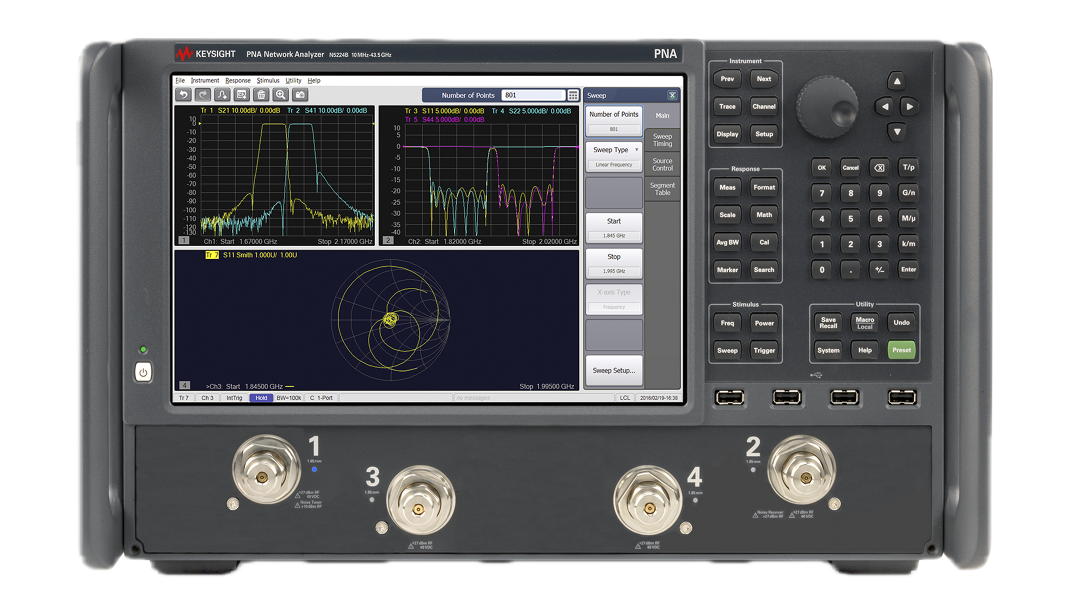
Accelerating your 5G NR power amplifier development while ensuring conformance to stringent EVM standards requires a consolidated test setup. Learn how to conduct high-power network and modulation distortion analysis up to 44 GHz using the E5081A ENA-X network analyzer.
Learn More