Learn More
keysight:models/pz,keysight:product-lines/1h,segmentation:product-formfactor/Modular,segmentation:product-category/IC_Semi_Mfg/Semiconductor_Test,segmentation:funnel/tofu,segmentation:campaign/IC_Semi_Mfg,keysight:dtx/solutions/facets/development-area/power,keysight:dtx/solutions/facets/workflow-stage/functional-test,keysight:dtx/solutions/facets/industry/semiconductor,segmentation:product-category/IC_Semi_Mfg,segmentation:business-unit/EISG,keysight:dtx/solutions/facets/design-and-test-product/power-supply,keysight:models/pz/pz2100a,keysight:models/pw/pw9251akeysight:models/pz,keysight:product-lines/1h,segmentation:product-formfactor/Modular,segmentation:product-category/IC_Semi_Mfg/Semiconductor_Test,segmentation:funnel/tofu,segmentation:campaign/IC_Semi_Mfg,keysight:dtx/solutions/facets/development-area/power,keysight:dtx/solutions/facets/workflow-stage/functional-test,keysight:dtx/solutions/facets/industry/semiconductor,segmentation:product-category/IC_Semi_Mfg,segmentation:business-unit/EISG,keysight:dtx/solutions/facets/design-and-test-product/power-supply,keysight:models/pz/pz2100a,keysight:models/pw/pw9251akeysight:models/pz,keysight:product-lines/1h,segmentation:product-formfactor/Modular,segmentation:product-category/IC_Semi_Mfg/Semiconductor_Test,segmentation:funnel/tofu,segmentation:campaign/IC_Semi_Mfg,keysight:dtx/solutions/facets/development-area/power,keysight:dtx/solutions/facets/workflow-stage/functional-test,keysight:dtx/solutions/facets/industry/semiconductor,segmentation:product-category/IC_Semi_Mfg,segmentation:business-unit/EISG,keysight:dtx/solutions/facets/design-and-test-product/power-supply,keysight:models/pz/pz2100a,keysight:models/pw/pw9251akeysight:models/pz,keysight:product-lines/1h,segmentation:product-formfactor/Modular,segmentation:product-category/IC_Semi_Mfg/Semiconductor_Test,segmentation:funnel/tofu,segmentation:campaign/IC_Semi_Mfg,keysight:dtx/solutions/facets/development-area/power,keysight:dtx/solutions/facets/workflow-stage/functional-test,keysight:dtx/solutions/facets/industry/semiconductor,segmentation:product-category/IC_Semi_Mfg,segmentation:business-unit/EISG,keysight:dtx/solutions/facets/design-and-test-product/power-supply,keysight:models/pz/pz2100a,keysight:models/pw/pw9251akeysight:models/pz,keysight:product-lines/1h,segmentation:product-formfactor/Modular,segmentation:product-category/IC_Semi_Mfg/Semiconductor_Test,segmentation:funnel/tofu,segmentation:campaign/IC_Semi_Mfg,keysight:dtx/solutions/facets/development-area/power,keysight:dtx/solutions/facets/workflow-stage/functional-test,keysight:dtx/solutions/facets/industry/semiconductor,segmentation:product-category/IC_Semi_Mfg,segmentation:business-unit/EISG,keysight:dtx/solutions/facets/design-and-test-product/power-supply,keysight:models/pz/pz2100a,keysight:models/pw/pw9251akeysight:models/pz,keysight:product-lines/1h,segmentation:product-formfactor/Modular,segmentation:product-category/IC_Semi_Mfg/Semiconductor_Test,segmentation:funnel/tofu,segmentation:campaign/IC_Semi_Mfg,keysight:dtx/solutions/facets/development-area/power,keysight:dtx/solutions/facets/workflow-stage/functional-test,keysight:dtx/solutions/facets/industry/semiconductor,segmentation:product-category/IC_Semi_Mfg,segmentation:business-unit/EISG,keysight:dtx/solutions/facets/design-and-test-product/power-supply,keysight:models/pz/pz2100a,keysight:models/pw/pw9251akeysight:models/pz,keysight:product-lines/1h,segmentation:product-formfactor/Modular,segmentation:product-category/IC_Semi_Mfg/Semiconductor_Test,segmentation:funnel/tofu,segmentation:campaign/IC_Semi_Mfg,keysight:dtx/solutions/facets/development-area/power,keysight:dtx/solutions/facets/workflow-stage/functional-test,keysight:dtx/solutions/facets/industry/semiconductor,segmentation:product-category/IC_Semi_Mfg,segmentation:business-unit/EISG,keysight:dtx/solutions/facets/design-and-test-product/power-supply,keysight:models/pz/pz2100a,keysight:models/pw/pw9251akeysight:models/pz,keysight:product-lines/1h,segmentation:product-formfactor/Modular,segmentation:product-category/IC_Semi_Mfg/Semiconductor_Test,segmentation:funnel/tofu,segmentation:campaign/IC_Semi_Mfg,keysight:dtx/solutions/facets/development-area/power,keysight:dtx/solutions/facets/workflow-stage/functional-test,keysight:dtx/solutions/facets/industry/semiconductor,segmentation:product-category/IC_Semi_Mfg,segmentation:business-unit/EISG,keysight:dtx/solutions/facets/design-and-test-product/power-supply,keysight:models/pz/pz2100a,keysight:models/pw/pw9251akeysight:models/pz,keysight:product-lines/1h,segmentation:product-formfactor/Modular,segmentation:product-category/IC_Semi_Mfg/Semiconductor_Test,segmentation:funnel/tofu,segmentation:campaign/IC_Semi_Mfg,keysight:dtx/solutions/facets/development-area/power,keysight:dtx/solutions/facets/workflow-stage/functional-test,keysight:dtx/solutions/facets/industry/semiconductor,segmentation:product-category/IC_Semi_Mfg,segmentation:business-unit/EISG,keysight:dtx/solutions/facets/design-and-test-product/power-supply,keysight:models/pz/pz2100a,keysight:models/pw/pw9251akeysight:models/pz,keysight:product-lines/1h,segmentation:product-formfactor/Modular,segmentation:product-category/IC_Semi_Mfg/Semiconductor_Test,segmentation:funnel/tofu,segmentation:campaign/IC_Semi_Mfg,keysight:dtx/solutions/facets/development-area/power,keysight:dtx/solutions/facets/workflow-stage/functional-test,keysight:dtx/solutions/facets/industry/semiconductor,segmentation:product-category/IC_Semi_Mfg,segmentation:business-unit/EISG,keysight:dtx/solutions/facets/design-and-test-product/power-supply,keysight:models/pz/pz2100a,keysight:models/pw/pw9251akeysight:models/pz,keysight:product-lines/1h,segmentation:product-formfactor/Modular,segmentation:product-category/IC_Semi_Mfg/Semiconductor_Test,segmentation:funnel/tofu,segmentation:campaign/IC_Semi_Mfg,keysight:dtx/solutions/facets/development-area/power,keysight:dtx/solutions/facets/workflow-stage/functional-test,keysight:dtx/solutions/facets/industry/semiconductor,segmentation:product-category/IC_Semi_Mfg,segmentation:business-unit/EISG,keysight:dtx/solutions/facets/design-and-test-product/power-supply,keysight:models/pz/pz2100a,keysight:models/pw/pw9251akeysight:models/pz,keysight:product-lines/1h,segmentation:product-formfactor/Modular,segmentation:product-category/IC_Semi_Mfg/Semiconductor_Test,segmentation:funnel/tofu,segmentation:campaign/IC_Semi_Mfg,keysight:dtx/solutions/facets/development-area/power,keysight:dtx/solutions/facets/workflow-stage/functional-test,keysight:dtx/solutions/facets/industry/semiconductor,segmentation:product-category/IC_Semi_Mfg,segmentation:business-unit/EISG,keysight:dtx/solutions/facets/design-and-test-product/power-supply,keysight:models/pz/pz2100a,keysight:models/pw/pw9251akeysight:models/pz,keysight:product-lines/1h,segmentation:product-formfactor/Modular,segmentation:product-category/IC_Semi_Mfg/Semiconductor_Test,segmentation:funnel/tofu,segmentation:campaign/IC_Semi_Mfg,keysight:dtx/solutions/facets/development-area/power,keysight:dtx/solutions/facets/workflow-stage/functional-test,keysight:dtx/solutions/facets/industry/semiconductor,segmentation:product-category/IC_Semi_Mfg,segmentation:business-unit/EISG,keysight:dtx/solutions/facets/design-and-test-product/power-supply,keysight:models/pz/pz2100a,keysight:models/pw/pw9251akeysight:models/pz,keysight:product-lines/1h,segmentation:product-formfactor/Modular,segmentation:product-category/IC_Semi_Mfg/Semiconductor_Test,segmentation:funnel/tofu,segmentation:campaign/IC_Semi_Mfg,keysight:dtx/solutions/facets/development-area/power,keysight:dtx/solutions/facets/workflow-stage/functional-test,keysight:dtx/solutions/facets/industry/semiconductor,segmentation:product-category/IC_Semi_Mfg,segmentation:business-unit/EISG,keysight:dtx/solutions/facets/design-and-test-product/power-supply,keysight:models/pz/pz2100a,keysight:models/pw/pw9251a
How to Characterize Low-Power Integrated Circuits
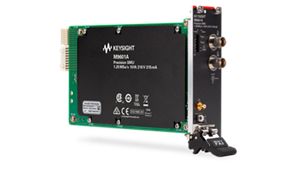
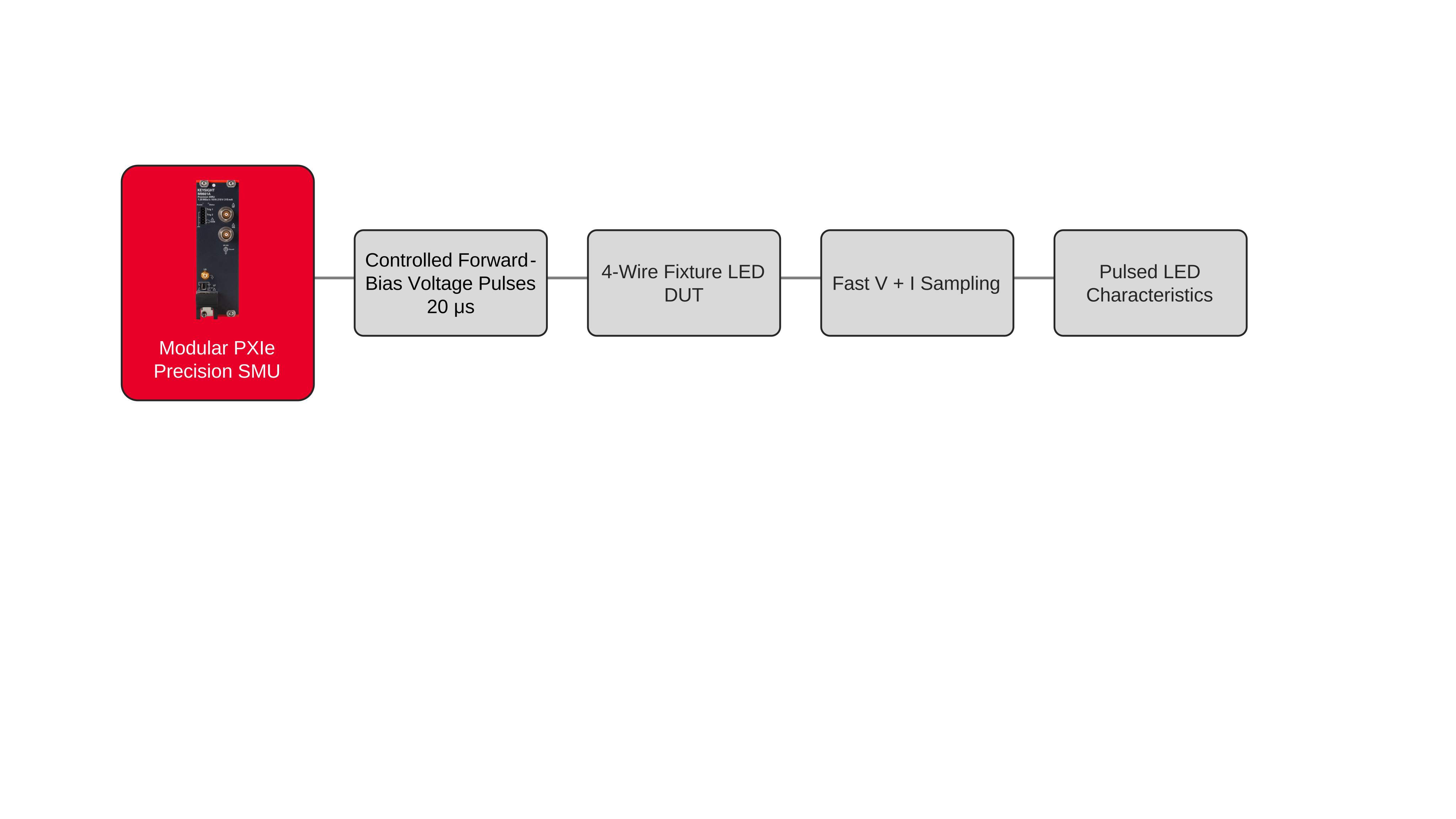
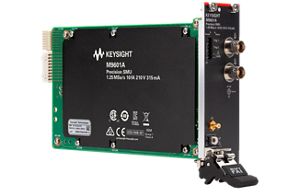
Measuring the current / voltage characteristics of a low-power IC requires a variety of basic instruments including multiple power supplies, digital multimeters (DMMs), pulse generators, and digitizers. Learn how to characterize low-power ICs efficiently and quickly using a single source / measure unit (SMU).
Learn More