Learn More
segmentation:campaign/RF,segmentation:campaign/EDA_Software,segmentation:product-category/EDA_Software,keysight:dtx/solutions/facets/design-and-test-product/layout-software,keysight:hierarchy/products/software/pathwave-design-software,segmentation:product-category/EDA_Software/Circuit_Design_Software,keysight:dtx/solutions/facets/workflow-stage/design,keysight:dtx/solutions/facets/industry/semiconductor,keysight:hierarchy/industries/semiconductor0,keysight:product-lines/4w,segmentation:funnel/bofu,keysight:dtx/solutions/facets/development-area/rf,keysight:models/w7/w7008esegmentation:campaign/RF,segmentation:campaign/EDA_Software,segmentation:product-category/EDA_Software,keysight:dtx/solutions/facets/design-and-test-product/layout-software,keysight:hierarchy/products/software/pathwave-design-software,segmentation:product-category/EDA_Software/Circuit_Design_Software,keysight:dtx/solutions/facets/workflow-stage/design,keysight:dtx/solutions/facets/industry/semiconductor,keysight:hierarchy/industries/semiconductor0,keysight:product-lines/4w,segmentation:funnel/bofu,keysight:dtx/solutions/facets/development-area/rf,keysight:models/w7/w7008esegmentation:campaign/RF,segmentation:campaign/EDA_Software,segmentation:product-category/EDA_Software,keysight:dtx/solutions/facets/design-and-test-product/layout-software,keysight:hierarchy/products/software/pathwave-design-software,segmentation:product-category/EDA_Software/Circuit_Design_Software,keysight:dtx/solutions/facets/workflow-stage/design,keysight:dtx/solutions/facets/industry/semiconductor,keysight:hierarchy/industries/semiconductor0,keysight:product-lines/4w,segmentation:funnel/bofu,keysight:dtx/solutions/facets/development-area/rf,keysight:models/w7/w7008esegmentation:campaign/RF,segmentation:campaign/EDA_Software,segmentation:product-category/EDA_Software,keysight:dtx/solutions/facets/design-and-test-product/layout-software,keysight:hierarchy/products/software/pathwave-design-software,segmentation:product-category/EDA_Software/Circuit_Design_Software,keysight:dtx/solutions/facets/workflow-stage/design,keysight:dtx/solutions/facets/industry/semiconductor,keysight:hierarchy/industries/semiconductor0,keysight:product-lines/4w,segmentation:funnel/bofu,keysight:dtx/solutions/facets/development-area/rf,keysight:models/w7/w7008esegmentation:campaign/RF,segmentation:campaign/EDA_Software,segmentation:product-category/EDA_Software,keysight:dtx/solutions/facets/design-and-test-product/layout-software,keysight:hierarchy/products/software/pathwave-design-software,segmentation:product-category/EDA_Software/Circuit_Design_Software,keysight:dtx/solutions/facets/workflow-stage/design,keysight:dtx/solutions/facets/industry/semiconductor,keysight:hierarchy/industries/semiconductor0,keysight:product-lines/4w,segmentation:funnel/bofu,keysight:dtx/solutions/facets/development-area/rf,keysight:models/w7/w7008esegmentation:campaign/RF,segmentation:campaign/EDA_Software,segmentation:product-category/EDA_Software,keysight:dtx/solutions/facets/design-and-test-product/layout-software,keysight:hierarchy/products/software/pathwave-design-software,segmentation:product-category/EDA_Software/Circuit_Design_Software,keysight:dtx/solutions/facets/workflow-stage/design,keysight:dtx/solutions/facets/industry/semiconductor,keysight:hierarchy/industries/semiconductor0,keysight:product-lines/4w,segmentation:funnel/bofu,keysight:dtx/solutions/facets/development-area/rf,keysight:models/w7/w7008esegmentation:campaign/RF,segmentation:campaign/EDA_Software,segmentation:product-category/EDA_Software,keysight:dtx/solutions/facets/design-and-test-product/layout-software,keysight:hierarchy/products/software/pathwave-design-software,segmentation:product-category/EDA_Software/Circuit_Design_Software,keysight:dtx/solutions/facets/workflow-stage/design,keysight:dtx/solutions/facets/industry/semiconductor,keysight:hierarchy/industries/semiconductor0,keysight:product-lines/4w,segmentation:funnel/bofu,keysight:dtx/solutions/facets/development-area/rf,keysight:models/w7/w7008esegmentation:campaign/RF,segmentation:campaign/EDA_Software,segmentation:product-category/EDA_Software,keysight:dtx/solutions/facets/design-and-test-product/layout-software,keysight:hierarchy/products/software/pathwave-design-software,segmentation:product-category/EDA_Software/Circuit_Design_Software,keysight:dtx/solutions/facets/workflow-stage/design,keysight:dtx/solutions/facets/industry/semiconductor,keysight:hierarchy/industries/semiconductor0,keysight:product-lines/4w,segmentation:funnel/bofu,keysight:dtx/solutions/facets/development-area/rf,keysight:models/w7/w7008esegmentation:campaign/RF,segmentation:campaign/EDA_Software,segmentation:product-category/EDA_Software,keysight:dtx/solutions/facets/design-and-test-product/layout-software,keysight:hierarchy/products/software/pathwave-design-software,segmentation:product-category/EDA_Software/Circuit_Design_Software,keysight:dtx/solutions/facets/workflow-stage/design,keysight:dtx/solutions/facets/industry/semiconductor,keysight:hierarchy/industries/semiconductor0,keysight:product-lines/4w,segmentation:funnel/bofu,keysight:dtx/solutions/facets/development-area/rf,keysight:models/w7/w7008esegmentation:campaign/RF,segmentation:campaign/EDA_Software,segmentation:product-category/EDA_Software,keysight:dtx/solutions/facets/design-and-test-product/layout-software,keysight:hierarchy/products/software/pathwave-design-software,segmentation:product-category/EDA_Software/Circuit_Design_Software,keysight:dtx/solutions/facets/workflow-stage/design,keysight:dtx/solutions/facets/industry/semiconductor,keysight:hierarchy/industries/semiconductor0,keysight:product-lines/4w,segmentation:funnel/bofu,keysight:dtx/solutions/facets/development-area/rf,keysight:models/w7/w7008esegmentation:campaign/RF,segmentation:campaign/EDA_Software,segmentation:product-category/EDA_Software,keysight:dtx/solutions/facets/design-and-test-product/layout-software,keysight:hierarchy/products/software/pathwave-design-software,segmentation:product-category/EDA_Software/Circuit_Design_Software,keysight:dtx/solutions/facets/workflow-stage/design,keysight:dtx/solutions/facets/industry/semiconductor,keysight:hierarchy/industries/semiconductor0,keysight:product-lines/4w,segmentation:funnel/bofu,keysight:dtx/solutions/facets/development-area/rf,keysight:models/w7/w7008esegmentation:campaign/RF,segmentation:campaign/EDA_Software,segmentation:product-category/EDA_Software,keysight:dtx/solutions/facets/design-and-test-product/layout-software,keysight:hierarchy/products/software/pathwave-design-software,segmentation:product-category/EDA_Software/Circuit_Design_Software,keysight:dtx/solutions/facets/workflow-stage/design,keysight:dtx/solutions/facets/industry/semiconductor,keysight:hierarchy/industries/semiconductor0,keysight:product-lines/4w,segmentation:funnel/bofu,keysight:dtx/solutions/facets/development-area/rf,keysight:models/w7/w7008esegmentation:campaign/RF,segmentation:campaign/EDA_Software,segmentation:product-category/EDA_Software,keysight:dtx/solutions/facets/design-and-test-product/layout-software,keysight:hierarchy/products/software/pathwave-design-software,segmentation:product-category/EDA_Software/Circuit_Design_Software,keysight:dtx/solutions/facets/workflow-stage/design,keysight:dtx/solutions/facets/industry/semiconductor,keysight:hierarchy/industries/semiconductor0,keysight:product-lines/4w,segmentation:funnel/bofu,keysight:dtx/solutions/facets/development-area/rf,keysight:models/w7/w7008e
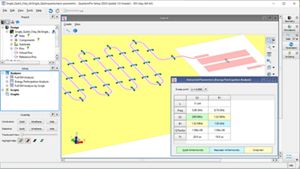
How to Automate Device Model Parameter Extraction and Re-Centering
Automate device model parameter extraction and model re-centering using machine learning to explore broad parameter ranges, fit multiple targets, and reduce required model simulations.
Learn More