











- Overview
- All Models
- Support
Pure and precise signal generation
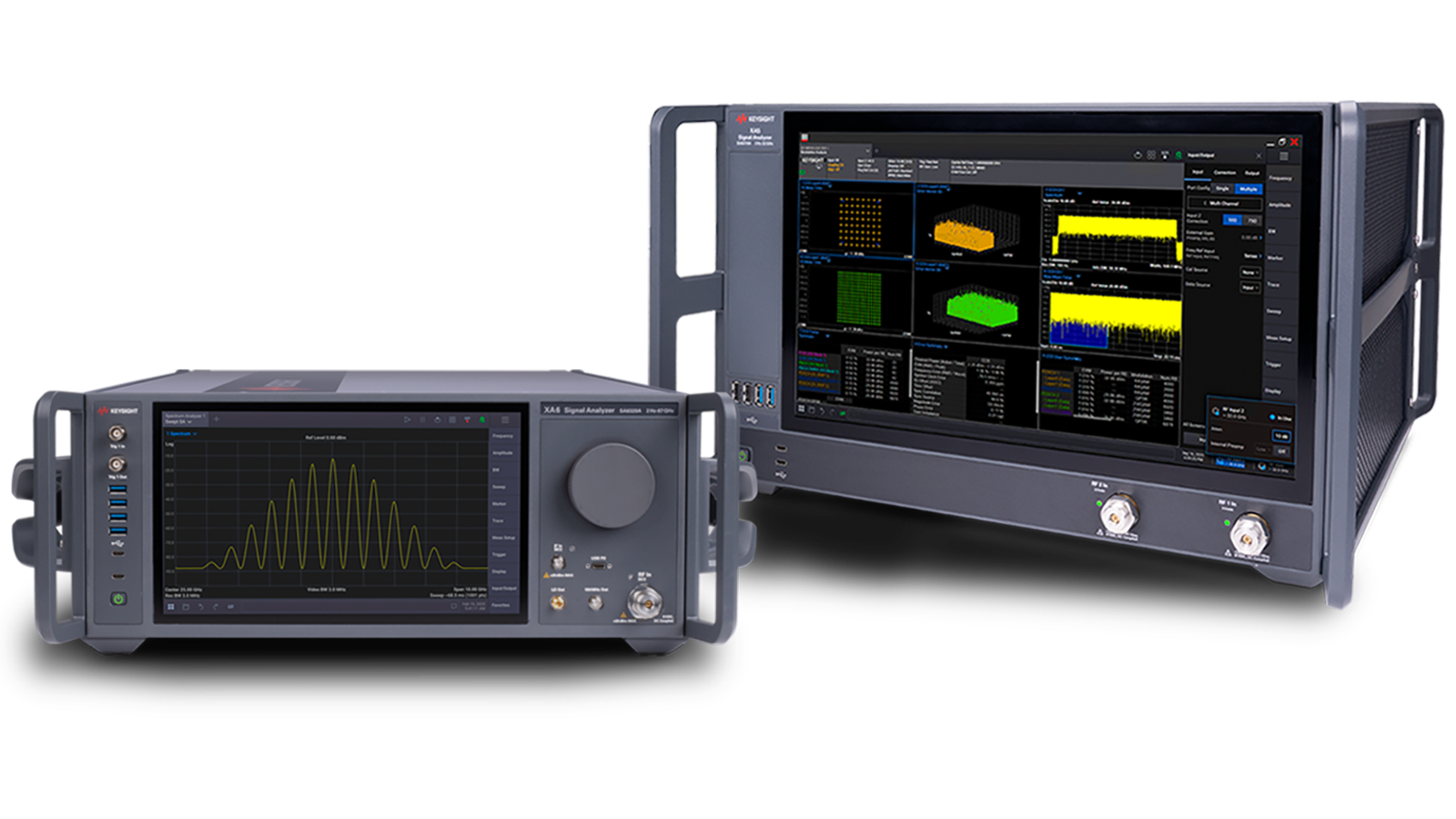
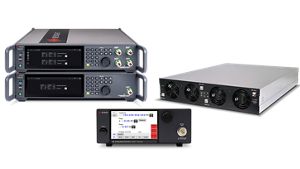
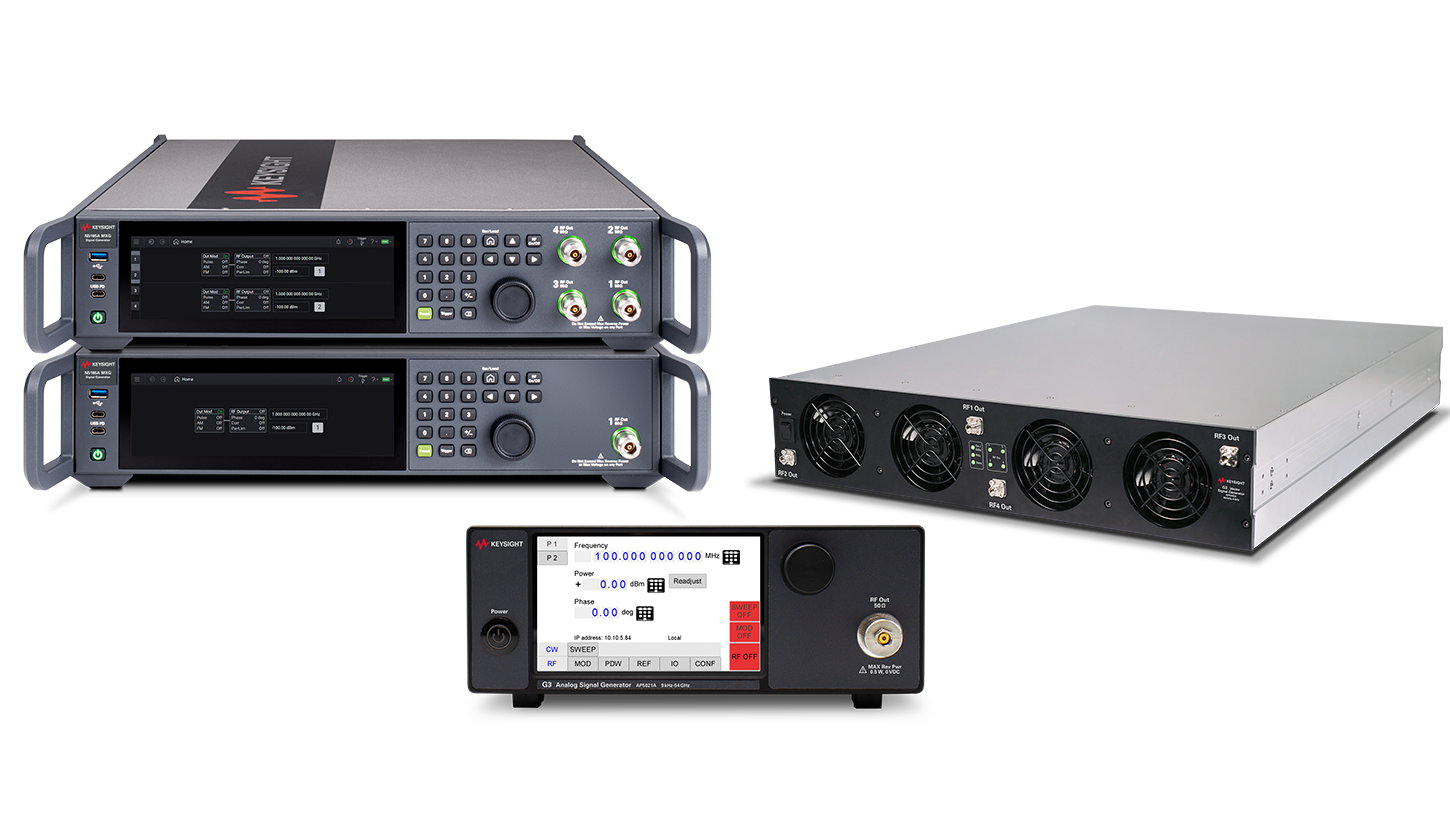
Keysight Expert analog signal generators come in two classes. The XG5-class includes the N5185A, N5181B, and N5183B MXG, and the AP5021A and AP5022A compact signal generators. The XG6-class includes the AP5031A and AP5032A compact signal generators. Expert analog signal generators build upon the capabilities of our Essential models to support a wider max frequency range and lower phase noise. Compact Expert models support a max frequency up to 54 GHz and ultra-fast switching speeds as low as 3 microseconds. Expert models are available in multichannel configurations and offer enhanced features like DDS to generate precise, low-distortion signals and an embedded reflectometer to automate DUT match correction. Choose one of our most popular configurations or build the one you need for your application. Need help selecting? Check out the resources below.
Ultra-low phase noise
Ensure the signal stability and purity required for demanding radar, analog-to-digital converter (ADC), and receiver-blocking tests with ultra-low phase noise.
Low harmonic distortion
Pure signal generation with low harmonic distortion reduces interference, improving signal integrity, and enabling more accurate RF measurements.
Ultra-fast switching speed
Achieve more accurate and dynamic signal simulation with switching speeds ranging from 800 µs to 15 µs, enabling precise replication of real-world RF environments.
Flexible configurations
Choose the right number of channels for your application, from a compact, single-channel model to a multichannel unit ideal for multiport receiver testing.

-
Maximum frequency
8.5 GHz to 90 GHz
-
Number of outputs
1 to 4
-
Phase noise @1 GHz (20 kHz offset)
-150 dBc/Hz to -145 dBc/Hz
-
Output power @1 GHz
17 dBm to 25 dBm
-
Harmonics @ 1 GHz
-60 dBc to -33 dBc
-
Frequency switching speed
3 µs to 800 µs
Most popular configuration
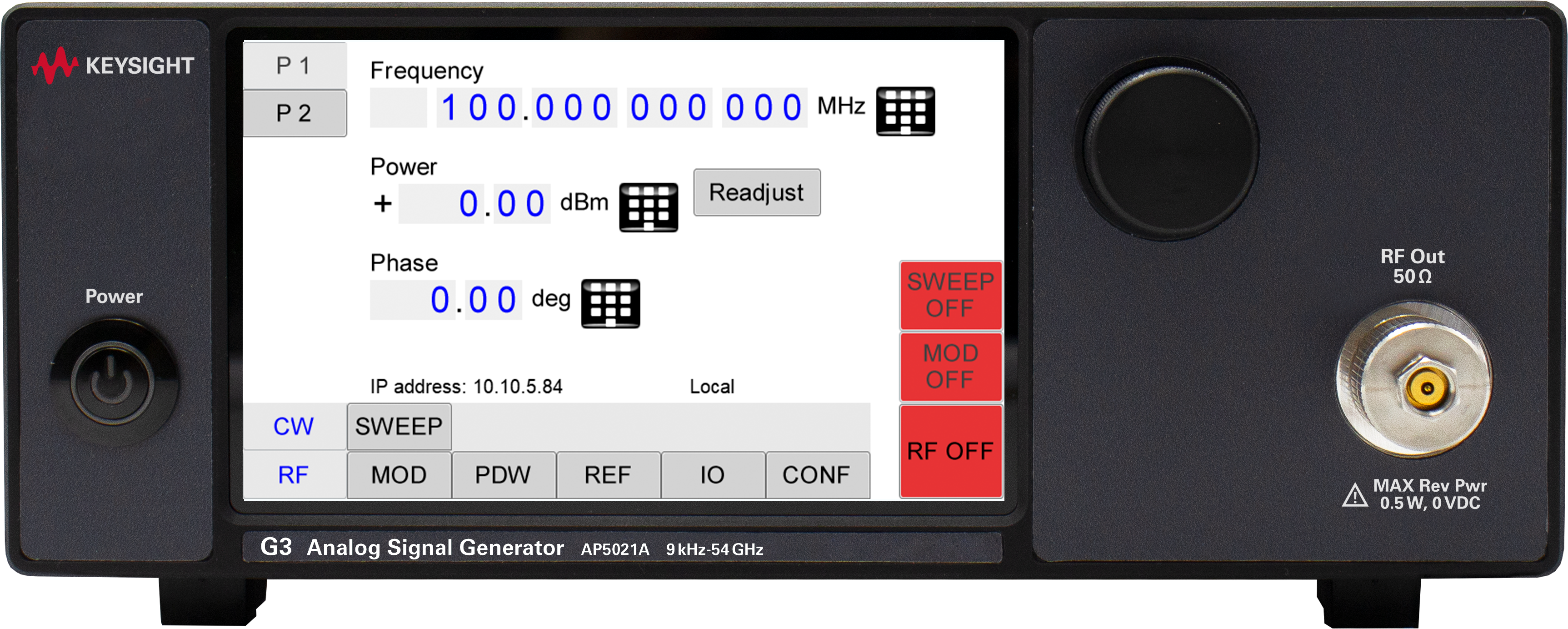
XG5-class Analog Signal Generator
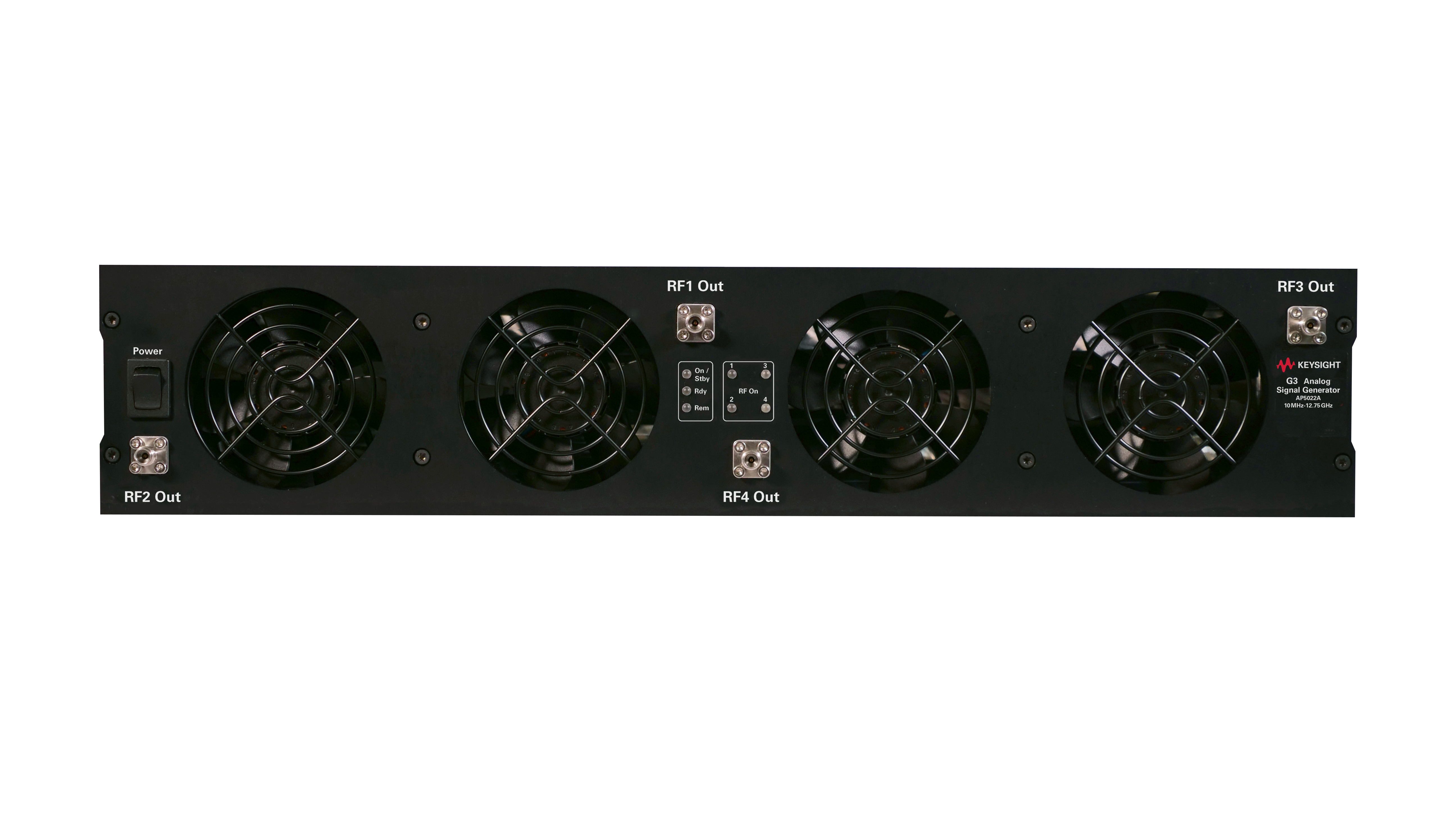
XG5-class Analog Signal Generator


XG5-class Analog Signal Generator
Services and support
Innovate at speed with curated support plans and prioritized response and turn-around times.
Get predictable, lease-based subscriptions and full lifecycle management solutions—so you reach your business goals faster.
Experience elevated service as a KeysightCare subscriber to get committed technical response and more.
Ensure your test system performs to specification and meets local and global standards.
Make measurements quickly with in-house, instructor-led training, and eLearning.
Download Keysight software or update your software to the newest version.
Frequently asked questions
DUT match correction between an RF signal generator and receiver improves measurement accuracy by compensating for impedance mismatches between the Device Under Test (DUT) and the test equipment. In this setup, the RF signal generator sends a signal to the DUT’s input, and the receiver measures the DUT’s output.
Mismatches in impedance (e.g., deviations from the standard 50 ohms) at the DUT’s input or output cause signal reflections, distorting measurements like gain or frequency response. DUT match correction addresses this by calibrating the system to adjust for these mismatches. This ensures the receiver’s data reflects the DUT’s true performance rather than test setup errors. This is essential for precise RF component testing in applications like communications or radar.
This is often achieved through a calibration process that uses a Vector Network Analyzer (VNA) to measure the reflection characteristics of the test setup and then applies corrections to the measured data. This process is very complex and time-consuming.
Harmonic performance refers to how effectively an RF device—such as a signal generator, amplifier, or transmitter—minimizes unwanted harmonic signals, which are multiples of the fundamental frequency that can interfere with system operation.
Harmonics are often generated by nonlinearities in active components, which can degrade signal purity, cause interference with adjacent channels, and reduce overall system efficiency. Measuring harmonic performance requires evaluating harmonic distortion levels (e.g., second and third harmonics) relative to the fundamental signal, typically expressed in dBc (decibels relative to the carrier).
Superior harmonic performance is essential in high-precision RF applications such as radar, wireless communications, and 6G research, where low distortion ensures signal integrity and compliance with regulatory standards.
Phase noise in an RF signal is the random variation in the signal's phase over time, manifesting as fluctuations around the intended carrier frequency. These variations are essentially noise that distorts the signal's phase coherence, leading to a broadening of its spectral line in the frequency domain.
This noise can degrade the performance of communication systems by introducing jitter in digital systems, causing interference in adjacent channels, and reducing the accuracy of time and frequency standards.
Phase noise is particularly critical in applications requiring high spectral purity, such as radar, telecommunications, and precision timing. It can affect signal quality, data integrity, and system reliability. Phase noise is typically measured in dBc/Hz, indicating how much noise power exists at a certain frequency offset from the carrier, normalized to a 1 Hz bandwidth.