AI Technology


Learn the fundamentals of AI

Report
Innovating on 6G with Artficial Intelligence
Discover end-to-end capabilities for simulating, testing, and evaluating networks and devices as 5G systems evolve towards 6G.
AI Technology is Shaping the Future
Artificial Intelligence (AI) is transforming modern product design. Keysight integrates AI technology across the development lifecycle to enable faster product design and development. Discover how Keysight can help you accelerate your next innovation in a range of emerging AI-driven use cases.


Improve efficiency & agility
AI leverages high-quality data to expedite product development and reduce the cost and time needed to bring better products to market.


Fast-track time to market
Integrating AI technology into workflows accelerates time to market, improves productivity, and enables companies to quickly scale product development.


Streamline development
AI and digital twins allow product development teams to automate repetitive tasks and reduce skillsets required to troubleshoot issues.


Accelerate innovation
AI-driven tools boost product confidence by eliminating speculation in the design process, improving both the usability and customer experience.
Dive deeper into AI with self-paced learning
Explore our AI technology-powered tools


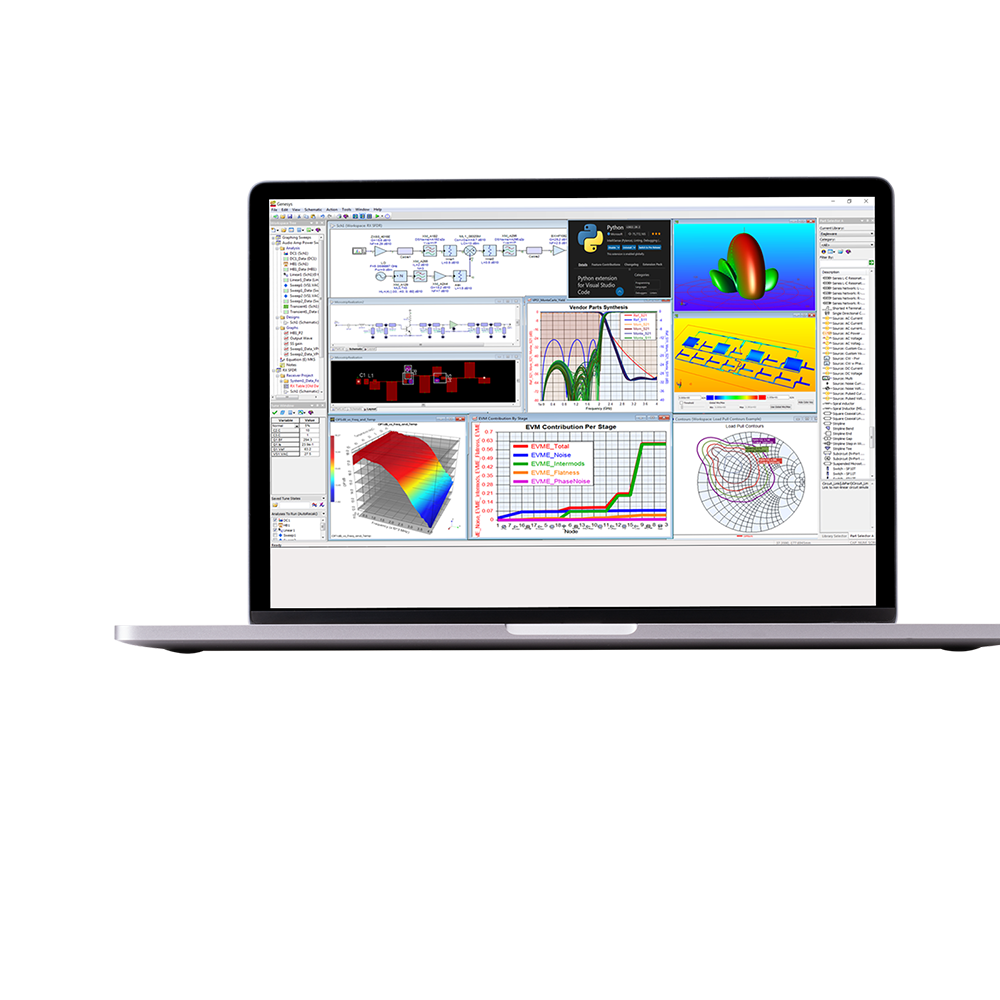

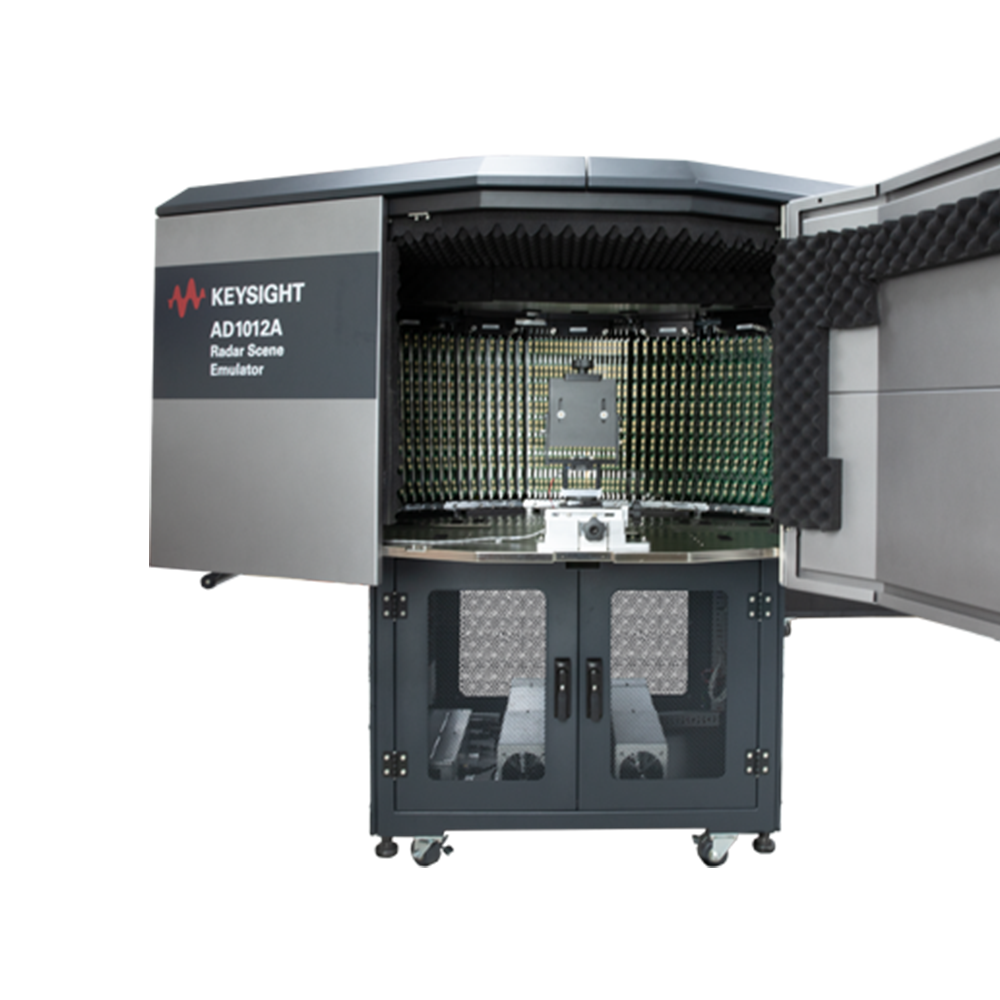
Discover our AI-driven use cases

Frequently Asked Questions About AI
The four types of AI technologies are grouped based on how closely they match humans’ intellectual capabilities:
- Reactive Machines: simple, rule-based systems that do not use past experiences in decision making.
- Limited Memory: learning models based on large datasets that leverage previous experiences to optimize results. This is where most AI systems are operating today.
- Theory of Mind: a system that understands human emotions and is able to interact and act appropriately. Theoretical research is currently underway to develop this AI technology.
- Self-Aware AI: a system that has independent thoughts and feelings, possesses consciousness, and is self-aware. This AI technology could theoretically be available in the future.
Industries being transformed by AI technology include education, entertainment, healthcare, retail, finance, agriculture, legal, transportation, and others. Existing features are being rapidly adopted, and new capabilities are coming online at an accelerated pace. Three examples of AI-powered applications are automated notetaking during doctor’s visits, chatbots, and self-driving cars.
As AI-based systems are deployed with advanced features in important segments of society, there are numerous ethical considerations, including:
- large amounts of personal data
- lack of transparency in decision-making
- unknown responsibility for wrong decisions
- biased answers
- intellectual property concerns
- corporate and governmental misuse
As AI technology evolves, it's essential to ensure usage is in line with legislation and societal expectations.
There are numerous limitations for AI technology, including:
- dependence on large datasets
- propensity to generate false or fabricated results
- unknown or unproven ROI — especially where there are large capital investments in infrastructure
- bias towards training data
- power consumption (electrical and computational)
- lack of proven and hardened security solutions
Explore Artificial Intelligence Resources
Learn how AI technology is shaping the future
AI: Go Deeper
Explore AI technology and its role in accelerating innovation across industries with these resources and insights from Keysight

Take the Next Step
Leverage Keysight's deep domain knowledge and industry-leading design, emulation, and test solutions to reap the benefits of integrating AI into your product development.