Choose a country or area to see content specific to your location
What are you looking for?
-
-
Integrated Physics Suite
Bridging design and physical testing to evaluate drop, impact, shock, and vibration compliance before hardware exists.


-
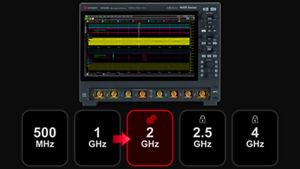
Buy an Expert Oscilloscope, Boost Your Bandwidth
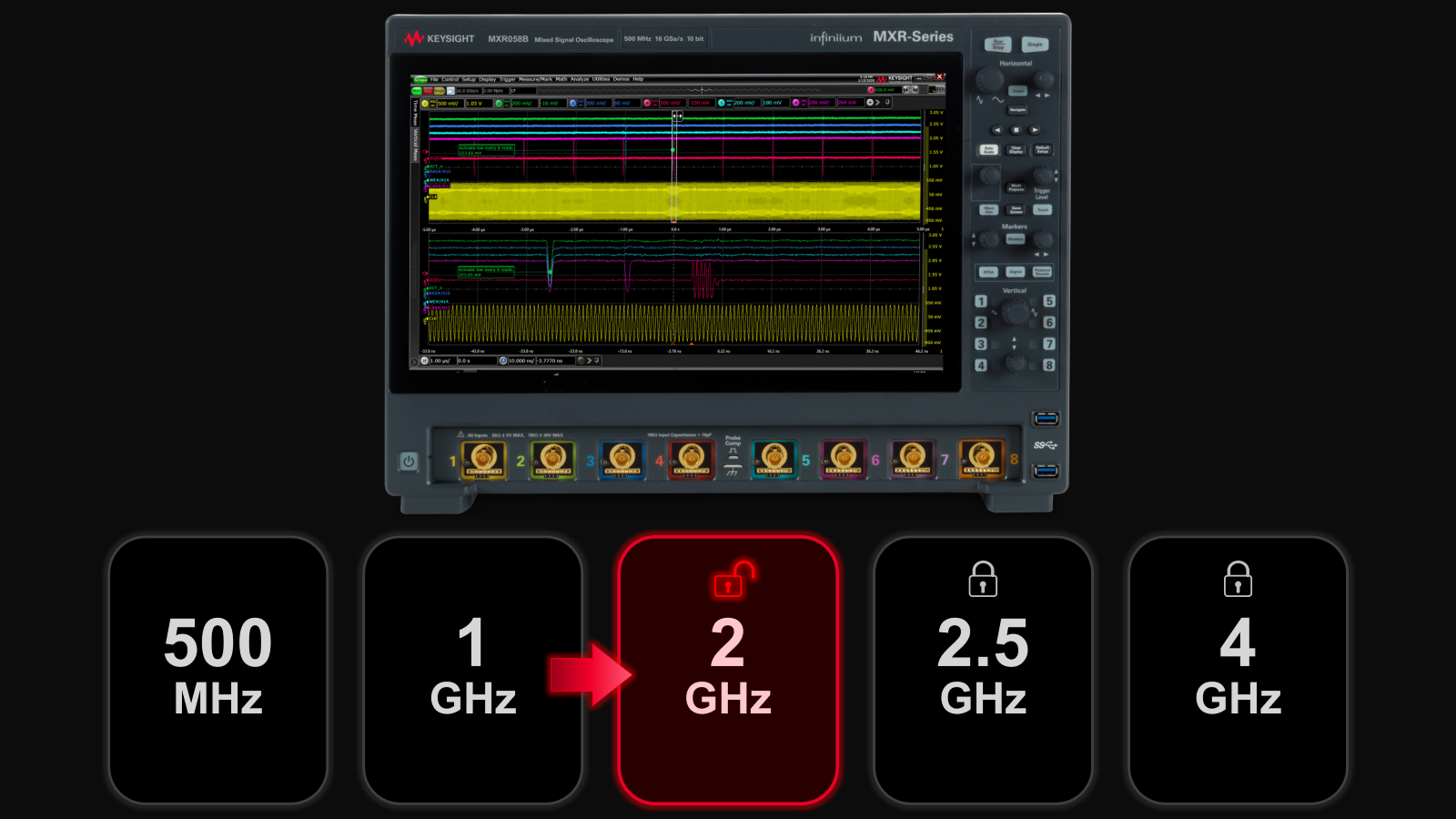
Unlock your free upgrade to the next bandwidth tier.
-
End-to-End Validation for AI Data Center
Strengthen 1.6T network reliability for AI-scale workloads from transceivers to interconnects.

-
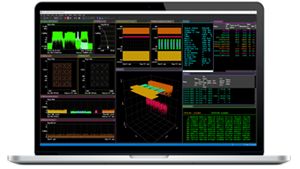
Take On Complex MIMO Signals
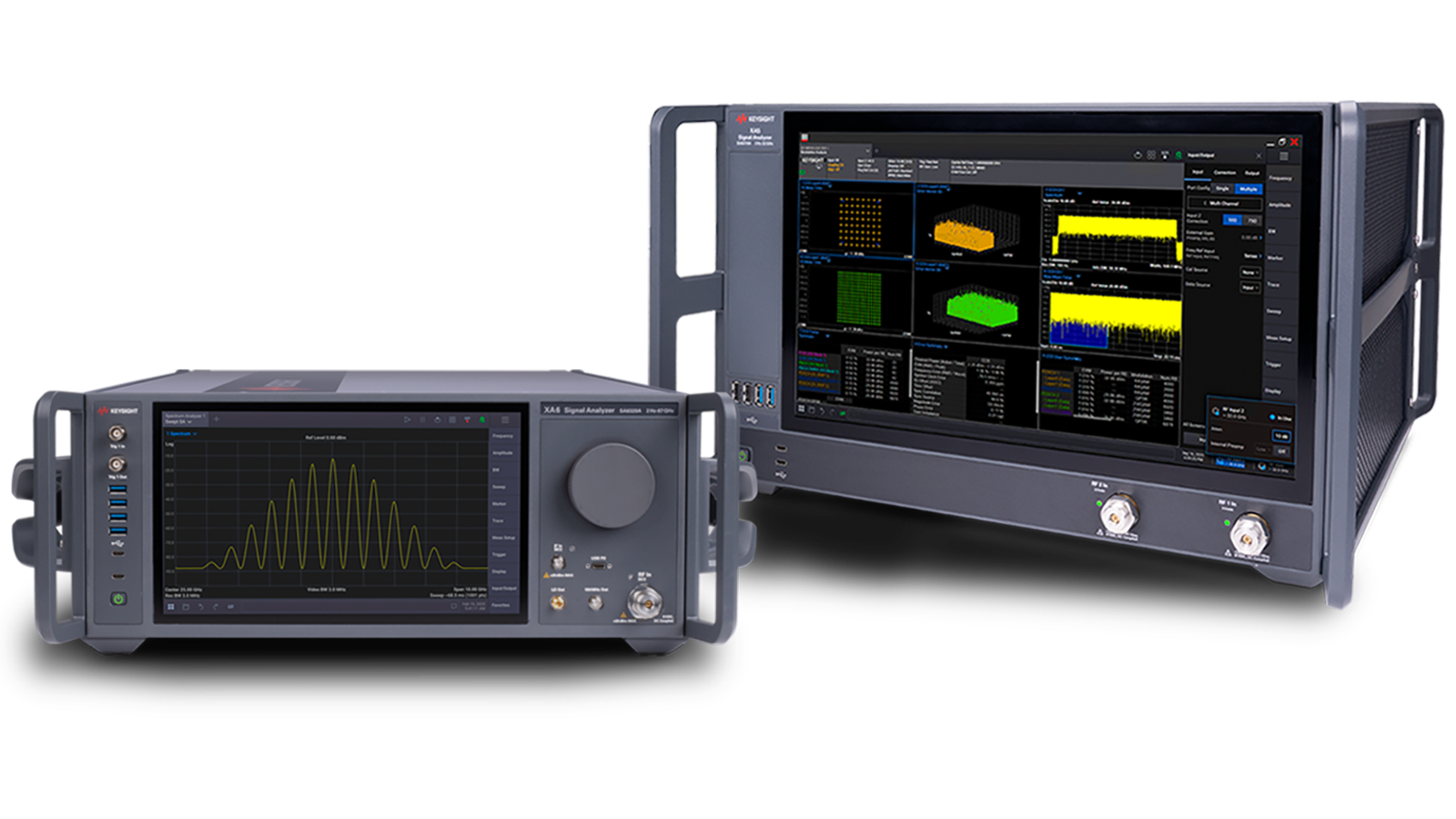
Pair Keysight VSA software with the new XA5 signal analyzer for advanced visualization, demodulation, and analysis — start your 30-day trial today.
-
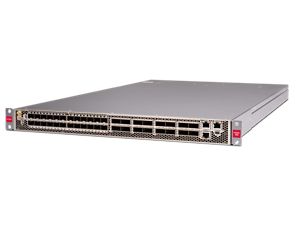
Introducing AI-Enhanced Packet Brokers
With extra memory and storage, these enhanced NPBs run Keysight's AI security and performance monitoring software and AI stack.
-
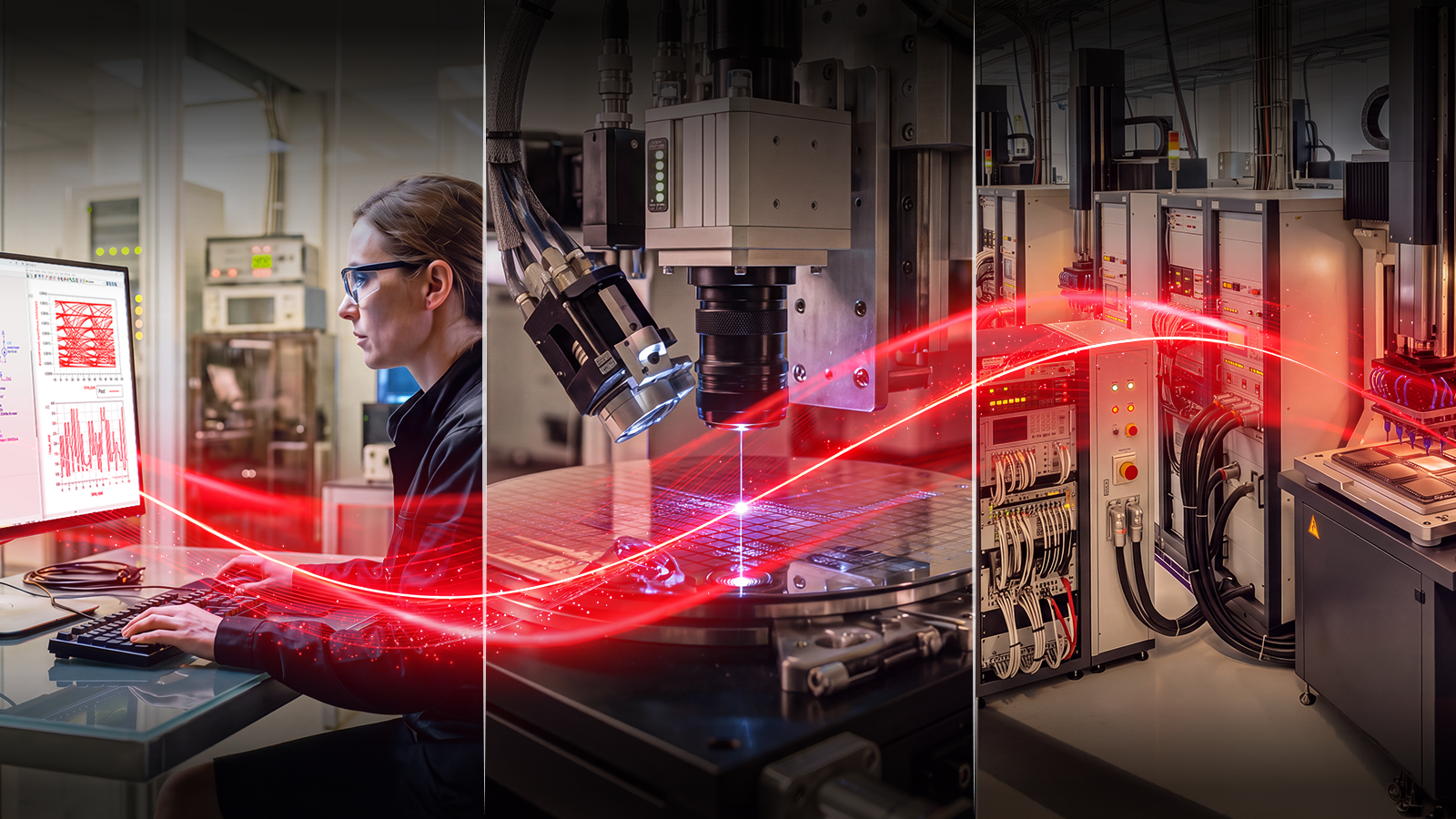
Accelerate Semiconductor Innovation
Explore end-to-end workflows spanning IC design, validation, wafer test, and photonics.

-
Accelerate Your Innovation Engine
Explore curated support plans, prioritized to keep you innovating at speed.

-
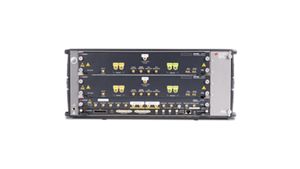
448 Gb/s Waveform Generation
Achieve 200+ Gbaud multi-level modulated signals with high-speed AWGs for digital and optical standards.
-
The Right Connection Makes the Measurement
Maximize accuracy and performance with precision accessories engineered for Keysight instruments.

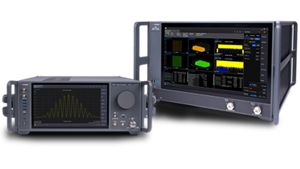
Analyze Complex RF Signals FasterExplore dual-channel and ultra-wideband signal analysis for demanding RF workflows.
 Digital Validation. Faster.
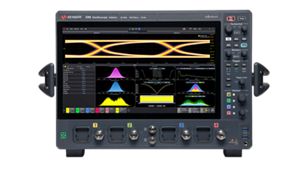
Get faster, clearer insights with our new multicore, 12-bit oscilloscope up to 33 GHz. Trade in your old oscilloscope and get credit toward a new XR8.
-
-
Purpose-built solutions engineered for the design and test challenges unique to your industry.
Use Cases mapped to every stage of your product lifecycle, from design through operations.
Success Stories
HPE Juniper Networking Builds Next-Gen AI Infrastructure -
Authoritative application notes, data sheets, reference designs, and test procedures to accelerate design and validation decisions.
FeaturedHands‑on bootcamps that teach system design, test methods, and production workflows engineers can apply immediately.
Learning Hub
AI TechnologyExplore methodologies, test strategies, and technical resources for designing, validating, and scaling AI systems and networks.
- Buy
-
Quick access to support related self-help tasks.
Additional content to support your product needs.
Do more with Keysight ServicesExplore services to accelerate every step of your innovation journey.









PCIe Protocol Analyzers Precision PCIe protocol analysis
Keysight LA5-class PCIe protocol analyzers include the P5570A

- Overview
- All Models
- Accessories
- Software
- Support
Capture, decode, and analyze PCIe traffic with precision
Keysight LA5-class PCIe protocol analyzers provide deep insight into PCIe communication, enabling you to capture, decode, and analyze high-speed data traffic with precision. These analyzers help identify protocol-level issues, validate system performance, and accelerate debugging in complex PCIe designs. By delivering comprehensive visibility into data transactions, timing, and protocol compliance, they help you validate communication between devices that use the PCIe interface. Choose one of our popular configurations or configure one specific to your application. Need help selecting? Check out the resources below.
Broad protocol support
Supports multiple PCIe generations (1.0 to 6.0) and CXL, enabling validation of both legacy PCIe devices and next-generation memory and accelerator technologies.
Large trace memory
Capture extended PCIe activity without data loss using up to 16 GB of trace memory with real-time compression, ideal for analyzing complex transactions and debugging intermittent issues.
Built-in equalization
Designed to minimize channel impairments to the high-speed traffic observed between the host system and your device, maximizing signal integrity.
Convenient form factor
The single-card design with secure bracket mounts ensures fast, convenient setup and stability on the lab bench, protecting prototypes and maintaining signal integrity during testing.
-
Maximum data rate
64 GT/s
-
Protocols
PAM4
-
Standards
CXL 1.1, CXL 2.0, PCIe 1.0, PCIe 2.0, PCIe 3.0, PCIe 4.0, PCIe 5.0, PCIe 6.0
Most Popular Configurations
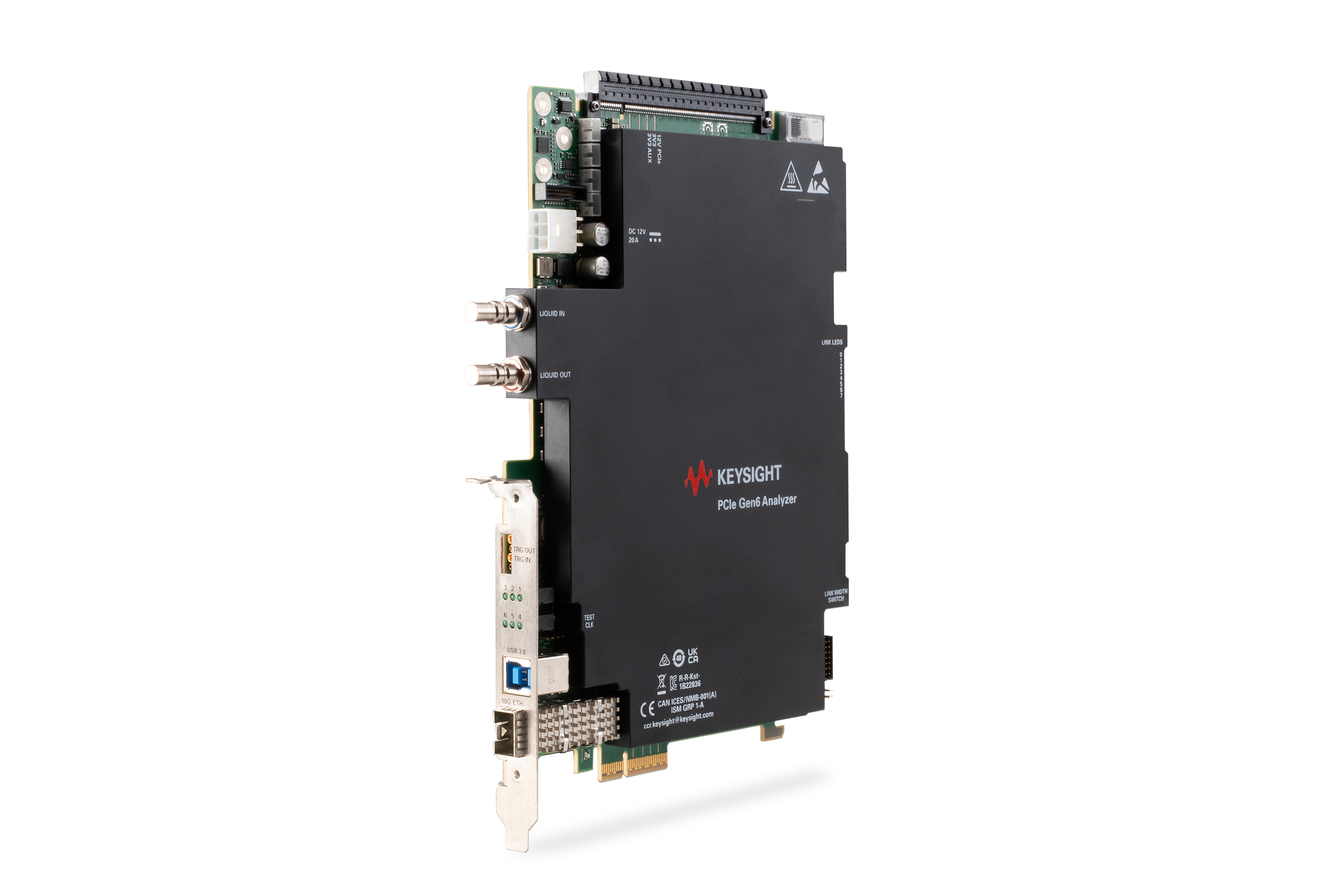
LA5-class PCIe Protocol Analyzer, for PCIe 6.0
LA5-class PCIe Protocol Analyzer, for PCIe 6.0
P5570A
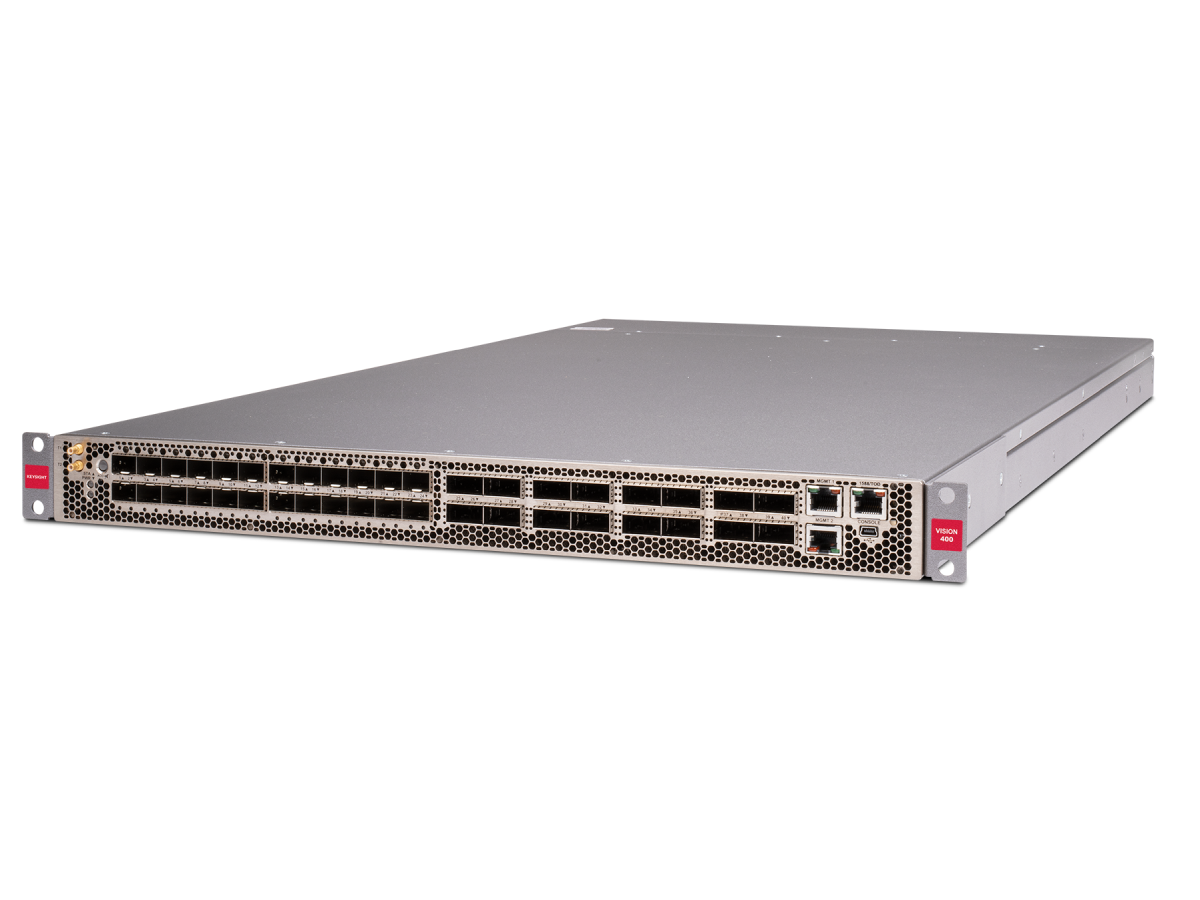
Keysight PCIe® 6.0 Protocol Analyzer redefines protocol debugging and validation through a new innovative CEM card form factor, bringing vast improvement in signal integrity and equalization with instant link-up to systems as well as devices under test.
See the Real Performance of Your Design
The Keysight P5570A PCIe 6.0 Protocol Analyzer introduces a new form factor which is easily deployable in the lab bench environment to enable deep protocol analysis of a PCIe system with unparallel signal integrity. Locate protocol errors or validate device operations by viewing data from the physical layer all through the transactional layer with ease.
- Decode up to 64GT/s with support of x4, x8 and x16
- Utilize up to 16GB of trace memory aided by on-board data compression
- PHY Layer (TS1/TS2/Ordered sets), Link Layer (ACK/NACK, Sequencing Numbers, Replay) Transaction Layer (Memory, Config, I/O read/writes)
- Supports both FLIT and non-FLIT modes with a dedicated Flit Viewer
- Combined Analyzer and Exerciser Software GUI
- Powerful trigger and filter engine
- Stable and solid mechanical connection from device to the system under test
- Supports x16 (P5570A), x8 (P5571A) and x4 (P5572A) physical lane widths
Services and support
Innovate at speed with curated support plans and prioritized response and turn-around times.
Get predictable, lease-based subscriptions and full lifecycle management solutions—so you reach your business goals faster.
Experience elevated service as a KeysightCare subscriber to get committed technical response and more.
Ensure your test system performs to specification and meets local and global standards.
Make measurements quickly with in-house, instructor-led training, and eLearning.
Download Keysight software or update your software to the newest version.
Frequently Asked Questions
A PCIe protocol analyzer is used to capture and analyze data traffic between PCIe-connected devices to help you debug, validate, and optimize system performance. It provides deep visibility into the PCIe protocol stack, allowing users to monitor transactions, link states, lane configurations, and detect errors such as retries, CRC failures, and protocol violations. This tool is essential for troubleshooting interoperability issues, verifying compliance with the PCIe specification, and analyzing bandwidth and latency across different generations and lane widths. It's commonly used by hardware, firmware, and validation teams during development and system testing.
Built-in equalization is important in a PCIe protocol analyzer because it enables accurate capture and analysis of high-speed signals over real-world channels, where signal integrity degrades due to loss and distortion. As PCIe speeds increase (e.g., Gen4, Gen5, Gen6), equalization becomes critical to compensate for these effects and recover clean data from noisy or attenuated signals. By integrating equalization, the analyzer can reliably interpret symbols and decode traffic without requiring external signal conditioning. This ensures accurate protocol visibility, especially when testing across different cable lengths, connectors, or board layouts, making the analyzer more effective for debugging and validating high-speed PCIe links.
Automation software plays a key role in PCIe protocol analysis by streamlining repetitive tasks, improving test consistency, and accelerating validation workflows. It enables users to automatically configure test setups, trigger specific events, capture data, and analyze results across multiple test cycles without manual intervention. This is especially valuable for regression testing, long-duration stress tests, and compliance verification, where consistency and efficiency are critical. Automation also allows integration with broader test frameworks, helping teams identify issues earlier in the development cycle and reducing time-to-debug in complex PCIe systems.