











- Overview
- All Models
- Support
Validate RAN functionality and performance end-to-end
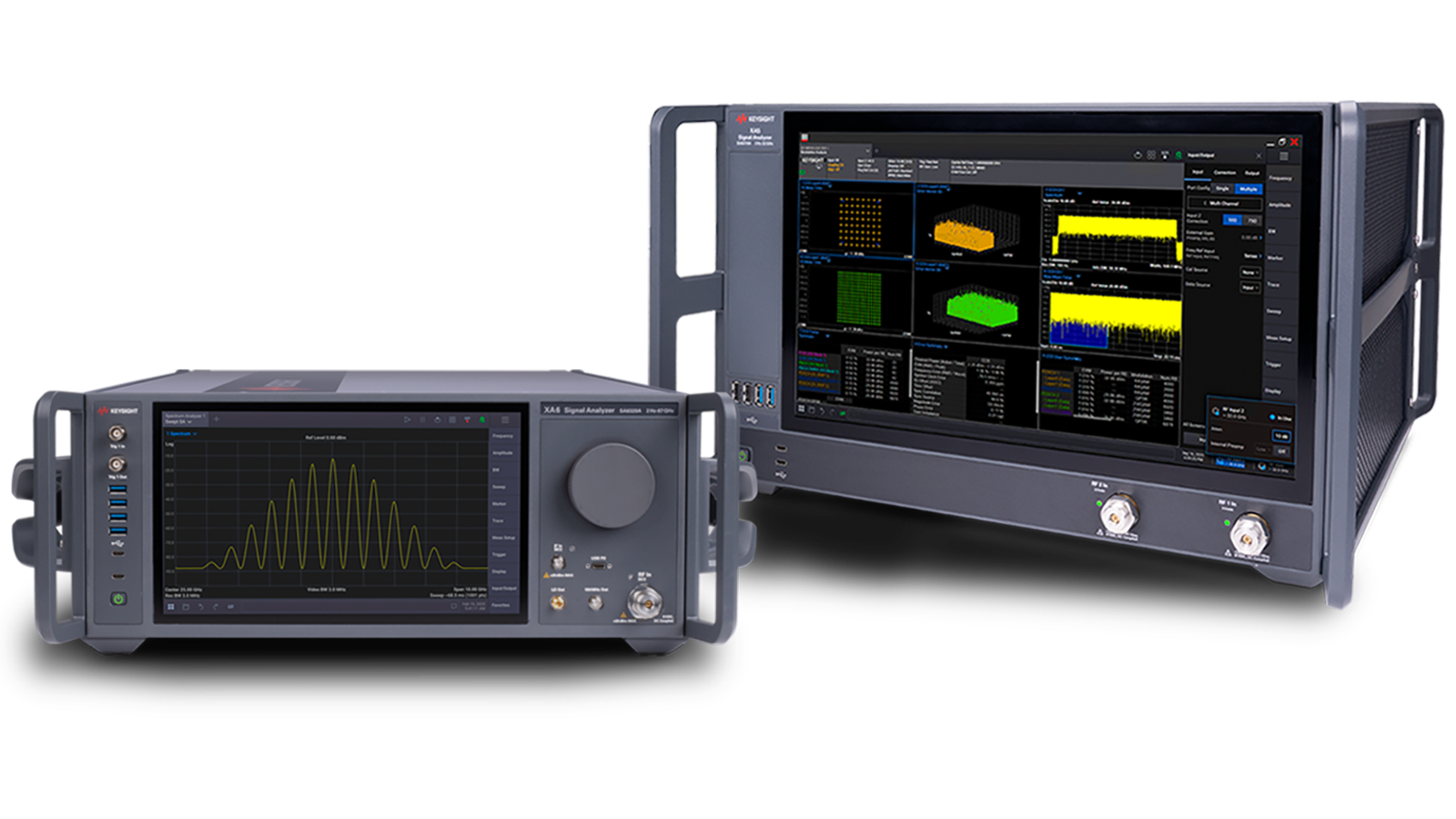
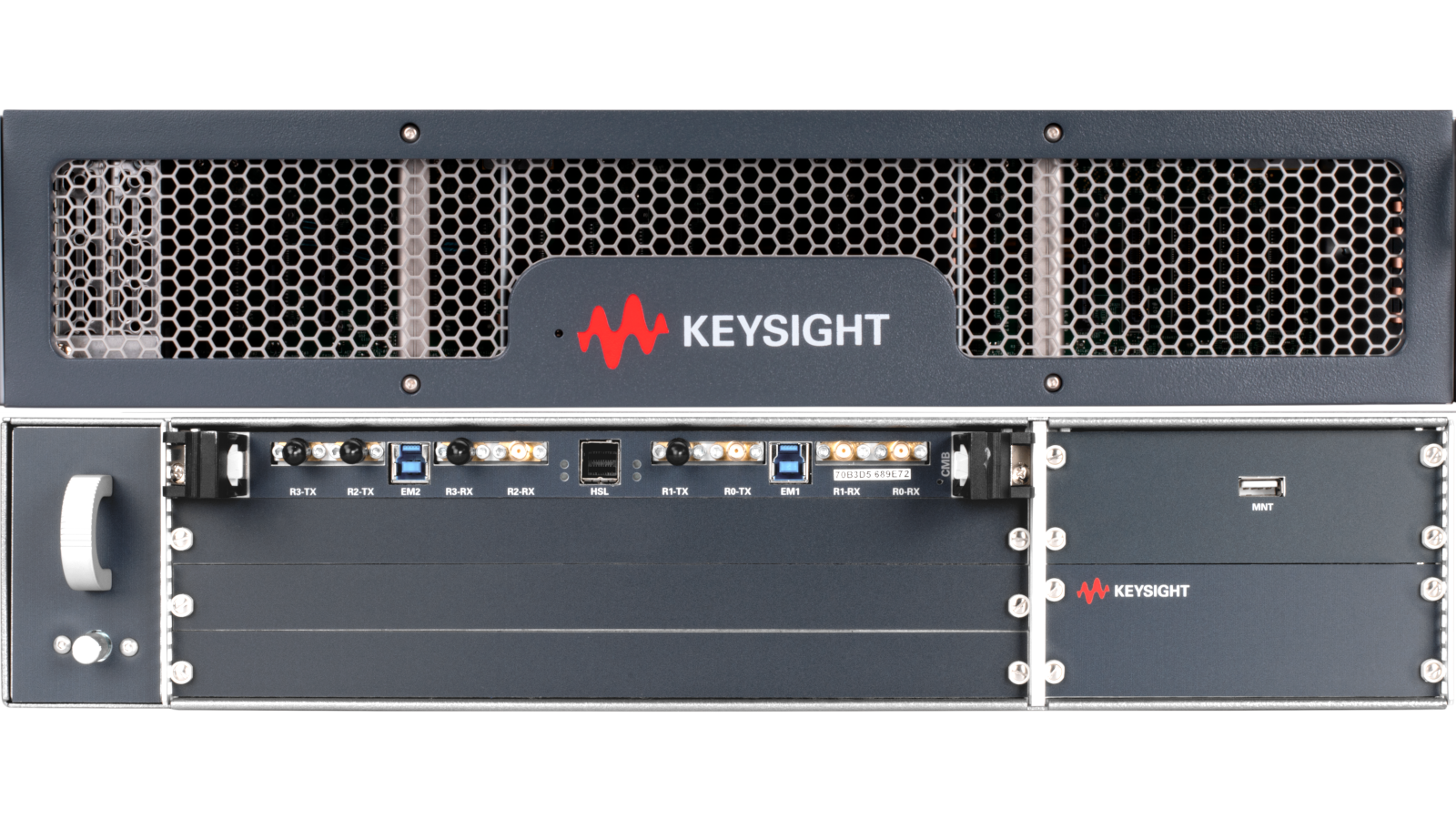
The Keysight UE emulators enable scalable testing of Radio Access Networks over the air and over the fronthaul interfaces, by simulating thousands of realistic user devices and traffic patterns. They combine real-time protocol emulation, application-layer traffic generation, mobility modeling, and enhanced KPI analysis to deliver insight into performance, capacity, and QoE. From functional testing to extreme load and mobility scenarios, UE emulators help you isolate issues, fine-tune designs, and accelerate deployment with confidence. Request a quote for the Keysight UE emulator solution today. Want to learn more about this solution? Explore the resources below.
Scalable realistic UE emulation
Support thousands of UEs, simulate application data, and generate network traffic load under advanced mobility scenarios and real-world conditions.
Full protocol stack validation
Emulate full-stack user sessions across L1 to L7 for full protocol stack validation, including system capacity and user experience characterization.
Evaluation across TN and NTN
Support internal orbit emulation (LEO / GEO / GSO) for service and feeder link, and advanced channel emulation for transparent and regenerative network modeling.
mMIMO beamforming testing
Scale MU-MIMO and mMIMO testing with large-scale UE emulation. Validate high-throughput and dynamic mobility in a compact, auto-tuning benchtop form factor.
-
Test types
Stack, NAS / core emulation, UE traffic / application layer, Beamform testing, E2E MU-MIMO, RAN Validation, UeSIM UE Emulation, O-DU southbound, O-DU+O-CU southbound
-
Sub system simulated
RF front end, L1 physical layer (PHY), L2 MAC / RLC, L3 protocol, O-Gnb, O-RU
-
Interfaces supported
RF (conducted or OTA), eCPRI, CPRI, Ethernet, I/Q streaming, PXIe backplane, OFH
-
Programming interfaces
REST API, SCPI, Python
Most popular configurations
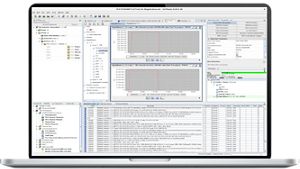

UeSIM RAN Testing Toolset
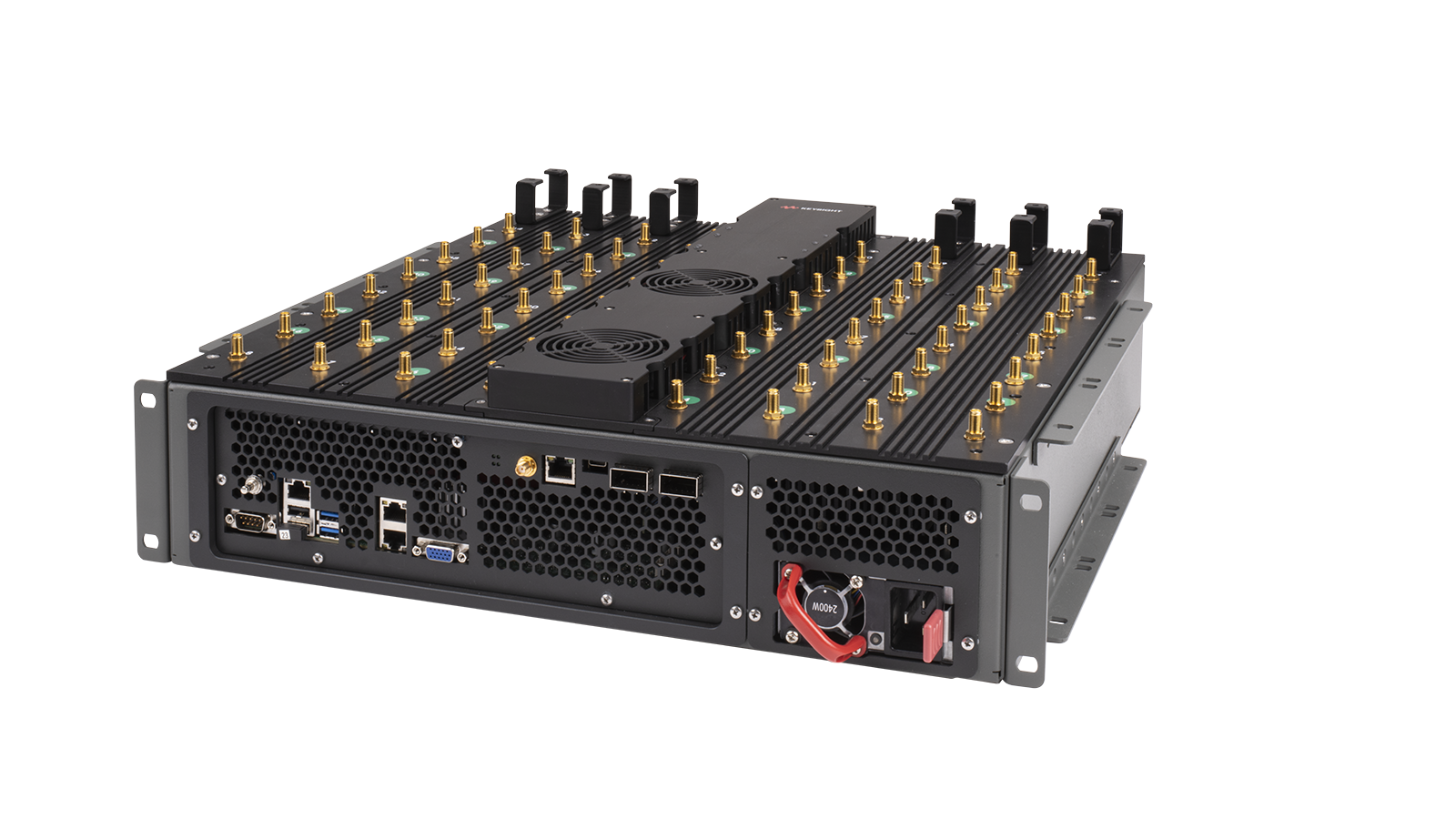
Beam MIMO Detect — E2E mMIMO Verification Solution
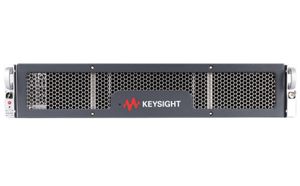

RuSIM RAN Testing Toolset
Services and support
Innovate at speed with curated support plans and prioritized response and turn-around times.
Get predictable, lease-based subscriptions and full lifecycle management solutions—so you reach your business goals faster.
Experience elevated service as a KeysightCare subscriber to get committed technical response and more.
Ensure your test system performs to specification and meets local and global standards.
Make measurements quickly with in-house, instructor-led training, and eLearning.
Download Keysight software or update your software to the newest version.
Frequently asked questions
A UE emulator is a lab-based solution that simulates thousands of virtual user equipment (UE) devices, such as smartphones, IoT nodes, or fixed wireless terminals, to test how a 5G or LTE radio access network (RAN) behaves under realistic conditions. Unlike physical device testing, a UE emulator allows engineers to create high-density, repeatable test scenarios involving mobility, session setup and teardown, handovers, and dynamic data traffic, all without the need for actual UEs.
It enables validation of RAN capacity, scheduling, QoS enforcement, protocol handling, and signaling performance under load, helping vendors and operators ensure that the network can support large-scale deployments with diverse traffic profiles and user behaviors. This is especially critical when testing multi-cell architectures, massive MIMO, beamforming, and 5G SA/NSA deployments. By emulating thousands of UEs with precise timing and control, the emulator helps identify performance bottlenecks, edge-case failures, and scalability limits before live rollout.
UE emulators are powerful tools that replicate the behavior of real end-user devices at scale, enabling engineers to evaluate how a 5G network performs under a wide variety of conditions. Unlike testing with a handful of physical devices, emulators can generate thousands of simultaneous connections, voice calls, data sessions, and application flows, providing a controlled yet highly realistic test environment.
- Realistic traffic generation – UE emulators create diverse traffic patterns across voice, video, messaging, IoT, and data applications, ensuring that testing reflects real-world subscriber behavior.
- Application-layer validation – They allow performance testing at higher layers of the stack, such as latency-sensitive gaming, streaming, or enterprise services, to accurately measure user experience (QoE).
- Load and stress testing – By scaling to large numbers of virtual devices, emulators help engineers push network capacity limits, expose bottlenecks, and verify reliability under peak demand.
- RF and mobility conditions – Integrated channel models simulate handovers, fading, interference, and other radio effects, ensuring network functions can be validated under challenging field-like scenarios.
- RAN validation and optimization – Engineers can validate scheduling, beamforming, and resource allocation algorithms, helping fine-tune RAN performance for efficiency and coverage.
- Accelerated development – Because emulators are fully automated and repeatable, they reduce the need for costly field trials, enabling faster regression testing and quicker rollout of new features.
In summary, UE emulators allow engineers to go beyond basic connectivity testing. By combining large-scale traffic generation, realistic RF conditions, and detailed application-layer validation, they provide deep insights into network behavior, accelerate RAN optimization, and ultimately improve the end-user experience.
UE emulators simulate the behavior of real end-user devices, such as smartphones, laptops, or IoT terminals to test how a radio access network (RAN) performs under realistic user conditions. They generate uplink and downlink traffic, mobility events, and signaling procedures to evaluate user experience (QoE), network responsiveness, and resource scheduling across various radio technologies, including 5G SA, 5G NSA, and LTE. UE emulation is essential for assessing RAN capacity, session management, handovers, and latency under dense load conditions.
In contrast, O-RAN emulators are designed to simulate Open RAN network elements such as the O-RU (Radio Unit) and O-DU (Distributed Unit). These tools are used to validate the interoperability and conformance of O-RAN components by emulating traffic and signaling across open interfaces like the Open Fronthaul (eCPRI) and F1. O-RAN emulators help ensure that disaggregated network elements from different vendors can communicate effectively, synchronize properly, and perform to specification. Together, UE and O-RAN emulators offer complementary capabilities: one tests the user side of the RAN, while the other ensures compliant integration across the open, modular RAN architecture.
UE emulators are built to cover a broad spectrum of wireless technologies so engineers can test, validate, and optimize networks across multiple generations.
They typically support legacy systems such as:
- 2G and 3G
- Widely deployed 4G LTE
- The latest 5G New Radio (NR) standards, including both non-standalone (NSA) and standalone (SA) modes
Support is aligned with specifications from international standards bodies like 3GPP, ensuring compatibility with evolving releases and industry requirements. In addition to core cellular technologies,
UE emulators often provide capabilities for advanced features that reflect real-world device behavior. These include:
- Carrier aggregation
- Massive MIMO
- Beamforming
- Dynamic spectrum sharing
- Dual connectivity across LTE and NR
Voice and data services such as VoLTE, VoNR, and IMS-based applications are commonly supported, enabling end-to-end validation of user experiences.
Beyond traditional operator networks, UE emulators are increasingly used to model devices in private wireless networks, IoT and machine-type communications, and specialized scenarios such as low-latency or ultra-reliable services.
This broad standards coverage ensures that network equipment, services, and applications can be tested under realistic conditions before deployment, reducing risk and improving performance in the field.
UE emulators are used to rigorously evaluate how the Radio Access Network (RAN) performs when faced with realistic device behavior and subscriber traffic patterns. By simulating thousands of virtual UEs, they enable engineers to test both functional correctness and performance under load.
- Traffic management – Validate how the RAN handles diverse traffic types such as voice, video streaming, web browsing, and IoT data, ensuring quality of service across applications.
- Mobility and handovers – Test how connections are maintained during cell reselection, inter-frequency and inter-RAT handovers, and under fast-moving user scenarios such as trains or vehicles.
- Signaling robustness – Assess control-plane procedures including registration, bearer setup, paging, and session continuity under various network conditions.
- Resource scheduling and allocation – Validate the efficiency of spectrum usage, beamforming, and scheduling algorithms to ensure fair and optimal resource distribution among users.
- Protocol stack behavior – Confirm standards compliance and error recovery at different layers of the protocol stack, from PHY/MAC through RLC, PDCP, and RRC up to NAS procedures.
- Performance metrics – Measure throughput, latency, jitter, and packet loss to determine whether the network can deliver expected service levels.
- Quality of Experience (QoE) – Assess application-level performance for end-user services such as video calls, online gaming, or enterprise applications.
- Scalability under load – Stress test the RAN by emulating thousands or even millions of simultaneous connections to uncover bottlenecks and validate network capacity.
In summary, UE emulators allow engineers to test not only the fundamental RAN functions—traffic handling, signaling, mobility, and scheduling—but also the higher-layer user experience under realistic conditions and at massive scale. This makes them an essential tool for verifying both performance and reliability in 5G RAN deployments.